
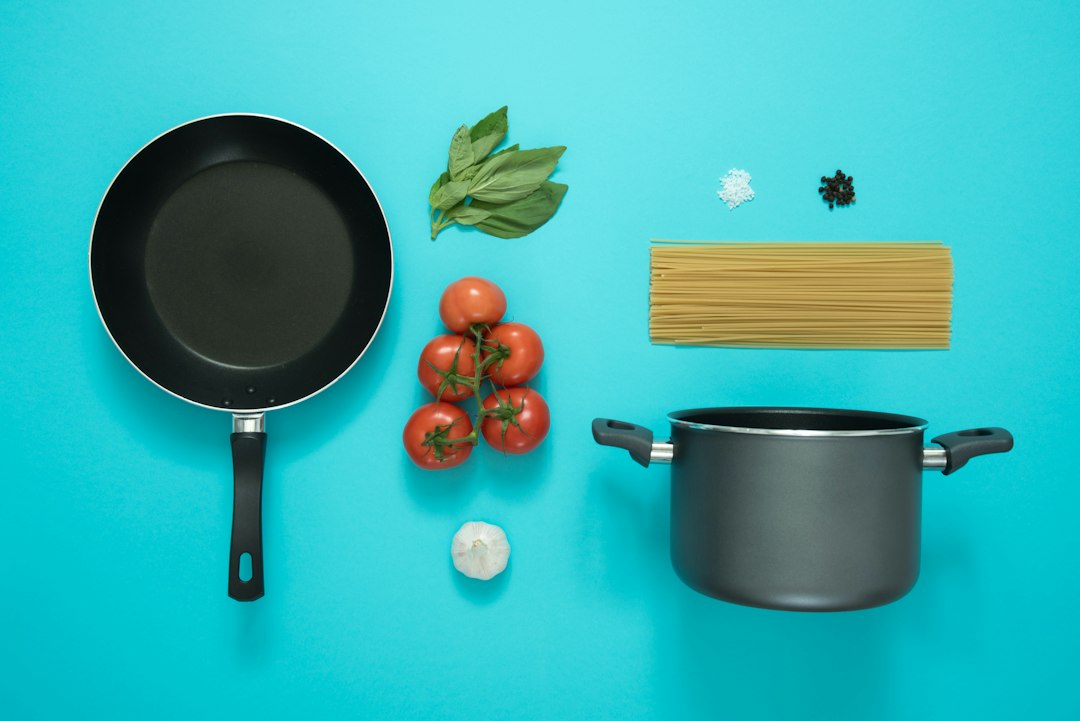
Matching cookware with its lids is a small task that prevents a frustrating unpacking problem. Before your Nashville move, count pots, pans, lids, inserts, and detachable handles separately. Give matching pieces a shared item code even when they travel in different cartons. This guide explains cookware inventory, pot lid matching, surface protection, carton planning, and a practical handoff to JM Moving.
Set aside a clean work surface and review one cookware group at a time. Separate items you use daily from duplicate or damaged pieces, then decide which need a packing review. Connect the list to your room inventory, packing scope, and photo walkthrough. Before pickup, recording each pot, pan and matching lid helps the team review the packed inventory and any work still required. These records help describe the work; they do not guarantee the condition of the contents or confirm a booking.

Understanding the Importance of Cookware and Pot Lid Matching
A pot and its lid can easily end up in different boxes, especially when several people are packing. A written match code gives you a way to reunite them without opening every kitchen carton. Record a lid that is shared between two pans as one physical piece with two compatible uses, so the inventory does not count it twice.
Confirm the intended fit before wrapping. Similar diameters do not make every lid interchangeable, particularly with locking or pressure-cooking systems. Check the manufacturer and model where the match is unclear. Do not force a lid that binds or use the moving inventory as a reason to test an unsuitable part on a pressure cooker.
Write the same code on the protective wrapping around both pieces rather than putting adhesive directly on a food-contact surface or delicate finish. If the pieces travel separately, record both carton codes. For example, CK-03 can identify the saucepan, CK-03-L its glass lid, and the inventory can show that the lid is in the glassware carton.
10 Cookware and Lid Packing Checks
Use this numbered checklist alongside the item records and manufacturer instructions.
- Audit Your Collection: Sort every pot, pan, and cover on a flat surface to verify that every single cooking vessel has its correct matching cover before packing begins.
- Apply Match Identifiers: Put matching codes on removable tags or protective wrapping. Avoid adhesive directly on nonstick surfaces, enamel, delicate finishes, or food-contact areas.
- Choose Heavy-Duty Cartons: Choose cartons appropriate to the actual weight and dimensions. Dense cast iron usually calls for smaller, manageable loads rather than a large carton filled to capacity.
- Wrap Glass Lids Separately: Never stack unsecured glass tops directly against metal rims. Wrap each fragile glass cover individually in multiple layers of clean packing paper.
- Nest By Diameter Size: Nest smaller saucepans inside larger stockpots, placing corrugated cardboard dividers or soft dish towels between each nested layer.
- Protect Knobs and Rims: Pack a lid in the position supported by its shape, materials, and chosen packing method. Do not force a knob inside another pot or rely on inversion to lock the pieces together.
- Cushion Handle Protrusions: Wrap protruding long handles with crumpled paper or bubble cushioning to prevent them from puncturing the sides of the cardboard box.
- Avoid Over-Packing Weight: Keep heavy cast iron skillets in smaller, manageable boxes so loaders can lift them safely without straining their backs or crushing bases.
- Track Current Packed Status: Mark each box clearly on top and side panels with a detailed contents list, noting whether all matching covers are enclosed inside.
- Designate An Open-First Box: Pack one essential frying pan, a versatile pot, and their matching covers in a clearly marked priority box for immediate meal preparation.
Pair the Cookware Before Wrapping
Achieving a secure match between a cooking pot and its cover requires methodical testing before any packing materials touch the kitchen counter. When dealing with extensive multi-piece cookware sets, lids often look remarkably similar, differing by only a quarter-inch in diameter. Forcing an incorrect top onto a vessel can wedge it tightly inside the rim or cause it to slide around, creating a hazard during transit.
Lay out the pots and their intended lids without stacking heavy pieces on delicate surfaces. Check labels or manuals where identification is uncertain, then assign matching codes. Keep a short note for a missing or damaged lid. Photograph a complicated set before packing so the inventory has a visual reference, but do not force an unfamiliar mechanism to demonstrate a match.
Wrap glass lids individually and protect their rims and handles from neighboring metal pieces. The safe arrangement depends on the lid shape, carton, and support materials; there is no single orientation that eliminates breakage. Ask the packer about the method for your set and avoid pressure on projecting knobs. Keep heavy cast iron separate from a lightly protected glass-lid group.
Illustrative Cookware Inventory
To illustrate how professional relocation management maintains complete accountability, the following sample inventory record demonstrates how cookware sets, pots, pans, and matching covers are documented prior to transport. This system reduces confusion and helps each item be checked against your Nashville packing checklist.
Common Challenges and Edge Cases in Kitchen Packing
Every kitchen features unique specialty items that do not conform to standard packing rules. Woks with rounded bottoms, copper saute pans with delicate long handles, pressure cookers with rubber gaskets and locking mechanisms, and oversized griddles require specialized handling to prevent structural damage.
Pressure cookers and electric multi-cookers have model-specific storage and preparation instructions. Follow those instructions for the lid, sealing ring, valves, and removable components; do not make adjustments to a pressure system based on a generic packing article. Let equipment cool, clean and dry permitted parts, and record any missing component before packing. Keep the manual reference available for setup at the destination.
For antique or damaged cookware, note loose rivets, worn handles, chipped enamel, and existing repairs. Request appropriate advice before tightening unfamiliar fittings or attempting restoration. Follow the maker’s care instructions for nesting and protection. For example, Le Creuset’s care and use guidance recommends suitable protection between stacked pieces to help avoid scratches and chips; use the guidance relevant to your own cookware.

Frequently Asked Questions
How do I match pot lids to their correct pots when packing a large set?
Compare each lid with its intended pot, using the manufacturer or model information if needed. Mark the protective wrapping with matching codes and record any shared lid only once. Do not force a close-looking lid into place or assume it is suitable for a pressure-cooking system.
Should I pack glass pot lids flat or vertically inside moving boxes?
Protect each lid individually and keep its rim and knob away from heavy neighboring items. Ask the packer which arrangement suits the shape and carton. Do not treat vertical placement or extra layers of paper as a guarantee against pressure or impact damage.
What box size is best for heavy cast iron cookware?
Heavy cast iron skillets and Dutch ovens should be packed in small, reinforced cartons. Limiting box size keeps total weight manageable and prevents cardboard bottoms from failing during transport.
How should long handles on saucepans be managed?
Protruding handles should be cushioned generously with crumpled packing paper or bubble wrap to prevent them from poking through the cardboard box walls when stacked inside the moving truck.
Can professional movers handle fragile kitchenware packing for my local move?
Ask JM Moving to review the exact cookware and packing scope you want help with. Mention glass lids, heavy cast iron, unusual shapes, and valuable or damaged pieces. Confirm the agreed packing responsibilities and materials in writing before service.
What if a handle or lid knob is already loose?
Record the concern and avoid using the handle or knob as a lifting point. Consult the manufacturer or a qualified repairer about appropriate service. Do not tighten a fastener blindly when the surrounding material may be cracked or the fitting uses a specific assembly method.
How can I prepare my kitchen inventory before the moving crew arrives?
Reviewing our online tools like the room inventory checklist and packing scope checklist helps you organize items efficiently and ensures an accurate estimate.
What cookware should I keep accessible for the first day?
Choose the pieces your household will actually use, such as one suitable pot and a pan, and keep their matching lids in a clearly identified open-first carton. Pack only clean, dry items and keep them separate from food, liquids, and cleaning chemicals.
Should I keep pressure cooker lids sealed during transport?
Follow the specific model’s storage or transport instructions. Keep the lid and its components identified with the correct cooker and avoid changing valves, seals, or locking parts on the basis of a general moving checklist. Use the official manual when setting it up again.
What should I do with specialty antique cookware with delicate rivets?
For antique or high-end designer cookware with fragile riveted handles, request professional evaluation or manufacturer guidance rather than attempting risky DIY disassembly.
Work through one two-carton example
Imagine a kitchen with one stockpot, two saucepans, two frying pans, a Dutch oven, and four lids. Start by counting the six cooking vessels and four physical lids. Check which lids belong to which pieces and note any lid shared by more than one pan. The inventory should distinguish “no lid supplied” from “lid missing,” because those mean different things at unpacking.
If the packing plan separates heavy cookware from glass lids, label the cookware carton K-01 and the lid carton K-02. Write K-02 beside each corresponding pot entry. List the Dutch oven body and heavy lid as two components even if they stay within one supported package. This makes the record useful when a family member sees only the outside of a carton.
Photograph the completed grouping before wrapping, then update the record when each item is packed. If a pan is taken back out for a final meal, change its status immediately. Leave a note with the open-first supplies rather than assuming everyone will remember which box was reopened.
Check surfaces and setup at the new kitchen
Open cartons on a stable surface and remove heavy pieces one at a time. Keep wrapping until all lids, handles, and inserts have been counted. Do not place a heavy pan on a glass lid or stack unprotected cookware while the cupboards are still being arranged. Check the matching codes before you discard the labels.
Inspect for visible chips, cracks, loose fittings, or other concerns before use. Follow the manufacturer’s advice for damaged cookware and any pressure-cooking components. If a moving-related concern needs to be reported, retain the relevant packaging and make a clear record linked to the item and carton codes. The inventory provides context; it does not decide coverage or responsibility.
Finally, keep the daily-use group accessible while storing the remaining cookware according to its care instructions. A completed checklist should show each item’s destination and whether its matching parts were found. Close any missing-part question with a specific item code rather than a broad search for “the kitchen box.”
Summary and Next Steps
Mastering cookware and pot lid matching during a local relocation ensures your kitchen transitions smoothly and efficiently. By auditing your collection, applying clear identification markers, wrapping fragile glass covers securely, and utilizing sturdy cartons, you protect your culinary investments from damage. Professional support from JM Moving simplifies the entire process, ensuring every box is packed to professional standards.

Ready to Streamline Your Nashville Kitchen Move?
Contact JM Moving today to review your cookware inventory and requested packing help.
For professional assistance, service inquiries, or to schedule your local move, reach out to JM Moving at (615) 710-9990 or visit https://jmmoving.store today.
