
A cookbook inventory keeps heavy volumes, spiral-bound community books, recipe binders, and handwritten cards organized for a Nashville move. Start by separating everyday books from fragile or irreplaceable originals. Pack by size and condition, keep container weights manageable, and record where each part of the kitchen library will go.
Use this cookbook packing checklist to record book counts, loose papers, damaged bindings, and any items you will carry yourself. Share the packing needs with JM Moving and confirm the written scope. The right preparation depends on the collection; an old recipe notebook may need different support from a modern hardcover.
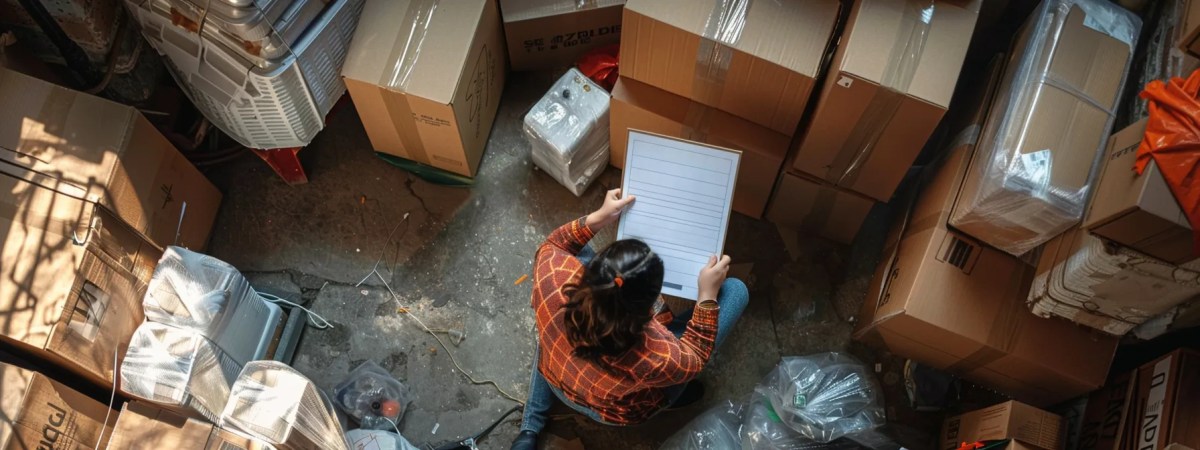
Understanding the Unique Nature of Cookbooks and Recipe Files
Cookbooks are fundamentally different from standard paperback novels. They are printed on heavier stock paper, often bound in hardcovers with sewn or glued spines, and frequently exposed to kitchen moisture, oil splashes, and bookmarks over decades of use. When packed incorrectly, the physical weight of these volumes can warp spines, crack bindings, and bend protective dust jackets. Furthermore, family recipe boxes, binders filled with plastic sleeve protectors, and hand-written index cards present distinct organizational challenges that require careful handling during any relocation handled by local movers in Nashville homeowners trust.

When preparing your Nashville packing strategy for kitchen literature, you must account for dense contents. Books are deceptively heavy. A standard moving box filled entirely with oversized baking tomes can easily exceed fifty pounds, making it difficult to lift and increasing the risk of box failure during transit. By breaking down your collection into manageable batches and utilizing proper packing materials, you protect both your valuable books and the physical safety of anyone handling the boxes. Let us examine the specific materials and box dimensions best suited for this task.
Selecting the Right Box Sizes and Packing Materials
The cardinal rule of packing books—whether cookbooks, encyclopedias, or ledgers—is to use small moving boxes, frequently referred to in the industry as small book boxes or 1.5 cubic foot cartons. Choose a box that fits the books while keeping the total weight manageable. Large boxes invite overpacking, which leads to excessive weight, strained tape seams, and collapsed stacks inside the moving truck. Smaller cartons can make dense collections easier to divide while making it easier to stack boxes securely inside transport vehicles.
In addition to small boxes, gather sturdy packing paper, high-quality pressure-sensitive packing tape, bubble wrap for delicate binders, and suitable folders or preservation enclosures for loose recipe cards or clippings. Avoid newspaper print for valuable cookbooks, as the ink can transfer to delicate paper pages or porous cloth covers, leaving permanent stains. For old or valuable paper, choose material-appropriate preservation enclosures rather than assuming any unprinted paper is archival quality.
Cataloging and Sorting Your Personal Records
Before placing a single book into a box, take time to review and sort your collection. A well-organized Nashville moving inventory starts long before the packing tape touches the cardboard. Group your cookbooks by size, frequency of use, or category—such as baking, international cuisine, quick weeknight dinners, and heirloom family recipe binders. This preparation makes unpacking in your new kitchen significantly faster and less stressful.
For personal recipe files and loose index cards, consolidation is key. Use a fitted card box or suitable folders to keep recipes together without applying pressure from rubber bands or clips directly to the paper. If your recipes are housed in three-ring binders, inspect the rings to check that they close tightly. If a binder is overstuffed, transfer some pages to a secondary folder or place loose sleeves in an appropriate closed folder or enclosure, keeping tape away from original paper.

Ten Detailed Practical Tips for Packing Cookbooks and Recipe Files
A clear inventory and packing review helps organize your culinary collection. Consider these ten practical tips tailored specifically for Nashville packing projects:
- Choose Manageable Boxes: Use cartons suited to the dimensions and total weight, within the container rating and a comfortable handling limit.
- Line the Bottom: Always cushion the bottom of your moving box with a crumpled layer of packing paper to absorb shock from ground vibrations.
- Pack Books Flat or Upright: Large, heavy cookbooks should always be packed flat in stacks of two or three. Lighter, uniform books can be packed upright like filing cabinets, but never pack books spine-up or fore-edge down.
- Protect Fragile Spiral Bindings: Spiral-bound community cookbooks and homemade recipe compilations require a layer of bubble wrap around the coil to prevent bending or crushing.
- Secure Loose Recipe Cards: Place index cards in a fitted card box or suitable protective folders to prevent them from slipping out of boxes and getting discarded with packing paper.
- Check for Moisture: Ensure older books that spent years in humid kitchens are completely dry before boxing to prevent mold growth during transit.
- Keep Binders Upright: Store three-ring recipe binders vertically like books, or lay them completely flat with heavy items kept off their delicate rings.
- Reinforce Box Seams: Apply an H-tape pattern across the bottom and top flaps of every book box to support the dense contents securely.
- Label with Destination Rooms: Clearly mark each box with your designated kitchen or pantry destination using a bold permanent marker on multiple sides.
- Maintain a Master Inventory Sheet: Keep a corresponding numbered list of what specific cookbooks and files are inside each box for easy reference upon arrival.
Managing Dense Contents and Weight Distribution
Check both the carton’s rated capacity and the weight that can be handled comfortably in the actual access conditions. No single weight is safe for every person or route. Divide dense books among more containers if needed, and keep the load stable without forcing covers or bindings into position.
If a box is only half-full of heavy cookbooks, do not fill the remaining space with other dense items like canned goods or cast-iron skillets. Instead, fill the void with lightweight kitchen linens, dishtowels, or additional crumpled packing paper to prevent shifting. Shifting contents during transit create dynamic loads that can puncture box walls or damage book corners when the moving truck navigates turns and uneven road surfaces.
Protecting Sentimental and Handwritten Family Records
Recipe files often represent irreplaceable family history. Handwritten note cards from grandparents, clipped newspaper recipes yellowed with age, and personal culinary annotations cannot be replaced if lost or water-damaged. Treat these personal items with care suited to their condition. Before packing them into standard boxes, consider sliding delicate paper collections into acid-free archival sleeves or plastic page protectors.
When packing these special files, place them near the top of a box designated strictly for paperwork and soft items rather than heavy books. Clearly mark the exterior of the box with bright labels indicating “Fragile: Family Records” so that anyone handling the inventory knows to exercise extra caution. If you are coordinating your move through JM Moving, pointing out these sentimental containers during your walkthrough helps our team place them in secure, easily accessible locations inside the transport vehicle.
Integrating Your Packing Strategy with Professional Local Movers
Working with professional local movers in Nashville residents depend on transforms a stressful relocation into a streamlined experience. While many homeowners choose to pack their own personal libraries and recipe collections for sentimental reasons, having professional assistance with heavy lifting, truck loading, and secure transit helps your items remain protected from start to finish. When planning your move, transparent communication regarding specialized items like extensive cookbook libraries allows your moving crew to bring the correct box sizes and protective materials.
To help you prepare your home and coordinate effectively with our team, we provide several helpful online planning resources. You can review our room inventory checklist to map out your kitchen items, explore our packing scope checklist to determine which areas need professional attention, utilize our photo walkthrough checklist for accurate estimation, and read our expert tips on packing fragile items for moving to safeguard your delicate kitchenware alongside your books.
Sample Inventory and Access Record
Maintaining a precise inventory record prevents lost items and simplifies the unpacking process in your new kitchen. Below is a concrete sample inventory and access record illustrating how to log boxed cookbooks and recipe files for your move:
Frequently Asked Questions
Can I pack cookbooks in large moving boxes if I mix them with lighter items?
Choose a carton that fits the books and supports the weight without becoming awkward to handle. Small cartons often work well for dense books, but oversized volumes need adequate support rather than being forced into a fixed box size.
How should I protect spiral-bound recipe books during a move?
Wrap spiral-bound books individually in bubble wrap or clean packing paper, paying special attention to the metal or plastic coils to prevent them from bending or crushing adjacent books.
What is the best way to transport handwritten family recipe cards?
Place handwritten cards in suitable preservation enclosures or a fitted card box, and pack them near the top of a dedicated paperwork box rather than heavy book cartons.
How do I determine the right number of small boxes needed for my cookbook collection?
Start with shelf length, book dimensions, and a sample packed carton. Then estimate the remaining boxes using actual fit and weight. A fixed “one foot per box” rule is too imprecise for a collection mixing large hardcovers, binders, and thin pamphlets.
Should books be packed flat or standing upright?
Heavy cookbooks should always be packed flat in stacks of two or three. Lighter paperback books can be packed upright like filing cabinets, ensuring they do not lean and warp their spines.
Can I use newspaper print to wrap my antique cookbooks?
Avoid newspaper print because the ink can transfer onto porous book pages and delicate cloth covers, leaving permanent stains. Use suitable clean protective material; old or valuable paper may need archival-quality enclosures.
What is the ideal maximum weight for a box of books?
Use the carton’s rating and the handling conditions to decide. Split an overly heavy collection into more containers and ask the mover about difficult access. A thirty-pound number by itself does not guarantee a sound carton or safe lifting.
How do I update my moving inventory checklist as I pack?
Assign a unique identification code to each box (e.g., BK-01) and write down the general categories of contents on a master sheet or digital document as you seal each carton.
Are professional packing services available for specialized collections?
Ask JM Moving to review the collection and confirm what packing support is available for the requested date. Fragile originals, brittle bindings, or conservation needs may require a specialist rather than ordinary household packing.
How do I contact JM Moving to schedule my local move in Nashville?
You can contact JM Moving at (615) 710-9990 or visit our website at https://jmmoving.store to discuss your upcoming relocation and review our service offerings.
Recipe file packing: protect order as well as paper
For recipe file packing, begin with the existing arrangement. If a recipe box is alphabetical or divided by category, photograph the divider order before transferring anything. Keep loose notes with a labeled enclosure that records where they came from. Do not glue, tape, or rewrite the originals simply to make the move tidier.
A moving cookbook collection can be logged by container without cataloging every ordinary title. Use a title-level record for rare, signed, sentimental, or unusually valuable books, and a count plus category for replaceable everyday volumes. Mark any borrowed cookbook or recipe folder that should be returned before moving.
Your family recipe inventory should distinguish the original from a reference copy. If you choose to digitize a recipe, support the original without forcing a binding flat. Keep the copy somewhere secure and easy to retrieve. Digital access can help you cook while boxes are packed, but it does not replace the original object.
For packing recipe cards, use an enclosure that fits without bending the corners. Keep labels on the enclosure rather than on the handwritten surface. The Library of Congress paper-care guidance explains protective enclosures and avoiding adhesive, rubber bands, and damaging fasteners on paper. Brittle, flaking, water-damaged, or stuck materials need qualified advice before handling.
Plan for the first week
Keep a few frequently used recipes accessible as permitted copies or in an owner-carried folder. Choose a small number instead of repeatedly reopening the whole collection. Label that folder separately from the household load and avoid putting private family correspondence or account papers in photographs shared for a moving estimate.
Prepare a dry destination shelf before delivery. Books should not wait under a leaking sink, against damp flooring, or beside a heat source while the kitchen is organized. Large books need adequate support, and fragile binders should not be wedged into a space that bends their rings or covers.
Close the inventory loop
- Give each carton a unique code and contents summary.
- Record known loose pages, broken rings, or existing stains.
- Count the cartons and owner-carried folders separately.
- Check container codes and visible condition at delivery.
- Open one carton at a time and inspect all packing paper before discarding it.
If a recipe card or loose insert appears missing, first compare the private contents record and check the matching enclosure. Keep damaged packaging while reporting any issue under the agreed process. Once the collection is checked, remove temporary packing and return the books and files to storage appropriate to their materials and condition.

Plan your Nashville move with JM Moving
Share your inventory, requested date, packing needs, and access details with JM Moving. Call (615) 710-9990 to ask about the next step. Request written confirmation of scope, pricing, and availability before making plans around a service.
