
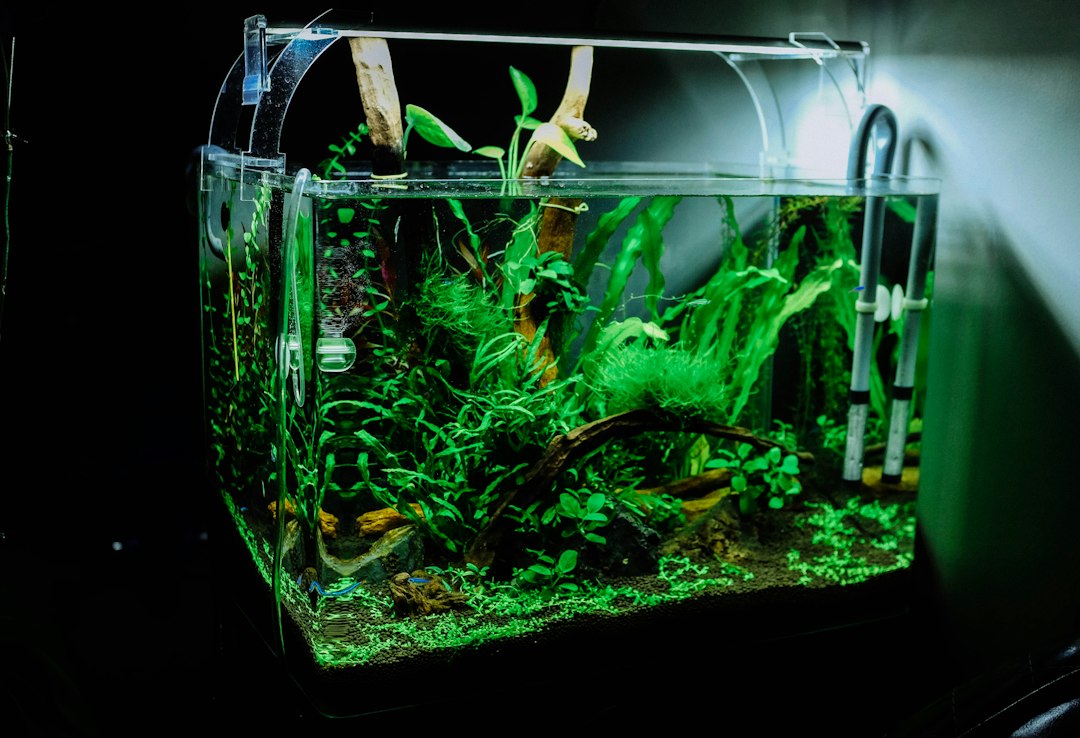
An aquarium-related moving inventory should distinguish the prepared equipment, its stand, accessory groups, and any specialist responsibility for live animals. For a local Nashville request, describe the actual empty-equipment transportation scope before asking JM Moving to review it. Record model information, available dimensions, preparation status, and the access route through both properties. This guide does not provide animal-care, water-system, electrical, or technical disconnection instructions, and it does not promise transportation of live animals or a particular equipment condition.
Separate the equipment request from live-animal arrangements
State which empty prepared equipment the household wants assessed for transportation. Keep live animals and specialist-dependent arrangements outside ordinary assumptions about the household load. Ask the actual provider which services and accepted-item instructions apply, and arrange appropriate qualified assistance for responsibilities that are not part of the moving scope.

Do not describe an occupied aquarium and its prepared equipment as the same transportation request. The preparation status matters to the assessment. Record who confirms that status and which decisions remain pending. A clear inventory can identify a dependency without teaching how to relocate animals, alter water conditions, or disconnect unfamiliar systems. The household should not infer specialist animal services from a general moving article.
Identify tanks and stands as distinct items
Record the actual tank make or model where known and provide available outside dimensions. State the source of specifications and mark unconfirmed information honestly. Give the stand a separate furniture identifier with its own dimensions and visible components where practical. The tank and stand may be related, but their preparation and access questions are not automatically identical.
Take accessible overall photographs showing the equipment’s current location and condition. Do not move dense or fragile equipment merely to obtain a better view. If an edge, model label, or component cannot be inspected appropriately, state the missing information and ask about another assessment arrangement. Avoid guessing weight, material, or handling equipment from a photograph.
List accessory groups with their associated equipment
Identify known lights, covers, filters, hoses, cables, instructions, and other relevant accessories as factual groups. State which equipment each group belongs to and whether it is prepared in a separate container under the agreed arrangement. Keep an accessory carton connected to the tank identifier rather than an ambiguous miscellaneous label.
Do not detach or modify unfamiliar components based on the inventory list. Use the information appropriate to the actual equipment and a qualified responsible contact where technical preparation is needed. Mark unknown component descriptions pending instead of choosing a similar product name. The record should preserve the relationship between items without specifying how to prepare every aquarium system.
Record preparation status and responsible contacts
Ask which tasks must be complete before the provider can assess or transport the requested empty equipment. Keep the responsible household or qualified contact and the actual task status together. A photograph showing an organized setup does not establish that preparation has been completed or that equipment is ready for handling.
Transportation and restoring an aquarium setup are separate responsibilities. Discuss what the provider’s written scope includes and what remains with the household or qualified specialist. If preparation is still pending, tell the move contact before treating the date or service arrangement as confirmed. This guide does not certify equipment, instruct electrical work, or guarantee any operating or animal-care outcome.
Document visible equipment condition factually
Take accessible overall and relevant detail photographs for visible concerns. Describe observations by location, such as a visible mark on one side, without guessing cause or diagnosing technical performance. Connect each note to the equipment identifier and the photograph that shows it. Keep unrelated personal records and private information outside the frame where practical.
Ask about the provider’s agreed condition documentation and concern process. An inventory photo supports communication, but it does not test water-system integrity, certify electrical condition, establish value, or decide a formal claims outcome. Keep technical assessment with an appropriate qualified contact for the actual equipment. The moving record should describe what is observed and what remains unconfirmed.
Review pickup and delivery access independently
Show the accessible path from the equipment location toward the proposed exit, including relevant openings, turns, stairs, and exterior approach. Provide known measurements and state their limits. Do not assume a single doorway view explains the entire route or that a tank’s apparent dimensions settle handling questions.
At the Nashville destination, identify the intended location and prepare a separate access record. A stand leaving a ground-floor room may be intended for a different approach after the move. Tell the move contact about that difference before assuming the earlier assessment applies. Discuss the actual placement scope and any specialist setup dependency rather than treating room placement as a promise to restore a functioning aquarium.
Use a practical Nashville empty-equipment example
A household initially lists aquarium equipment. A clearer record identifies a tank and stand separately, associates several accessory groups with the tank, and records preparation assigned to the appropriate responsible contact. It states that the moving request concerns the prepared empty equipment, while live-animal arrangements are handled separately under an appropriate plan.
Accessible photographs show the equipment’s current room and route, while the destination record identifies another room and an unconfirmed opening. The household asks JM Moving which further assessment and accepted-item instructions apply. The record becomes useful because it distinguishes equipment identity, preparation status, accessories, access, and separate specialist responsibilities without inventing a handling technique or promising technical setup.
Keep the final record aligned with the requested scope
If equipment configuration, accessories, preparation status, or intended destination changes, state the update explicitly. Retain the item identifiers and mark older photographs or specifications superseded where needed. Ask whether the revision affects the provider’s assessment, written scope, or proposed arrangement. An unanswered request should not be treated as confirmation.
Before pickup, compare the current inventory with the actual prepared groups and agreed responsibilities. At delivery, use the tank, stand, and accessory identifiers for placement questions and specific follow-up concerns. Keep technical setup and animal-care responsibilities with the appropriate contacts. A clear equipment record supports checking and communication without replacing the agreement or establishing an operating result.
Example empty-equipment review record
Use these categories to distinguish equipment and specialist-dependent responsibilities. Replace them with actual facts; the table does not confirm acceptance or provide technical preparation instructions.
| Record | Information | Question to resolve |
|---|---|---|
| Tank identity | Known model, specification source and available outside dimensions | What remains unconfirmed? |
| Stand | Separate furniture identifier and visible components | Which preparation tasks are included? |
| Accessories | Known equipment relationship and container identifiers | How should the requested group be prepared? |
| Preparation | Responsible contact and actual task status | Which dependencies remain pending? |
| Destination | Independent room access and setup responsibility | What placement scope is proposed? |
Ten aquarium equipment inventory tips
- Define the equipment scope. State which prepared empty equipment is requested for transportation rather than assuming an occupied setup joins the load.
- Separate animal arrangements. Keep live-animal responsibilities with an appropriate plan and qualified contact instead of inferring a specialist service from moving.
- Identify tank and stand. Use distinct item identifiers with actual model information and available dimensions where known.
- List associated accessories. Connect known covers, lights, filters, hoses, cables, and instructions to the correct equipment record.
- Avoid unfamiliar technical work. Use appropriate instructions and qualified responsibility for preparation rather than detaching components from an inventory guide.
- Record actual task status. State what preparation is complete, who confirms it, and which dependencies remain pending.
- Photograph visible condition. Use factual location-based observations without certifying technical performance or guessing cause.
- Show accessible route facts. Identify relevant room openings, turns, stairs, and exterior approach while marking missing measurements.
- Check delivery independently. Provide the intended destination and separate access information, including specialist setup responsibilities.
- Report changes clearly. Update configuration, accessories, preparation, or placement before treating the proposed scope as settled.
Use a readiness record instead of a vague aquarium label
The stock photograph above shows an established aquarium before preparation; it is not an example of equipment ready to load. A moving record should make that difference equally clear. Identify the tank, stand and accessory groups separately, then give each a factual preparation status supplied by the responsible person. Avoid a single ready tick that could be mistaken for confirmation of every technical and animal-care dependency.
For example, a household record might say stand inventory complete, tank preparation pending, accessory group identified and specialist animal arrangements separate. Those are sample status categories, not instructions for carrying out the work. Once the responsible contact confirms preparation, date the change and ask the moving team whether any further assessment is needed before transport is agreed.
Questions for the equipment handoff
- Which empty prepared items are actually requested for transport?
- Who confirms the preparation status of each item?
- Which accessories belong to each tank and how many containers are there?
- What destination access facts remain unavailable?
- Which technical setup and animal-care responsibilities remain outside the moving scope?

Match documentation to the actual equipment
Keep manufacturer information accessible to the technical owner. Aqueon’s instructions and setup resources, for example, distinguish aquariums, stands, filters, lighting and other equipment. That distinction is useful when collecting the correct documents for an inventory review. It does not establish that another model has identical instructions or that the household should perform unfamiliar work.
If a filter, light or other part cannot be confidently associated with the equipment, list it as unresolved rather than guessing from its appearance. Record the model source privately and ask the qualified owner to confirm the relationship. Never conceal unfinished preparation behind a neat accessory-carton label or assume the mover has accepted a technical dependency because it appears in a photograph.
At the destination, use item identifiers for placement and container reconciliation. The appropriate specialist remains responsible for evaluating the setup and any live-animal plan. Delivery of an empty item does not establish that a system is ready to fill, connect or operate; those decisions require the relevant instructions and qualified review.

Frequently asked questions
Does this guide promise live-animal transportation?
No. State the actual equipment request and arrange appropriate specialist or household responsibilities separately.
Should the stand have its own inventory entry?
Yes. The stand and tank can involve distinct dimensions, preparation, and access questions.
Can I guess specifications from a similar tank?
Use the actual model where known and mark uncertain details rather than assuming identical specifications.
Are hoses and accessories automatically included?
List the requested groups and connect them to the equipment identifier so acceptance and preparation can be discussed.
Who handles technical preparation?
Confirm the responsible household or qualified contact and use information appropriate to the actual equipment.
Can photographs certify operating condition?
No. Keep technical testing and performance questions with an appropriate qualified contact.
Should pickup and delivery routes both be reviewed?
Provide independent access facts and highlight any unconfirmed destination opening or placement condition.
Does delivery include restoring the aquarium?
Do not assume it does. Discuss transportation, placement, specialist setup, and animal-care responsibilities separately.
What if preparation is incomplete?
Report the actual status and ask which arrangement is available before confirming the moving request.
Where can I request the review?
Contact JM Moving with equipment identifiers, accessories, preparation status, accessible photographs, and local Nashville addresses.
Request a Nashville equipment scope review
Use your room inventory, clarify the preparation scope, and collect accessible equipment photographs. Contact JM Moving with your Nashville request: (615) 710-9990.
