
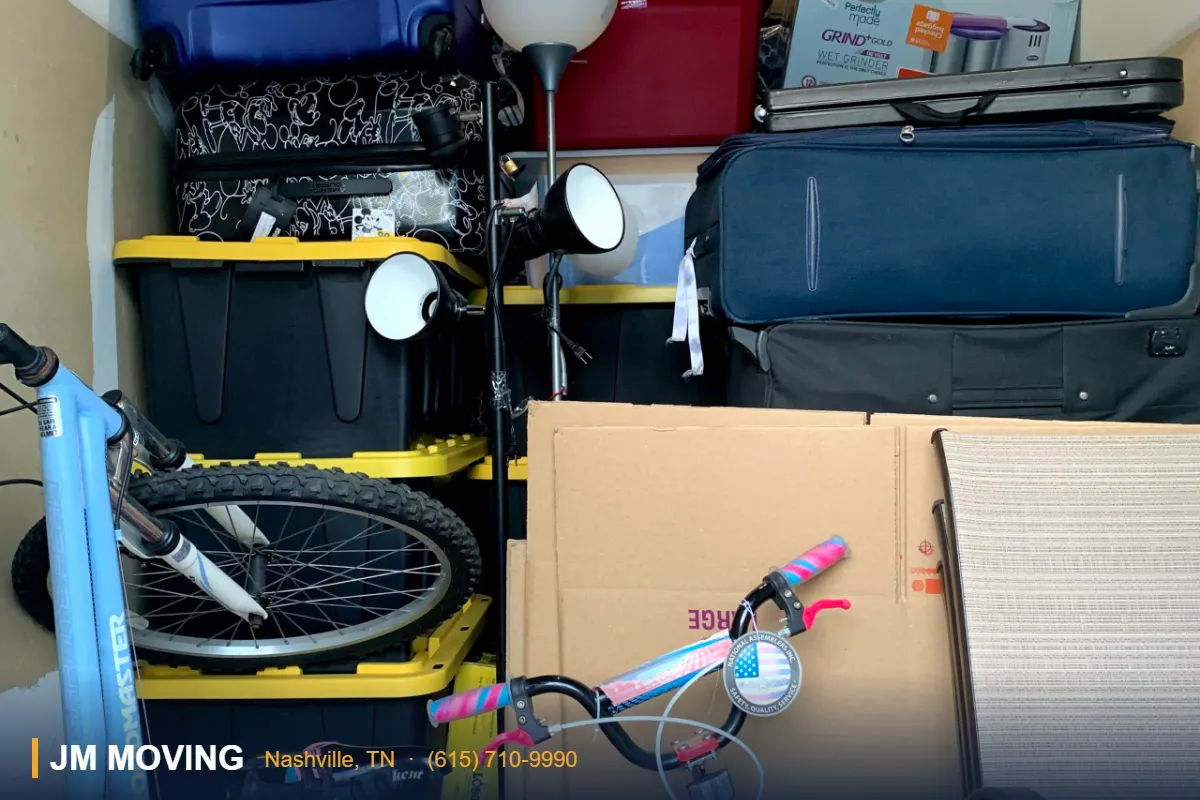
Introduction to Nashville Moving: Art Studio Supply Inventory
Relocating an art studio requires an entirely different level of precision than moving a standard residential home or a conventional office space. For professional creators, painters, sculptors, and multimedia artists based in Tennessee, managing a transition within the local region involves tracking an immense variety of delicate, expensive, and specialized materials. Whether you are moving from a creative loft in Germantown to a larger workspace in Wedgewood-Houston, a current Nashville art studio supply inventory helps the coordinator review the actual contents, preparation and requested physical service.
An art studio is not merely a collection of furniture and decor; it is an active ecosystem of tools, raw substrates, unfinished canvases, reference libraries, and specialized mediums. When undertaking a single local Nashville move, overlooking a single box of archival pigments, custom stretcher bars, or precision carving tools can cause significant workflow disruptions once you reopen your doors. Furthermore, art supply owner decisions heavily dictate how packers and movers approach your inventory. The owner should identify supplies and disclose relevant labels or safety information to the coordinator. Acceptance and preparation for products, equipment and artwork must be confirmed for the actual service; this guide does not establish transport permissions or disposal rules.

This comprehensive guide explores the structural framework required to build an airtight studio material moving list, maintain immaculate artwork condition records, make informed art supply owner decisions, and implement clear studio carton destination labels. By following these practical, detailed strategies tailored specifically for a Nashville artist moving preparation process, you create a practical record of accepted items and unresolved tasks. No inventory method guarantees condition, immediate studio readiness or acceptance of every material. As you plan your upcoming local transition, remember that clarity and meticulous record-keeping are your best defense against packing errors and misplaced inventory.

1. Establishing the Scope of Your Nashville Art Studio Supply Inventory
The foundation of any successful studio relocation begins long before the first cardboard box is taped shut. When you set out to create your Nashville art studio supply inventory, you need a systematic method for cataloging every category of physical asset inside your workspace. Unlike traditional household inventories that group items by broad categories like kitchenware or linens, an art inventory requires granular detail. You must account for consumables, durable tools, safety gear, reference materials, and finished or in-progress works of art.
Begin by dividing your studio space into functional zones. Walk through your printmaking station, your canvas storage racks, your wet media mixing tables, and your digital editing desk separately. For each zone, list the physical items present, noting their manufacturer, replacement value, quantity, and current condition. This initial sweep prevents high-value specialty items—such as Japanese hog-bristle brushes, precision etching needles, or rare mineral pigments—from getting lost in generic miscellaneous boxes. A well-structured inventory serves as your master checklist on moving day, allowing you and your moving crew to verify that every box loaded into the truck corresponds directly to a checked item on your master spreadsheet.
2. Developing a Comprehensive Studio Material Moving List
Once you have mapped out the zones of your studio, the next step is compiling a definitive studio material moving list. This document acts as an itemized ledger of everything physical required to keep your creative practice running. In a professional art studio, materials range from heavy structural elements to microscopic detailing components, each requiring distinct packing considerations.
Your moving list should separate items into distinct operational classes: heavy furniture and storage units, large equipment (such as kilns, etching presses, or heavy easels), raw substrates (un-stretched canvas rolls, raw wood panels, clay bodies), and consumable mediums. By categorizing your materials, you make it significantly easier to determine which items require specialized handling and which can be packed into standard corrugated cartons. Furthermore, a detailed list helps you evaluate whether your new Nashville studio space can physically accommodate every piece of equipment you currently own, preventing frustrating space constraints upon arrival.
3. Maintaining Accurate Artwork Condition Records
Transporting original artwork requires more than just bubble wrap and cardboard; it demands rigorous documentation. Before any finished piece, sculpture, or delicate mixed-media creation is packed for your local Nashville move, you must create thorough artwork condition records. These records document accessible visible observations and known history. They do not establish every concealed condition or determine a claim outcome.
To create a reliable condition record, photograph each artwork from multiple angles under bright, even lighting. Capture any existing craquelure, minor surface dust, framing imperfections, or delicate impasto textures that might be vulnerable to vibration or temperature shifts during transport. Write a brief descriptive summary noting the medium, dimensions, frame condition, and any specific hanging or handling sensitivities. Keep these digital or printed records in an easily accessible folder rather than sealing them inside the moving boxes. If any questions arise during unpacking at your destination, you will have relevant records of what was observed, while preserving the limits of the inspection.
4. Making Informed Art Supply Owner Decisions
One of the most challenging aspects of relocating an art studio is confronting the sheer volume of accumulated materials. Every artist knows the temptation of holding onto half-used tubes of paint, odd scraps of framing wood, and experimental mediums “just in case.” However, a local move is the ideal time to make decisive art supply owner decisions regarding what makes the cut and what stays behind.
Review every container of medium, jar of pigment, and box of charcoal with a critical eye. Review your intended use, the existing product labels and any known condition concerns without opening, testing, mixing or attempting to assess chemical stability yourself. Tell the coordinator about solvents, thinners, compressed gases or other product categories and ask what is accepted. Use applicable manufacturer safety information and appropriate qualified guidance for handling, transport or disposal questions. Record accepted supplies separately from excluded or unresolved products. Do not assume that moving an excluded product personally is permitted or appropriate; obtain the relevant guidance for that actual material and destination.
5. Designing Effective Studio Carton Destination Labels
An organized inventory is only as effective as the labeling system attached to your physical boxes. When you arrive at your new Nashville studio location, the last thing you want is to hunt through twenty identical brown boxes looking for a specific set of carving chisels or your primary acrylic mixing palette. A readable studio carton destination label system helps the receiving contact associate accepted groups with the current layout.
Design a labeling convention that includes three key pieces of information: the broad studio zone (e.g., Printmaking, Wet Media, Office), the specific contents category (e.g., Relief Inks, Hardbound Journals), and an inventory number that corresponds directly to your master spreadsheet. Use bold, waterproof markers and apply labels to at least two adjacent sides of every box so they remain visible even when stacked tightly inside a moving truck or storage unit. Clear destination labeling empowers your moving crew to place every carton directly into its intended functional area, drastically accelerating your studio setup time.
6. Preparing for Your Single Local Nashville Move
A single local Nashville move comes with its own unique logistical considerations. Moving within the same metropolitan area—whether navigating the bustling streets of East Nashville, the historic corridors of Germantown, or the commercial districts of the Nations—means managing local traffic patterns, parking restrictions, and building loading dock schedules.
Preparation is the key to executing a seamless local transition. Coordinate with your building management at both your departure and arrival locations well in advance to reserve freight elevators or loading zones. Keep the provider’s accepted appointment separate from the property’s access confirmation. Identify delicate works and personal exclusions explicitly, and ask whether any requested handling sequence can be accommodated. Do not assume a local move takes one day or that a preferred loading order overrides the actual handling assessment. Personal custody of an item requires its own appropriate preparation and transport plan.
7. Understanding Mover Policies and Restricted Supply Handling
When hiring professional movers for your art studio relocation, it is essential to review and understand actual mover policy guidelines regarding what can and cannot be loaded onto the transport vehicle. Provide the actual product information and request the company’s acceptance decision. Applicable requirements can depend on the material and arrangement, so a general studio article should not be treated as legal, chemical-safety or transport authorization.
Keep unresolved products out of assumptions about the accepted shipment. Do not load, mix, decant, discard or personally transport a material simply because it was excluded from an ordinary moving request. Consult the product’s applicable safety information and the appropriate qualified provider or local authority about the actual handling, transport or disposal question. Record the responsible person and current response before treating the issue as resolved.
8. Organizing Fragile Substrates, Framing Materials, and Glass
Art studios are filled with rigid, fragile, and awkward items that defy standard packing methods. Glass panels, custom picture frames, oversized mat boards, and delicate ceramic greenware require specialized protection to survive transit. Proper preparation of these substrates prevents costly breakage and protects your active inventory.
Ask an appropriate art handler or conservator about protection for the actual medium, support and condition. A material appropriate for one framed print may be unsuitable for exposed paint, fragile ornamentation or another work. Do not roll, flatten, apply contact wrapping or change an artwork’s orientation from a generic packing recipe. Record the accepted preparation and enclosure dimensions so the moving coordinator can assess the actual protected object and route.
9. Managing Studio Tool and Equipment Protection
Beyond consumable supplies and finished artwork, your studio likely houses valuable tools and equipment—from heavy-duty drying racks and pottery wheels to light tables and digital workstations. While professional movers can transport sturdy furniture and properly prepped equipment, delicate mechanical and electrical components require careful handling by the owner or qualified specialists.
Follow the actual equipment manufacturer’s instructions and use an appropriate qualified person for technical preparation. Do not open housings, detach unfamiliar parts or apply tape to moving components from this general checklist. Identify accepted accessories and keep their references connected to the equipment without assuming similar connectors are interchangeable. Delivery and physical placement do not establish electrical readiness or completed technical setup.
10. Setting Up Your New Nashville Studio Space Efficiently
The final phase of your art studio relocation is the unboxing and setup process in your new Nashville workspace. Having invested time in creating a meticulous inventory, a detailed material list, and clear destination labels, you have a practical starting point for receiving accepted groups and identifying the setup still required.
Begin by directing your moving team to place boxes into their designated zones according to your labeling system. Discuss receiving priorities and the actual placement or unpacking scope with the coordinator. The handling team should assess the sequence for the accepted inventory, while equipment commissioning, material-safety decisions and artwork installation remain with the appropriate responsible people. Record what is received, unopened or awaiting another task rather than treating every delivered group as ready for use. For further guidance on organizing shared creative spaces and managing item ownership during a move, explore our detailed resource on Nashville moving shared workspace item ownership.
Separate studio inventory from unresolved preparation
Use a studio material moving list with three visible states: accepted and prepared, accepted with a task still pending, and not yet accepted. Keep finished artwork, ordinary supplies, equipment and labeled products in distinct groups. A carton number should not conceal a material question or imply that every item inside has been approved for transport.
At delivery, reconcile actual package references and record intentionally unopened groups. A studio carton destination label directs placement; it does not establish that equipment is commissioned, products are suitable for use or artwork is installed. Keep the appropriate specialist and owner responsibilities attached to each unfinished task. Call JM Moving at (615) 710-9990 to discuss the actual inventory and requested packing scope.


Frequently Asked Questions About Nashville Art Studio Supply Inventory
1. What is the first step in creating an art studio inventory for a move?
The first step is dividing your studio into functional zones—such as wet media, printmaking, framing, and office space—and cataloging every item within those zones by category, condition, and replacement value.
2. Can professional movers transport turpentine and chemical solvents?
Disclose the actual products and ask the company what it accepts. Do not assume excluded chemicals can be transported personally; obtain appropriate material-specific handling, transport or disposal guidance.
3. How should I record the condition of my finished artwork before moving?
Photograph each piece from multiple angles under bright lighting, noting existing surface imperfections, framing details, and medium specifications in a written condition log kept in an accessible folder.
4. What is the best way to label boxes for an art studio move?
Use a multi-part labeling system that includes the studio zone, the contents category, and a unique inventory number corresponding to your master spreadsheet, applied to at least two sides of every carton.
5. How do I decide which art supplies to leave behind?
Decide what you want to retain while following applicable product information and appropriate guidance. Do not assess chemical stability, mix products or improvise disposal from a moving checklist.
6. Are there special considerations for a single local Nashville move?
Confirm the actual property’s access and the provider’s accepted appointment independently. A local address pair does not establish a one-day duration or universal loading rule.
7. How should I pack oversized glass and framing materials?
Have the appropriate handler assess the actual artwork or material, its condition and suitable protection. Do not apply a universal wrapping or orientation rule to every piece.
8. Who is responsible for disconnecting and preparing studio equipment?
The owner or a qualified professional should handle technical preparation, disconnection, and securing of sensitive studio machinery following manufacturer guidelines before the moving crew arrives.
9. Where can I find more information on managing shared studio item ownership?
You can read our comprehensive guide on Nashville moving shared workspace item ownership for strategies on handling multi-artist environments.
10. What should be unloaded first at the new studio?
Discuss practical priorities with the coordinator and let the handling team assess the accepted sequence. Keep technical setup, artwork installation and product readiness separately assigned.
Ready to Relocate Your Nashville Art Studio?
Get in touch with JM Moving to plan your local studio transition with confidence.
