
After-Hours Office Movers Nashville: Business Guide
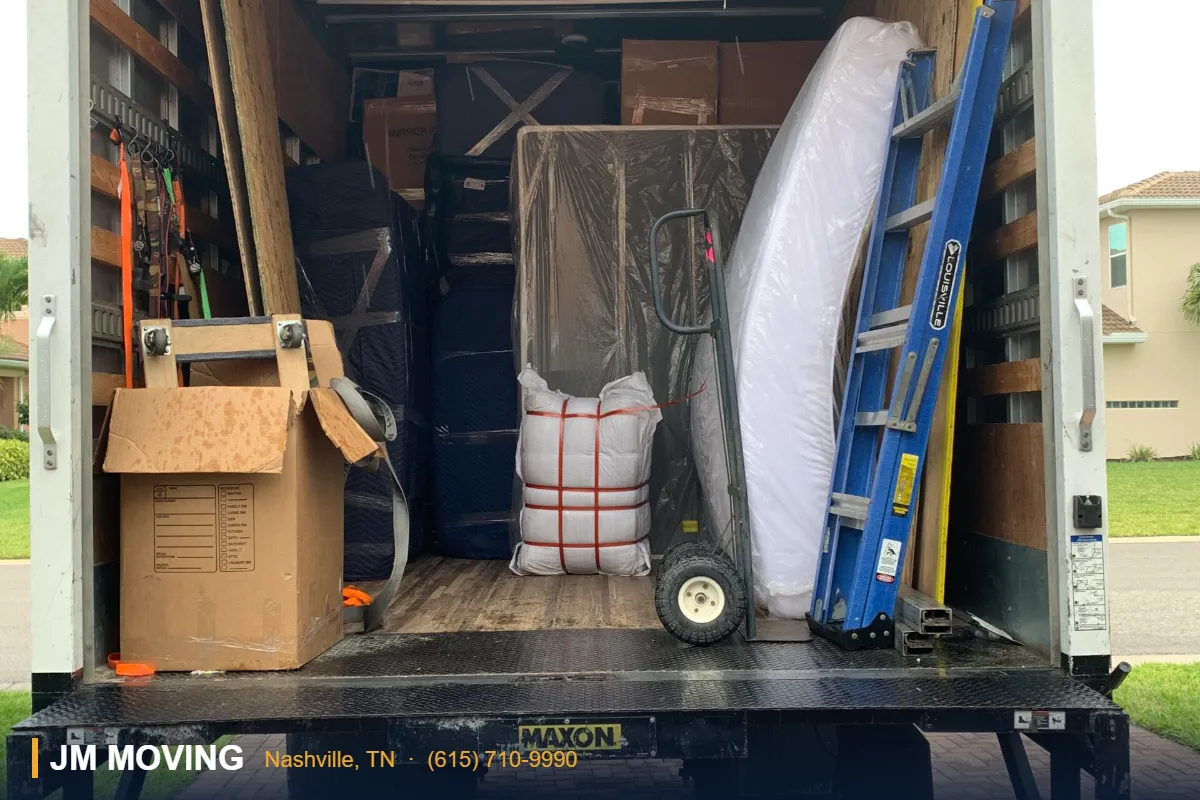
An after-hours office move can help a Nashville business coordinate relocation work outside its regular customer-facing period, when scheduling and building rules allow. Success depends on detailed inventory, confirmed access, a destination map, authorized decision-makers, data protection, and a plan for resuming operations. For business relocation planning, review our commercial movers Nashville guide.
JM Moving supports commercial and office moving needs with flat-rate positioning based on the locations, equipment, furniture, access, timing, and requested services. After-hours availability and scope must be confirmed for the specific move. See how our Nashville commercial movers plan office moves around your business hours.
Why businesses consider after-hours moving
An after-hours office move may reduce activity in customer areas or allow work within building-approved periods. It does not eliminate the need for coordination. The business, property managers, security contacts, and moving team should work from the same confirmed schedule.

Availability varies, and an after-hours request should be made early. Confirm elevators, loading docks, parking, lighting, security procedures, and authorized contacts. Do not assume public hours are the same as approved moving hours.
After-Hours Office Move Planning Matrix
| Planning area | Confirm in writing |
|---|---|
| Access | Building hours, keys, loading zone, elevators and security contact |
| Technology | Authorized shutdown, cable labels, transport order and restart plan |
| Furniture | Inventory, disassembly, destination zones and placement |
| Schedule | Closing time, crew arrival, completion window and reopening priorities |
Create an Office Relocation Map
Assign each workstation, department, conference room, storage area, and shared space a destination code. Apply the code to boxes, chairs, furniture, and equipment. Give the moving coordinator and destination contact the same map.
Identify priority systems and equipment that should be available first. Photograph cable connections, label hardware and cords, and follow the organization’s data-security rules. Sensitive records and employee property should follow internal policies.
Plan for business continuity
Decide when operations will pause, which functions must remain available, and how employees, customers, and vendors will be informed. Back up data and protect essential credentials before equipment is disconnected.
The Ready.gov business preparedness resources can help organizations consider continuity and disruption. Moving logistics should fit the company’s broader operating plan.

Build a useful moving inventory
Walk through every room, closet, garage, patio, attic, and storage area. List furniture, appliances, estimated box counts, outdoor belongings, exercise equipment, and anything unusually heavy or delicate. Identify pieces that may need disassembly and include belongings at additional pickup points.
Review the list shortly before moving day. Report belongings that were added, removed, donated, sold, or placed in storage. Photos can explain size and access, but they should supplement rather than replace a complete inventory.
Document access at both locations
Record stairs, elevators, narrow halls, gated entrances, loading docks, long walks from parking, restricted move hours, and curb limitations. Measure oversized furniture against doors, stairwells, and elevator openings at pickup and delivery.
Apartment, condo, and office customers should ask management about elevator reservations, loading zones, move hours, security procedures, and required documents. Share gate codes, property contacts, and parking instructions before service begins.
Pack for protection and organized delivery
Use sturdy cartons that close and stack. Place heavier belongings in smaller boxes and lighter items in larger boxes. Cushion fragile pieces, fill empty spaces, and reinforce box bottoms when necessary. Label the top and at least one side with the destination room and a brief description.
Photograph electronics before disconnecting cables and place cords, remotes, and hardware in labeled bags. Keep identification, medication, keys, legal documents, valuables, chargers, toiletries, and immediate-use clothing with you.
Complete a controlled after-hours handoff
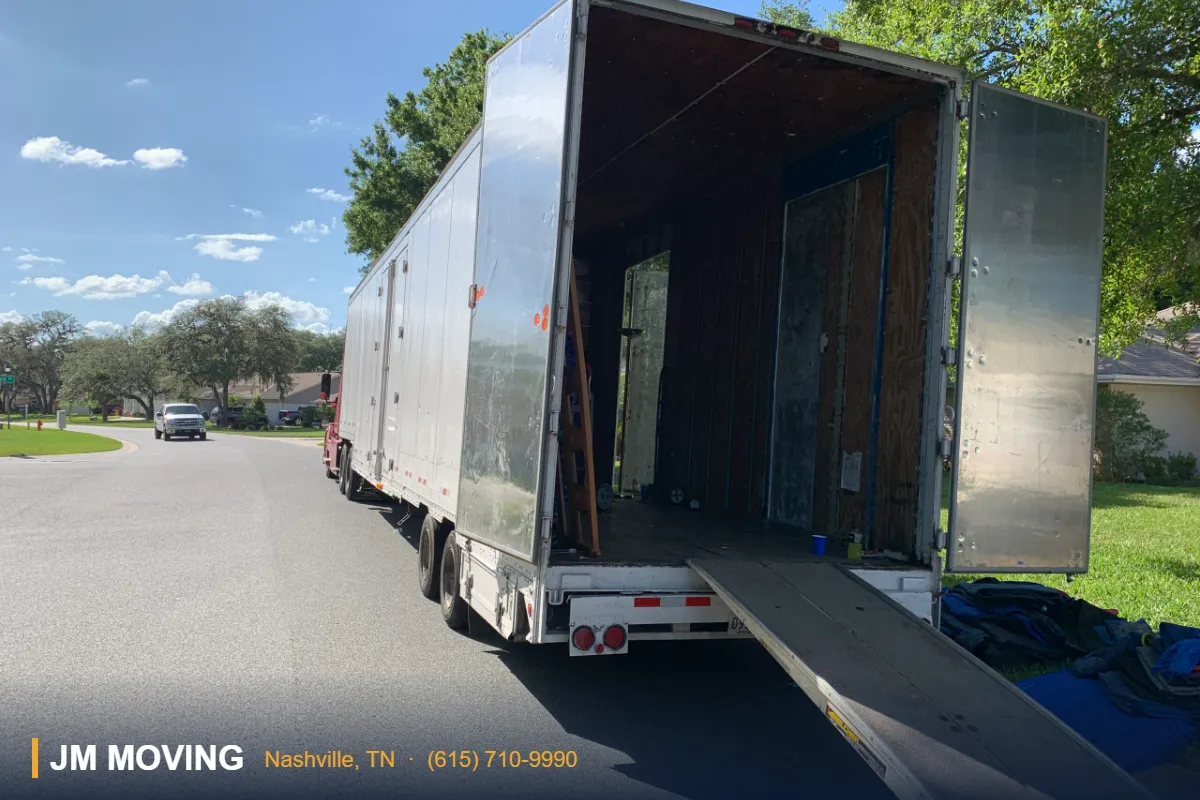
Choose one authorized decision-maker and a backup. Conduct a pickup walkthrough, confirm items that are staying, review security and access, and remain reachable. At the destination, use the floor plan and placement codes.
Before the scheduled period ends, verify priority equipment, check work areas, collect keys or badges as required, and record open issues. Communicate the next operating status to employees and stakeholders.
Manage moving-day communication
Be present when the moving team arrives or appoint an authorized contact who can make decisions. Complete a walkthrough, identify belongings that are staying, point out fragile pieces, and review access. Keep walkways clear and remain reachable.
At delivery, direct furniture placement before boxes fill the rooms. Route labeled cartons to the correct areas, locate priority belongings, check the moving area at completion, and raise questions while details are fresh.
Use a clear JM Moving plan
JM Moving reports more than 18 years of moving experience and five-star service. Its flat-rate positioning is intended to help customers understand the planned scope. The plan should reflect the actual inventory, locations, access, distance, date, and requested services.
Customers can visit the JM Moving Nashville homepage and review the moving services. Complete information and prompt updates help everyone work from the same plan.
After-Hours Office Move Checklist
- Confirm the approved moving window with both property managers.
- Reserve elevators, docks, loading areas, parking, and security access.
- Label departments, workstations, furniture, boxes, and priority equipment by destination zone.
- Back up data and assign IT shutdown, transport, reconnection, and testing responsibilities.
- Name one authorized decision-maker and one backup contact.
- Verify the destination floor plan and the order for priority work areas.
- Communicate operating changes and reopening instructions to employees and vendors.
Complete a final preparation review
Several days before service, compare the current inventory with the written moving plan. Confirm every pickup and delivery location, the service date, access instructions, requested packing work, special items, and additional stops. Make sure the responsible contact at each property knows the schedule and can answer questions. If anything has changed, report it before moving day so the scope can be reviewed while there is still time to adjust the plan.
Finish customer-packed cartons by the agreed time and separate belongings that should not be moved. Create a clearly marked essentials area for identification, medication, documents, keys, valuables, chargers, toiletries, work necessities, and immediate-use clothing. Confirm arrangements for children and pets, clear active walkways, and keep elevators or loading areas available during the approved period.
Organize the first day after delivery
At the destination, place major furniture before boxes fill the rooms. Direct labeled cartons to their intended areas and locate priority belongings before opening nonessential packages. Set up beds, medication, bathroom basics, essential work equipment, and simple kitchen supplies first. An orderly first-day sequence helps the household or business become functional without creating new clutter.
Check the moving area and property at completion, then record any questions while details are fresh. Keep a short follow-up list for utilities, address changes, returned keys, building requirements, or remaining deliveries. This final review connects moving-day work with a controlled transition into the new space.
Frequently Asked Questions
What are after-hours office movers?
After-hours office moving is scheduled outside a business’s regular operating period when availability and building rules allow. The exact timing and scope must be confirmed.
Why might a business schedule an after-hours move?
A business may want to limit disruption during customer-facing hours, coordinate restricted building access, or prepare workstations before the next operating period.
What information is needed for an office plan?
Share both addresses, preferred timing, inventory, loading docks, elevators, parking, security rules, restricted hours, special equipment, and requested services.
How should workstations be labeled?
Use a destination map and label each workstation, carton, chair, and equipment group by department, employee, room, or placement code.
What should happen to business data?
Back up important data before disconnecting equipment and follow the organization’s security and records-handling policies.
Can packing support be requested?
Yes. Explain which offices, departments, files, common areas, or equipment need packing or unpacking support.
Who should make decisions during the move?
Assign one authorized coordinator and a backup who understand the plan, priorities, building rules, and destination layout.
How should a business prepare for disruption?
Create a continuity plan, communicate operating changes, protect essential systems, and prioritize equipment needed to resume work.
What changes should be reported?
Report timing, inventory, access, security, address, equipment, or requested-service changes before the scheduled move.
Where can businesses find preparedness guidance?
Ready.gov publishes business preparedness and continuity resources that can help organizations plan for operational disruptions.
Plan an after-hours Nashville office move
Share both locations, preferred timing, inventory, building rules, loading access, security requirements, and requested services so JM Moving can review the office-moving scope.
Request a free moving quote or review JM Moving services.
How an After-Hours Office Move Runs
An after-hours office move is planned so staff leave on Friday, or at the end of a workday, and return to a working office. The crew arrives when the building’s move window opens, protects common areas, then moves furniture, files and equipment by floor plan. JM Moving operates 24 hours a day, 7 days a week, so overnight and weekend schedules are standard for us.
Before the move. Each employee packs their own desk contents into labeled boxes, and each piece of furniture and equipment gets a label matching a location on the new floor plan. IT staff disconnect computers and network equipment.
During the move. Lobbies, elevators and hallways are protected with runners, pads and corner guards. Furniture is wrapped and moved in a planned order, with workstations and conference rooms set up in the sequence the business needs them.
After the move. Desks and furniture are placed by the floor plan, boxes are delivered to the right desks, and IT reconnects systems before staff arrive.
Building Requirements
Office buildings in downtown, Midtown and the West End corridor typically require certificates of insurance, reserved freight elevators and loading-dock times. Request the requirements from both buildings early.
Rates
Hourly rates are $250 per hour for two movers and a truck and $350 per hour for three movers and a truck, with no after-hours surcharge on local moves. Larger offices are often quoted at a flat rate. Call (615) 710-9990.
After-Hours Office Move Checklist
- Set the move window with both buildings and get their insurance requirements.
- Prepare a labeled floor plan of the new office.
- Have employees pack and label their own desks.
- Schedule IT disconnection and reconnection.
- Assign a staff member to be on site to answer questions during the move.
- Plan file and records security for sensitive documents.
Moving only part of an office, such as one department or a storage room, is also possible after hours.
Medical offices, law firms and financial offices with confidential records can keep files sealed and supervised throughout an after-hours move.
Request an After-Hours Office Moving Quote
Share both addresses, business inventory, building access, approved service hours, equipment needs, and reopening priorities with JM Moving. Call (615) 710-9990 or use the online moving quote form to request a written plan.
After-Hours Office Movers Nashville: Guide — 10 Planning Tips
- Assign a relocation decision-maker and backup contact.
- Create a department-by-department inventory.
- Label furniture, boxes, equipment, and workstations by destination.
- Confirm loading docks, elevators, security, and building hours.
- Identify sensitive records and equipment that require special handling.
- Schedule packing and moving around business-critical operations.
- Keep employee personal items and confidential materials separated.
- Confirm destination floor plans and furniture placement.
- Report scope or access changes before moving day.
- Review the written commercial moving plan with all responsible parties.
Plan your Nashville move with JM Moving: call (615) 710-9990, review local moving services, or request a written quote.
Related JM Moving guides: Nashville Moving: Office Nameplate and Sign Sorting