Items Movers Won’t Transport Nashville
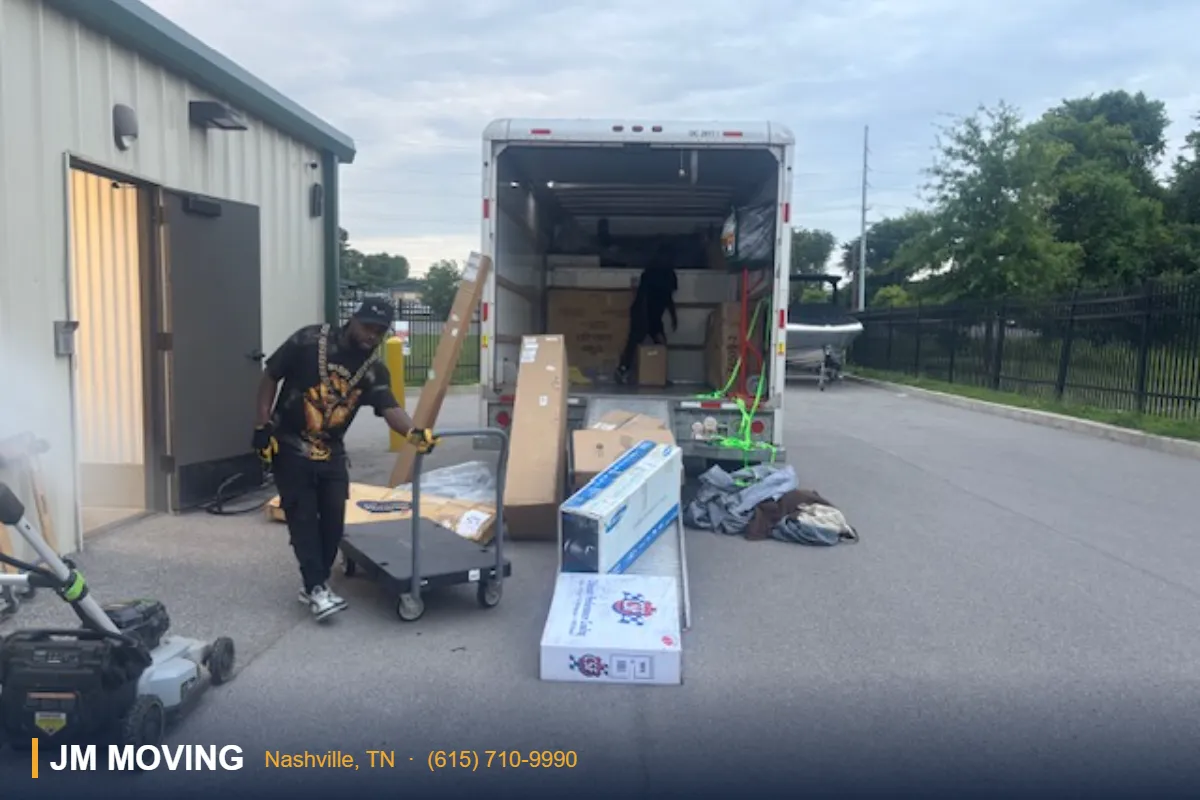
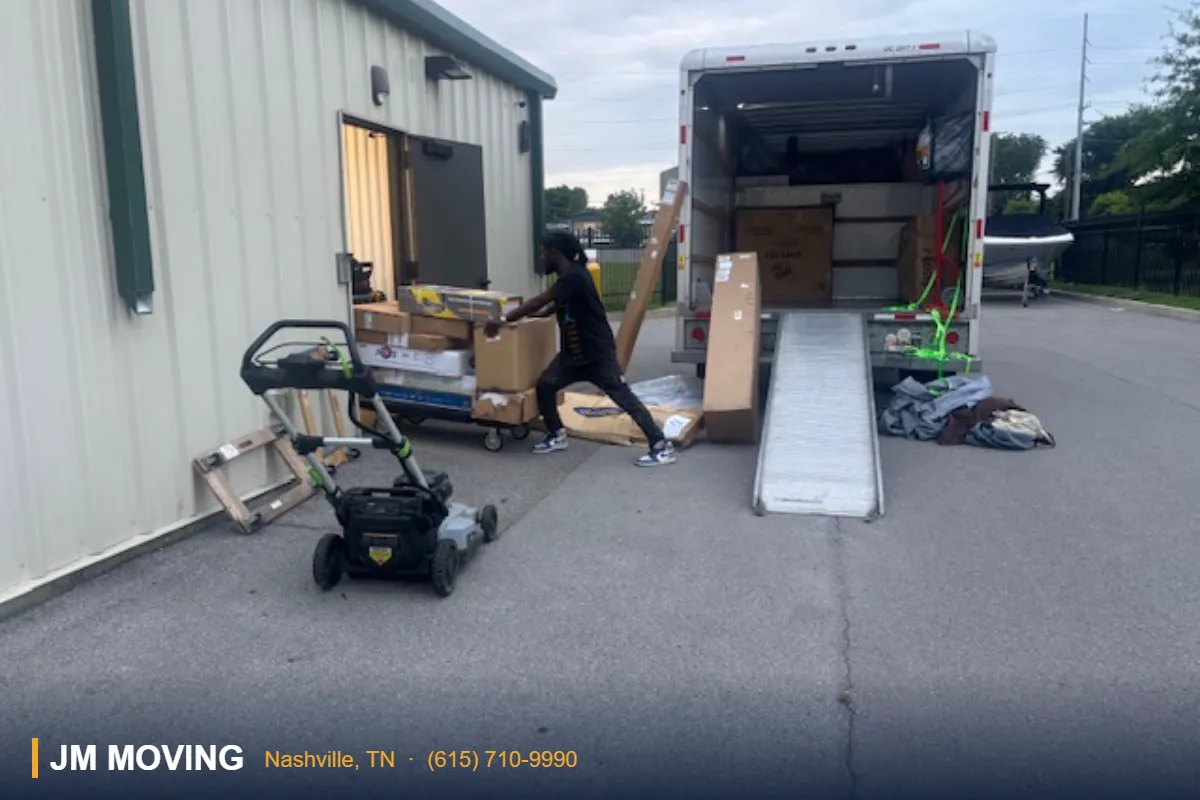
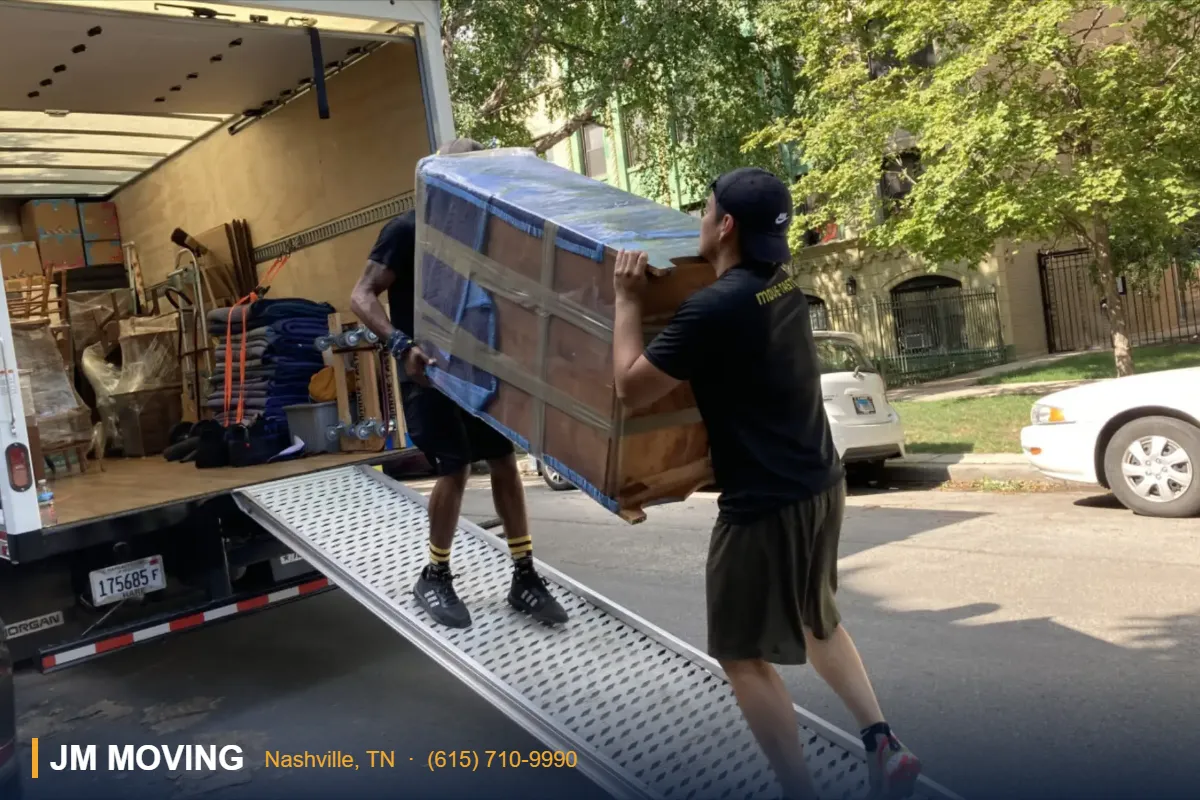
Items movers won’t transport Nashville customers should identify before packing generally fall into three groups: materials that create a fire, explosion, leak, contamination, or health risk; living or perishable items that are unsuitable for a moving truck; and personal essentials that should remain under the customer’s control. The exact non-allowable list depends on the mover, route, equipment, written agreement, and current law, so confirm questionable items directly before moving day. For a broader citywide service overview, review our Nashville movers guide.
This page is a planning guide, not a complete statement of JM Moving policy and not legal, hazardous-materials, firearms, environmental, or medical advice. Never hide a questionable product inside a sealed box. Keep it in its original labeled container, do not mix substances, and follow manufacturer instructions and current government disposal guidance.
Restricted Moving Items Checklist
| Category | Common examples to flag | Planning action |
|---|---|---|
| Fuels and flammables | Gasoline, lighter fluid, fuel blends, some solvents | Do not pack; follow the product label and approved disposal guidance |
| Compressed or pressurized products | Propane cylinders, some aerosols, certain extinguishers | Ask about the exact container; arrange an approved alternative |
| Reactive or corrosive chemicals | Pool chemicals, acids, strong cleaners, pesticides | Keep separated and use an authorized disposal or handling route |
| Explosive materials | Fireworks, gunpowder, ammunition | Do not place in household boxes; seek current official guidance |
| Perishables | Frozen food, refrigerated food, open containers | Use, donate, discard properly, or move separately when safe |
| Living things | Pets and, depending on route or policy, plants | Arrange appropriate personal or specialist transportation |
| Personal essentials | Medication, identification, keys, cash, irreplaceable records | Keep accessible and under your direct control |
Why Moving Trucks Exclude Certain Materials
Prohibited items for movers are not excluded merely because they are inconvenient. A household-goods vehicle can experience heat, vibration, pressure changes, shifting loads, and long periods without direct access to an individual carton. A leaking solvent, open fuel container, reactive chemical, or pressurized cylinder can threaten people, property, and the entire shipment.
Labels such as flammable, combustible, corrosive, oxidizer, poison, explosive, or compressed gas are strong signals to stop and ask. A container’s small size does not automatically make it acceptable. Neither does an “empty” appearance: residue or vapor may remain. Do not remove labels, transfer chemicals to drink bottles, or combine products to save space.
Fuels, Propane, Paint Products, and Solvents
Gasoline, diesel fuel, lighter fluid, camping fuel, kerosene, and similar products should not be packed in ordinary household cartons. Lawn equipment, generators, and powered tools may require advance preparation under the manufacturer’s instructions and the mover’s policy. Do not drain fuel into the ground, a storm drain, household trash, or an unapproved container.
Propane cylinders and other pressurized containers require special attention even when they appear empty. Paint, stain, varnish, thinner, adhesives, and solvents vary by formulation; the label and safety information matter. Treat them as non-allowable moving items until the specific product is reviewed and accepted in writing.
Cleaning Products, Pool Chemicals, and Lawn Materials
Households often discover questionable items under sinks, in laundry rooms, beside pools, or in garages. Bleach, ammonia products, acids, drain openers, pesticides, herbicides, fertilizers, pool chemicals, and automotive fluids may be corrosive, reactive, toxic, flammable, or environmentally harmful. Never mix products; combinations can release dangerous gases or create heat and pressure.
The Tennessee Department of Environment and Conservation maintains a current Household Hazardous Waste Program, including information for Davidson County residents. Check current eligibility, accepted items, container requirements, facility details, and hours before traveling. Business-generated waste may follow different rules from household waste.
Aerosols, Batteries, and Electronics
Aerosol products vary widely. Some contain flammable propellants or pressurized contents, while others may be accepted under a specific policy. Do not assume that hairspray, cooking spray, spray paint, cleaners, or automotive aerosols can be boxed together. Ask about the exact product and condition.
Battery rules also depend on battery type, device, condition, quantity, and route. Loose lithium batteries, damaged or swollen batteries, vehicle batteries, and large battery systems require special care. Do not tape over a damaged battery, puncture it, or place it in ordinary trash without current official guidance. Back up important electronic data and keep needed chargers accessible.
Fireworks, Ammunition, Firearms, and Other Regulated Items
Do not put fireworks, gunpowder, ammunition, or explosive materials in a household-goods carton. Firearms, safes, ammunition, and related equipment can be subject to different laws and company policies based on the item, owner, origin, destination, and route. This page does not tell a customer how to transport or dispose of them.
Ask JM Moving about company policy before scheduling, and consult the appropriate government authority or qualified specialist for lawful handling. Do not assume that removing ammunition makes every firearm or safe acceptable. Do not rely on advice copied from another state or another moving company.
Food, Plants, and Other Living Things
Frozen, refrigerated, opened, leaking, or easily spoiled foods are generally poor candidates for an enclosed moving truck. Work down the refrigerator and freezer before moving day. Donate suitable unopened food through an organization that confirms it can accept the items. Use coolers only for products you can transport lawfully and keep at a safe temperature.
Pets should never be placed in ordinary moving cargo. Arrange safe transportation with their records, food, water, medication, restraint equipment, and comfort items accessible. Plant acceptance can depend on distance, temperature, delivery timing, pest restrictions, and destination rules. Confirm both mover policy and agricultural restrictions before an interstate trip.
Medication, Valuables, and Important Records
Some belongings may not be legally prohibited, yet they should not disappear into the general shipment. Keep medication, medical instructions, identification, passports, keys, payment methods, cash, jewelry, small irreplaceable keepsakes, moving documents, and immediate travel essentials with you. Maintain required temperatures for medication and consult a pharmacist or medical professional when needed.
Protect private information. Do not label a box “cash,” “jewelry,” or “financial records.” Back up critical data and carry necessary devices securely. An essentials bag should cover the travel period and a reasonable delay at the destination.
Room-by-Room Sweep Before Moving Day
Set a timer for ten minutes and inspect every area where chemicals, fuels, food, valuables, or regulated products may be stored. Keep a marker and a separate “do not load” area available.
Ten-Minute Restricted-Item Sweep
- Kitchen: Check under the sink, pantry, refrigerator, freezer, and utility drawers.
- Bathroom: Separate medication, aerosols, strong cleaners, and leaking products.
- Laundry area: Review bleach, stain removers, and chemical treatments.
- Garage or shed: Look for fuel, propane, paint, solvents, pesticides, fertilizer, oil, batteries, and ammunition.
- Home office: Set aside identification, financial records, data backups, and sensitive devices.
- Patio or pool area: Review grill cylinders, fire products, pool chemicals, and garden treatments.
Before the Crew Arrives
- Move every declined or uncertain item away from the loading path.
- Place medication, valuables, documents, keys, and pet supplies in a clearly designated personal area.
- Confirm written answers for any unusual item.
- Tell the move-day contact where the personal and restricted-item zones are located.
Complete this sweep before the crew arrives. The JM Moving Nashville moving-day checklist can help organize the rest of the preparation timeline.
How to Ask About a Questionable Item
When an item is uncertain, provide the product name, manufacturer, container size, quantity, condition, label warnings, and a clear photograph when requested. For equipment, state whether it contains fuel, oil, a battery, compressed gas, or another removable component. Ask for the answer in writing and keep it with the move records.
A broad question such as “Can you move garage stuff?” is less useful than a specific inventory. Company policy may be narrower than what the law permits, and a lawful item is not automatically suitable for every truck or service. Review the JM Moving packing guide before sealing boxes.
Local and Long-Distance Moves Can Differ
Distance does not make hazardous material safe. However, route, delivery timing, state lines, temperature, and written carrier rules may change what can be accepted. Customers planning within the area can review local moving services in Nashville. Customers crossing longer distances can review long-distance moving information and the federal FMCSA Protect Your Move resources.
This what not to pack for movers guide is a screening tool, not final authorization. The written answer for the exact item and move controls the planning decision.
What to Do With Items the Mover Declines
- Keep the item in its original labeled container when safe.
- Read the manufacturer’s handling and disposal instructions.
- Check current Tennessee and Davidson County household hazardous-waste guidance.
- Contact the appropriate authority for explosives, ammunition, unknown chemicals, or other regulated materials.
- Use, donate, recycle, return, or dispose of an item only through an appropriate lawful program.
- Never abandon products, mix chemicals, or place hazardous material in ordinary trash or drains without authorization.
Items Movers Won’t Transport Nashville FAQs
Can movers transport gasoline?
Do not pack gasoline or similar fuel in household boxes. Follow the product label and current local disposal guidance, and prepare fuel-powered equipment under manufacturer and mover instructions.
Can a propane tank go in the moving truck?
Treat propane cylinders as restricted unless the mover gives a specific written answer. An apparently empty cylinder can still contain residue or vapor.
Are household cleaners allowed?
It depends on the product and policy. Flag corrosive, flammable, reactive, leaking, or unlabeled cleaners and confirm each questionable item before packing.
Can movers take aerosol cans?
Aerosols vary by contents and propellant. Do not assume they are accepted; provide the exact product information and ask before sealing the carton.
What should I do with fireworks or ammunition?
Do not place them in household moving boxes. Contact the appropriate authority or qualified specialist for current lawful handling or disposal guidance.
Can pets ride in the moving truck?
Pets should not travel as ordinary moving cargo. Arrange appropriate transportation and keep food, water, medication, records, and restraints accessible.
Can houseplants be moved?
Acceptance can depend on route, temperature, timing, mover policy, and agricultural restrictions. Confirm the specific plant and destination in advance.
Should medication be packed with household goods?
Keep medication accessible and under your control, including any temperature-management or dosing information needed during travel.
What if I already sealed a questionable item in a box?
Tell the mover before loading and safely identify the carton. Do not conceal the item or reopen a leaking, unstable, or hazardous container without appropriate guidance.
How do I confirm JM Moving’s current non-allowable list?
Use the contact channel for your move or visit the official JM Moving website. Provide exact product and container details rather than relying on a general category.
Items Movers Won’t Transport Nashville: Final Checklist
Use this restricted moving items checklist several days before the move, then repeat it on moving morning. Ask about uncertain products early, keep written answers, and remove declined items from the loading area. For a future move, provide JM Moving with an accurate inventory and request a written scope; for a safety question, identify the exact item before asking for a price.
For a new moving estimate, request a written JM Moving quote or call (615) 710-9990. For an existing move, use the contact instructions in your move documents.
Items Movers Won’t Transport Nashville — 10 Practical Planning Tips
- Ask the mover about prohibited items before packing day.
- Keep flammables, explosives, and hazardous chemicals out of the moving load.
- Do not pack leaking, open, or unstable containers.
- Separate medications, important documents, valuables, and irreplaceable items.
- Check rules for plants, food, and temperature-sensitive belongings.
- Dispose of prohibited materials according to local requirements.
- Tell the mover about unusual equipment or specialty items in advance.
- Review storage-unit or building restrictions when relevant.
- Create a separate do-not-load zone for items traveling with you.
- Confirm questions in writing before the crew arrives.
Need help planning your move? Call (615) 710-9990, review Nashville moving services, or request a written quote.
Related JM Moving guides: Nashville Packing: Pantry Contents and Excluded Items