
Movers With Storage Nashville | JM Moving
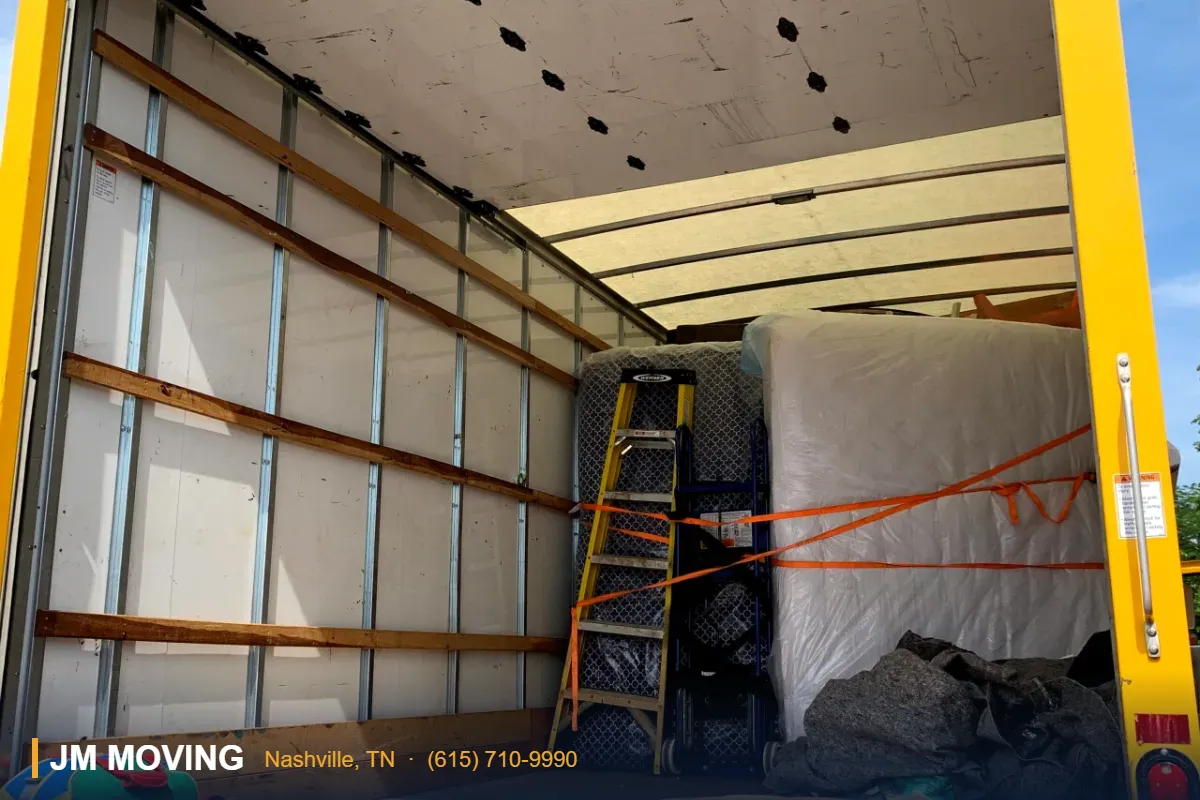
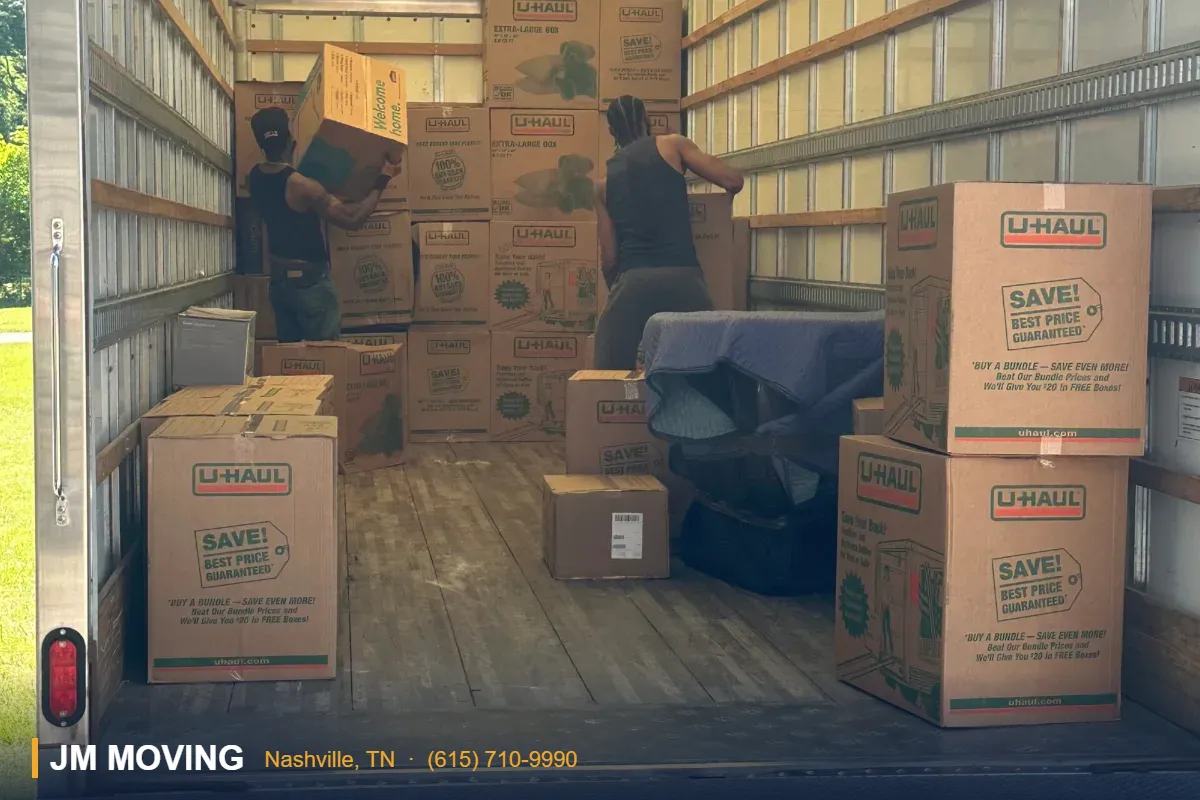
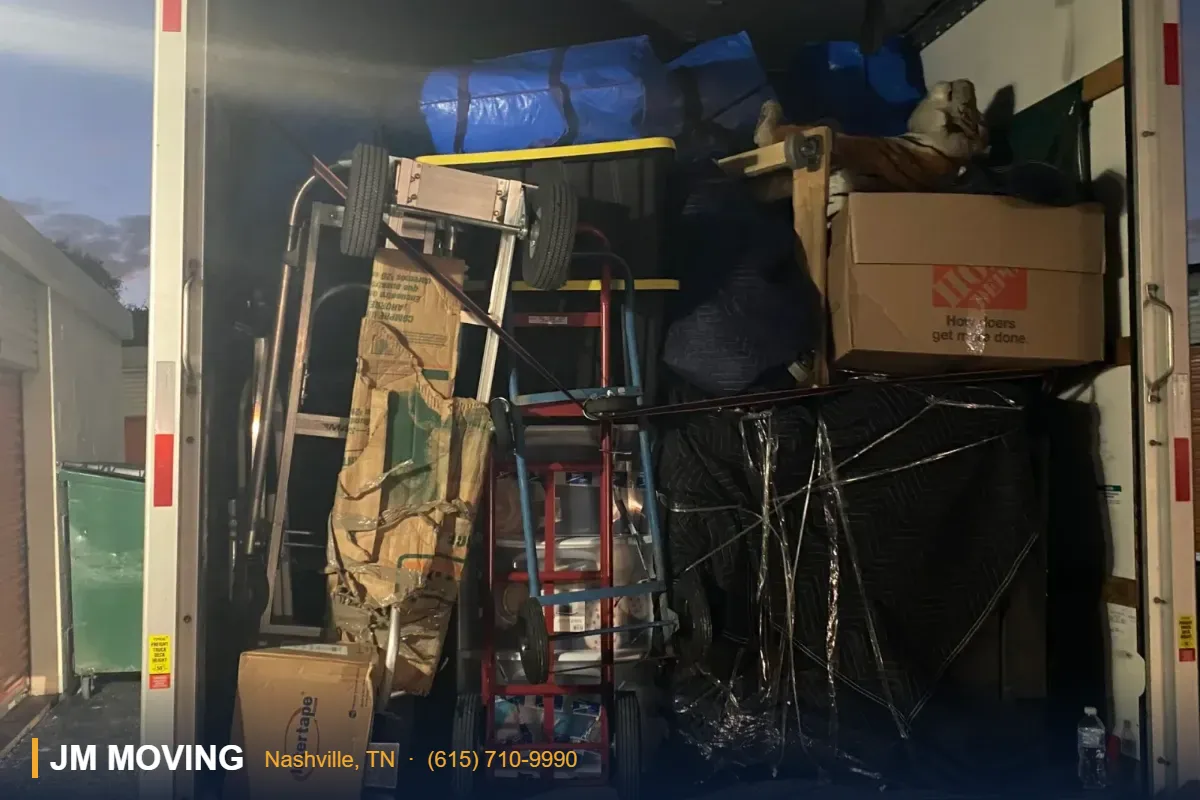
Movers with storage services can help when closing dates, leases, renovations, downsizing, travel, or delivery schedules do not line up. The moving plan and the storage agreement should still be understood as specific responsibilities: who transports the belongings, who provides the storage space, how items are prepared, when access is allowed, and how final delivery will be arranged. JM Moving can discuss moving, packing, loading, unloading, furniture, local, and long-distance needs connected to a Nashville storage plan. For a broader citywide service overview, review our Nashville movers guide.

Request a JM Moving quote or contact JM Moving to discuss the move.
Moving With Storage Planning Snapshot
| Planning item | What to confirm |
|---|---|
| Storage stage | Facility, unit access, dates, hours, and restrictions |
| Inventory | Furniture, boxes, appliances, fragile and specialty items |
| Handling | Packing, loading, unloading, and repeat handling needs |
| Final delivery | Destination date, access, room placement, and contact person |
Define the Storage Gap
Write down the pickup date, earliest storage entry, expected storage duration, access needs, and final-delivery window. Explain whether the dates are firm or depend on a closing, lease, construction milestone, or long-distance schedule. Identify items needed during the gap. A clear timeline helps determine whether a self-storage unit, portable container, or other separate storage arrangement suits the customer’s needs. Availability and responsibilities must be confirmed for the specific plan.
Choose a Storage Arrangement Carefully
For a self-storage facility, confirm unit dimensions, floor, elevator, gate instructions, permitted vehicle size, access hours, and prohibited items. For a portable container, confirm dimensions, legal placement, delivery and pickup dates, provider rules, and property permission. If another provider supplies storage, review that provider’s agreement directly. Do not assume the moving scope includes storage fees, insurance choices, climate features, or unrestricted access unless stated in writing.
Create an Inventory Before Loading
List belongings by room and number boxes if useful. Photograph major items and record serial numbers where appropriate. Note which belongings need to remain accessible and which may be loaded deeper in the unit. Remove items that are being donated, sold, or discarded before the final estimate. Share large, unusually heavy, delicate, or high-value pieces with JM Moving during planning. An inventory supports quoting, retrieval, final delivery, and condition records.
Pack for Storage, Not Just Transportation
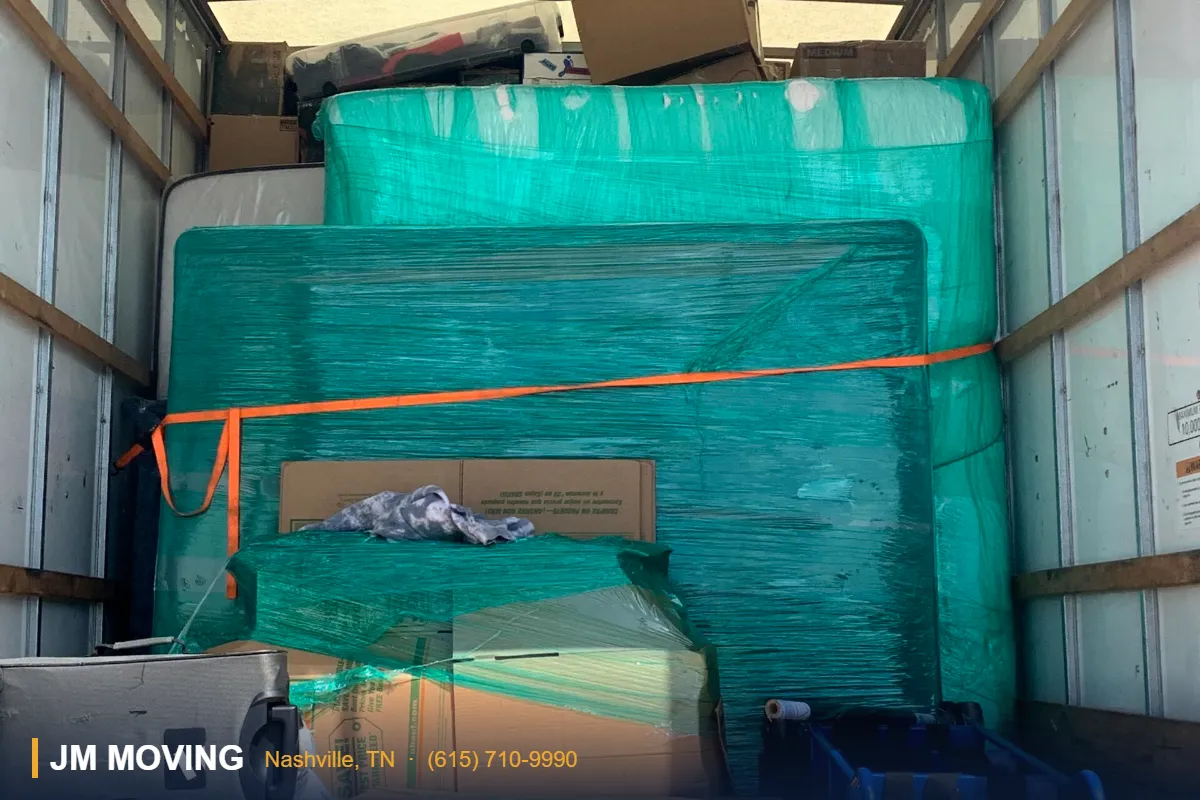
Belongings stored for weeks or months need clean, dry preparation. Use sturdy boxes, suitable cushioning, secure tape, and labels on more than one side. Avoid packing damp textiles, food that can spoil, leaking containers, hazardous materials, or items prohibited by the facility. Clean appliances and outdoor equipment. Keep hardware in labeled bags. Do not wrap moisture into furniture or place irreplaceable documents, medication, jewelry, or daily essentials in storage.
Plan the Unit Layout
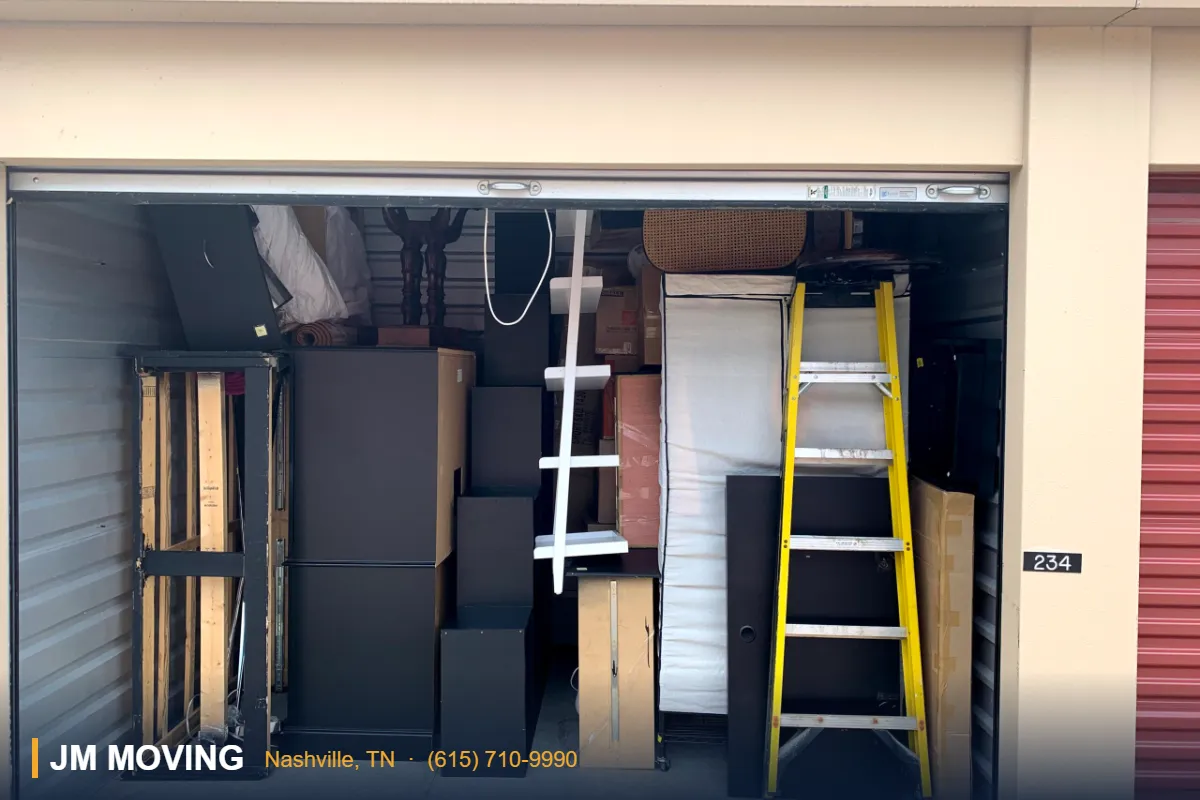
Place heavy, stable items low and protect fragile pieces from pressure. Keep pathways where appropriate and avoid unstable stacks. Put priority boxes and items needed during the storage period near the access point. Use shelving only if permitted and suitable for the load. Protect furniture surfaces and do not lean items in a way that may shift. Keep labels visible. The mover needs accurate information about stairs, elevators, carrying distance, and the unit’s access conditions.
Coordinate Pickup and Final Delivery
Treat final delivery as a planned move, not an automatic extension of pickup. Confirm the destination address, property type, date or date range, parking, gates, stairs, elevators, building rules, room labels, and furniture placement. Report changes to the stored inventory. Decide who will open the facility and who is authorized at the destination. If separate providers are involved, document each handoff and responsibility so timing assumptions do not create delays.
Understand Cost Factors
The moving portion may depend on inventory, weight, route, crew needs, access, packing, furniture preparation, specialty items, extra stops, and final-delivery conditions. Storage cost may depend on unit size, duration, provider fees, access, and optional protections. Compare complete written scopes rather than one headline price. JM Moving’s approved flat-rate positioning depends on reviewing the actual moving details. Storage-provider charges and terms should be reviewed with that provider.
Protect Essentials and Records
Keep identification, medication, keys, financial records, contracts, photographs, valuables, and immediate-use items with you. Retain the storage agreement, moving documents, inventory, access information, and important contacts. Do not share gate codes publicly. If someone else will access the unit, follow the provider’s authorization rules. Check the unit before leaving and again before final delivery, documenting concerns promptly through the appropriate provider process.
Preparation Checklist
- Confirm locations, date, route, and authorized contacts.
- Create a current room-by-room inventory.
- Record stairs, elevators, gates, parking, and carrying distance.
- Identify fragile, oversized, heavy, or priority items.
- Decide what to pack and what help to request.
- Keep personal essentials and important records with you.
- Reserve permitted loading areas or elevators.
- Review the written scope and payment terms.
- Report inventory or access changes promptly.
- Complete pickup and delivery walkthroughs.
Related JM Moving and Consumer Resources
Review JM Moving services in Nashville and packing services. Interstate customers can use FMCSA Protect Your Move guidance to learn about estimates, documents, mover research, and fraud prevention. JM Moving reports more than 18 years of moving experience and uses five-star service positioning; the specific written scope should still be reviewed for each move.
Related Moving and Storage Resources
Frequently Asked Questions
When should storage be planned?
Plan storage as soon as you know the pickup and destination dates do not line up or the destination cannot receive the shipment immediately.
What storage details should I provide?
Provide the facility address, unit number or size, access hours, gate or elevator details, expected storage period, and final delivery plan.
What should stay with me?
Keep identification, medication, keys, financial documents, valuables, chargers, and immediate-use essentials with you rather than placing them in storage.
What details should I provide for moving and storage in Nashville?
Provide both addresses, the requested dates, a room-by-room inventory, estimated box count, stairs, elevators, parking, gates, long carries, specialty items, and the packing, loading, transportation, unloading, or furniture help needed.
How early should I contact JM Moving?
Contact JM Moving when the date, locations, and approximate inventory are known. More notice allows time to confirm access rules, prepare belongings, review the written scope, and address changes. Availability must be confirmed for the requested date.
Does JM Moving provide local and long-distance moving?
Yes. JM Moving is a professional local and long-distance moving company serving Nashville. The appropriate plan depends on the route, inventory, property access, timing, and requested services.
How does flat-rate moving planning work?
JM Moving uses approved flat-rate positioning. A practical flat-rate plan requires accurate information about inventory, route, access, services, specialty items, and timing. Changes should be reported before moving day so the scope can be reviewed.
Can I request packing or unpacking help?
JM Moving commonly supports packing and unpacking needs. Confirm whether the request covers the full property, selected rooms, fragile items, materials, labeling, unpacking, or other tasks, and ask for the selected scope in writing.
What should I keep with me?
Keep identification, medication, keys, payment methods, important documents, jewelry, irreplaceable keepsakes, chargers, and immediate-use essentials with you. Ask about prohibited or restricted items before packing.
What access information matters for a quote?
Report stairs, elevators, loading docks, gated entry, parking limits, walking distance, service-hour restrictions, narrow halls, and property-management requirements at every location, including storage or extra stops.
What happens if my inventory changes?
Tell JM Moving as soon as possible. Added boxes, furniture, packing, stops, specialty items, or access complications can change the work. Early notice allows the written scope and plan to be reviewed before service.
Where can interstate customers find consumer guidance?
The Federal Motor Carrier Safety Administration’s Protect Your Move resources explain interstate estimates, documents, mover research, and fraud-prevention considerations. Customers should also review their own written moving documents carefully.
How do I request a quote from JM Moving?
Use the JM Moving quote form or contact page. Share the move details, inventory, access conditions, requested date, route, and services so the team can discuss an appropriate written scope.
Tennessee Humidity and Your Stored Belongings
Middle Tennessee summers are hot and humid, and a standard drive-up storage unit can get far warmer than the inside of your home. Some belongings handle that well. Others do not, and the damage often shows up only when the unit is opened months later.
Items that usually need climate-controlled storage
- Solid-wood and veneered furniture, which can swell, crack or lose its finish in heat and humidity.
- Leather sofas and chairs, which can dry out, crack or grow mildew.
- Pianos and other musical instruments, which are sensitive to both temperature and moisture.
- Photographs, documents, books and artwork on paper or canvas.
- Electronics, televisions and computers.
- Mattresses and upholstered pieces, which can absorb moisture and odors.
Items that usually do fine in a standard unit
Patio furniture, metal shelving, garden tools, plastic bins of seasonal decorations and most garage items generally tolerate a standard unit. If you are unsure, ask the storage facility about its temperature and humidity range and decide item by item.
How We Pack Differently for Storage
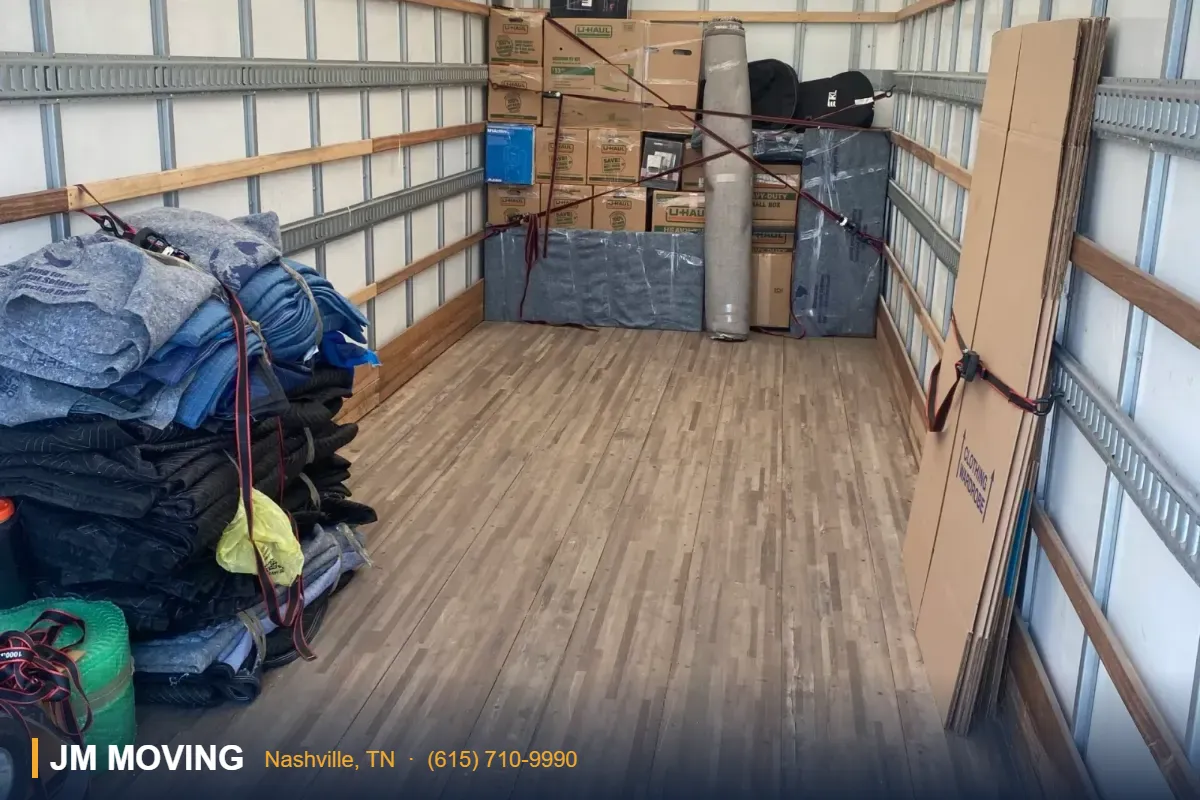
A box that only needs to survive a two-hour drive is packed differently from one that will sit in a stack for six months. For storage, we wrap wood furniture in breathable pads rather than sealing it tightly in plastic, which can trap moisture. Mattresses go into fitted mattress bags. Boxes are packed full so they do not crush under the weight of the box above, and heavy items go in small boxes so no carton is too heavy to stack safely. Every box is labeled on two sides with the room and a short description so you can find what you need without unstacking the unit.
Building a Map of the Unit
Before loading, decide what you might need before the final move. Seasonal clothes, tax records, tools and children’s school items should be placed near the door. Furniture goes against the back and sides, mattresses stand on edge, and a center aisle stays open when the unit is large enough. Take a photo of the loaded unit from the doorway and keep it on your phone, along with the inventory list, so you know what is where months from now.
Pricing for Moves With a Storage Stop
The moving portion is priced like any local job: $250 per hour for two movers and a truck or $350 per hour for three movers and a truck, or a flat rate quoted on a call. The storage unit itself is rented directly from the facility you choose, so you keep control of the space, the access hours and the bill.
How Long Do People Usually Store?
There is no right answer, but most of the storage moves we handle fall into a few patterns. A gap of a week or two between a closing and a move-in is the most common. Renovation storage usually runs one to three months. Families relocating for work sometimes store for several months while they rent short-term and look for a permanent home. The longer the storage period, the more it matters to choose climate control, pack carefully and keep a good inventory.
Things That Should Never Go Into a Storage Unit
- Food of any kind, including pet food, which attracts insects and rodents.
- Flammable or hazardous items: gasoline, propane, paint thinner, fireworks and cleaning chemicals.
- Live plants and anything living.
- Cash, jewelry, passports, birth certificates and other irreplaceable documents.
- Medications and anything you may need on short notice.
- Items that are wet or damp, which can grow mold and spread it to everything nearby.
Getting Something Out of Storage Before the Final Move
If you need a single item, such as a winter coat or a box of files, you can visit the unit yourself with your own key. If you need furniture moved to a temporary rental, we can pull those pieces and deliver them, then bring them back to the final home when the time comes. Because the unit was loaded according to a plan, the crew can find those items without unloading everything.
Protecting Furniture in Long-Term Storage
For storage longer than a few months, a little extra care pays off. Cover upholstered furniture with breathable cotton covers, not plastic. Leave a little space between furniture and the walls so air can move. Keep items off the concrete floor on pallets or furniture pads when possible. Visit the unit once in a while to check for leaks or pests, especially after heavy storms.
Request Your JM Moving Plan
Request a detailed quote or contact JM Moving. Provide the inventory, addresses, access conditions, requested date, and services needed.
Related JM Moving guides: Nashville Moving: Playroom Storage Bin Labels
