Moving and Storage Planning in Nashville
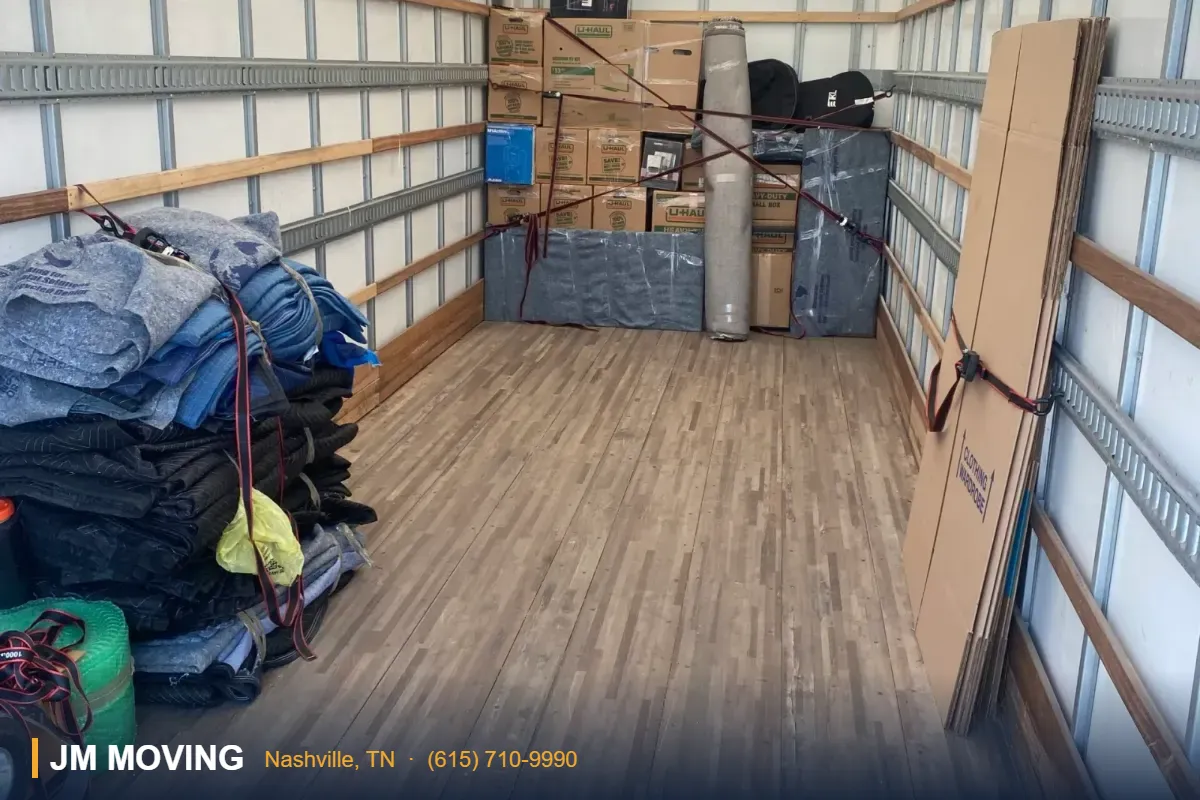
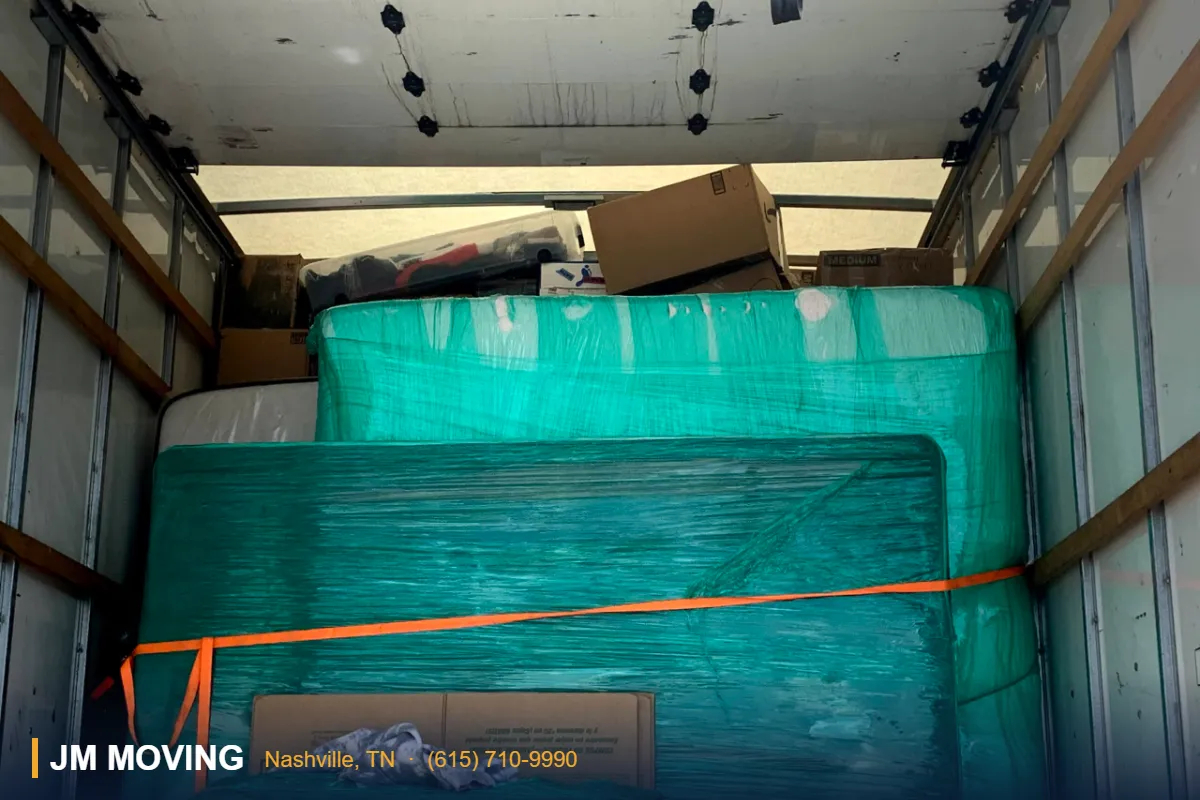
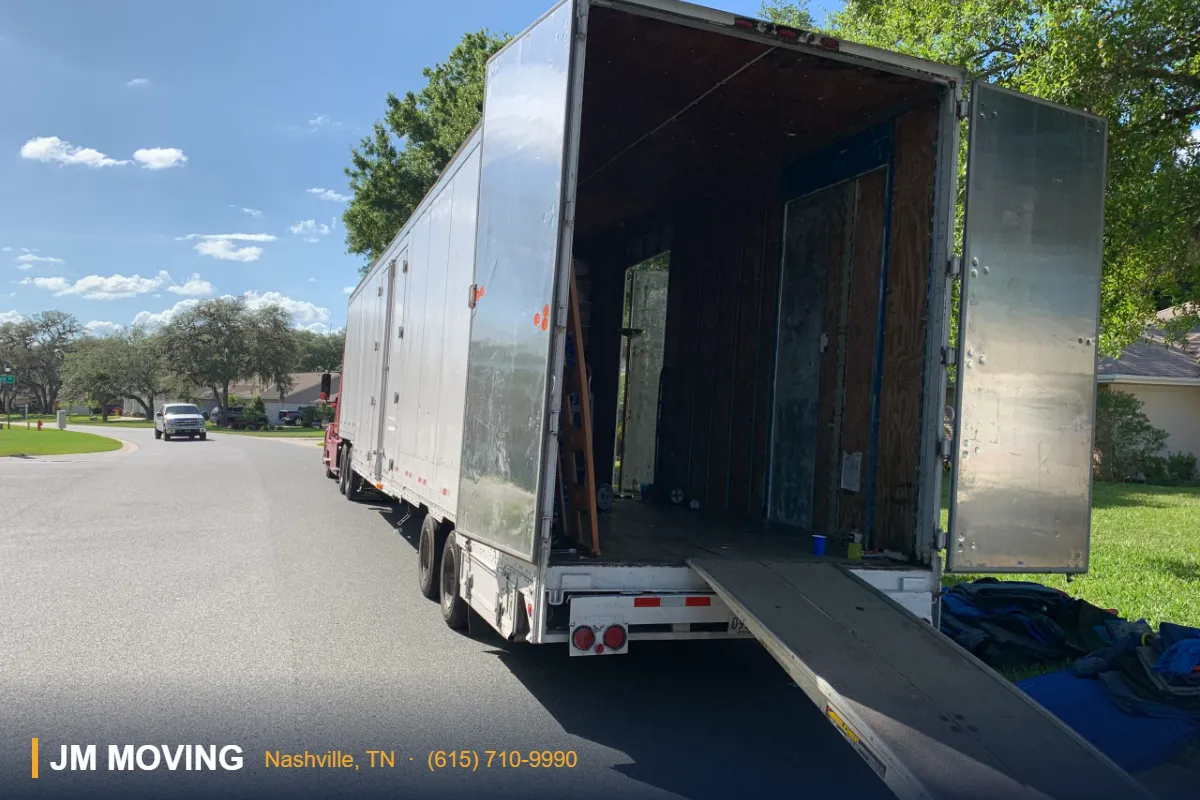
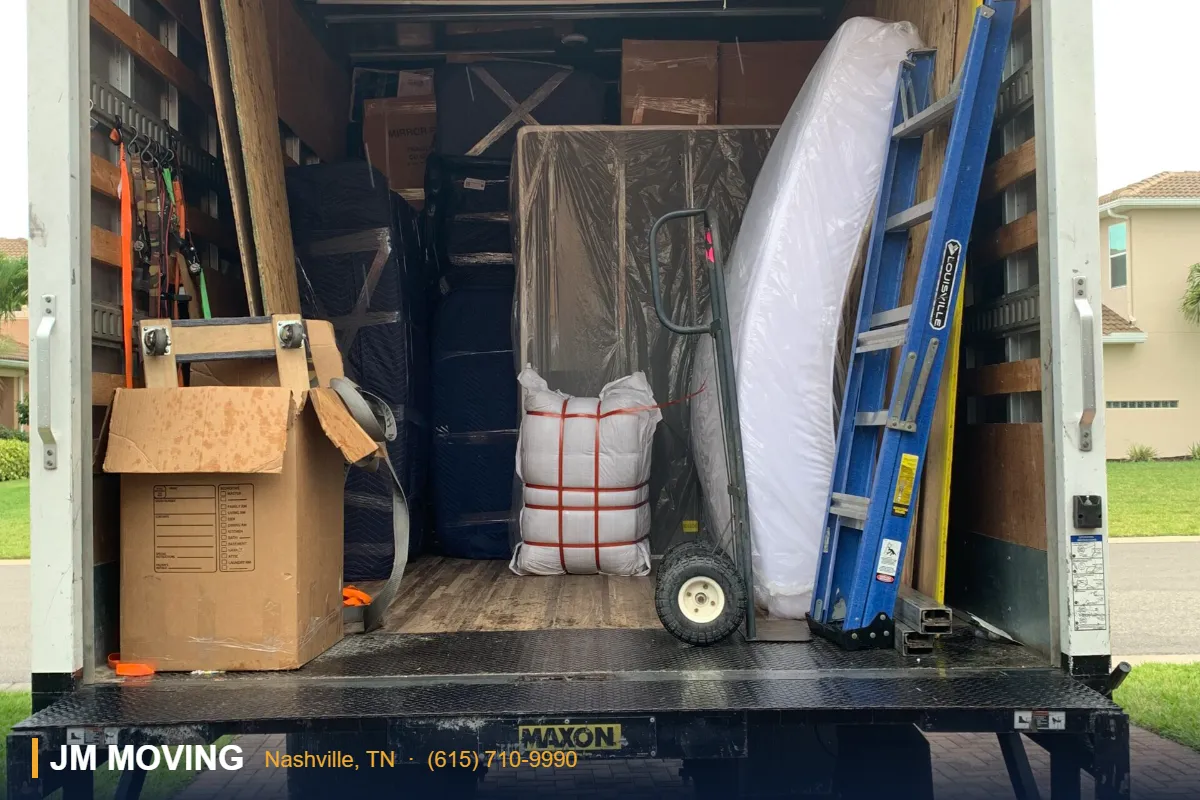
Moving and storage often overlap when closing dates, leases, renovations, travel, or business schedules do not line up. An organized plan separates what will move directly to the destination, what may need temporary storage, and what must remain accessible. JM Moving helps Nashville customers plan local and long-distance moving services around the inventory, locations, access, timing, and requested support. For a broader citywide service overview, review our Nashville movers guide.
Storage is not a substitute for sorting or accurate documentation. Customers should identify which belongings may be stored, how long access could be limited, which items need special protection, and who is responsible for each stage. This guide offers practical questions without assuming a specific facility, price, or storage arrangement.

Quick Moving-and-Storage Decision Checklist
- Separate direct-delivery, storage-bound, and personal-essential belongings.
- Record every pickup, storage, and delivery location in the written move plan.
- Confirm facility access hours, prohibited items, and scheduling requirements.
- Label stored boxes with room, box number, and general contents.
- Keep medication, identification, keys, documents, and valuables with you.
| Item group | Best preparation |
|---|---|
| Direct delivery | Label by destination room and priority. |
| Temporary storage | Number boxes and maintain an external inventory. |
| Personal essentials | Keep with you rather than on the moving truck. |
Decide why storage may be needed
Temporary storage may help when a destination is not ready, a renovation is unfinished, lease dates overlap, a household is downsizing, or a business is moving in stages. Define the reason and expected timeline before packing. The decision affects which belongings must remain accessible and which can be prepared for a longer period without handling.
Create three groups: direct delivery, storage, and personal essentials. Avoid mixing them in the same carton. If the storage timeline is uncertain, prioritize clear labels and an inventory that can be updated whenever belongings enter or leave storage.
Create a storage-aware inventory
Assign a number to each box and record the room, general contents, and destination. Photograph valuable or complicated items for your own records. Keep the inventory accessible outside the stored shipment and maintain a separate backup. Update the record whenever the plan changes.
Verify the storage arrangement directly
Confirm who operates the facility, how access works, which environmental conditions are provided, what items are prohibited, how belongings are secured, and what documents apply. Ask how delivery into and removal from storage will be scheduled. Storage policies, availability, pricing, and terms are facility-specific and should be verified with the responsible provider.
Start with a complete inventory
Walk through every room, closet, garage, patio, attic, and storage area. List furniture, appliances, estimated box counts, outdoor items, exercise equipment, and anything unusually heavy or delicate. Note pieces that may need disassembly and photograph complicated electronics before disconnecting cables. A current inventory helps JM Moving understand the work and gives the customer a reliable basis for planning.
Review the list shortly before moving day. If belongings were sold, donated, added, or moved into storage, report those changes. Include items at every pickup point and identify any additional stops. Complete details support a practical flat-rate plan and reduce avoidable questions while belongings are being loaded.
Document access at every location
Access can affect the workflow even when the driving distance is short. Record stairs, elevators, narrow halls, gated entrances, loading docks, long walks from parking, and restricted move hours. Measure oversized furniture against doorways and stairwells at the pickup and destination. Share gate codes and property contacts before service begins.
Apartment, condo, and office customers should ask management about elevator reservations, loading zones, parking rules, and required paperwork. Neighborhood traffic and limited curb space can also shape the schedule. Early coordination is more useful than searching for a workaround after the moving crew arrives.
Choose services that match the move
JM Moving supports residential, apartment, commercial, office, packing, unpacking, loading, unloading, furniture, local, and long-distance moving needs. Some customers pack everything and request handling and transportation. Others need selected-room packing, whole-property packing, furniture preparation, or help after delivery. Explain the requested support clearly.
Review the JM Moving services page. The written plan should identify the work included and the preparations assigned to the customer. Ask how approved changes will be handled if the inventory, access, date, or destination changes. If the move includes storage, identify every facility stop and separate storage-bound inventory from direct-delivery belongings.
Pack for protection and efficient unloading
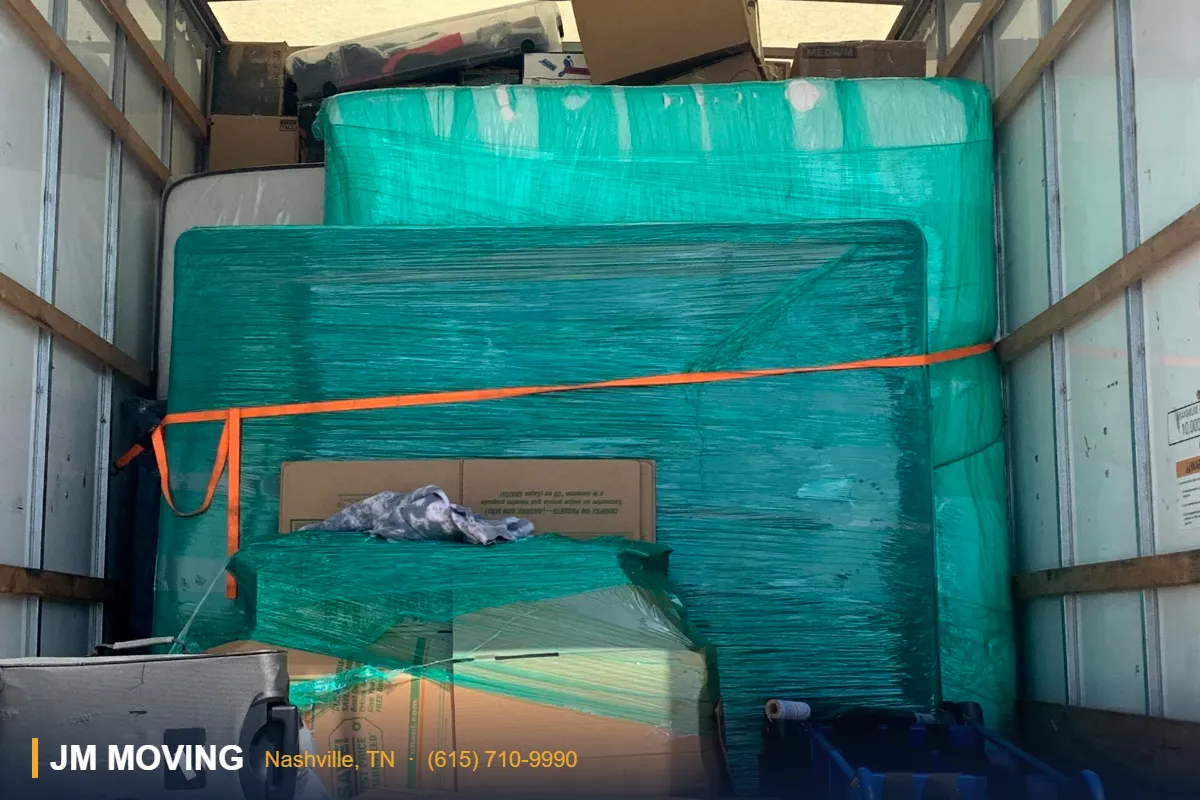
Use sturdy cartons that close and stack. Place heavy belongings in smaller boxes and light items in larger boxes. Cushion fragile pieces, fill empty space, and reinforce box bottoms when needed. Label the top and at least one side with the destination room and a brief description. A room-based numbering system can make cartons easier to track. If you would rather not pack yourself, review our packing services in Nashville TN.
Keep identification, medication, keys, legal documents, valuables, chargers, toiletries, and immediate-use clothing with you. Ask about belongings that should not travel on the moving truck. Mark fragile boxes clearly, but also tell the team about especially delicate pieces during the initial walkthrough.
Prepare homes, apartments, and businesses
Households should decide where furniture will go before delivery and create a first-night essentials plan. Apartment residents should reserve elevators, provide gate information, and confirm move hours. Keep children and pets safely away from active paths, clear hallways, and identify belongings that must remain at the property.
Businesses should assign one coordinator, map the destination, label workstations by department, back up important data, and prioritize equipment needed first. Communicate when operations will pause and resume. A staged move may be useful when a business cannot relocate everything at once. Our commercial movers in Nashville plan staged office moves.
Plan local and long-distance relocations
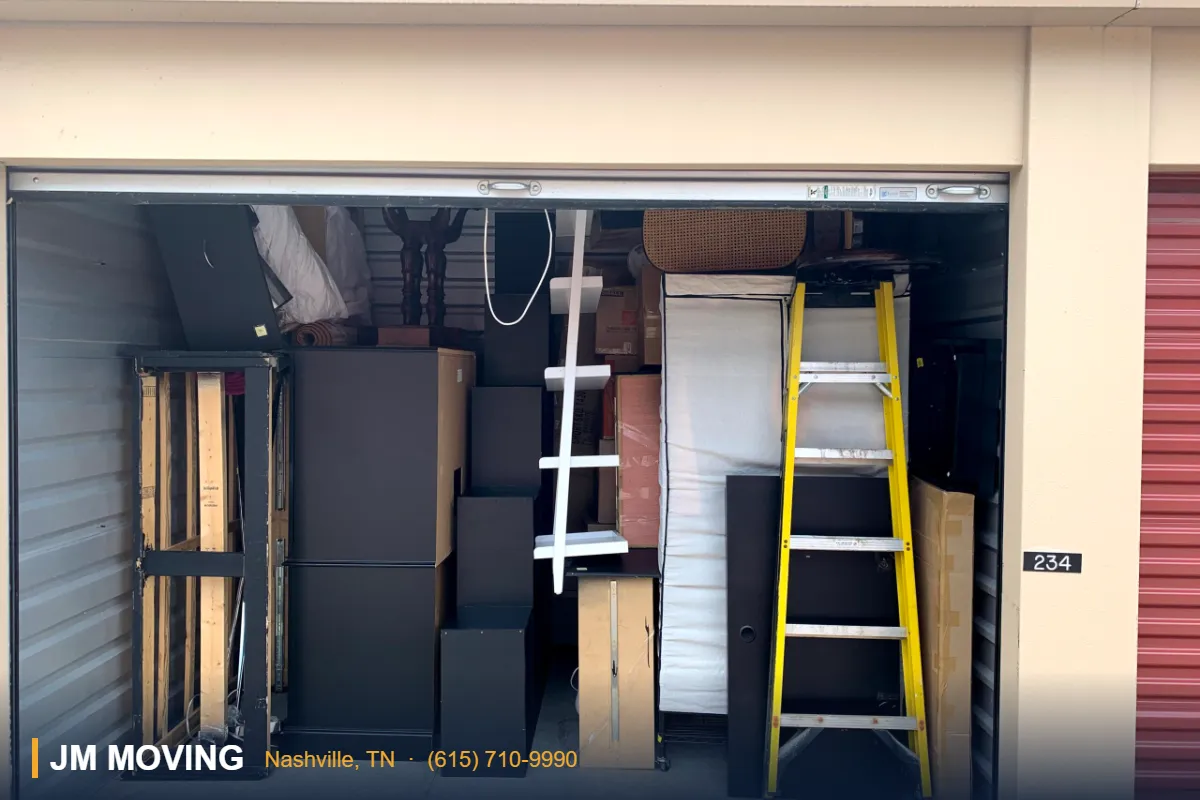
A local Nashville move still requires a complete plan for access, parking, furniture, boxes, and additional stops. Short mileage does not eliminate elevator timing, narrow entrances, traffic, or loading restrictions. At delivery, place furniture before boxes fill the rooms and keep priority items accessible. See our local movers in Nashville TN for in-town moves with a storage stop.
For moves handled by our long-distance movers from Nashville, also confirm pickup and delivery expectations, destination contacts, important documents, and an essentials kit for the period between locations. Interstate customers should review the Federal Motor Carrier Safety Administration’s Protect Your Move guidance and ask questions about the documents they receive.
Manage moving-day communication
Be present when the team arrives or appoint an authorized person who can make decisions. Complete a walkthrough, identify belongings that are staying, point out fragile items, and review access. Remain reachable throughout the move so questions can be resolved promptly and approved changes can be documented.
At the destination, direct furniture placement and labeled boxes to the correct rooms. Check the moving area and property at completion, then raise questions while details are fresh. Organized communication supports a smoother handoff from transportation to first-day setup.
Use a practical JM Moving plan
JM Moving brings more than 23 years of moving experience to Nashville-area moves. The company serves Nashville-area customers with local and long-distance moving support and flat-rate moving in Nashville. The useful difference comes from matching the plan to the actual inventory, access, distance, date, and requested services. To budget a move with storage, see our guide to Nashville moving costs.
Customers can start on the JM Moving Nashville homepage and submit complete move details through the quote page. Update the information promptly when circumstances change so the plan remains current.
Frequently Asked Questions
When can temporary storage help during a move?
Storage may help when closing dates, leases, renovations, travel, or business schedules do not align. Define the expected timing and access needs.
How should I organize belongings for storage?
Separate direct-delivery, storage-bound, and personal-essential items. Use numbered boxes and maintain an inventory outside the stored shipment.
What should I ask a storage provider?
Confirm facility operation, access, environmental conditions, prohibited items, security practices, scheduling, documents, and applicable terms directly with the provider.
Can a storage stop be included in the moving plan?
Discuss every location and requested service with JM Moving. A storage stop or phased move should be identified when the moving scope is prepared.
How should storage boxes be labeled?
Label the top and at least two sides with a box number, room, general contents, and whether the carton goes to storage or direct delivery.
What should not go into storage?
Ask the responsible storage provider for its current prohibited-items policy before packing. Keep perishable, leaking, hazardous, damp, and other restricted items out of the storage-bound shipment unless the provider expressly allows them in writing.
Can I access my belongings while they are in storage?
Access depends on the facility and the specific arrangement. Confirm access hours, notice requirements, identification rules, appointment procedures, and any applicable charges directly with the responsible storage provider before moving day.
What should stay with me?
Keep medication, identification, keys, documents, valuables, chargers, work essentials, toiletries, and immediate-use clothing with you.
What changes should be reported?
Report inventory, timing, access, facility, address, additional-stop, or requested-service changes before the scheduled work.
How much notice is needed to retrieve stored belongings?
Retrieval timing varies by facility, inventory location, staffing, and delivery arrangements. Ask the responsible provider to document the required notice, scheduling process, access conditions, and delivery responsibilities in writing.
Storing Furniture While Your Home Is on the Market
Homes in Green Hills, Belle Meade, Brentwood and Franklin often sell faster and for more when they look open and uncluttered. Many sellers move part of their furniture into storage before listing, then move everything to the new home after closing. Planning this as one project, rather than two separate moves, saves time and handling.
Decide what stays for showings
Your agent or stager can help decide which pieces show the home best. In general, extra chairs, oversized sectionals, home-office overflow, personal photos, collections and anything crowding a hallway are good candidates for storage. Beds, a dining set and a few well-chosen living-room pieces usually stay.
Move the storage load first
We move the selected items to storage in one trip, packing and labeling them as if they will not be touched for a few months. The home is left show-ready, with floors and walls checked after the crew leaves.
Combine the final move
After closing, the remaining household and the storage unit can be moved to the new home on the same day or over two days, depending on volume. Planning both in one quote keeps the inventory consistent and avoids paying for the same item to be handled twice more than necessary.
Storage During a Renovation
Kitchen remodels, flooring replacement and whole-home renovations often require clearing several rooms at once. Contractors need open space and dust gets everywhere. For a renovation, we pack and pad the affected rooms, move them to storage or to a protected room in the house, and bring them back when the work is finished. Tell us the contractor’s schedule so the return trip is booked for after the final clean, not before.
Questions to Ask Any Storage Facility
- What are the access hours, and is there an extra fee for after-hours access?
- Is the unit climate controlled, and what temperature and humidity range does the facility maintain?
- Can a 26-foot box truck reach the unit door or the loading area?
- Is there an elevator or a cart for upper-floor units?
- What insurance does the facility require, and does your homeowner’s or renter’s policy cover stored items?
- What is the policy on rate increases after the first months?
Pricing
Moving to and from storage is priced at our standard local rates: $250 per hour for two movers and a truck and $350 per hour for three movers and a truck, or a flat rate quoted on a call. There is no extra charge for travel time, fuel or tax on local moves.
Storage Between a Sale and a Purchase
In Middle Tennessee, it is common for a home sale to close before the next home is ready. The usual solution is to move everything to storage, stay with family or in a short-term rental, and move into the new home later. To make that easier:
- Ask your agent about a rent-back, where you stay in the sold home for a short time after closing. That can sometimes eliminate the need for storage altogether.
- If storage is needed, keep a separate set of boxes for the short-term rental, packed and labeled so they ride with you, not into the unit.
- Book the delivery date as soon as you know your new home’s closing date, especially in the busy summer months.
Business and Office Storage
Nashville businesses use storage during office moves, renovations and downsizing. Common items include archived files, seasonal inventory, extra desks and chairs, and equipment that is not needed every day. For records, label every file box with the department and date range and keep a list. Check how long you are required to keep certain records before deciding what to store and what to securely shred.
Moving Out of Storage
When the time comes to move out of storage, the process is the reverse of loading. We bring the truck to the unit, load in the order needed at the new home and deliver room by room. If you rented a unit at a facility across town, the trip from the unit to the new home is planned to avoid rush hour where possible.
Insurance for Stored Belongings
Most storage facilities require proof of insurance for the contents of the unit. Check your homeowner’s or renter’s policy first, since some policies cover belongings in storage up to a certain limit. If not, the facility may offer a separate policy. Keep your inventory and photos of high-value items, as they help with any claim.
Plan your Nashville moving and storage transition
Separate direct-delivery and storage-bound belongings, then share every location, access condition, date, and requested moving service with JM Moving.
Request a free moving quote or review JM Moving services.
Moving and Storage Nashville — 10 Planning Tips
- Confirm storage size, access hours, and gate instructions.
- Create an inventory before loading.
- Use sturdy stackable boxes with clear labels.
- Keep frequently needed items near the front.
- Protect furniture and fragile surfaces before stacking.
- Avoid prohibited or leaking items.
- Place heavier boxes low and lighter boxes above.
- Leave safe access paths when possible.
- Keep documents and valuables with you.
- Photograph the final layout for easier retrieval.
Plan your Nashville move with JM Moving: call (615) 710-9990, review local moving services, or request a written quote.