
Written Moving Estimate Nashville


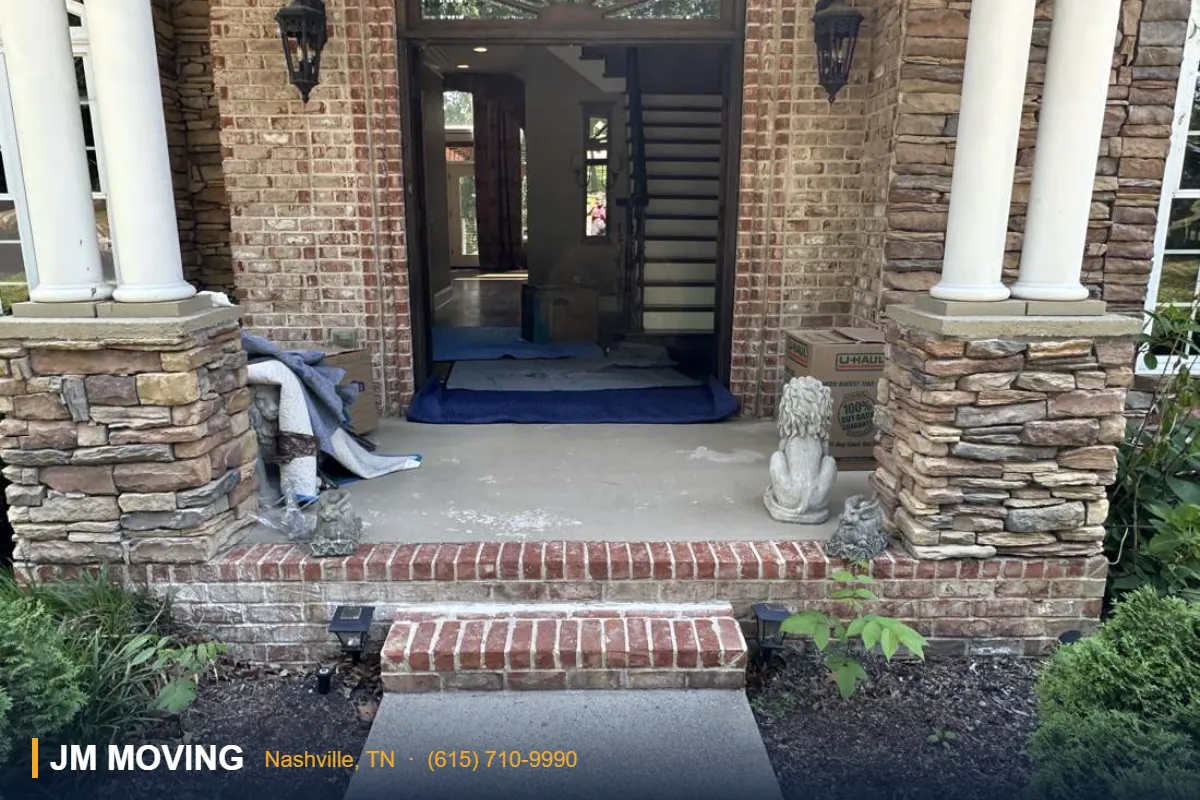
A written moving estimate is most useful when it reflects the move the customer is actually planning. Addresses, inventory, access, packing, furniture preparation, route, additional stops, and scheduling conditions can all shape the service scope. JM Moving uses flat-rate moving as approved positioning, but a clear flat-rate discussion still depends on complete information from the customer. For pricing and estimate planning, review our Nashville moving costs guide.

This Nashville guide explains what to prepare, what to review, and how to compare written estimates. It is educational rather than a promise that every move has the same terms or price. Customers should read the estimate provided for their specific move and ask questions before accepting it.
Estimate Details to Confirm
| Estimate item | What to document |
|---|---|
| Inventory | Furniture, boxes, fragile items and specialty belongings |
| Access | Parking, stairs, elevators, gates and loading areas |
| Schedule | Preferred date, arrival window and destination access |
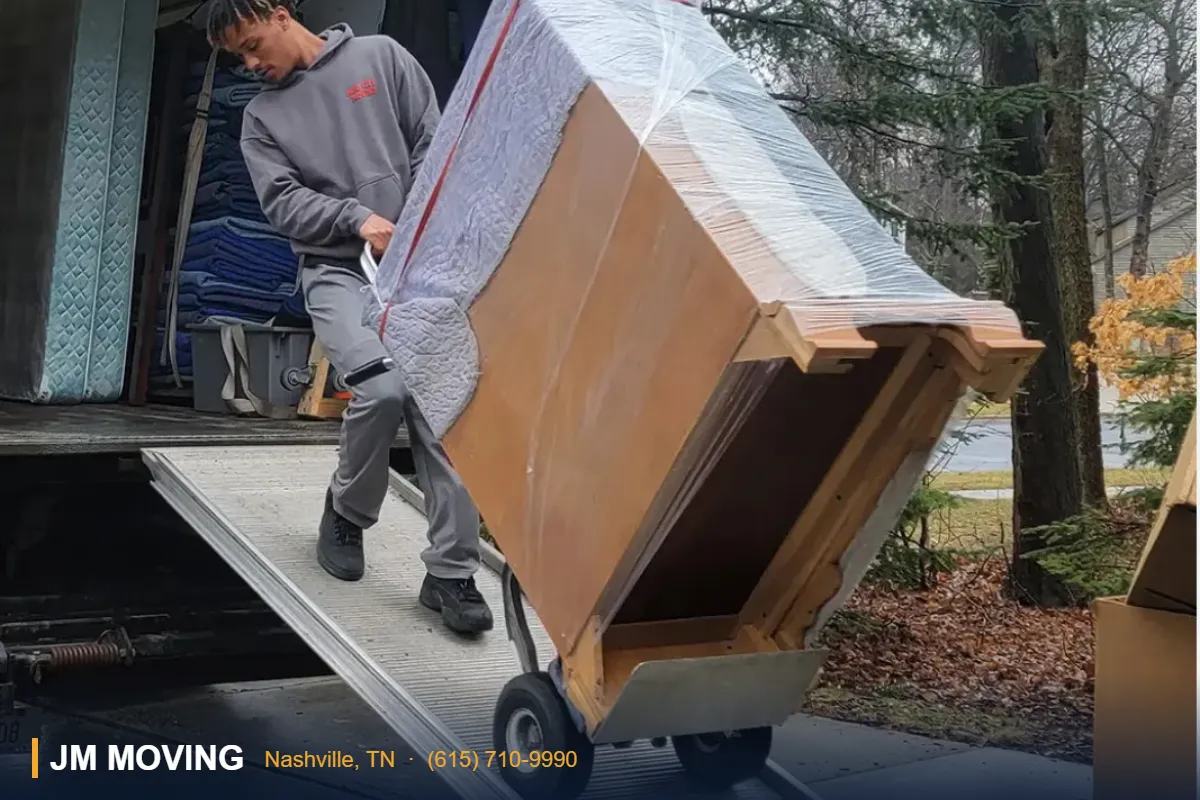
What a Written Moving Estimate Should Reflect
The estimate should identify the move being discussed and the information used to prepare the scope. That includes the origin and destination, planned date or date range, major inventory, estimated boxes, property types, and requested services. It should also account for disclosed stairs, elevators, gates, parking, loading zones, long carries, storage units, and additional stops.
Review whether packing, unpacking, loading, unloading, furniture preparation, or other requested work is included. Do not assume that an item mentioned in conversation is part of the written scope if it does not appear in the estimate. Ask for clarification when language is unclear.
Build an Inventory Before Requesting an Estimate
Prepare a room-by-room list of furniture and an estimated box count. Include appliances, garage contents, outdoor belongings, storage items, office equipment, and anything at another pickup location. Identify unusually large, heavy, fragile, or specialized pieces. Measurements and photographs can be useful when an item or access route is difficult to describe.
An incomplete inventory can lead to a scope that no longer represents the job. Update JM Moving if you add furniture, fill more boxes, change an address, add a stop, request packing, or discover a storage area. The objective is not to predict every small object; it is to disclose the meaningful details that affect planning.

Document Access at Both Locations
Access affects how a move is organized. State the floor level, stairs, elevator rules, loading area, parking limits, gates, narrow halls, steep driveways, and distance between the entrance and the legal loading location. Apartment and commercial customers should ask property management about reservations, permitted moving hours, security procedures, and required documents.
Review the destination with the same care as the origin. A simple move-out route does not guarantee simple unloading. Measure oversized furniture against destination doors, stairs, elevator openings, and rooms. Disclose construction, road restrictions, or other conditions that may change access.
Identify the Services You Want Included
JM Moving offers local and long-distance moving together with residential, apartment, commercial, office, packing, unpacking, loading, unloading, and furniture-moving support. The customer should identify the needed combination. Review JM Moving services and list each requested service when asking for the estimate.
For packing, explain whether assistance is needed for the full property, selected rooms, fragile items, or unpacking. For loading or unloading, identify the vehicle or container and who provides it. For furniture, disclose items that may need disassembly or special preparation. Services outside the confirmed written scope should not be assumed.
How to Compare Written Estimates
Give each mover the same inventory, addresses, access information, date range, and requested services. Then compare the complete scope, not a headline number or an “all-inclusive” label. One estimate may include work that another excludes, or it may rely on different inventory assumptions. A lower figure is not a useful comparison if the written services differ.
Read customer responsibilities, change procedures, scheduling terms, payment information, and any documents relevant to the route. Keep copies of the estimate, inventory, photographs, and important communications. For interstate consumer education, review FMCSA Protect Your Move.
Nashville Moving Estimate Comparison Worksheet
Use one worksheet for every company you contact. This prevents a short estimate with an attractive total from being compared against a detailed estimate that includes more work. If a line is blank or unclear, ask for a written answer before choosing a mover.
| Comparison point | What the written estimate should clarify |
|---|---|
| Inventory basis | Furniture, appliances, estimated cartons, storage contents, outdoor belongings, and items at additional stops. |
| Property access | Stairs, elevators, loading docks, legal truck parking, carrying distance, gates, narrow halls, and building time limits. |
| Moving work | Loading, transportation, unloading, room placement, and any approved disassembly or reassembly. |
| Packing | Full, partial, fragile-item, or customer packing; the rooms involved; and whether materials are included or separately listed. |
| Specialty items | Pianos, safes, artwork, antiques, exercise equipment, oversized furniture, and the preparation each requires. |
| Scheduling | Arrival terms, pickup details, destination readiness, delivery terms, and the contact who provides updates. |
| Valuation | The protection option shown in the paperwork, available alternatives, customer responsibilities, and claim procedures. |
| Payment | Amounts due, due dates, accepted methods, deposits, cancellation terms, and rescheduling terms. |
| Scope changes | How added inventory, changed access, added services, new stops, or address changes are reviewed and approved. |
Choose the Right Estimate Method for the Move
Movers may gather information by phone, photographs, video walkthrough, virtual appointment, or on-site walkthrough. The method matters less than whether it captures the full inventory and both properties accurately. A short phone description may be enough for a small, simple job, while a larger home, commercial move, crowded storage area, or specialty move may require photographs, measurements, video, or a more detailed walkthrough.
When using photographs or video, include every room, closet, garage, patio, storage space, stairway, elevator, doorway, and likely truck position. Show large or fragile pieces from more than one angle and include measurements when clearance may be tight. Do not omit a room because the contents seem minor; many missing “small” items can materially change the inventory.
What “Included” Should Mean in Writing
Ask the mover to separate standard moving work from optional services. The estimate should make it possible to identify which labor, equipment, furniture protection, packing materials, specialty preparation, storage, stops, and placement tasks belong to the agreed scope. It should also identify anything the customer must complete before arrival.
A clear estimate does not depend on a slogan. It depends on the written inventory, access assumptions, requested services, payment terms, and change procedure matching the actual move. JM Moving’s flat-rate positioning is strongest when the customer supplies complete information and the current written scope is reviewed before moving day.
For additional preparation, review the hidden moving-cost planning guide and the Nashville quote-comparison guide.
Forty-Eight-Hour Confirmation Check
Before the scheduled move, compare the current inventory and property conditions with the estimate one more time. Confirm both addresses, primary contacts, parking, elevators, gates, additional stops, packing status, specialty belongings, and destination readiness. Report meaningful changes before the crew arrives and request written confirmation when the scope must be revised.
Questions to Ask Before Accepting an Estimate
- Which addresses, dates, inventory, and access details were used?
- Which packing, loading, moving, unloading, and placement tasks are included?
- What work must the customer finish before moving day?
- How should inventory, access, date, or service changes be reported?
- Are additional stops or storage contents documented?
- What information applies to stairs, elevators, parking, or long carries?
- Which documents should the customer retain?
- Who should the customer contact with questions?
Flat-Rate Moving and Clear Scope
JM Moving’s approved positioning includes flat-rate moving. Flat-rate language does not remove the need for accurate details. Inventory, access, distance, packing, furniture preparation, specialty items, additional stops, and scheduling conditions still need to be disclosed and reflected in the written discussion.
If the move changes, ask for the written scope to be reviewed. Do not rely on an old estimate after adding significant inventory or changing the route. Clear updates protect the usefulness of the plan for both the customer and the moving team.

Prepare for Moving Day
Finish the packing assigned to the customer, label boxes by destination room, and separate items that are not moving. Keep identification, medication, keys, valuables, important documents, chargers, and immediate essentials with you. Confirm building access, parking, elevators, and the authorized contacts at both locations.
Review the current inventory and written scope before service begins. Report a meaningful discrepancy promptly. At the destination, use room labels or a simple placement plan and keep a decision-maker available for questions.
Related JM Moving Resources
Customers planning a nearby relocation can review local moving services in Nashville. Customers planning a farther route can review long-distance moving information. Packing options are described on the Nashville packing services page.
Written Estimate Review Checklist
Before accepting a written moving estimate, compare it with the inventory and access information you provided. Confirm that both addresses, requested service date, additional stops, stairs, elevators, parking restrictions, long carries, and building requirements are documented correctly. Review whether the scope includes packing, packing materials, furniture preparation, loading, transportation, unloading, and room placement. If a task is important but does not appear in writing, ask for clarification before scheduling.
- Match every major furniture item, appliance, box group, and specialty item to the submitted inventory.
- Confirm pickup, delivery, storage, and additional-stop details, including access at every location.
- Identify which packing materials and preparation tasks are included and which remain the customer’s responsibility.
- Review payment timing, accepted payment methods, cancellation terms, and the process for approved scope changes.
- Keep the estimate, inventory, photographs, and written updates together for easy reference on moving day.
Example of a Scope Change
Suppose the original estimate covers a two-bedroom apartment with elevator access, but the final inventory adds a heavy cabinet and twenty boxes, while the destination requires a long carry from the parking area. Those details can change the labor, equipment, and time needed. Notify JM Moving before moving day, provide updated photos or measurements when requested, and ask for the revised scope in writing. Early disclosure supports a more accurate plan and helps avoid disagreements based on an outdated inventory.
On moving day, walk through the inventory with the crew lead before loading begins. Point out items that are not moving, fragile pieces that need special attention, and boxes containing essentials. At delivery, confirm room labels and placement priorities. These simple steps connect the written estimate to the actual work being performed.
Written Moving Estimate FAQs
What information is needed for a written moving estimate?
Provide the locations, date range, inventory, access conditions, additional stops, and requested services.
Why does the inventory matter?
The inventory helps define the belongings, furniture preparation, packing needs, and handling plan included in the scope.
Should stairs and elevators be disclosed?
Yes. Include floors, stair access, elevator reservations, loading areas, parking, gates, and long carries.
Can packing be included in the estimate?
Packing may be requested, but the rooms, items, materials, and level of assistance should be confirmed in writing.
What if my inventory changes?
Report meaningful additions or removals promptly and ask for the written scope to be reviewed.
How should I compare two estimates?
Use the same move details and compare the complete included services, assumptions, responsibilities, and terms.
Does flat rate mean details are unnecessary?
No. A useful flat-rate plan still depends on accurate inventory, access, route, timing, and requested services.
Should I keep a copy of the estimate?
Yes. Retain the estimate, inventory, applicable documents, and important communications for your records.
Where can interstate customers find official guidance?
FMCSA Protect Your Move provides official federal consumer information about interstate moving.
How do I request an estimate from JM Moving?
Submit the current move details through JM Moving’s Nashville quote page.
Written Moving Estimate Nashville — 10 Planning Tips
- Use the same inventory when comparing movers or quotes.
- Confirm the mover’s legal business identity and written contact details.
- Include stairs, elevators, parking limits, and access restrictions in the request.
- Identify specialty items before the estimate is finalized.
- Clarify whether packing, materials, loading, transportation, and unloading are included.
- Ask how inventory or scope changes affect the price.
- Request written terms rather than relying only on verbal promises.
- Review claim, cancellation, and rescheduling procedures.
- Keep copies of estimates, inventories, receipts, and service documents.
- Read the final written agreement before moving day.
Plan your Nashville move with JM Moving: call (615) 710-9990, review local moving services, or request a written quote.