Movers with Storage Services in Nashville
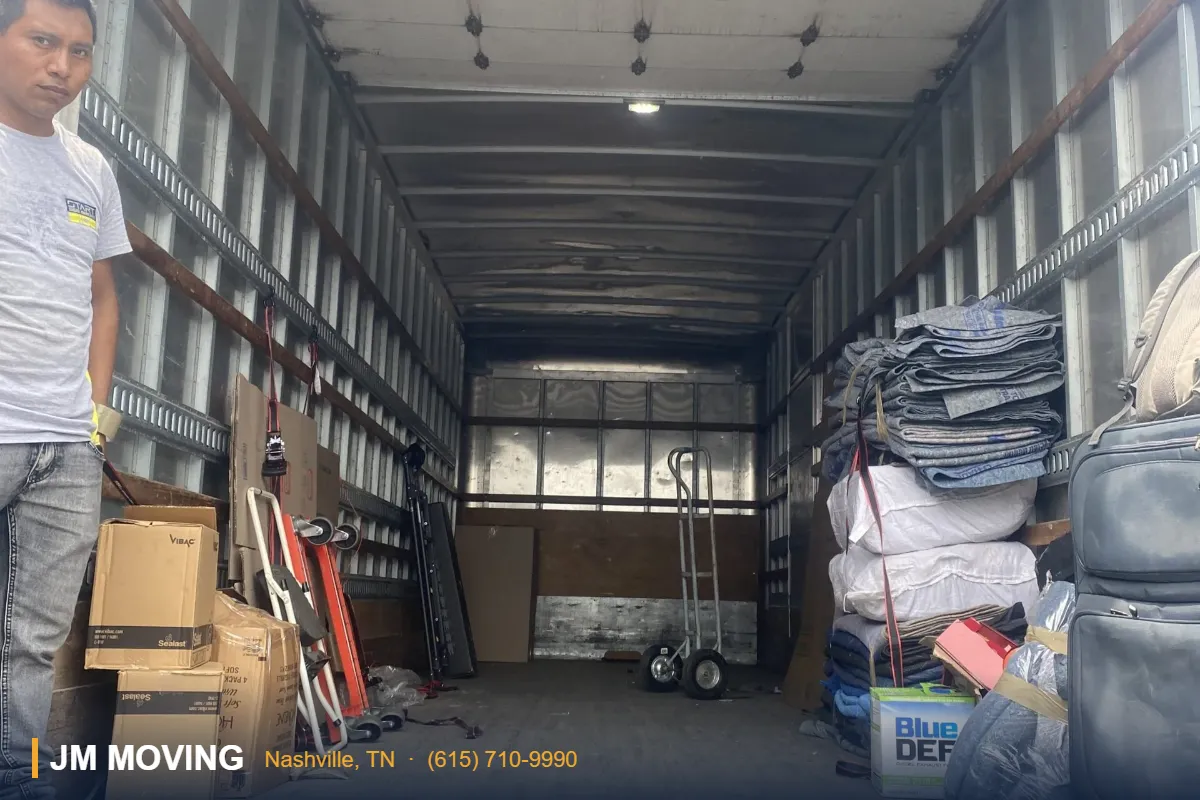
JM Moving provides Nashville local and long-distance moving support. Explore our moving services or request a personalized estimate. For a broader citywide service overview, review our Nashville movers guide.
Planning a move sometimes requires more than transportation from one address to another. A closing delay, lease gap, renovation, downsizing project, office transition, or long-distance schedule can create a temporary storage need. JM Moving helps Nashville customers coordinate moving labor and storage-related transitions as part of a practical relocation plan.
This guide explains how moving and storage services work, what information customers should provide, and how to prepare belongings for a temporary stop between pickup and final delivery.
Services and Planning at a Glance
- Moving labor for storage transitions
- Packing and inventory planning
- Loading and unloading coordination
- Temporary storage move planning
- Written service scope
When Moving and Storage Work Together
A move with storage usually has two stages. First, belongings are packed, loaded, and moved from the original property. Later, they are loaded again and delivered to the final destination. Because the items may be handled more than once, clear labeling, suitable packing, an accurate inventory, and organized placement are especially important.

Customers should confirm the move-out date, expected storage period, final destination, access at every location, and whether the storage facility has specific hours or requirements. If the delivery date is uncertain, keep contact information current and discuss how scheduling will be handled.
Common Reasons Nashville Customers Need Storage
Storage can help when a new home is not ready, a sale closes before the next property becomes available, an apartment lease ends early, or a renovation requires rooms to be cleared. It can also support estate organization, downsizing, office moves, staged relocations, and long-distance transitions.
The right plan depends on the inventory and timeline. Customers should decide what must remain accessible, what can stay stored until final delivery, and what should travel with them personally.
JM Moving Services for Storage Transitions
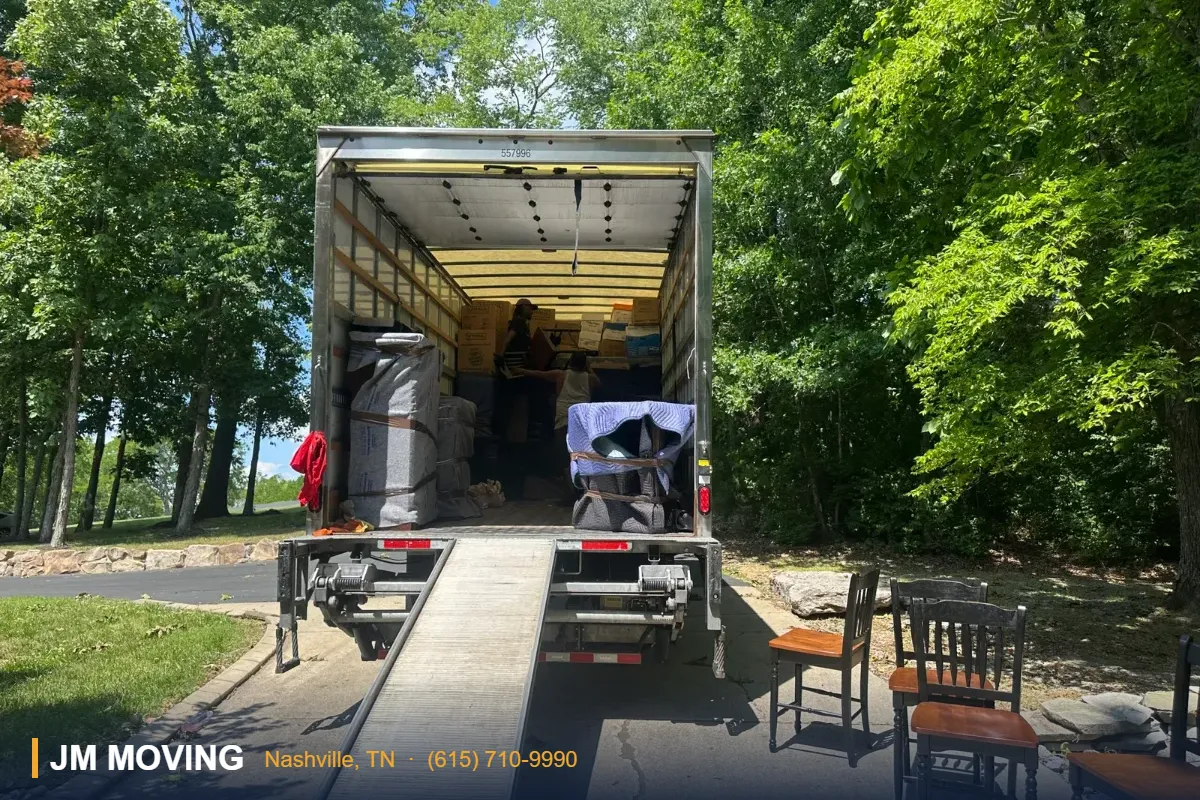
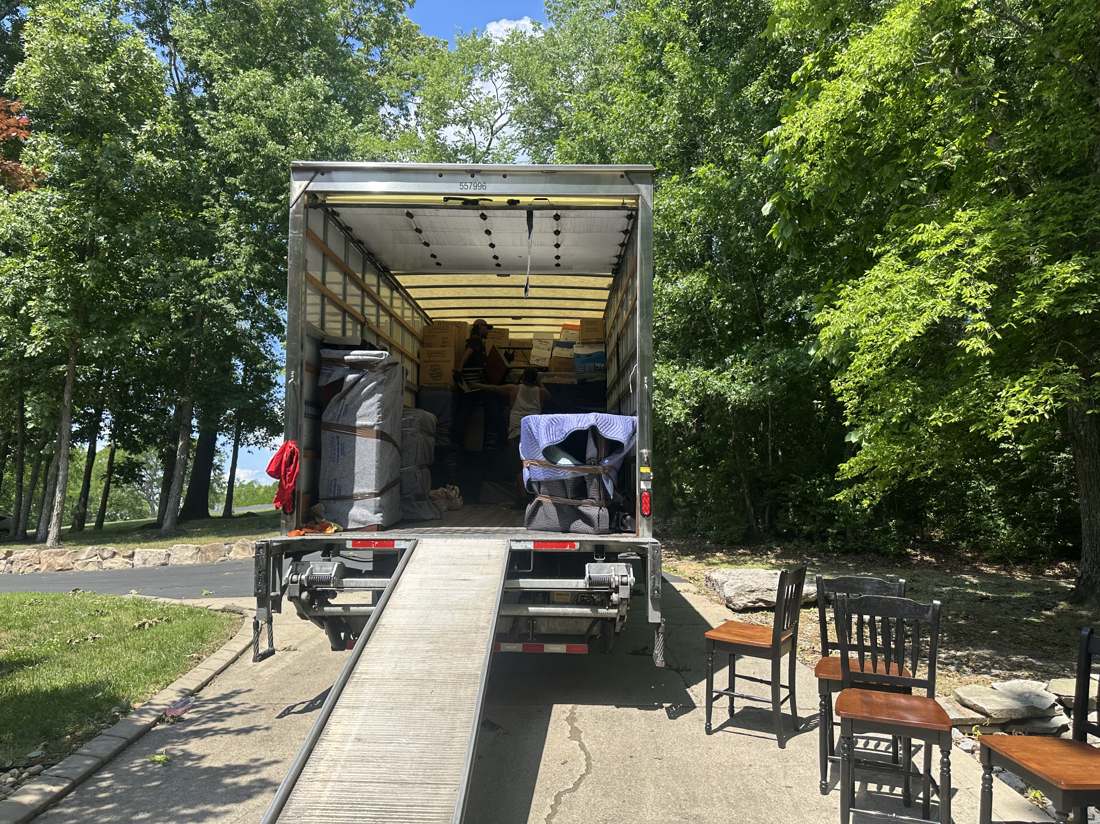
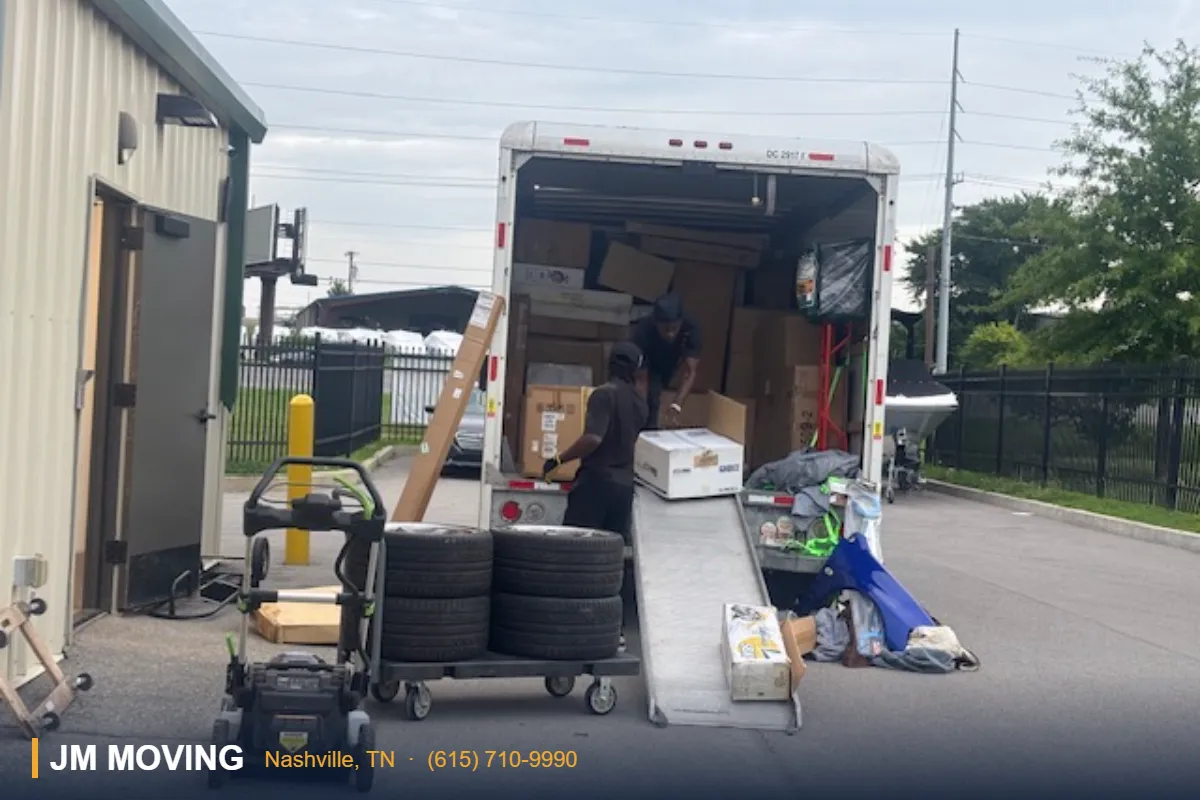
JM Moving commonly provides local and long-distance moving, residential and apartment moving, office and commercial relocation, packing, unpacking, loading, unloading, furniture handling, and moving labor. For a storage-related move, the service scope may include preparing items, loading a truck or portable container, moving belongings to a storage facility, unloading into a unit, and later helping with final delivery.
Availability and the exact service combination should be confirmed for the individual move. Provide complete details so the written plan reflects every stage.
Choosing a Storage Option
Customers may use a traditional self-storage unit, a portable storage container, a warehouse arrangement, or another facility. Consider location, access hours, unit size, security procedures, climate conditions, loading access, elevator availability, and restrictions on stored items.
Ask the storage provider which items are prohibited and whether insurance or documentation is required. Do not assume that every facility accepts every type of property. Food, liquids, hazardous materials, flammable products, plants, medicine, and valuables may require special decisions or may not belong in storage at all.
Creating an Accurate Inventory
Make a room-by-room list before packing. Note furniture, appliances, electronics, boxes, fragile items, artwork, tools, outdoor equipment, and anything unusually heavy or oversized. Photograph important pieces and record their condition when useful.
Number boxes and connect each number to a simple inventory list. Labels should identify the destination room and general contents without advertising high-value items. Mark fragile containers clearly and identify anything that should remain accessible.
Packing for Storage
Items stored for weeks or months need durable packing. Use strong boxes, appropriate cushioning, secure tape, furniture covers, and labels that remain readable. Avoid weak containers that may collapse when stacked. Pack heavier items in smaller boxes and lighter items in larger ones.
Clean and dry belongings before packing. Moisture, food residue, and dirt can cause problems during storage. Do not seal damp textiles or furniture. Protect delicate surfaces and keep hardware from disassembled furniture in labeled bags.
For electronics, follow manufacturer guidance when available. Keep cords and accessories labeled. Important documents, keys, medicine, chargers, jewelry, and personal valuables should generally stay with the customer rather than entering a storage load.
Organizing the Storage Unit
A well-organized unit can reduce repeated handling. Place large, stable items first and keep frequently needed boxes closer to the entrance. Avoid unstable stacks. Leave a practical path when access will be needed during the storage period.
Group boxes by room or category. Keep a copy of the inventory outside the unit. If furniture is disassembled, label each part and its hardware. Do not place fragile boxes beneath heavy items.
Loading and Unloading Support
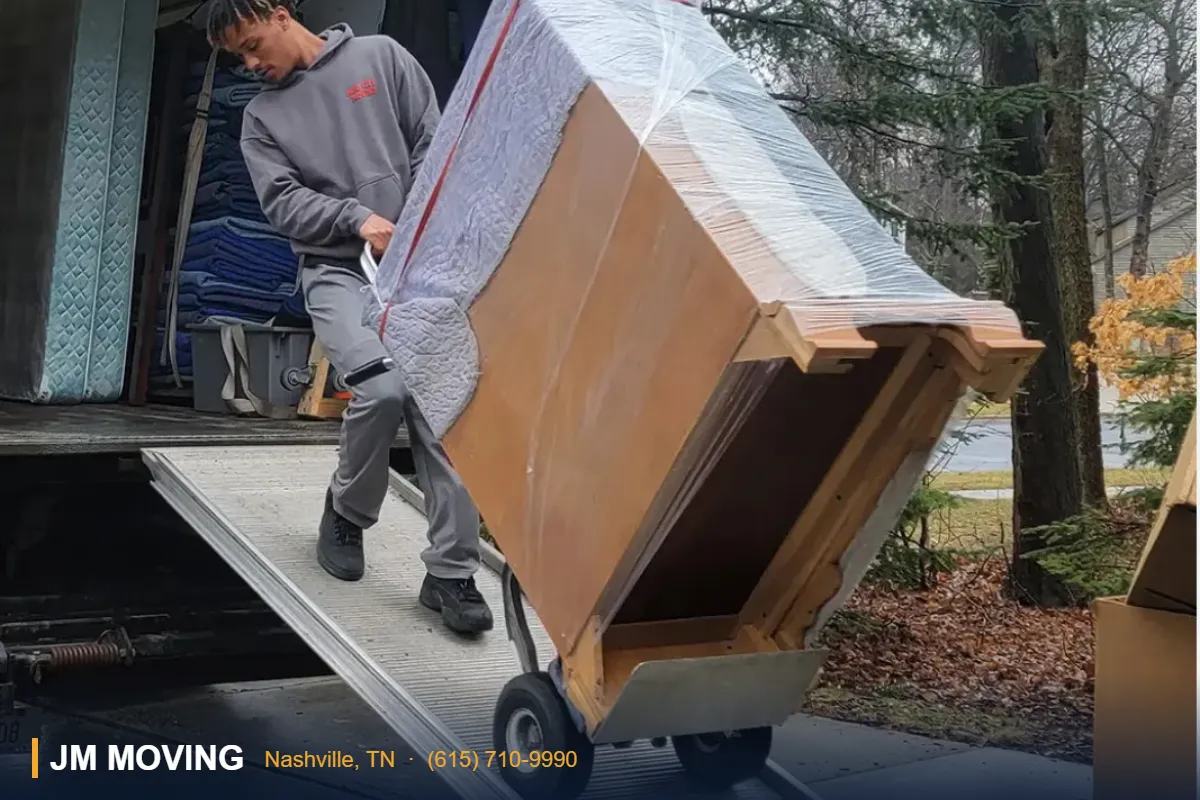
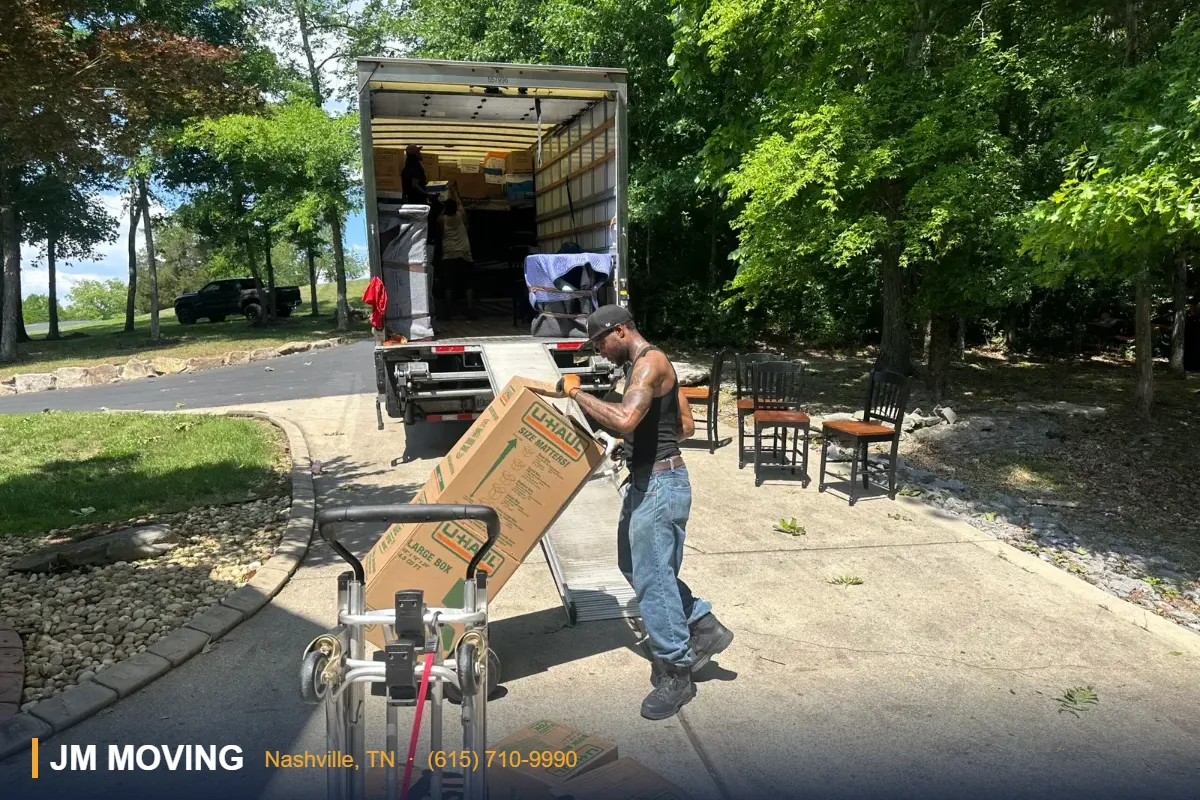
Customers who already have a rental truck, portable container, or storage unit may only need labor. JM Moving offers loading and unloading support based on the move details. Explain the vehicle or container size, inventory, stairs, elevators, parking, carrying distance, and schedule.
A stable load should account for item weight, size, shape, fragility, and the order in which belongings will be removed. At final delivery, clear room labels and a simple furniture layout can make unloading more efficient.
Flat-Rate Moving Positioning
JM Moving uses flat-rate moving positioning. A move involving storage may include multiple stages, additional handling, separate dates, or facility access conditions. Accurate details are necessary for a useful written estimate.
Customers should review what the estimate includes at pickup, storage arrival, and final delivery. Ask how date changes, added inventory, access differences, or extra services could affect the plan. Compare the complete scope rather than only a headline number.
Verifying Moving Credentials and Coverage
Customers searching for licensed and insured movers in Nashville should request documentation appropriate to their move and verify required credentials through the relevant authority. Interstate moves may involve federal records, while other requirements can depend on the service and jurisdiction.
Ask what protection applies while belongings are being transported, handled, or stored, and review any separate storage agreement. Do not rely only on website badges or general advertising claims. Written documents are the best way to understand the specific service.
Preparing for Pickup Day
Finish packing unless packing help is included. Reserve elevators or loading areas, clear walkways, secure pets, and keep children away from moving paths. Confirm the storage address, unit number, gate instructions, access code procedures, facility hours, and the person authorized to enter.
Separate immediate-use items before loading. Keep clothing, toiletries, bedding, documents, medicine, chargers, keys, and essential work equipment with you. If final delivery will occur later, maintain an updated contact method and confirm how the next date will be scheduled.
For interstate moves, review the FMCSA Protect Your Move consumer guidance and verify the written service details before booking.
Frequently Asked Questions
Can JM Moving help load a storage unit?
Loading and unloading labor are among JM Moving’s commonly offered services. Provide the unit location, access, inventory, and schedule when requesting help.
Can JM Moving help with packing before storage?
Packing assistance may be available. Confirm whether you need full packing, partial packing, furniture preparation, or help with fragile items.
What should not go into storage?
Restrictions vary by facility. Ask the storage provider about prohibited items and keep medicine, important documents, keys, valuables, and immediate-use essentials with you.
How do I request an estimate for a two-stage move?
Provide both dates if known, every location, the inventory, access conditions, expected storage period, and the services needed at each stage.
Does JM Moving use flat-rate positioning?
Yes. Accurate move details are still required so the written estimate reflects the real inventory, access, timing, distance, and services.
How a Two-Stage Move Works From Start to Finish
A move with storage in the middle happens in two separate stages, sometimes weeks or months apart. Thinking of it that way from the start keeps the inventory, the paperwork and the costs organized.
Stage one: pickup and storage
The crew packs or loads your home, delivers to the storage unit and loads it in a planned order. Before leaving, we walk the unit with you so you know where key items are. You lock the unit with your own lock.
The waiting period
During storage, the unit is rented in your name directly from the facility, so you control access and can visit when you need something. Keep the inventory list and a photo of the loaded unit on your phone.
Stage two: delivery to the new home
When the new home is ready, we load the unit and deliver everything, placing furniture in the rooms you choose and reassembling what we took apart. If some items went into storage directly from a second location, such as an office or a family member’s garage, they can be picked up on the same trip.
A Simple Guide to Storage Unit Sizes
Facility size names vary, but these general guidelines help you ask for the right space. Always confirm with the facility, because ceiling height and door width also matter.
- 5×10: a studio’s worth of boxes, a mattress set, a small dresser and a few chairs.
- 10×10: the contents of a one-bedroom apartment or a few rooms of a house.
- 10×15: a two-bedroom apartment or a small house with appliances.
- 10×20: a three-bedroom house with major furniture, often including a garage’s contents.
- 10×30: a larger home of four or more bedrooms.
Numbering Boxes for Storage
For a short local move, labeling a box “kitchen” is enough. For storage, number every box and keep a simple list: number, room and a short description, such as “14, office, tax files 2022-2024.” When you need one particular item months later, the number tells you which box to look for without opening a dozen others.
Pricing Each Stage
Each stage is priced at our standard local rates, $250 per hour for two movers and a truck or $350 per hour for three movers and a truck, or as a flat rate quoted on a call. Ask us to quote both stages together so you know the full cost of the move from the start.
Loading the Unit So You Can Find Things Later
A storage unit loaded at random becomes a puzzle months later. Our crews follow a simple loading order:
- Heavy furniture and appliances go in first, along the back wall.
- Mattresses and box springs stand on their sides against a side wall, in bags.
- Boxes are stacked heaviest at the bottom, lightest at the top, with labels facing out.
- Fragile items and art are placed on top or in a protected corner, never under boxes.
- Items you may need during storage are placed last, near the door.
- If the unit is large enough, a narrow aisle is left down the middle.
Short-Term Storage for Students and Seasonal Residents
Students at Nashville universities often need storage for the summer, and seasonal residents may keep a Nashville home while spending part of the year elsewhere. For these short, repeated storage needs, keep a reusable inventory list and use the same box numbers each time. A smaller unit near your home or campus often costs less and is easier to visit than a larger unit across town.
Moving Items From Storage to More Than One Destination
Sometimes items in storage are going to different places, for example, some furniture to a new apartment, some to a family member and some to donation. Label these groups clearly when the unit is loaded, and we can plan one trip with several stops. Each stop is included in the quote so there are no surprises.
Checking the Unit Before You Close It Out
When the unit is emptied, take a last look at the corners and the floor, return the facility’s lock or key if required, and take a photo of the empty unit. Then notify the facility in writing that you are vacating, so rent is not charged for another month.
Choosing a Storage Location
Choose a facility near the home you are moving to, not the one you are leaving, when you can. Delivery day is usually the more complicated day, and a short trip from the unit to the new home saves time. If you might need to visit the unit often, choose one near work or home with convenient access hours.
Plan Your Nashville Moving and Storage Transition
| Storage move detail | What to confirm |
|---|---|
| Storage period | Expected start date, end date, and access needs |
| Inventory | Boxes, furniture, appliances, fragile and oversized items |
| Facility access | Gate hours, elevator, loading area, unit number, and codes |
| Final delivery | Destination, timing, access, and unloading plan |
A successful storage move depends on a clear inventory, durable packing, organized access, and a written plan for every stage. JM Moving helps Nashville customers coordinate moving labor and relocation services around temporary storage needs. Visit JM Moving to request an estimate based on the actual move details.
Movers with Storage Services in Nashville — 10 Practical Planning Tips
- Measure the storage unit or space before move day.
- Create an inventory of what will go into storage.
- Use sturdy stackable boxes and clear labels.
- Keep frequently needed items near the front.
- Avoid storing prohibited, leaking, or perishable items.
- Protect furniture and fragile surfaces before stacking.
- Leave safe access paths where possible.
- Place heavier boxes low and lighter boxes higher.
- Keep important documents and valuables with you.
- Photograph the final layout so items are easier to locate later.
Ready to plan your move? Call (615) 710-9990, review our Nashville moving services, or request a written quote.