
A Practical Nashville Moving Transition Plan
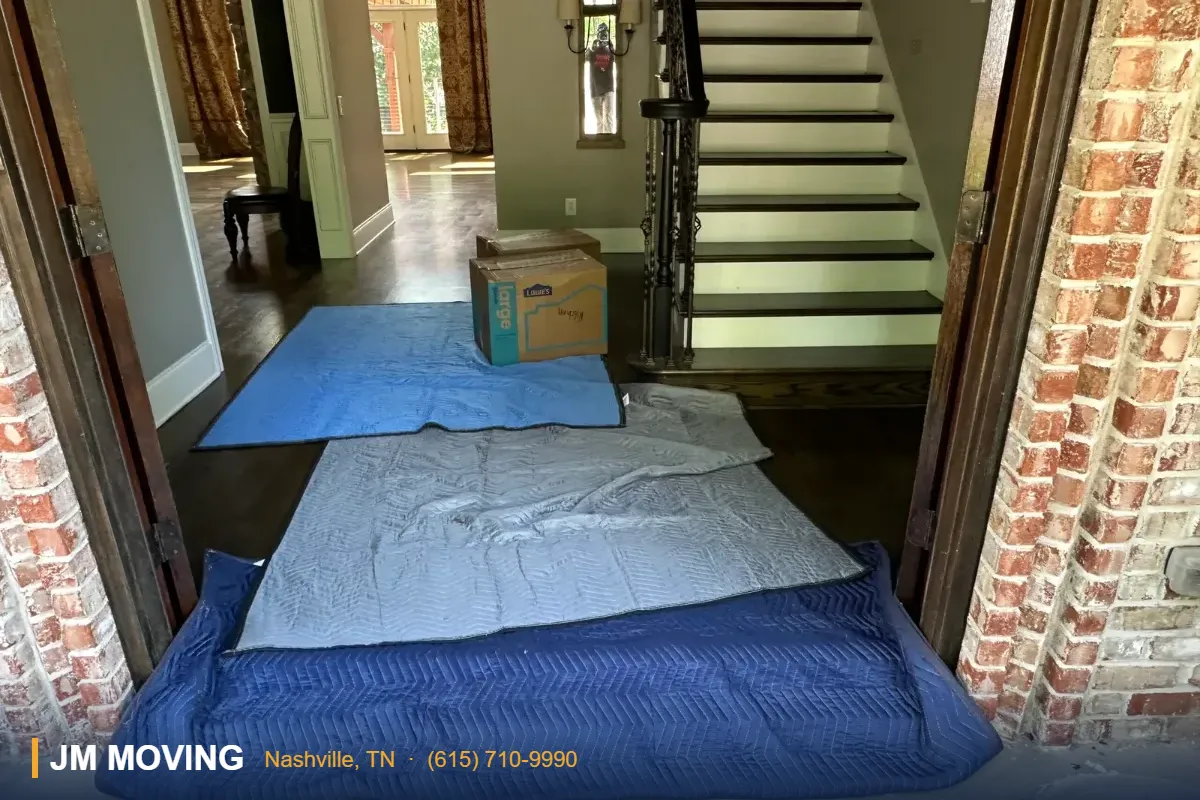
Moving transition planning begins well before the truck arrives. A practical plan connects the inventory, schedule, packing services, property access, transportation, delivery, and first-day setup. JM Moving helps Nashville households and businesses prepare local moves and long-distance relocations with flat-rate planning based on the details provided for each move. For a broader citywide service overview, review our Nashville movers guide.
This guide focuses on decisions customers can make to reduce uncertainty. It does not assume that every move needs the same services. Start with the property, belongings, timeline, access conditions, and destination, then decide where professional moving support will be most useful.
Moving Transition Planning Snapshot
| Planning stage | What to confirm |
|---|---|
| Timeline | Move date, backup timing, building windows, and deadlines |
| Inventory | Furniture, boxes, specialty items, and non-moving belongings |
| Access | Parking, elevators, gates, loading areas, and carry distance |
| Destination | Room labels, placement priorities, utilities, and first-day essentials |
Create a realistic moving timeline
Begin several weeks ahead when possible. Choose a target date and backup date, then sort belongings into keep, donate, sell, recycle, and discard groups. Contact property managers about elevators, loading areas, restricted hours, gate access, and any documents required for the move. If the move crosses state lines, add time to review consumer information and moving documents.

Two or three weeks before the move, confirm utilities, address changes, packing supplies, and the requested service scope. One week before service, finish most packing, label every carton, and create a personal essentials kit. The day before, clear walkways and confirm how the moving vehicle will access both properties. A written timeline gives each decision a deadline and reduces last-minute pressure.
Build a room-by-room inventory
List furniture, appliances, estimated box counts, outdoor items, garage contents, and storage-unit belongings. Note pianos, safes, artwork, antiques, exercise equipment, or unusually heavy pieces. Identify furniture that may need disassembly and measure oversized items against doors, hallways, stairwells, and elevators at both locations.
Review the inventory shortly before moving day and report changes. Accurate information helps the team plan space, equipment, and workflow. It also helps the customer understand the scope behind a flat-rate moving plan. If an item is not on the list or an access condition was missed, discuss it before loading begins.
Pack for protection and efficient unloading
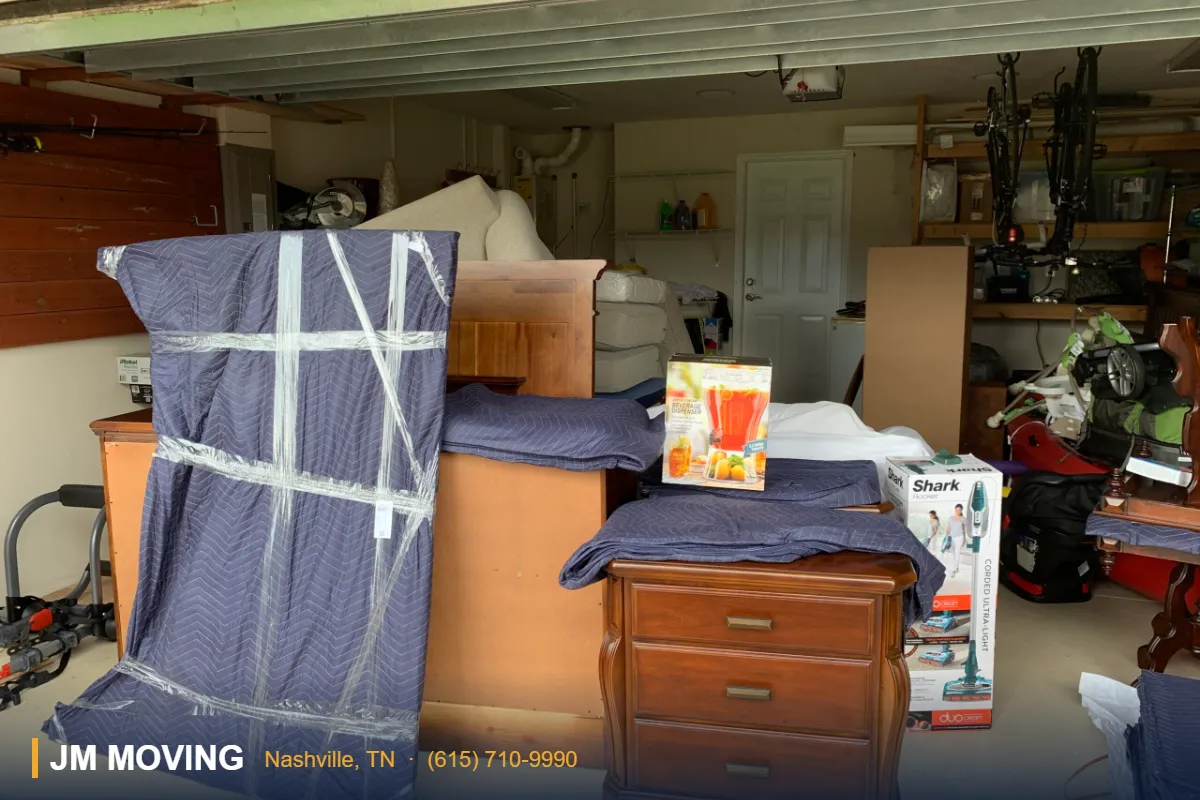
Use sturdy boxes that close and stack. Place heavier belongings in smaller cartons and lighter items in larger ones. Cushion fragile pieces, fill empty space so contents cannot shift, and reinforce box bottoms when necessary. Label the top and at least one side with the destination room and a brief description. Numbering boxes by room makes it easier to track the shipment.
Photograph electronics before disconnecting cables and place cords, remotes, and hardware in labeled bags. Empty furniture that should not travel loaded. Keep medication, identification, keys, documents, valuables, chargers, toiletries, and immediate-use clothing with you. Ask about belongings that should not be placed on the moving truck.
Choose the right service scope
JM Moving supports residential, apartment, commercial, office, packing, unpacking, loading, unloading, furniture, local, and long-distance moving needs. Some customers need transportation and handling only. Others request full packing, selected-room packing, furniture preparation, or help after delivery. Explain the services you want so they can be considered during planning.
Review the JM Moving services page and prepare questions. A defined scope gives the customer a clear preparation list and gives the moving team the information needed to organize the work. Notify JM Moving if the inventory, date, destination, access, or requested services change.
Coordinate access and building requirements
Local mileage may be short, but access and timing still matter. Downtown loading zones, apartment elevators, neighborhood parking, school traffic, gated entrances, and building rules can affect the schedule. Confirm where the truck may park, how long an elevator reservation lasts, and who can grant access. Share gate codes and contacts before the crew arrives.
Ask property managers whether move hours are restricted or a loading reservation is required. Measure large furniture against both properties. If street access is limited, determine the necessary arrangement in advance. Clear access is one of the most practical ways to prevent avoidable delays.
Prepare for local and long-distance differences
For local moves, focus on access, room labels, traffic, and an efficient order for loading and unloading. For long-distance moves, also confirm inventory details, pickup and delivery expectations, destination contacts, and the essentials you will carry personally. Plan for the possibility that you and the shipment may not arrive at exactly the same time.
Before an interstate move, review the Federal Motor Carrier Safety Administration’s Protect Your Move guidance. Keep copies of important documents and ask questions about anything you do not understand. A clear document plan is part of a seamless transition.
Organize apartment, condo, and office moves
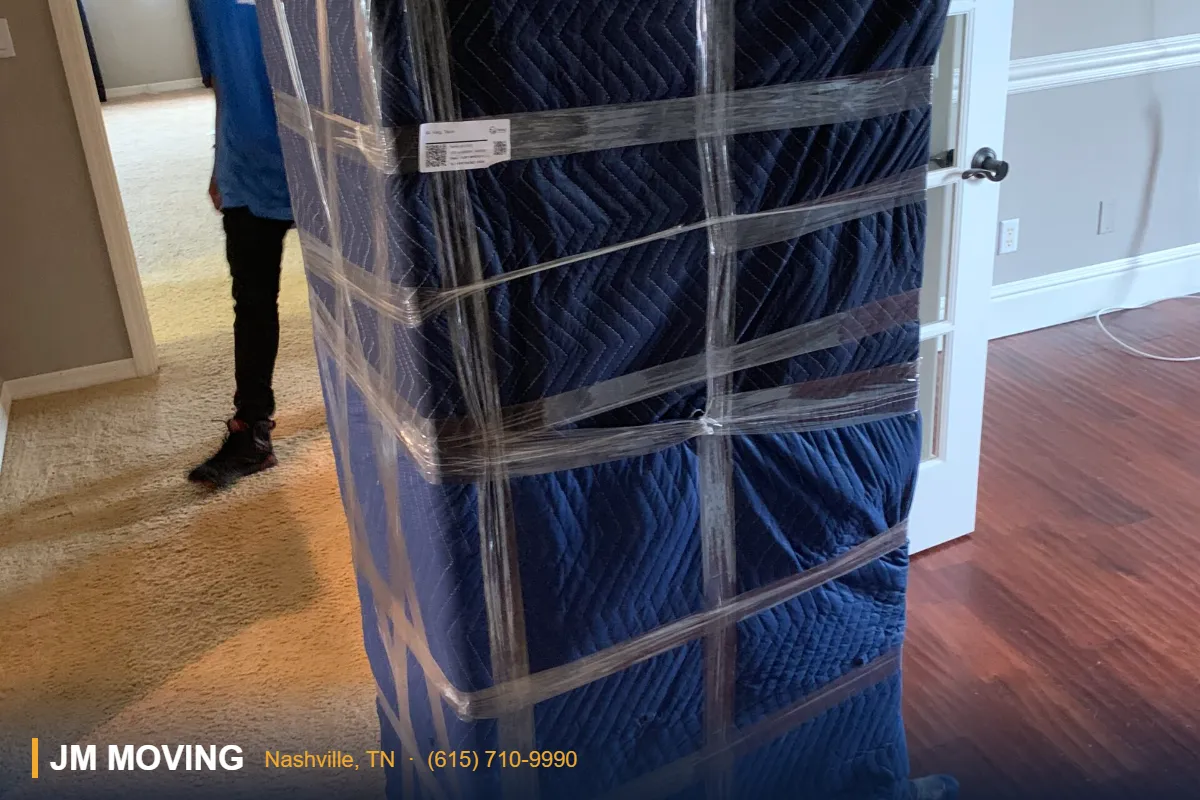
Apartment and condo residents should reserve elevators, verify move hours, protect common areas as required, share gate codes, and arrange parking or loading access. Tell building staff when appropriate so common spaces remain clear. At the destination, direct furniture placement before boxes fill the rooms.
For an office move, assign one decision-maker, map the destination, label workstations by department, back up important data, and prioritize equipment needed first. Communicate when operations will pause and resume. A staged plan may work better than moving everything at once, especially when business continuity matters.
Manage moving day
Be present when the crew arrives or appoint an authorized contact. Complete a walkthrough, identify belongings that are staying, point out fragile or special pieces, and review access. Keep children and pets safely away from active paths. Remain available for decisions that affect the plan.
At delivery, place furniture first and direct labeled boxes to their destination rooms. Keep essential furniture and priority boxes accessible. At completion, check the moving area and property, then raise questions promptly. Begin first-day setup with beds, medication, basic bathroom supplies, and simple kitchen items.
Nashville Moving Transition Checklist
- Confirm the move date, pickup and delivery addresses, and backup timing.
- Update the room-by-room inventory and identify fragile or oversized items.
- Reserve elevators, loading areas, parking, gates, and building access.
- Finish customer-packed boxes and label them by destination room.
- Keep identification, medication, documents, keys, chargers, and valuables with you.
- Complete pickup and delivery walkthroughs and document any approved changes.
A practical JM Moving approach
JM Moving brings 23+ years of moving experience and five-star service. The company uses flat-rate positioning to help Nashville customers understand the planned scope. Successful transitions still depend on complete information, realistic timing, property access, and clear communication from the initial request through delivery.
Seamless Moving FAQ
What is the first step in planning a smooth move?
Create a current inventory and confirm the date, locations, access, building rules, special items, and services you may need.
How far ahead should I begin?
Begin as early as practical. Extra time is especially useful for weekends, month-end dates, long-distance moves, and properties that require reservations.
How should boxes be labeled?
Label the top and at least one side with the destination room and a short description. Number boxes by room when practical.
What belongs in an essentials kit?
Keep identification, medication, keys, documents, valuables, chargers, toiletries, basic tools, and immediate-use clothing with you.
How can apartment residents prepare?
Reserve elevators, confirm move hours, share gate codes, measure large furniture, and verify parking or loading requirements.
How can a business limit disruption?
Assign a coordinator, map the destination, label workstations by department, back up data, and prioritize equipment needed first.
What makes long-distance planning different?
Long-distance moves require clear inventory details, pickup and delivery expectations, destination contacts, important documents, and an essentials plan.
What changes should I report?
Report changes to the inventory, addresses, date, access conditions, additional stops, special items, or requested packing and moving services.
What should happen when the crew arrives?
Complete a walkthrough, identify items that are staying, point out fragile pieces, review access, and remain available for decisions.
How should I organize the first day after delivery?
Set up beds, medication, bathroom basics, and simple kitchen supplies first. Unpack one room at a time and keep priority boxes accessible.
Plan your next Nashville transition
Share the date, locations, inventory, access conditions, and requested services so JM Moving can prepare an organized flat-rate moving plan.
Request a free moving quote or return to the JM Moving Nashville homepage.
Moving Transition Planning Nashville — 10 Planning Tips
- Confirm the move date, addresses, and requested service window.
- Build an accurate inventory.
- Identify stairs, elevators, parking limits, gates, and access rules.
- Separate fragile, oversized, and specialty items in advance.
- Keep medication, identification, keys, valuables, and documents with you.
- Label boxes by destination room and general contents.
- Clear hallways, stairs, and entry paths before the crew arrives.
- Keep a decision-maker available during service.
- Report inventory, address, or access changes before moving day.
- Review the written scope and quote before work begins.
Plan your Nashville move with JM Moving: call (615) 710-9990, review local moving services, or request a written quote.

Transitions That Need More Than a Moving Day
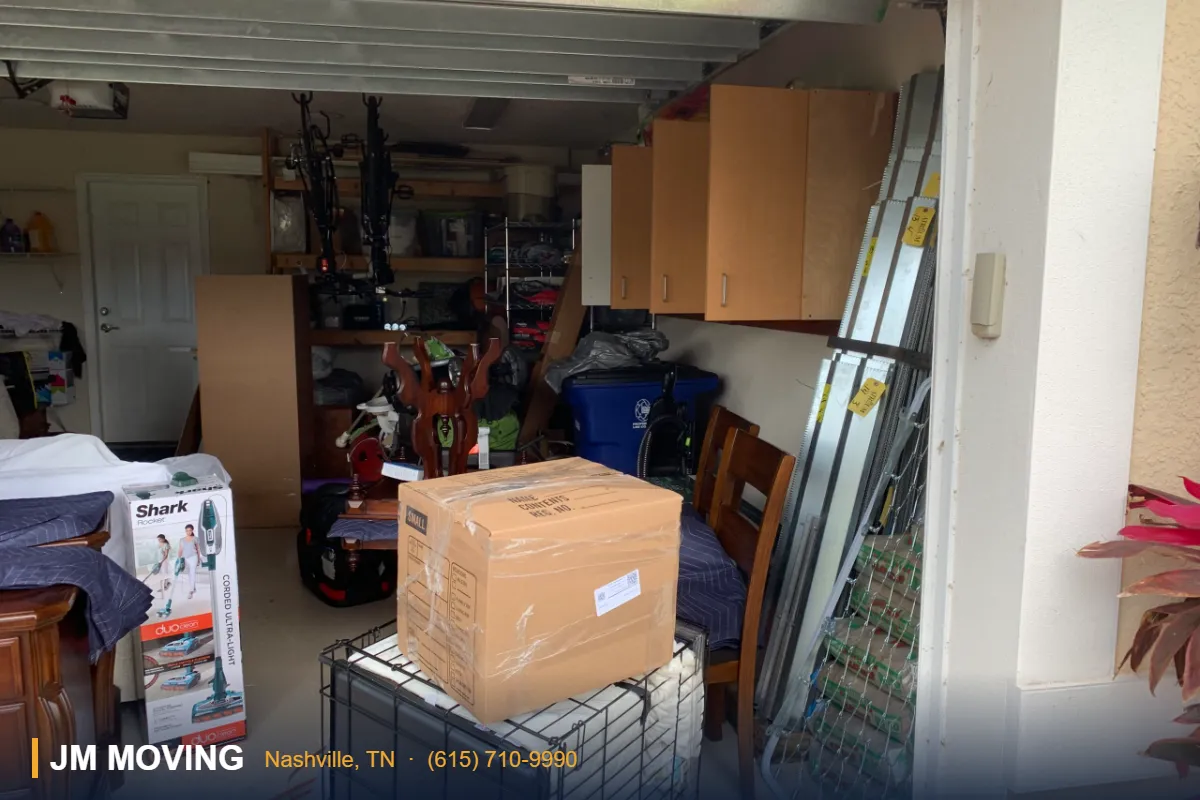
Some moves are part of a larger change: a new job, a marriage or divorce, a baby on the way, a parent moving closer, children leaving for college, or a downsizing after retirement. These moves often involve more than one destination, more than one date and more than one person making decisions. Planning them as a transition, not just a moving day, makes them easier.
Two households becoming one
When two people combine homes, there is almost always too much furniture. Decide early which pieces stay, which go to storage and which are sold or given away. Measure the new home and assign furniture to rooms. On move day, we can pick up from both homes and deliver to one, or deliver some items to storage on the way.
One household becoming two
When a household divides, clear agreements about what goes where prevent tense moments on move day. Label each item with its destination, and have the agreement in writing before the crew arrives. We can move to two addresses on the same day.
Helping a parent move closer
Moving a parent into a nearby home, a condo or a senior community usually means downsizing at the same time. We can deliver the furniture that fits to the new home, take other pieces to family members and move the rest to storage, all in one day if the plan allows.
Moving between two homes over weeks
When the sale of one home and the purchase of another do not line up, storage bridges the gap. We can load the old home, store your belongings and deliver when the new home is ready.
A Transition Calendar That Works
- Eight weeks out: Decide what is moving, where and when. Get dates for closings, leases and building reservations.
- Six weeks out: Book the walkthrough and the move. Start selling or donating items you will not take.
- Four weeks out: Start packing rooms you use least. Arrange storage if needed.
- Two weeks out: Confirm building rules, utilities, mail forwarding and school or employer paperwork.
- One week out: Finish packing, label everything by destination and room, and pack the first-night bag.
Pricing for Multi-Stop Transitions
For local moves, our rates are $250 per hour for two movers and a truck and $350 per hour for three movers and a truck. When a transition involves several stops or storage, we often recommend one flat rate based on a walkthrough, confirmed on a call, so you know the full cost of the plan. JM Moving works 24 hours a day, 7 days a week. Call (615) 710-9990.
Transition FAQ
Can you move us to two addresses on the same day? Yes, when the plan is set before move day. Can you store part of our furniture? Yes, and deliver it later. Do you help with senior transitions? Yes, including room setup at the new community. What if our closing date moves? Call us immediately; we can adjust or use storage. Are your rates different for multi-stop moves? No. We use the same hourly rates or one flat rate for the whole plan.
Every transition is different, and the best plan is the one built around your real dates and decisions. Call JM Moving at (615) 710-9990, at any hour, and tell us what is changing.
Keeping Records During a Transition
Transitions generate paperwork: closing documents, leases, storage agreements, school records and employer reimbursement forms. Keep one folder, paper or digital, for everything related to the move. Put the moving estimate, confirmation and invoice in the same place. When questions come up weeks later, you will know exactly where to look.
Whatever the transition, the plan should fit your life, not the other way around.
