Nashville Movers for Flat-Rate Moving Plans
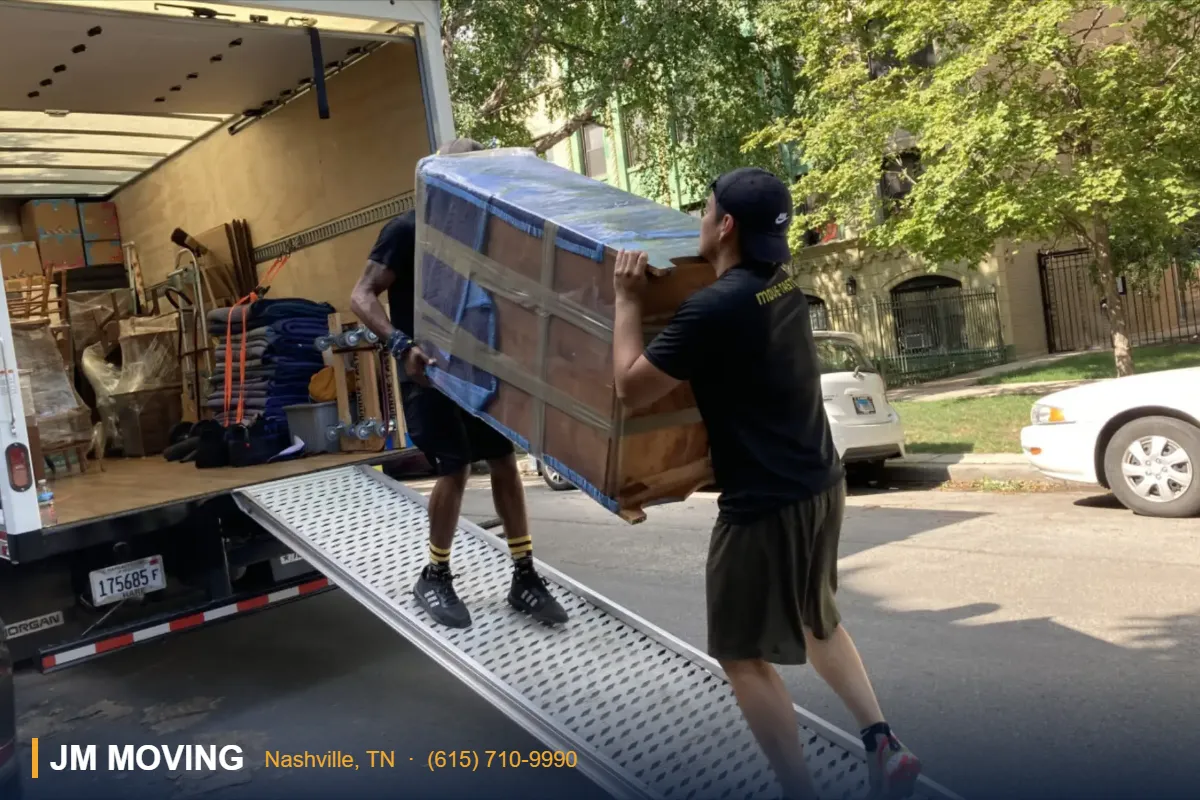
Customers comparing Nashville movers often want a price they can understand and a move they can prepare for. JM Moving’s approved flat-rate positioning is supported by collecting accurate information about the inventory, locations, access, timing, and services requested. A useful flat-rate moving plan is not a shortcut around details; it is the result of defining those details before moving day. JM Moving provides professional local and long-distance moving services for Nashville customers.
Contact JM Moving for a quote to discuss the inventory, access, route, timing, and services needed.
What a Flat-Rate Moving Plan Needs
Begin with a complete inventory, estimated box count, both addresses, property types, requested date, and preferred services. Add stairs, elevators, parking limits, gates, loading docks, carrying distance, large furniture, fragile belongings, specialty items, and extra stops. Explain what is already packed and what still needs attention. A written plan is only as useful as the information used to prepare it.
Flat-Rate Moving Planning Snapshot
| Planning item | What to confirm |
|---|---|
| Inventory | Furniture, boxes, appliances, fragile and specialty items |
| Access | Stairs, elevators, parking, gates, and carry distance |
| Services | Packing, loading, transportation, unloading, and placement |
| Changes | How added items, access changes, or date changes affect the scope |
Compare Complete Scopes, Not Just Prices
When comparing movers, check whether each estimate covers the same inventory, route, labor, packing, furniture preparation, transportation, placement, and access conditions. Ask how additions or changes are handled. A lower number may represent a narrower scope. Keep written documents and ask questions before agreeing. Do not rely on verbal assumptions about materials, disassembly, waiting time, storage, or services at an extra stop.
Reduce Preventable Scope Changes
Finish decisions about selling, donating, or discarding large items before the inventory is finalized. Update the box count as packing progresses. Confirm destination access and measure furniture. Reserve elevators and legal loading areas. Report newly added rooms, storage units, appliances, outdoor items, or heavy pieces. Changes happen, but early notice gives JM Moving an opportunity to review the plan before the scheduled service.
Prepare Belongings and Property
Label boxes by destination room, limit weight, cushion fragile contents, and tape securely. Separate items that are not moving. Keep pathways clear and protect children and pets from active work areas. Disconnect appliances only as appropriate and according to manufacturer or qualified-provider guidance. Empty furniture when requested, secure loose components, and identify existing damage. Do not attempt unsafe lifting or disassembly.
Plan Local and Long-Distance Moves Carefully
Local and long-distance moves share the need for inventory and access planning, but long-distance service also requires close attention to route, delivery expectations, travel, and documents. Interstate customers should review federal consumer resources and keep copies of relevant paperwork. Carry medications, IDs, keys, payment methods, chargers, valuables, and immediate necessities rather than placing them in the shipment.
Use the Quote Conversation Productively
Prepare questions about what is included, arrival expectations, crew and equipment planning, packing options, furniture preparation, payment terms, access delays, and how inventory changes are addressed. Share photographs when requested and be specific about oversized or delicate items. The goal is a practical plan that both the customer and JM Moving can understand before moving day.
Moving Preparation Checklist
- Confirm the origin, destination, date, and contact people.
- Build a room-by-room furniture and box inventory.
- Record stairs, elevators, gates, parking, loading areas, and long carries.
- Identify fragile, oversized, unusually heavy, or high-priority items.
- Decide what you will pack and where professional packing may help.
- Keep documents, medicine, valuables, keys, and essentials with you.
- Reserve property access and verify permitted moving hours.
- Review the written scope and report changes before moving day.
- Label boxes by destination room and prepare a placement plan.
- Complete pickup and delivery walkthroughs with an authorized adult.

Related JM Moving Services and Consumer Resources
Review JM Moving services in Nashville and packing services in Nashville. Customers planning an interstate relocation can read FMCSA Protect Your Move consumer guidance. The federal resource is useful for understanding estimates, documents, and fraud-prevention considerations; the specific service scope still needs to be confirmed directly with JM Moving.

JM Moving brings more than 23 years of moving experience and uses five-star service standards. These points do not replace a written plan for the individual move. Ask what applies to your inventory, locations, schedule, and requested services.
Frequently Asked Questions
What information should I provide when requesting a quote for flat-rate moving in Nashville?
Share both addresses, the preferred date, a room-by-room inventory, estimated box count, stairs, elevators, parking or loading restrictions, long carries, unusually heavy items, fragile belongings, and the services you want. Accurate details help JM Moving discuss a practical scope and flat-rate estimate.
How early should I contact JM Moving about flat-rate moving in Nashville?
Contact JM Moving as soon as your date and locations are reasonably clear. More notice gives you time to confirm building rules, organize the inventory, decide whether packing help is needed, and review the written scope. Availability must be confirmed for the requested date.
Can JM Moving help with local and long-distance moves?
JM Moving provides professional local and long-distance moving services. The plan depends on the route, inventory, property access, timing, and requested services. Interstate customers should also review federal consumer information before choosing a mover.
What can change the scope or price of a move?
Inventory changes, added packing, stairs, elevators, long carrying distances, difficult parking, specialty items, extra stops, route changes, storage coordination, and date or access changes can affect the work. Report changes before moving day so the written plan can be reviewed.
Should I request packing services?
Packing help can be useful for a full home, selected rooms, fragile belongings, offices, or a compressed schedule. Decide what you will pack yourself, identify items needing special preparation, and confirm whether materials, labeling, unpacking, and debris handling are included.
How should I prepare furniture before the movers arrive?
Empty furniture when appropriate, secure or remove loose components, identify existing damage, and point out items that may need disassembly. Do not attempt unsafe lifting. Confirm in advance which preparation and reassembly tasks are included in the written scope.
What should stay with me instead of going on the truck?
Keep identification, medications, keys, payment methods, important documents, jewelry, irreplaceable keepsakes, chargers, and immediate-use essentials with you. Ask about prohibited or restricted items before packing.
How can I make loading and delivery more efficient?
Label boxes by destination room, keep hallways clear, reserve elevators or loading areas, arrange lawful parking, separate items that are not moving, and prepare a simple placement plan. Have an authorized decision-maker available at pickup and delivery.
What should I review in the written moving scope?
Confirm addresses, dates, arrival expectations, inventory, included labor, packing or materials, furniture preparation, transportation, delivery, payment terms, and how changes are handled. Ask questions before accepting the plan and keep a copy of relevant documents.
How do I get started with JM Moving?
Use the JM Moving quote form or contact page and provide the move details. The team can discuss local or long-distance needs, packing, loading, unloading, furniture handling, access requirements, and the next steps for a written estimate.
Plan Your Move With JM Moving
Ready to define the scope? Request a detailed quote or contact JM Moving. Provide the inventory, addresses, access conditions, requested date, and the moving or packing help you want.
Ready for your Nashville move? Call JM Moving at (615) 710-9990 or request a written quote.
Nashville Movers | Flat-Rate Moving — 10 Planning Tips
- Confirm the move date, addresses, and requested service window.
- Build an accurate inventory.
- Identify stairs, elevators, parking limits, gates, and access rules.
- Separate fragile, oversized, and specialty items in advance.
- Keep medication, identification, keys, valuables, and documents with you.
- Label boxes by destination room and general contents.
- Clear hallways, stairs, and entry paths before the crew arrives.
- Keep a decision-maker available during service.
- Report inventory, address, or access changes before moving day.
- Review the written scope and quote before work begins.
Plan your Nashville move with JM Moving: call (615) 710-9990, review local moving services, or request a written quote.
How to Verify a Mover’s License and Insurance Yourself
“Licensed and insured” appears on almost every moving website. These steps help you confirm what it actually means for the company you are considering.
Check federal registration for interstate moves
Movers that carry household goods across state lines must have a USDOT number and operating authority from the Federal Motor Carrier Safety Administration. Search the number on the FMCSA website and confirm that the company name, address and status match. For a move that stays inside Tennessee, ask what registration and insurance the company carries for local work.
Ask for a certificate of insurance
A certificate of insurance (COI) is a one-page document from the mover’s insurance company showing general liability, auto liability and often workers’ compensation coverage, with dates and limits. Professional movers can usually send one within a business day. Condo associations and high-rise buildings in Nashville often require a COI naming the building as additional insured before they allow a move.
Understand workers’ compensation
If a mover is injured on your property and the company does not carry workers’ compensation, questions about who pays can become complicated. Ask whether the crew are employees covered by workers’ compensation.
Insurance Is Not the Same as Valuation
Many customers assume a mover’s insurance covers the value of their belongings. Usually, that is handled separately through valuation, the mover’s liability for your goods. On interstate moves, basic released value coverage is limited to 60 cents per pound per item, and full value protection is available at additional cost. For local moves, ask the mover to explain in writing how damage claims are handled and what limits apply. Your homeowner’s or renter’s policy may also provide coverage, so a quick call to your agent before moving day is worthwhile.
What We Do to Prevent Claims in the First Place
Insurance matters most when something goes wrong, but good process keeps it from going wrong. JM Moving’s standard service includes a walk-through before the price is final, floor runners, door-jamb pads, corner guards and banister covers, wrapped furniture, written condition notes on art, pianos and safes, and custom crating for art and mirrors.
Questions to Ask Before You Book
- What is your USDOT number, and will your own crew and truck handle my move?
- Can you send a certificate of insurance, and can it name my building as additional insured?
- How are damage claims handled, and what is the time limit for reporting them?
- Who should I call on moving day if there is a problem?
Insurance Requirements in Nashville Condos and High-Rises
Many condo buildings and luxury apartments in the Gulch, Midtown, downtown and West End require movers to provide proof of insurance before the move is allowed. Requirements commonly include minimum limits for general liability and auto liability, workers’ compensation and naming the building and its management company as additional insured. Ask your building for its sample certificate early and send it to us. We arrange the certificate directly with our insurance provider so it matches the building’s wording.
What Happens If Something Is Damaged
Even with careful handling, accidents can happen. If something is damaged during a move:
- Note the damage on the paperwork before the crew leaves, with a short description.
- Take clear photos of the item and the damage the same day.
- Keep the item and its packaging until the claim is resolved.
- Contact the mover in writing with the photos, a description and any repair estimate.
- Keep a copy of every message and document.
For interstate moves, federal rules give you up to nine months from delivery to file a written claim, and the mover must acknowledge and respond within set timeframes. For local moves, ask the mover for its claim process before moving day.
Protecting Your Home, Not Just Your Belongings
Damage to a home, such as a scraped wall, a dented door frame or a scratched floor, can be more expensive than damage to furniture. Ask movers how they protect the property itself. Our crews use floor runners, door-jamb pads, corner guards and banister covers on every job, and the crew lead walks the home with you before and after the move.
Licensed and Insured Is the Minimum, Not the Standard
Registration and insurance tell you that a mover meets basic requirements. They do not tell you how carefully the crew will handle your belongings. After confirming registration and coverage, look at what the company does to prevent damage: the walk-through, the protective materials, the training of its crews and whether it documents the condition of valuable items before moving them. Those habits are what keep claims from happening.
Coverage on Specialty Items
Pianos, safes, antiques and fine art are often the most valuable items in a home and the hardest to replace. Ask how the mover covers them, whether you should declare their value separately, and whether your homeowner’s policy has a scheduled-items rider. Take photos of each piece before moving day, and keep receipts or appraisals where you have them.
Keep Your Paperwork Together
Before moving day, save a copy of the mover’s certificate of insurance, the written quote or flat-rate agreement, and the USDOT number for interstate moves in one folder or email thread. If your building asked for a certificate, keep the confirmation that it was received. Having everything in one place makes moving day smoother and makes any follow-up, from a building question to a claim, much faster to resolve.