

Sheet music and music books can be easy to overlook in a moving estimate because they often share shelves with instruments, accessories and personal records. A Nashville packing inventory should separate those groups and explain what is already boxed. This guide focuses on collection names, container counts and practical room labels, without reproducing music or assuming that all material needs the same handling.
Start with the room inventory checklist. Use the packing scope checklist to explain unfinished work, and the photo walkthrough guide for storage and access details.
Ten tips for recording a music collection
1. Sort by collection before counting
Separate lesson books, loose sheet music, ensemble folders and personal compositions before creating the inventory. Record each collection as a clear group rather than counting every page as a moving item. In a Nashville home music room, the same shelf may hold performance folders, family papers and books that belong to another musician. Identify what is yours to move and what needs a separate handoff. Keep private or borrowed material out of the general packing group until its destination is decided.

2. Give loose pages a named folder
Keep related pages together and record the folder’s name on your item list. A rehearsal packet, handwritten arrangement and lesson notes should not become one unidentified stack. Choose labels that help you recognize the group without publishing private contents. Do not write personal account information or access details on a box exterior. The moving inventory needs the number and destination of folders, not photographs of every page or a reproduction of the music.
3. Distinguish books from loose scores
Record bound music books separately from folders and loose sheets. Note unusual sizes and any collection that needs a specific protection review. A few large orchestral scores may use different containers from small lesson books. Photograph the outside of the group if it helps explain its size. Avoid assuming that a stack of paper and a tightly packed bookshelf have the same handling requirements. Tell JM Moving what is packed and what still needs assistance.
4. Identify personally carried originals
Decide which original manuscripts, irreplaceable notes or immediate-use performance material you want to keep with you. Mark that group as excluded from the crew’s load. This is your organizational decision, not a claim that every score must travel in a personal vehicle. Keep the group clearly separate so it is not loaded accidentally. Make the same distinction on your room inventory and tell the person meeting the crew which collection is staying with you.
5. Record container sizes and quantities
Count packed cartons and folders by approximate size and room group. Books and scores can form dense cartons, so do not overfill a box simply to reduce the count. Tell the team if a container is difficult to handle and request a practical review. Avoid trying an unsafe lift to estimate its weight. A useful list distinguishes sealed book cartons from loose folders and projected packing that has not yet been completed.
6. Keep accessories on a separate line
Music stands, lamps, clips, binders and instrument accessories belong on their own inventory lines. They are not automatically included in a count of music books. Describe dimensions and detachable pieces where relevant, while leaving preparation and handling decisions for the appropriate review. For an electronic accessory, use its maker information and follow the owner’s or manufacturer’s preparation instructions. Do not add technical repair or disassembly work to the moving scope without discussing it.
7. Label the destination music area
Use a consistent destination name, such as home music room, study shelf or bedroom bookcase. If several musicians share a home, add an owner or collection identifier that makes sense to your household. Match those labels to the room list so unpacking does not depend on guessing. Keep a current record of any group going elsewhere. An extra delivery address needs an itinerary review rather than an assumption that it is part of a simple local move.
8. Explain access from the original storage area
Tell the team where the collection currently sits. Upstairs shelving, a studio closet and boxes in the garage have different access information. Include the route to the loading entrance, along with any relevant stairs or building elevator window. You do not need to move the entire collection for a photograph. Show what can be observed safely and identify areas you have not been able to inspect. The crew can review any remaining access questions.
9. Separate packing responsibility from transport
State whether you will finish organizing and boxing the music, or whether you want packing help for specified groups. A transport inventory does not automatically include sorting hundreds of loose pages or arranging a catalog system. Describe the work you want and what will already be ready. Use a current packing-status note instead of saying the room is nearly finished. Ask JM Moving to review the requested scope before the final written price is confirmed.
10. Update the collection list before moving day
After you finish packing, send a dated count of sealed cartons, folders and personally carried groups. Identify any music books or accessories added after the earlier inventory. Keep the list accessible to the person receiving the boxes at the new home. If a performance or lesson requires a collection before unpacking is complete, mark that practical priority on your own list. Contact the team directly about any changed handling or service request.
A practical collection record
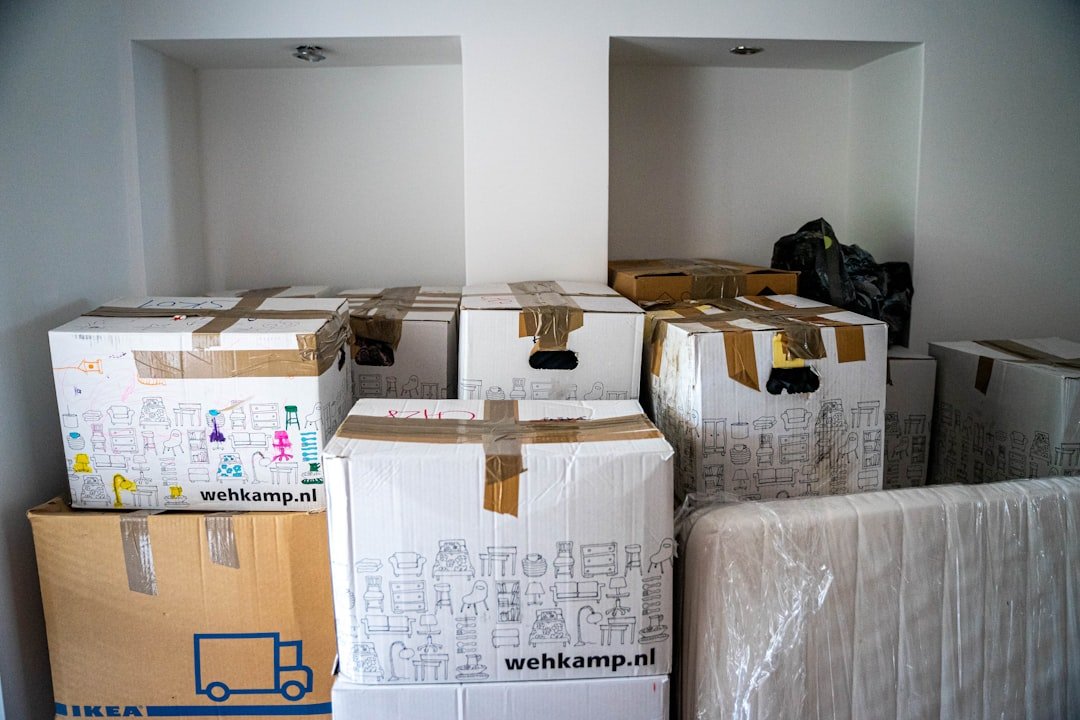
For each group, record its name, current room, packed or loose status, approximate container count and destination. For example, distinguish two sealed lesson-book cartons from an unboxed ensemble folder and a personally carried manuscript bag. Those are sample record categories, not a customer story. A small studio inside a Nashville apartment may also need an elevator-window note; a house music room may need the route from an upstairs bookcase. State what you know and identify unresolved details.
Build a collection-to-container index before the final count
A sheet-music moving inventory becomes easier to check when collection names and container numbers are separate fields. Use a short collection name such as lesson library, choir folders or personal arrangements, then assign each packed carton its own identifier. If one collection spans several cartons, repeat the collection name but change the carton number. Avoid renumbering the entire group whenever one additional book appears; add a new line and date the update instead.
For a practical example, imagine a household with three distinct groups: teaching books destined for the study, rehearsal folders needed this week, and borrowed ensemble parts waiting for return. The first group may be recorded as packed cartons, the second as an owner-carried folder, and the third as excluded pending an ownership decision. This is a planning example, not a description of a JM Moving customer. Its purpose is to prevent three very different responsibilities from disappearing under the phrase music-room contents.
| Record field | Useful entry | What to verify |
|---|---|---|
| Collection and carton | Teaching library, carton M-01 | Actual sealed-carton count |
| Preparation owner | Household member or requested packing review | Whether the task is complete |
| Destination | Study, lower bookcase area | Room label matches the receiver’s list |
| Excluded group | Rehearsal folder, owner carried | Kept outside the loading group |
Protect the paper without turning sorting into restoration
The Library of Congress guidance for works on paper recommends clean handling, appropriate supportive enclosures and avoiding tape, rubber bands or fasteners directly on paper. That is particularly relevant when separating loose scores. Do not apply a moving label to an original manuscript, fold an oversized page to fit a convenient carton, or attempt to repair brittle sheets on packing day. Ask a qualified paper conservator about deteriorated or unusual material.
Keep the moving label on the outside container and your detailed catalog in a separate private record. A container label can communicate destination and handling concerns without disclosing the names of students, unpublished compositions or financial information tucked into a folder. If the collection cannot yet be safely packed, describe its condition and request a review rather than marking it ready. Photographs of exterior groups are usually more useful for volume planning than images of individual pages.
Check the handoff in two short passes
Before loading, compare the current container index with the cartons actually present. Mark missing identifiers, unfinished packing and owner-carried folders so the receiving person does not expect them on the truck. Check the shelf and nearby drawer for accessories that were set aside after the first count. Do not reopen sealed cartons solely to repeat a page-by-page catalog while the loading route is active.
At the destination, match carton identifiers to the room list and note visible concerns promptly through the agreed communication process. Container receipt is different from verifying every score inside: keep those two checks distinct. Once the room is calm, reconcile the private collection catalog and arrange borrowed-material returns separately. For related room planning, see the piano bench and accessory checklist; piano handling and sheet-music packing should remain separate requested tasks.

Frequently asked questions
Should I inventory every sheet of music?
A useful moving list can identify named folders and collections, plus container sizes and counts. You can keep a more detailed personal catalog separately without exposing private pages in a quote request.
What if some music belongs to another person?
Keep borrowed or shared collections identified and decide their destination before packing. Do not silently include them in your own inventory when ownership or return arrangements remain unresolved.
Should originals travel with the moving crew?
Decide which originals or immediate-use material you want to carry personally and mark them as excluded. Discuss any collection needing special protection with the moving team.
Do music stands count as part of the book inventory?
List stands and other accessories separately, with dimensions or model information where useful. A count of cartons does not tell the team about larger equipment in the room.
How do I describe heavy book cartons?
Record approximate size, quantity and contents category, and mention any handling concern. Avoid overfilling containers or attempting an unsafe lift simply to report a weight.
What if I have not finished sorting the pages?
Separate completed packing from loose groups that still need work. Tell JM Moving which tasks you will finish and which packing assistance you want reviewed.
Should I photograph every page for the estimate?
No. Clear group photographs and container information can introduce the inventory. Keep private material outside the frame and ask if the team needs further size or access details.
Can I request a specific unpacking priority?
Mark the collection and destination clearly and discuss any requested service with the team. An item label helps communicate priority but does not automatically add unpacking to the agreed scope.
How is a music-collection moving estimate reviewed?
Share container counts, packing status, collection sizes and access details with JM Moving. Ask for current written pricing and the services it covers; this checklist does not quote a rate or confirm a booking.
How do I request a music-room inventory review?
Call (615) 710-9990 or visit JM Moving with the collection list, both addresses and preferred date. Ask the team to confirm availability and any requested packing help directly.
Review your Nashville music-room moving list
Contact JM Moving at (615) 710-9990. Share the latest list and requested services so the team can review the inventory, access and available moving window before confirming the final written price.
