Nashville to Washington, DC Movers

A long-distance move from Nashville to Washington, DC needs a complete inventory, realistic timing, coordinated building access, and clear delivery expectations. JM Moving provides Tennessee intrastate long-distance moving. For a Nashville-to-DC move, verify the authorized interstate carrier and required documents, including the bill of lading, before booking; JM Moving can help with Nashville packing and loading. For longer-route planning, review our long-distance movers Nashville guide.
This guide explains how to prepare the Nashville pickup, Washington destination, documents, packing, and first-day setup. It preserves the existing page address and uses native WordPress blocks without page-builder markup.
Plan the Nashville-to-Washington, DC route
A Nashville-to-DC move crosses state lines and requires more preparation than a short local move. Confirm the pickup and delivery addresses, preferred date, destination contact, building rules, and the inventory that will travel. Discuss delivery expectations and keep important documents accessible throughout the transition.

Do not assume access will be the same at both ends. A Nashville house may offer a driveway while a Washington apartment or office may involve restricted loading, elevators, building security, or limited curb access. Research destination requirements early and communicate verified instructions.
Build a complete moving inventory
| Planning item | What to confirm |
|---|---|
| Inventory | Furniture, boxes, appliances, specialty and fragile items. |
| Access | Stairs, elevators, parking, gates and carrying distance at origin and destination. |
| Route plan | Requested dates, destination contact, travel essentials and delivery access. |
Walk through every room, closet, garage, patio, attic, and storage area. List furniture, appliances, estimated box counts, outdoor belongings, exercise equipment, and anything unusually heavy or delicate. Identify pieces that may need disassembly and include belongings at additional pickup points. A current inventory helps your interstate carrier understand the work.
Review the inventory shortly before moving day. Report belongings that were added, removed, donated, sold, or placed in storage. Photos can help explain size and access, but they should supplement rather than replace a complete list. Accurate information helps your interstate carrier prepare a practical written estimate.
Prepare for an interstate move
Review the FMCSA Protect Your Move guidance before accepting interstate service. Read the documents you receive, retain copies, and ask questions about unfamiliar language. Confirm how inventory changes or access differences affect the plan.
Create an essentials kit for the period between pickup and delivery. Include medication, identification, chargers, clothing, toiletries, work necessities, and basic items needed on arrival. Plan for the possibility that you and the shipment may not reach Washington, DC at exactly the same time.
Document access at both properties
Record stairs, elevators, narrow halls, gated entrances, loading docks, long walks from parking, restricted move hours, and curb limitations. Measure oversized furniture against doors, stairwells, and elevator openings at pickup and delivery. Share property contacts, gate codes, and parking instructions before service begins.
Ask property management about elevator reservations, loading zones, security procedures, and required documents. Research any Washington, DC parking arrangements through the appropriate local authority. Early coordination is more useful than discovering that the planned loading area is unavailable.
Pack for protection and delivery
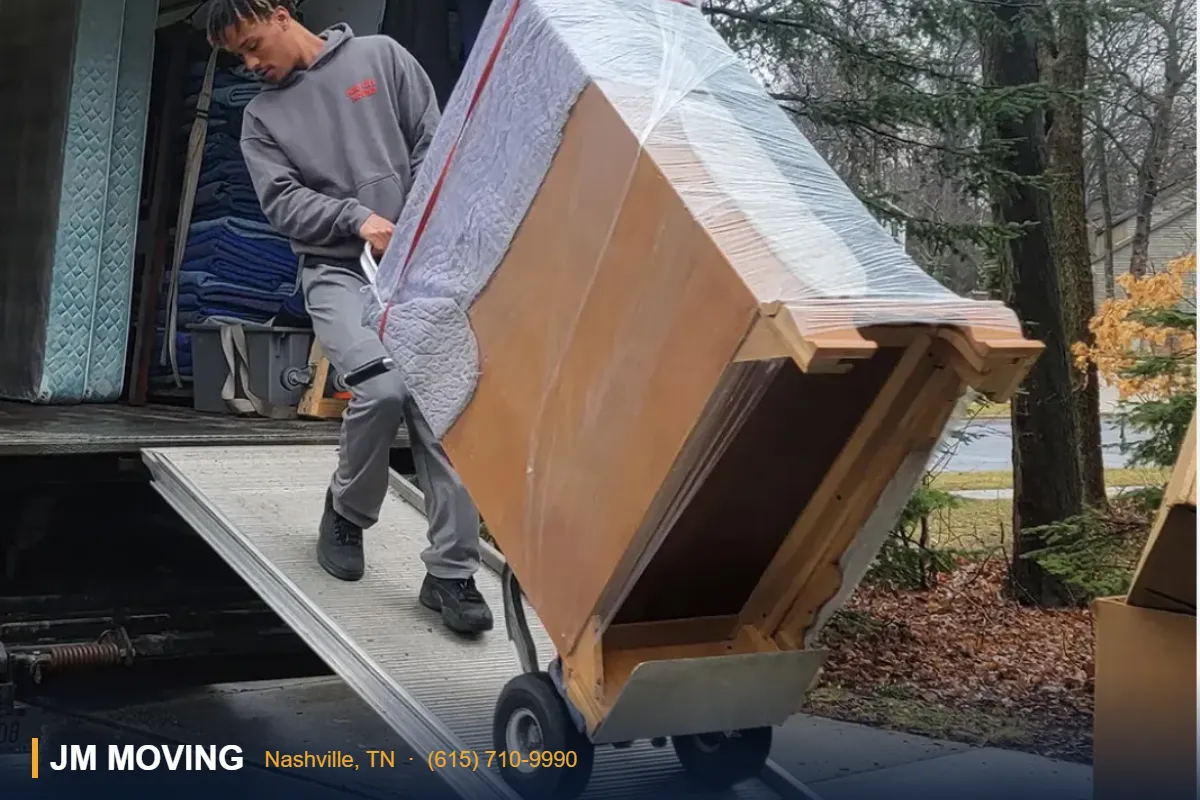
Use sturdy cartons that close and stack. Place heavier belongings in smaller boxes and lighter items in larger boxes. Cushion fragile pieces, fill empty spaces so contents cannot shift, and reinforce box bottoms when needed. Label the top and at least one side with the destination room and a brief description.
Photograph electronics before disconnecting cables, then place cords, remotes, and hardware in labeled bags. Empty furniture that should not travel loaded. Keep identification, medication, keys, legal documents, valuables, chargers, toiletries, and immediate-use clothing with you.
Choose services that match the move
JM Moving supports residential, apartment, commercial, office, packing, unpacking, loading, unloading, furniture, local, and long-distance moving needs. Some customers pack independently, while others request whole-property packing, selected-room packing, furniture preparation, or unpacking support.
Review the JM Moving services and explain the requested support. The written plan should identify included work, customer responsibilities, locations, date, inventory, and access assumptions. Report changes before moving day.
Coordinate the Washington destination
Contact the destination property about elevator reservations, loading hours, security, required documentation, and vehicle access. Measure large furniture against the destination entrance, halls, stairs, and elevator. Provide an authorized destination contact if you will not be present.
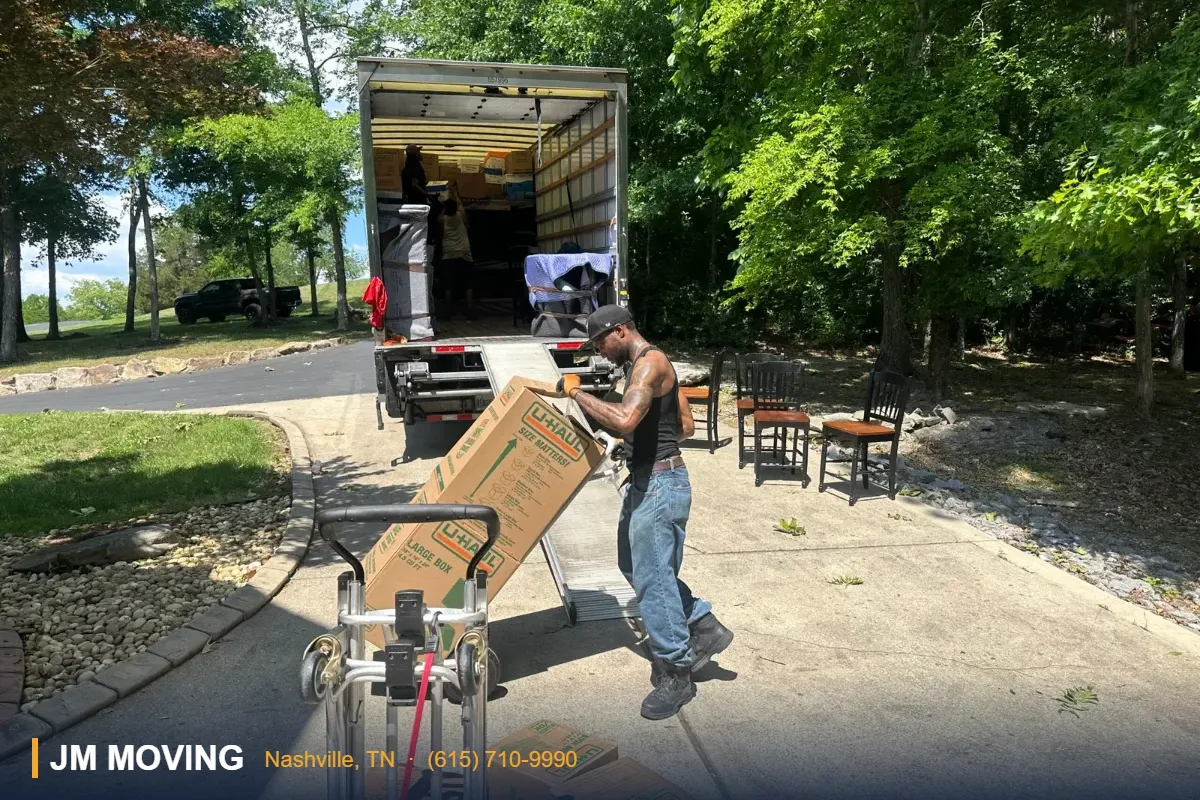
At delivery, place furniture first and route cartons by room. Check closets, storage areas, and the moving space before the crew departs. Start first-day setup with safety, bedding, medication, bathroom supplies, and simple kitchen items, then unpack one room at a time.
Manage moving-day communication
Be present when the moving team arrives or appoint an authorized contact. Complete a walkthrough, identify belongings that are staying, point out fragile or special pieces, and review access. Keep walkways clear and remain reachable so questions can be resolved promptly.
JM Moving reports 23+ years of moving experience and five-star service. Its flat-rate positioning is intended to help customers understand the planned scope. The value comes from matching the work to the actual inventory, locations, access, distance, date, and requested services.
Nashville to Washington, DC Moving Checklist
- Confirm both addresses, move date, destination contact, and delivery expectations.
- Review a current room-by-room inventory, including extra stops and specialty items.
- Reserve elevators, loading areas, parking, and building access at both properties.
- Finish packing and label cartons by destination room.
- Keep FMCSA documents, identification, medication, valuables, chargers, and travel essentials with you.
- Measure oversized furniture against destination doors, halls, stairs, and elevators.
- Report any address, date, inventory, access, or service changes before moving day.
Complete a final preparation review
Several days before service, compare the current inventory with the written moving plan. Confirm every pickup and delivery location, the service date, access instructions, requested packing work, special items, and additional stops. Make sure the responsible contact at each property knows the schedule and can answer questions. If anything has changed, report it before moving day so the scope can be reviewed while there is still time to adjust the plan.
Finish customer-packed cartons by the agreed time and separate belongings that should not be moved. Create a clearly marked essentials area for identification, medication, documents, keys, valuables, chargers, toiletries, work necessities, and immediate-use clothing. Confirm arrangements for children and pets, clear active walkways, and keep elevators or loading areas available during the approved period.
Organize the first day after delivery
At the destination, place major furniture before boxes fill the rooms. Direct labeled cartons to their intended areas and locate priority belongings before opening nonessential packages. Set up beds, medication, bathroom basics, essential work equipment, and simple kitchen supplies first. An orderly first-day sequence helps the household or business become functional without creating new clutter.
Check the moving area and property at completion, then record any questions while details are fresh. Keep a short follow-up list for utilities, address changes, returned keys, building requirements, or remaining deliveries. This final review connects moving-day work with a controlled transition into the new space.
Frequently Asked Questions
Does JM Moving handle moves from Nashville to Washington, DC?
JM Moving serves Tennessee intrastate routes; interstate customers should verify the authorized interstate carrier and applicable requirements before booking. JM Moving can help with Nashville packing and loading.
What details are needed for a Nashville-to-DC plan?
Share both addresses, the date, full inventory, stairs or elevators, parking, building restrictions, additional stops, and requested packing or moving support.
How should I prepare for parking and loading in Washington, DC?
Confirm destination building rules and loading access, and research any locally required parking arrangements before moving day. Share the final instructions with the moving team.
Can packing support be included?
Yes. Explain whether you need whole-property packing, selected rooms, fragile-item preparation, or unpacking at the destination.
What documents should I keep accessible?
Keep the moving plan, identification, medication, keys, destination contacts, legal documents, valuables, and essential travel information with you.
How should apartment residents prepare?
Reserve elevators, confirm move hours, provide building contacts, measure furniture, and verify loading access at both properties.
What changes should I report?
Report inventory additions, address or date changes, extra stops, access changes, special items, or added packing needs before moving day.
What should go in an essentials kit?
Pack medication, chargers, toiletries, clothing, basic kitchen items, important documents, and anything needed before the shipment is fully available.
Where can I review interstate moving guidance?
The Federal Motor Carrier Safety Administration publishes Protect Your Move resources about interstate estimates, documents, and consumer rights.
What should I do at delivery?
Direct furniture placement, route labeled boxes to their rooms, locate priority belongings, inspect the moving area, and raise questions promptly.
Parking a Moving Truck in Washington, DC
Parking is the single biggest planning issue on a move into the District. Many streets in neighborhoods such as Capitol Hill, Dupont Circle, Logan Circle and Georgetown are lined with rowhouses and have little or no space for a large truck. The District Department of Transportation offers temporary “Emergency No Parking” signs that reserve curb space for a moving truck. Apply for them well ahead of your delivery date, post them on time, and keep a copy of the approval. Without reserved space, a crew may have to double-park or carry furniture a long way, which slows the move and can lead to tickets.
Rowhouses, Condos and Older Buildings
- Rowhouses. Narrow front doors, steep interior stairs and tight turns are common. Measure sofas, box springs and large dressers against the stairwell before moving day, and expect some pieces to be lifted through a window or moved in sections only if they cannot fit any other way.
- Condo and apartment buildings. Most buildings require an elevator reservation, a certificate of insurance and a move during set hours. Some do not allow weekend moves.
- Suburban Maryland and Northern Virginia. Many people moving for work in DC settle in Bethesda, Silver Spring, Arlington or Alexandria. Each jurisdiction and many HOAs have their own parking rules, so check with the property manager or HOA.
Planning the Drive
The drive from Nashville to Washington, DC is roughly 650 to 700 miles, depending on the route, through Knoxville and up through Virginia. It is a long day for a loaded truck. Most moves on this route are loaded in Nashville on one day and delivered after an overnight stop, and the delivery window is set so the crew arrives during your building’s permitted hours.
The First Week in DC
Update your address with the USPS and your bank before you leave Nashville. In the District, new residents have a limited time to obtain a DC driver’s license and register their vehicle, so check the DC DMV website for current requirements. If you are moving for a federal job, keep your relocation paperwork with your essentials rather than in the truck, as you may need it for reimbursement.
Getting a Flat Rate
We quote Nashville-to-Washington, DC moves as a flat rate after reviewing your inventory and the access at both ends, including parking at the destination. Call us any time, 24 hours a day, 7 days a week.
Moving for a Government, Military or Contractor Job
Many moves from Nashville to the Washington area are tied to federal jobs, military assignments or government contracting work. If your move is paid for or reimbursed by an employer or agency, ask for its rules in writing before you book. Some programs require specific paperwork, itemized receipts or more than one estimate. Keep all moving documents in a separate folder and give a copy of any required forms to your mover early.
Packing for a Rowhouse or Smaller Apartment
Homes in the District are often smaller than homes in Middle Tennessee. Before you pack, measure the rooms in your new home and compare them with your furniture. Large sectionals, king beds and oversized dining tables may not fit the new space or the stairs. Selling or donating pieces before the move saves the cost of moving furniture you cannot use.
Elevator Buildings in the District
In DC apartment and condo buildings, elevator reservations are often limited to weekdays and set hours. Book as soon as you sign the lease, and forward the building’s insurance requirements so the certificate is ready in time.
Plan your Nashville-to-Washington, DC move
Share your Nashville address, inventory and packing needs so JM Moving can plan the Nashville side of your move.
Request a free moving quote or visit the JM Moving Nashville homepage. Call JM Moving at (615) 710-9990.
Nashville to Washington DC Movers — 10 Planning Tips
- Confirm both addresses and access conditions in writing.
- Build a complete inventory before finalizing the quote.
- Identify stairs, elevators, parking limits, and loading restrictions at both ends.
- Separate medication, identification, valuables, chargers, and travel essentials.
- Label boxes by destination room and priority.
- Tell the mover about pianos, safes, oversized furniture, or other specialty items.
- Keep contracts and important contact details accessible during transit.
- Report inventory or address changes before moving day.
- Confirm delivery communication and destination placement needs.
- Review the written service scope before loading begins.
Plan your Nashville move with JM Moving: call (615) 710-9990, review local moving services, or request a written quote.
