Prepare long distance move Nashville customers can start by confirming the move date, complete inventory, packing needs, pickup access, destination access, travel route, and first-day essentials before moving day. For longer-route planning, review our long-distance movers Nashville guide.
Prepare for a Long-Distance Move Nashville
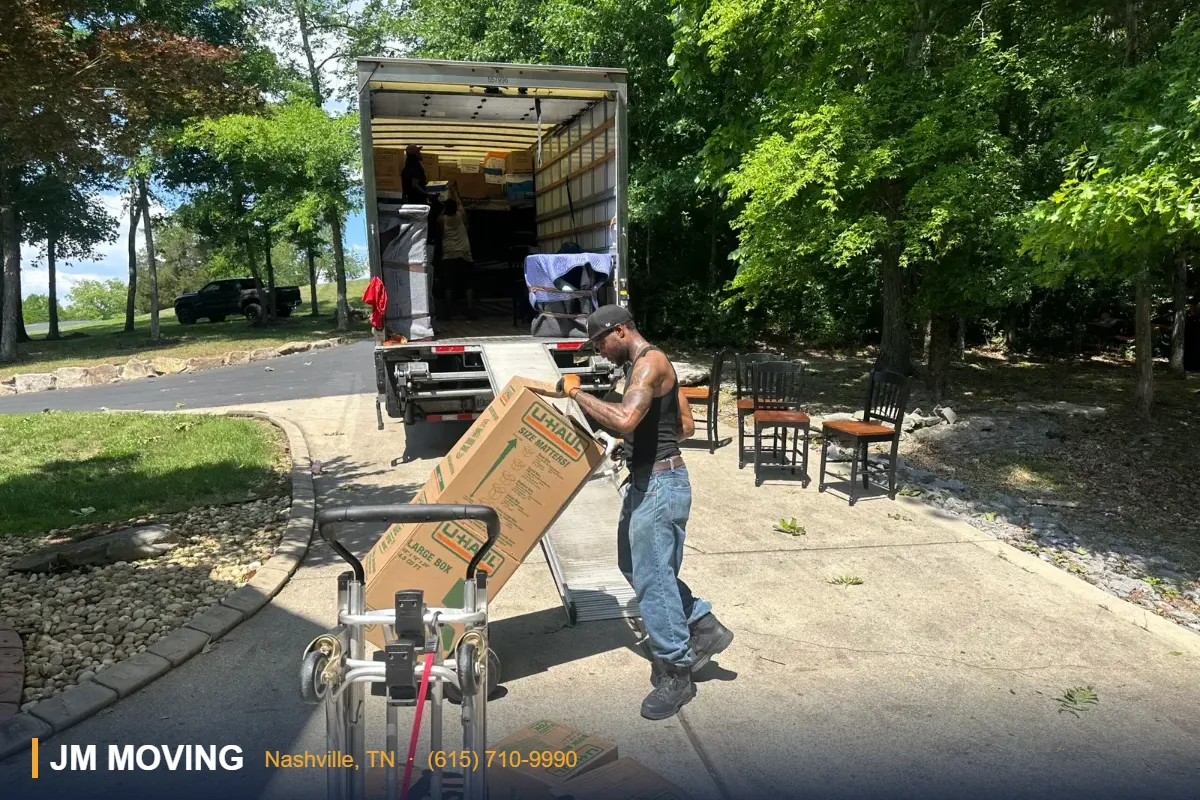
Prepare for a Long-Distance Move from Nashville
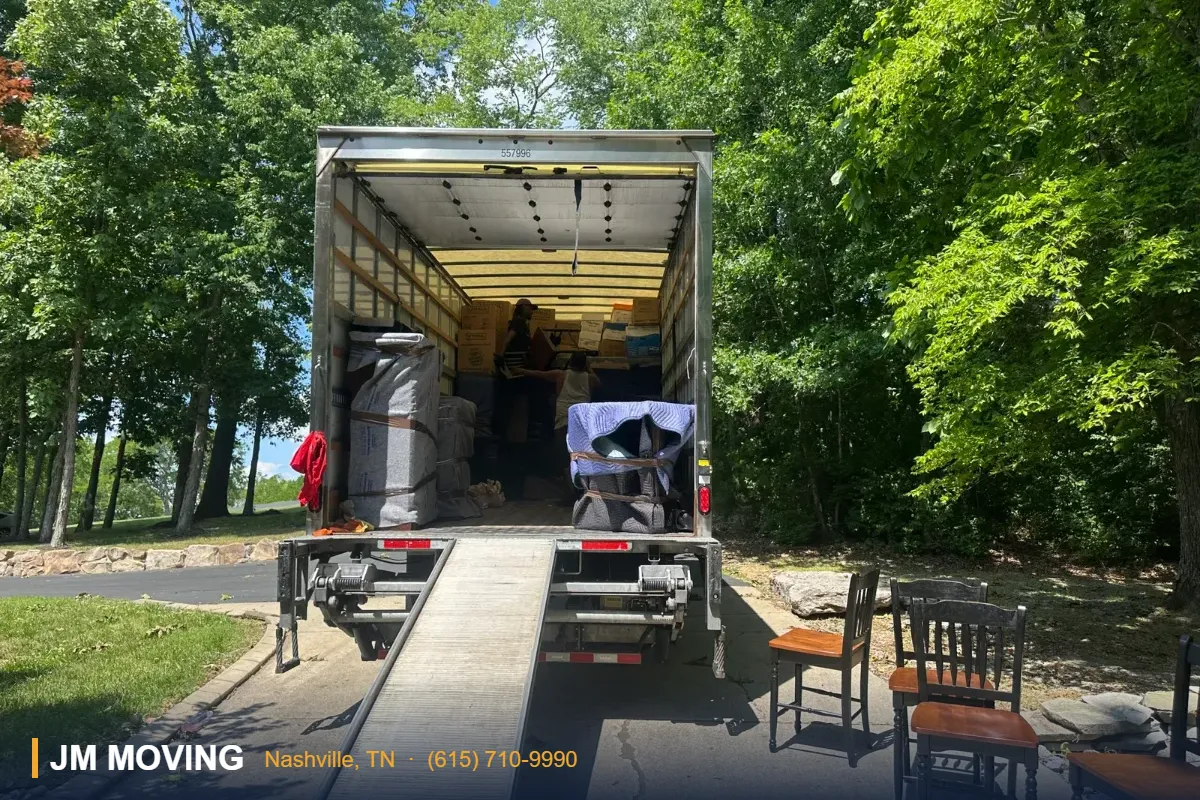
To prepare for a long-distance move, begin with facts: where the move starts and ends, what must be moved, when both properties are available, and which services you want included. A longer route creates more dependencies than a move across town. Building access, travel plans, packing progress, important documents, and delivery communication all need to work together.

This guide gives Nashville households a practical sequence for organizing a move without relying on fixed prices or guaranteed timelines. Every relocation is different. Inventory, distance, access, dates, requested services, and special handling can change the plan. JM Moving provides local and long-distance moving support, and customers can use this checklist before requesting a written estimate.
Step 1: Build the Plan Eight or More Weeks Out
A useful long-distance moving checklist starts with a single move file. Use a folder, spreadsheet, or notebook to keep addresses, contact names, dates, inventory notes, estimates, building rules, and travel details together. Record decisions as they are made so household members are not working from different versions of the plan.
- Confirm the address pair. Check unit numbers, gate instructions, loading areas, elevator rules, parking restrictions, and permitted moving hours at both locations.
- Create a room-by-room inventory. Include furniture, appliances, boxes, outdoor items, garage contents, artwork, and anything unusually heavy, fragile, or oversized.
- Separate the service scope. Decide whether you need moving, packing, unpacking, loading, unloading, furniture preparation, or a combination.
- Identify date constraints. Note lease deadlines, closing dates, work schedules, school calendars, elevator reservations, and travel bookings.
- Request written information. Share the same inventory and access details with every company you compare so the scopes are easier to evaluate.
For help discussing the service scope, review JM Moving’s local moving information and packing services. A long-distance move may use different planning assumptions from a local move, so ask what is included in writing.
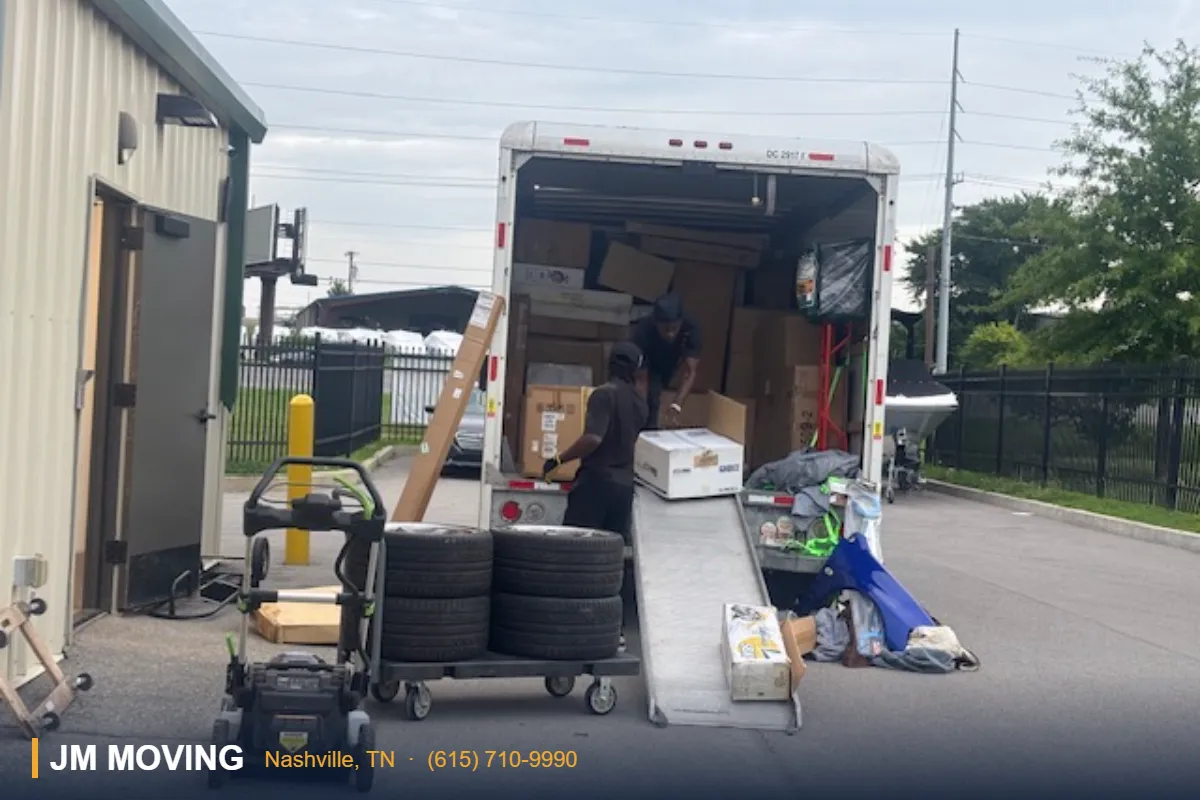
Step 2: Reduce and Document the Inventory
Inventory accuracy is one of the most useful things a customer can control. Walk through closets, storage spaces, patios, garages, attics, and sheds rather than estimating from memory. If an item will be sold, donated, recycled, or carried personally, mark that decision. Update the inventory when plans change.
Create a photo record of furniture and other important belongings before packing. Photos can help with organization and condition records, but they do not replace a written inventory or the terms in a moving agreement. Keep receipts or appraisals for high-value items with your personal documents, and ask how any item requiring special handling should be addressed.
| Inventory group | What to record | Decision before moving day |
|---|---|---|
| Furniture | Dimensions, material, detachable parts, stairs | Move, sell, donate, or disassemble |
| Boxes | Room, number, general contents, priority | Pack personally or request packing |
| Fragile items | Type, size, existing condition, special concerns | Confirm preparation and handling plan |
| Oversized items | Weight estimate, doorway clearance, equipment needs | Disclose before the written estimate |
| Personal essentials | Documents, medicine, keys, devices, travel supplies | Keep with you rather than in the moving load |
Step 3: Organize Packing Four to Seven Weeks Out
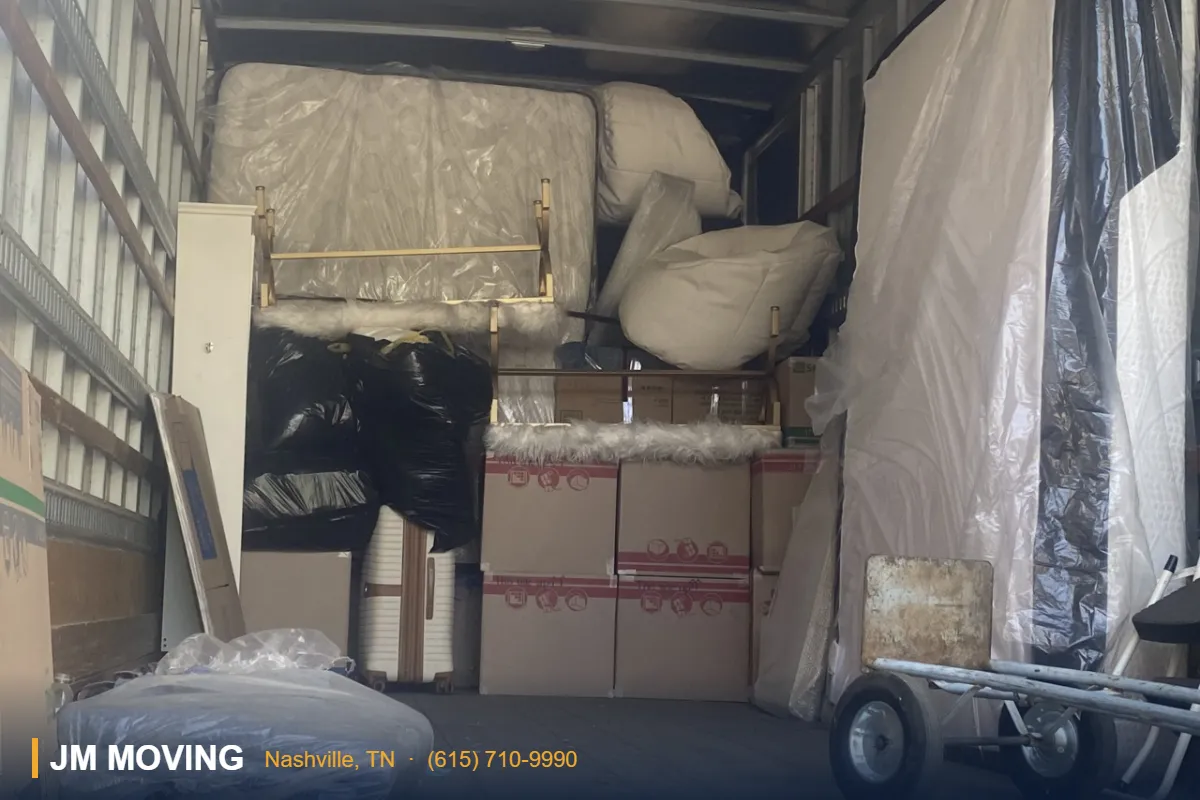
For Nashville long-distance moving, pack by destination room and priority rather than simply filling boxes. Use sturdy containers, close each box securely, and keep labels readable from more than one side. Put dense items in smaller boxes and lighter items in larger boxes. Avoid leaving empty space that allows contents to shift.
Number boxes and maintain a simple list. For example, “Kitchen 1 of 8 — daily cookware” is more useful than “miscellaneous.” Clearly identify boxes that should be opened first. Keep identification, medication, keys, financial records, chargers, travel documents, and irreplaceable personal items with you.
- Measure doors, hallways, stair turns, elevators, and large furniture.
- Ask both properties about elevator reservations and move-in or move-out rules.
- Confirm who is responsible for packing materials and furniture preparation.
- Photograph cable connections before disconnecting electronics.
- Back up important digital files and protect sensitive records.
- Prepare a first-night kit for every household member, including pets.
Step 4: Coordinate Origin, Travel, and Destination
An interstate moving Nashville plan includes more than loading day. Decide who will be present at the origin, who can answer questions while traveling, and who will have access at the destination. Share only the contact information needed for the move and keep a backup contact available.
Plan your own travel separately from the moving load. Keep clothing, toiletries, medications, basic tools, chargers, pet supplies, and necessary documents accessible. If the destination will not be ready immediately, ask how that affects the service scope before agreeing to terms. Do not assume storage, additional stops, or schedule changes are included unless they appear in writing.
For another timing perspective, see when to book Nashville movers. Earlier communication gives you more time to compare written details and resolve access questions, but actual availability must be confirmed for your specific date.
Step 5: Complete a Final-Week Verification
Use the last week to verify details, not to redesign the move. Report inventory changes, confirm access instructions, and place essential items outside the moving area. Finish packing unless packing service is included. Dispose of prohibited or unwanted materials responsibly and ask questions when you are uncertain about what can be transported.
- Reconfirm addresses, preferred dates, contacts, parking, stairs, elevators, and carrying distance.
- Confirm the written inventory and requested services.
- Separate keys, documents, medicine, valuables, and travel bags.
- Label destination rooms and prepare a basic furniture-placement plan.
- Arrange a safe plan for children and pets away from active moving paths.
- Charge phones and keep the move file accessible.
- Walk every room, closet, cabinet, garage, and outdoor area.
Step 6: Manage Moving Day Methodically
At the origin, keep one responsible adult available to answer questions and review the inventory. Point out fragile items, pieces with loose parts, and anything that should not be loaded. After loading, check rooms and storage areas before leaving. Retain copies of the documents you sign.
At the destination, confirm vehicle access before arrival and keep pathways clear. Use room labels to guide placement and check items against your inventory. If you notice a concern, document it and follow the process described in your written agreement.
Questions to Ask Before You Commit
When comparing cross-country movers Nashville customers should focus on the complete written scope rather than a headline price. Ask:
- Which inventory and access assumptions are included?
- Which services and materials are included or excluded?
- How are changes to inventory, access, dates, or stops handled?
- Who provides updates, and how should the customer communicate changes?
- What documents will be provided before moving day?
- What should the customer keep outside the moving load?
Frequently Asked Questions
1. How early should I prepare for a long-distance move?
Start as soon as the destination and likely timing are known. Early preparation gives you time to build an accurate inventory, compare written scopes, reserve building access, and organize travel. Availability varies, so confirm dates directly.
2. What information should I provide for a written estimate?
Provide origin and destination addresses, preferred dates, a detailed inventory, stairs, elevators, parking, carrying distance, large or fragile items, and the services you want included.
3. What should stay with me during the move?
Keep identification, medication, keys, financial and travel documents, irreplaceable items, chargers, and first-night supplies with you.
4. How should I label boxes?
Label each box with the destination room, general contents, and opening priority. Numbering boxes also supports a simple inventory check.
5. Should I photograph my belongings?
A photo record can support organization and condition documentation. It does not replace a written inventory or the terms of the moving agreement.
6. Why do access details matter?
Stairs, elevators, gates, parking, loading zones, long carries, and permitted hours affect how the move must be planned. Share them before the scope is finalized.
7. What if my inventory changes?
Notify the mover promptly and request that material changes be documented. Added or removed items can affect the plan.
8. Can JM Moving help with packing?
Packing and unpacking are among JM Moving’s listed services. Confirm the rooms, materials, fragile items, timing, and exact scope in writing.
9. How do I plan for children or pets?
Keep them away from active moving paths. Arrange a caregiver, safe room, carrier, or off-site plan and keep food, medicine, and comfort items accessible.
10. How do I start a long-distance moving request?
Visit the JM Moving contact page and provide the addresses, timing, inventory, access details, and requested services. JM Moving can then respond based on the actual relocation details.
Request a Move Plan Based on Your Details
JM Moving serves Nashville customers with local and long-distance moving support. Review the JM Moving homepage, then request a written estimate using accurate inventory, access, timing, and service information. Clear details create a better starting point for every long-distance move.
Federal Long-Distance Moving Guidance
Before an interstate move, review the FMCSA Protect Your Move resources for registration checks, estimates, inventories, and consumer responsibilities.
Ready to plan your move? Request a written JM Moving quote or call (615) 710-9990.
Prepare for a Long-Distance Move Nashville — 10 Practical Planning Tips
- Confirm both addresses and access conditions in writing.
- Build a complete inventory before finalizing the quote.
- Separate medication, documents, valuables, and travel essentials.
- Label boxes by destination room and priority.
- Identify heavy, fragile, or specialty items before loading.
- Confirm how pickup, transit updates, and delivery communication will work.
- Keep contracts and important contact details accessible.
- Report inventory or address changes before move day.
- Review applicable interstate consumer guidance when relevant.
- Confirm destination placement and unloading needs before delivery.
Ready to plan your Nashville move? Call (615) 710-9990, explore local moving services, or request a written quote.