Understanding Flat-Rate Moving: 7 Best Tips
Understanding Flat-Rate Moving starts with a clear scope. Flat-rate moving can make a relocation budget easier to understand when the work is described accurately before moving day. Instead of billing only by elapsed time, a flat-rate plan is built around an agreed scope: the belongings being moved, pickup and delivery locations, access conditions, distance, timing, and requested services. JM Moving uses flat-rate planning to help Nashville customers establish clear expectations for local and long-distance moves.
A flat rate is only as useful as the information behind it. A quote should reflect the real inventory, stairs, elevators, parking, long carries, bulky pieces, fragile items, packing needs, and destination requirements. If the scope changes, discuss the change before service begins. This guide explains what customers should document, how to compare moving plans responsibly, and how to prepare for an organized moving day.

Flat-Rate Moving Snapshot
| Flat-rate factor | What to document |
|---|---|
| Inventory | Furniture, boxes, appliances, and specialty items |
| Property access | Stairs, elevators, parking, gates, and walking distance |
| Service scope | Packing, furniture preparation, loading, transport, unloading, and placement |
| Written terms | Included services, exclusions, payment terms, and change process |
What flat-rate moving means
A flat-rate moving plan assigns one agreed price to a defined body of work. The written scope should identify what will be moved, where it will be picked up and delivered, which services are included, and which access conditions were considered. The point is predictability: both the customer and moving team work from the same description instead of relying on an incomplete verbal outline.
Flat-rate does not mean that every possible task is included automatically. Packing, unpacking, furniture preparation, additional stops, storage-unit contents, or specialty handling should be discussed specifically. The plan should also explain how approved changes will be addressed. Customers should ask questions wherever the scope is uncertain and retain a copy of the estimate and related documents.
Build an accurate moving inventory
Walk through every room, closet, garage, attic, patio, and storage area. List furniture, appliances, estimated box counts, outdoor items, exercise equipment, and anything unusually heavy or delicate. Identify pieces that may need disassembly and note glass, artwork, antiques, or electronics that require extra preparation. Photos can help communicate an item’s size and access, but they should supplement rather than replace a complete inventory.
Review the list again shortly before moving day. If items were added, removed, sold, donated, or moved to storage, tell JM Moving promptly. A current inventory helps the crew plan space, equipment, and workflow. It also gives the customer a better basis for comparing proposals from different providers.
Document access at both locations
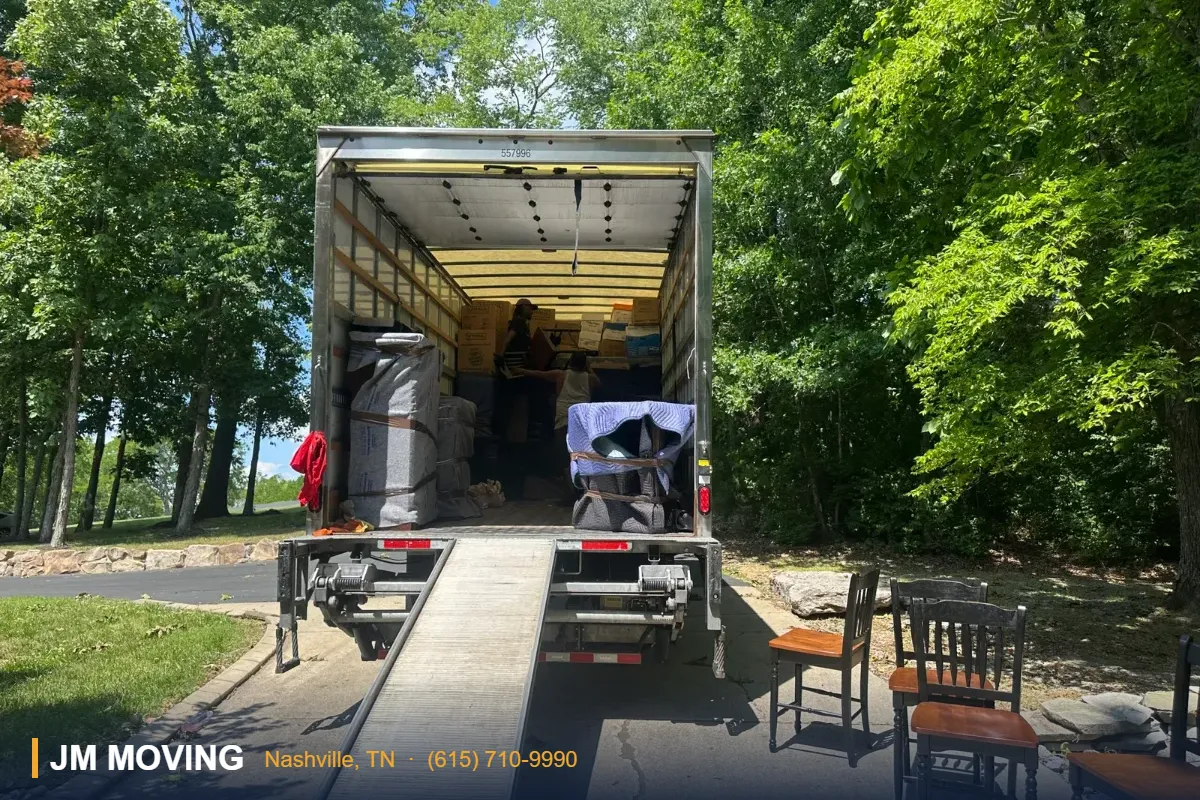
Access can affect the work even when the mileage is short. Note stairs, elevators, narrow halls, gated entrances, loading docks, long walks from the truck, and parking restrictions. Ask property managers about move hours, elevator reservations, loading-zone rules, and any required documentation. Measure oversized furniture against doors, stairwells, and elevator openings at both properties.
Share gate codes, parking instructions, and an on-site contact before service begins. If street access is limited, determine what arrangements are needed rather than waiting until the truck arrives. Clear access allows the moving team to follow the planned workflow and reduces avoidable delays.
Choose the services that match the move
JM Moving supports residential, apartment, commercial, office, packing, unpacking, loading, unloading, furniture, local, and long-distance moving needs. Some customers pack everything themselves and need transportation support. Others request whole-home packing, selected-room packing, fragile-item preparation, or help after delivery. Describe the assistance you want instead of assuming it is included.
Review the JM Moving services and prepare questions before requesting a quote. A defined service list helps the customer understand responsibilities and helps the mover plan labor and equipment. If the service plan changes, request an updated written explanation.
Compare scope, not just the headline price
Two moving proposals may use the same pricing label while covering different work. Compare the inventory, locations, access assumptions, packing responsibilities, furniture preparation, additional stops, delivery expectations, and change procedures. Confirm what the customer must complete before the crew arrives. A lower number is not necessarily a better plan if important work is missing.
For interstate moves, read the Federal Motor Carrier Safety Administration’s Protect Your Move guidance. It explains important documents, estimates, and consumer protections. Keep moving documents accessible and ask the mover to clarify anything you do not understand before agreeing to service.
Prepare boxes and furniture
Use sturdy cartons that close and stack. Place heavier belongings in smaller boxes and lighter items in larger boxes. Cushion fragile items, fill empty space so contents cannot shift, and reinforce box bottoms when needed. Label the top and at least one side with the destination room and a short description. A simple numbering system can make it easier to track boxes by room.
Photograph electronics before disconnecting cables, then place cords and hardware in labeled bags. Empty furniture that should not travel loaded and identify anything that must remain at the property. Keep identification, medication, keys, valuables, legal documents, chargers, toiletries, and immediate-use clothing with you.
Manage changes before moving day
Contact JM Moving if the inventory, date, pickup location, destination, access, or requested services change. Added furniture, an unavailable elevator, an extra stop, or unplanned packing can alter the scope. Early communication gives both sides time to review the plan rather than improvising while belongings are being loaded.
On moving day, be present or appoint an authorized person who can make decisions. Complete a walkthrough, point out items that are staying, identify fragile pieces, and review access. Keep walkways clear and arrange a safe area away from active paths for children and pets. At delivery, direct furniture placement before boxes fill the rooms.
Why planning matters
JM Moving brings 23+ years of moving experience and five-star service. Its flat-rate positioning is intended to make the planned scope easier to understand. That value depends on complete information and clear communication. A strong moving plan gives the customer a realistic preparation list and gives the moving team the details needed to organize the work.
Related Flat-Rate Moving Resources
Flat-Rate Moving FAQ
What is flat-rate moving?
Flat-rate moving uses an agreed price for a defined moving scope instead of billing only by elapsed time. The scope should identify the inventory, locations, access, distance, timing, and included services.
What information is needed for a flat-rate quote?
Share both addresses, the move date, a complete inventory, stairs or elevators, parking conditions, special items, additional stops, and any packing, unpacking, loading, or unloading needs.
Can the plan change if the inventory changes?
Yes. A material change in inventory, access, destination, timing, or requested services can change the scope. Tell JM Moving about changes before moving day and ask how they affect the plan.
Is flat-rate moving useful for local moves?
It can be useful when the local moving scope can be described clearly. Compare exactly what is included rather than looking only at the headline number.
What should be included in writing?
The written plan should identify the locations, date, inventory or scope, included services, payment terms, customer responsibilities, and how approved changes are handled.
Do stairs and elevators matter?
Yes. Stairs, elevators, long carries, loading docks, restricted hours, and parking limitations can affect how the work is organized. Disclose them for both locations.
Can packing be included?
Packing or unpacking support can be part of the requested service plan. Explain whether you need full packing, selected rooms, fragile-item help, or destination unpacking.
How should I compare moving proposals?
Compare the inventory, access assumptions, services, schedule, delivery expectations, customer responsibilities, and procedures for changes. Make sure each proposal covers the same work.
What should I keep with me?
Keep identification, medication, keys, legal documents, valuables, chargers, toiletries, and immediate-use clothing with you rather than placing them on the moving truck.
Where can interstate customers find guidance?
The Federal Motor Carrier Safety Administration publishes Protect Your Move resources about interstate moving estimates, documents, and consumer rights.
Request a Nashville flat-rate moving plan
Share your addresses, date, inventory, access conditions, and requested services with JM Moving. Complete details help the team prepare a plan that reflects the work.
Request a free moving quote or return to the JM Moving Nashville homepage.
Ready for your Nashville move? Call JM Moving at (615) 710-9990 or request a written quote.
Understanding Flat-Rate Moving: 7 Best Tips — 10 Planning Tips
- Compare the same inventory and service scope across movers.
- Confirm the mover’s legal business identity and written contact details.
- Include stairs, elevators, parking limits, and access restrictions.
- Identify specialty items before the estimate is finalized.
- Clarify whether packing, materials, loading, transportation, and unloading are included.
- Ask how inventory or scope changes affect the price.
- Review recent feedback together with licensing and written terms.
- Keep copies of estimates, inventories, and receipts.
- Ask direct questions about anything unclear before booking.
- Review the final written agreement before service begins.
Plan your Nashville move with JM Moving: call (615) 710-9990, review local moving services, or request a written quote.
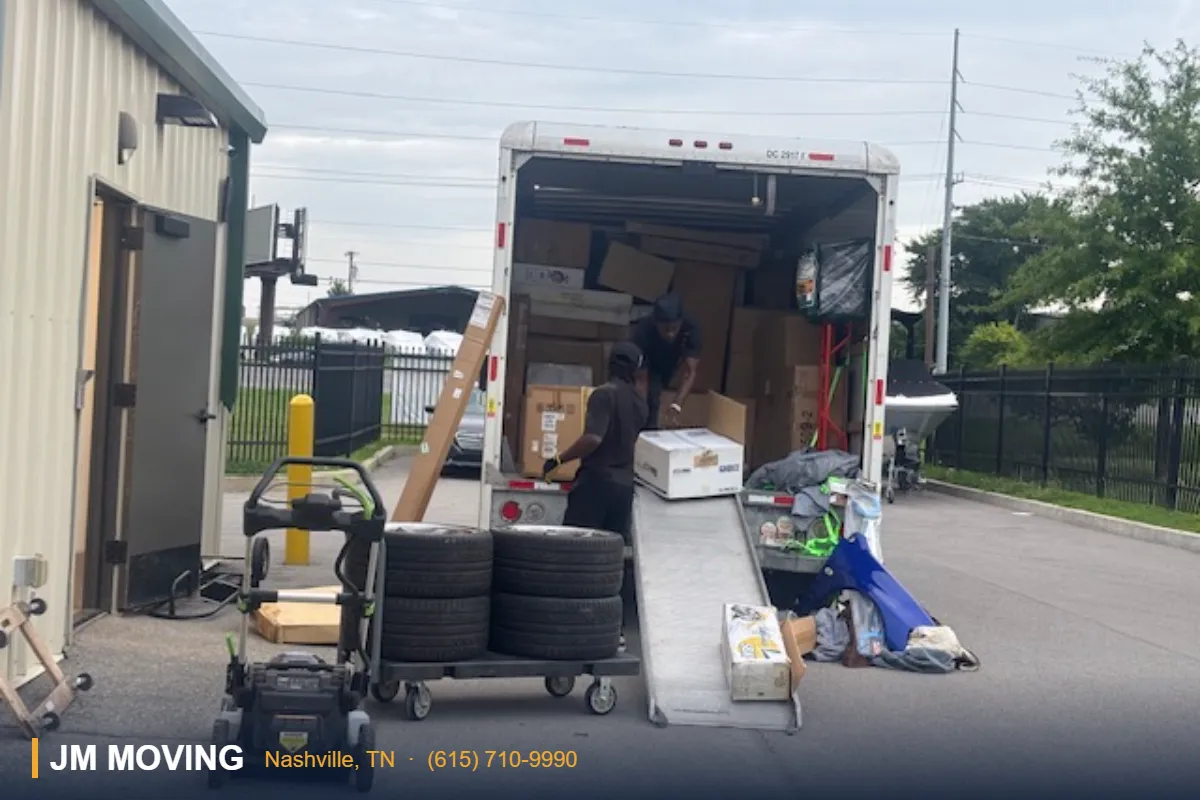
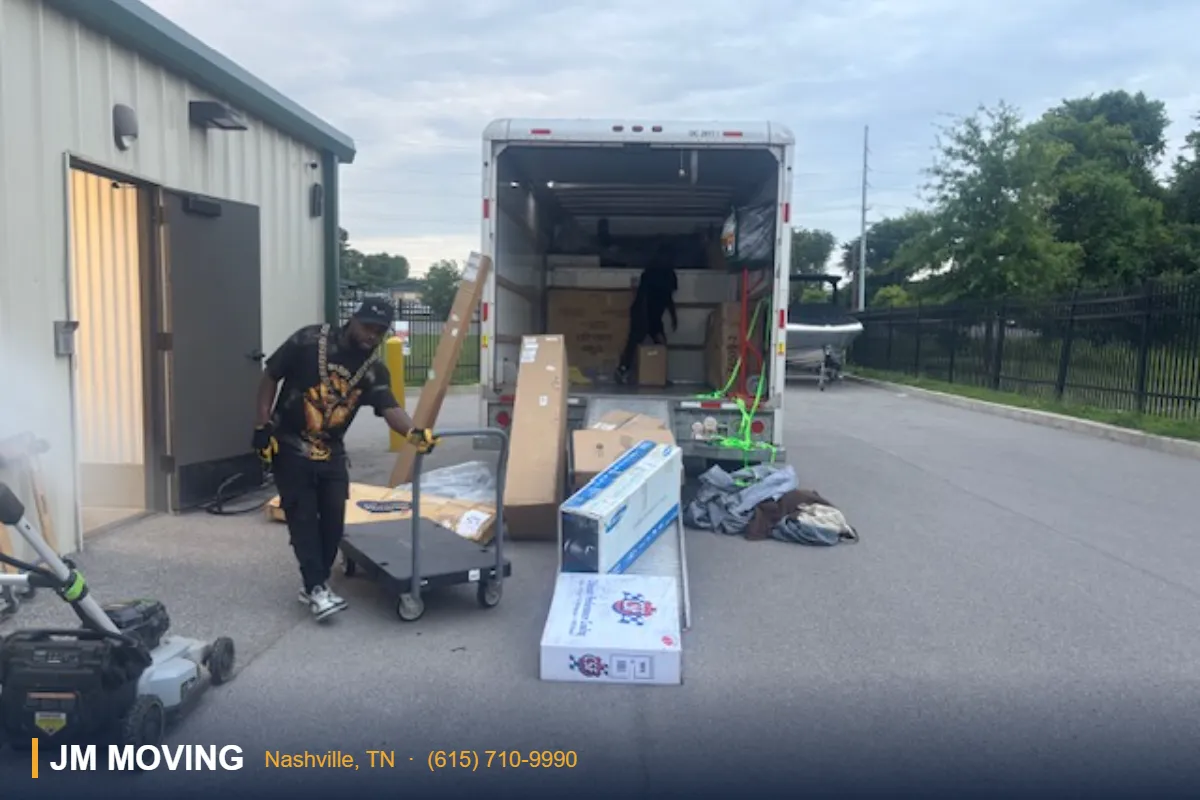
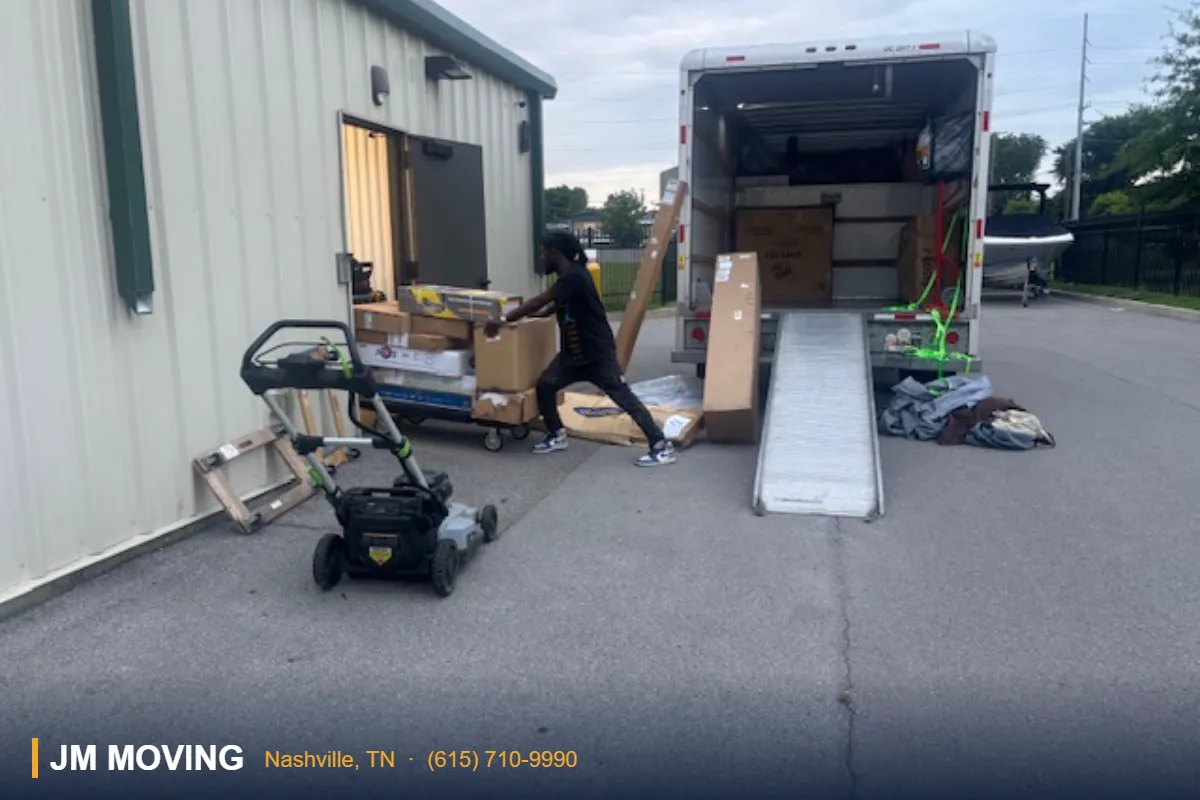

Flat Rate or Hourly: Which Fits Your Nashville Move?
JM Moving offers both pricing models, and the right one depends on the move, not on which one sounds better in an ad. Our local hourly rate is $250 per hour for two movers and a truck or $350 per hour for three movers and a truck. Flat-rate jobs are priced after a walkthrough, in person or by video, and confirmed with you on a call. Here is how we help customers choose.
Flat rate usually fits when
- You are moving a whole home and can show us everything that is going.
- The access is complicated: a high-rise elevator reservation, a long driveway, a walk-out basement or several flights of stairs.
- Traffic could add unpredictable time, such as a move across town at rush hour or a move between Nashville and Franklin, Murfreesboro or Lebanon.
- You are working with a fixed budget, such as an employer relocation allowance, and need one approved number.
Hourly usually fits when
- The move is small: a few pieces of furniture, a studio, or a load going into storage.
- The inventory is still changing and you are not sure what will go.
- You are doing most of the work yourself and need help with heavy items or loading a container.
What Changes a Flat Rate After It Is Agreed
A flat rate is built on the inventory and the access we reviewed. If those stay the same, the price stays the same. The price can change only when the job itself changes, and we talk to you about it before any extra work is done. The most common reasons are:
- Furniture or rooms that were not shown during the walkthrough, such as a garage, attic or storage unit.
- A new stop added on move day, like a storage unit or a family member’s home.
- Boxes that were supposed to be packed by the customer and are not ready when the crew arrives.
- Access that turned out to be different, such as a reserved elevator that is not available or a truck that cannot reach the house.
This is why the walkthrough matters. The more complete it is, the more reliable the flat rate will be.
How to Give Us a Complete Video Walkthrough
- Start at the front door and walk the path the crew will use, including steps, porches and hallways.
- Open every closet, cabinet and storage area and show what is inside.
- Show the garage, attic, basement, patio and any outbuildings.
- Point out anything you are not moving, so it is not counted.
- Show heavy and fragile items up close: pianos, safes, art, mirrors and glass tables.
- Tell us about the new home: floor level, stairs, elevator and where a truck can park.
What Is Included in Our Flat Rates
Our flat rates include the crew, the truck, furniture wrapping, the floor and door protection we use on every move, disassembly and reassembly of standard furniture, and placement in the rooms you choose. Packing, crating and storage are quoted separately when you want them. Call JM Moving at (615) 710-9990, any time of day or night, to set up a walkthrough.
Flat-Rate FAQ
Is a flat rate always cheaper than hourly? Not always. It is more predictable. For small, simple moves, hourly is often the better deal. Does the flat rate include packing? Only if packing is part of the agreed scope; we quote packing separately when you want it. What if I find more things to move? Tell us before move day and we will update the flat rate. Can long-distance moves be flat rate? Yes. Our long-distance moves, including our routes between Nashville and Miami, Augusta and Boston, are quoted as flat rates after a walkthrough. Can you hold the flat rate if my date changes? If the scope stays the same, the price usually does too; call us as soon as you know about a date change.
A Flat-Rate Example
Consider a three-bedroom home in Brentwood moving to a home in Green Hills. During the video walkthrough, the customer shows every room, the garage and a piano in the living room, and mentions that the new home has a steep driveway. We plan three movers, the piano equipment and extra protection for the new home’s stairs, then give one flat rate and confirm it on a call. On move day, the crew finds exactly what was shown, and the price stays the same even though afternoon traffic on Hillsboro Pike adds time. That is the value of a flat rate built on a complete walkthrough.
If the inventory is still changing, a flat rate can wait. Many customers book the date first at our hourly rate and switch to a flat rate once the walkthrough is complete and the scope is settled.
Flat Rates for Long-Distance Moves
On long-distance moves, a flat rate removes the biggest unknowns: the number of hours on the road, fuel and traffic. Our long-distance flat rates start from $2,500 door to door and are built on a video or in-person walkthrough of the home. The rate covers loading, transport and delivery to the rooms you choose at the new home. Our regular routes run between Nashville and Miami, Augusta and Boston, and we confirm the delivery date with you when the rate is set.