Warehouse Movers in Nashville, TN
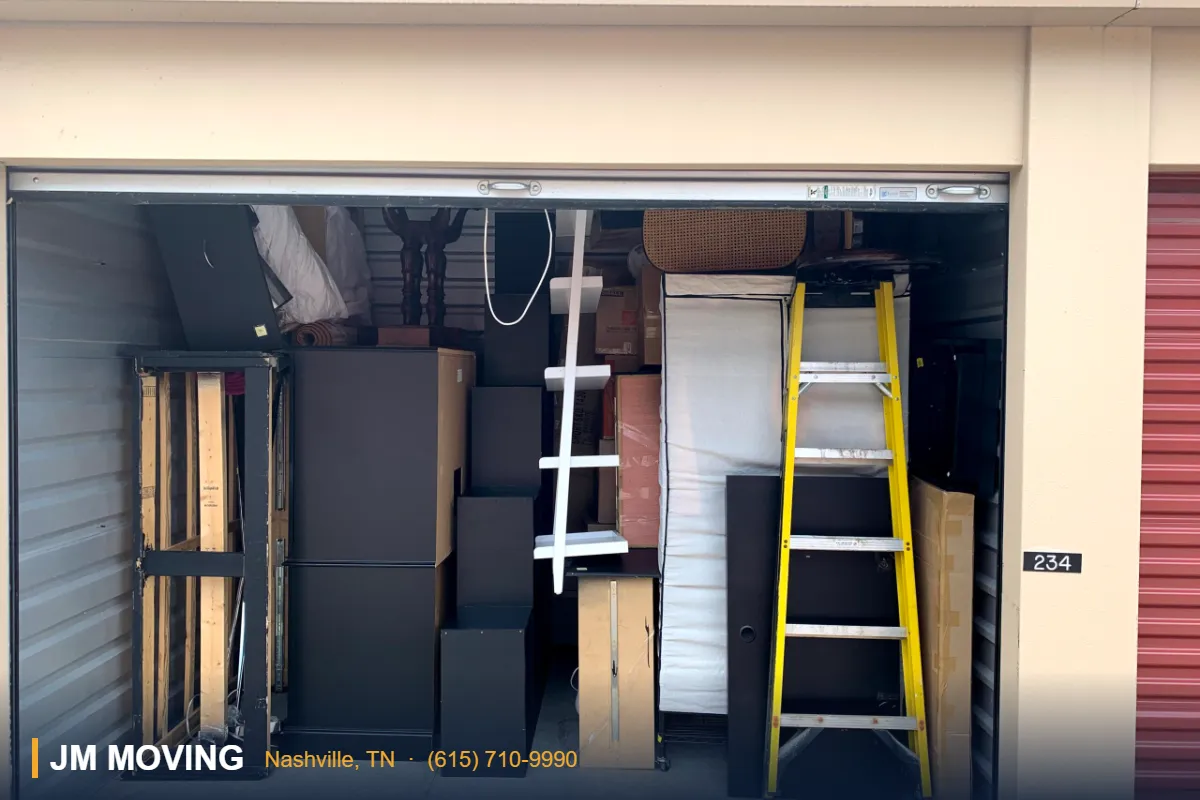
A warehouse relocation requires an organized inventory, clear ownership of specialized tasks, coordinated access, and a destination plan. JM Moving helps Nashville businesses discuss warehouse moving needs that fit its supported commercial moving scope. The exact plan depends on the property, items, route, schedule, access, and services confirmed for the project. For business relocation planning, review our commercial movers Nashville guide.
This page focuses on movable office contents, boxed inventory, shelving or furniture within the confirmed scope, and other items that can be reviewed during planning. It does not assume that industrial machinery, hazardous materials, fixed systems, utility work, construction, or specialized rigging is included. Those needs should be identified early and assigned to appropriately qualified providers when necessary.

Define the Warehouse Moving Scope
Start by separating movable contents from equipment or systems requiring another specialist. List boxed goods, supplies, office furniture, records, workstations, break-room contents, movable fixtures, and any shelving or furniture to be reviewed. Identify unusually heavy, oversized, fragile, high-value, temperature-sensitive, or regulated items.
Assign responsibility for machinery, racking anchored to the building, utilities, data systems, hazardous materials, forklifts, lifts, security systems, and specialized installations. JM Moving should not be assumed to perform work outside the written scope. A clear boundary helps the customer coordinate multiple vendors without gaps or duplicated responsibilities.
Create a Zone-Based Inventory
| Warehouse planning item | What to confirm |
|---|---|
| Origin zone | Aisle, bay, department, rack, room or workstation code. |
| Destination zone | Final placement, priority and responsible decision-maker. |
| Special handling | Oversized, fragile, regulated, high-value or specialist-managed items. |
Organize the inventory by origin zone and destination zone. Use aisle, bay, department, rack, room, or workstation codes that make sense to the business. Record quantities of boxes, pallets or containers within the confirmed scope, office furniture, and other movable items. Note destination priority and any item that requires a customer decision before transport.
Reconcile the list before moving day. Remove obsolete, damaged, or non-moving items according to the business’s procedures. Late additions should be documented and reviewed. When inventory is divided between the new warehouse, storage, disposal, or another facility, label each destination clearly.
Plan Loading and Building Access
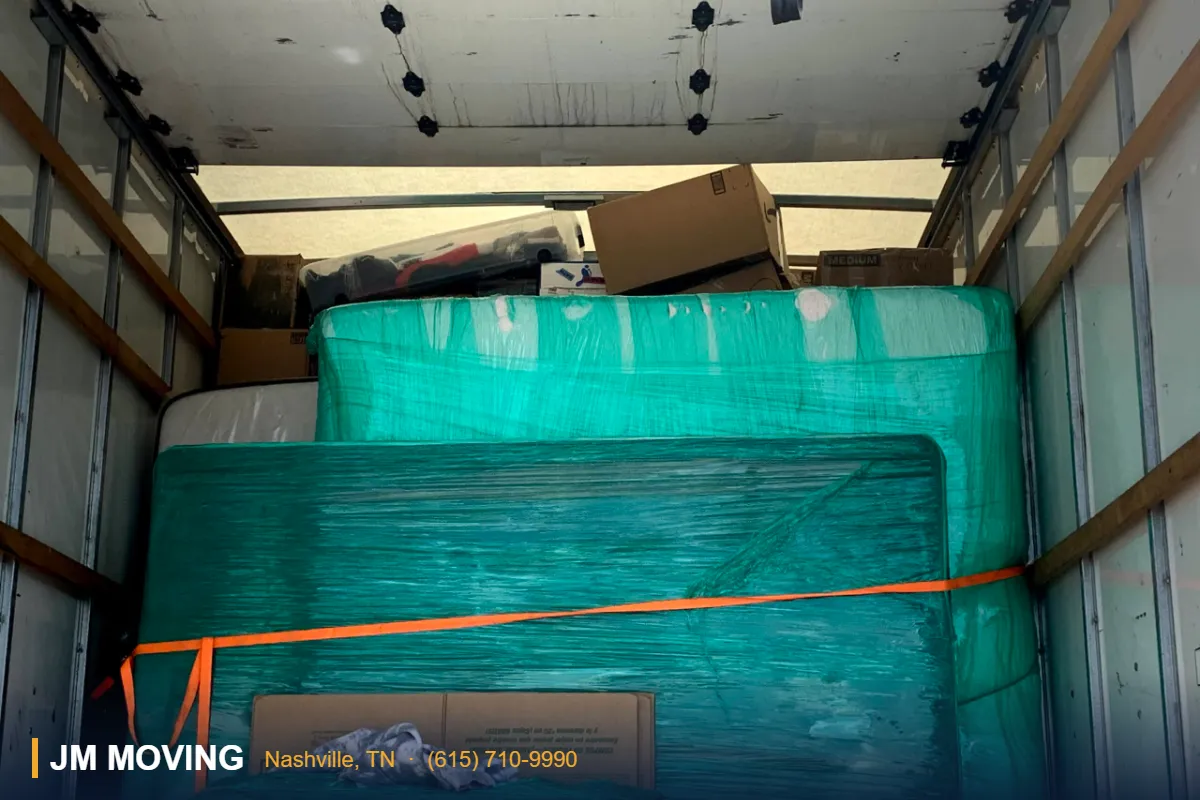
Confirm the permitted loading areas, dock assignments, doors, gates, parking, security procedures, access hours, and traffic rules at both facilities. Document clearances, ramps, stairs, elevators, uneven surfaces, long carries, and shared spaces. If the customer controls a dock schedule, reserve windows for the tasks and vendors using it.
Keep active work areas separated from the moving route. The business is responsible for workplace controls, employee instructions, and any operational safety program that applies to its facility. Clear unnecessary obstructions and identify the authorized project lead at origin and destination.
Coordinate Operations and Business Continuity
Decide whether the relocation will occur in one window or phases. A phased move can separate departments, inventory groups, or priority functions, but it also requires clear status tracking. Identify what the business needs first at the destination and which operations must remain available during the transition.
JM Moving can coordinate the physical service within its confirmed scope, while the customer manages operational decisions, staffing, data, security, and specialized vendors. Businesses can also review the Ready.gov business continuity planning resource when developing a broader continuity plan.
Use a Consistent Labeling System
Labels should be readable from more than one side and should not rely only on an employee’s memory. Include an item or container number, origin zone, destination zone, priority, and handling note when applicable. Color coding can help, but pair colors with written text so the system remains understandable.
Keep a master inventory controlled by the business. When an item changes destination, update the list rather than placing a second label over the first without documentation. Confidential records and controlled inventory should remain under the customer’s designated procedures.
Coordinate Office and Administrative Areas
Warehouse projects often include desks, chairs, files, conference furniture, computers, and break-room items. Use department and workstation labels for these areas. Technology staff or another qualified provider should prepare data systems, servers, telecommunications, and specialized electronics when those tasks fall outside the moving scope.
JM Moving’s commercial moving services in Nashville and packing services provide related information. Packing responsibilities, materials, furniture preparation, and destination placement should be confirmed in writing.
Warehouse Moving-Day Checklist
- Confirm the current inventory and written service boundary.
- Verify docks, doors, gates, parking, security, and access hours.
- Separate specialist-managed machinery, systems, and regulated materials.
- Label every included item by destination zone and priority.
- Post destination maps and zone signs before unloading.
- Keep active operations and employees clear of moving routes.
- Assign authorized representatives at both facilities.
- Record exceptions, changes, and customer decisions.
Prepare the Destination Warehouse
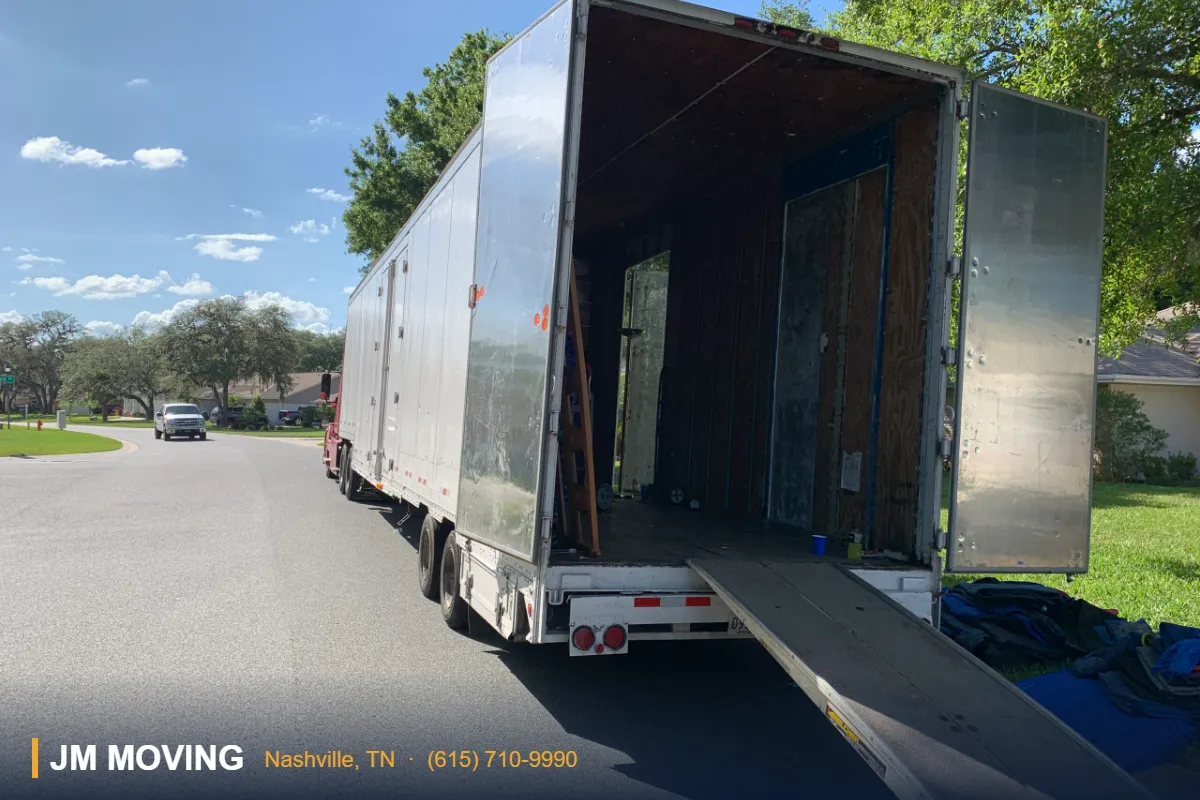
Mark receiving zones, aisles, rooms, and office areas before items arrive. Confirm that the customer’s required inspections, utilities, security, technology, and specialist installations are ready. Keep pathways open and provide a destination representative who understands the placement plan.
Unload according to the approved sequence. Direct priority operational items and essential office contents to their assigned areas. Record anything that cannot be placed as planned, and let the authorized customer representative decide the alternative destination.
Local and Long-Distance Warehouse Relocations
For a Nashville-area project, review JM Moving’s local moving services. For a longer route, identify origin and destination access, inventory, travel, delivery, and document needs. Route and scheduling availability depend on the specific request.
For official interstate consumer and carrier information, consult FMCSA Protect Your Move. Customers should review the documents and requirements that apply to their particular interstate service.
Information to Include in a Warehouse Quote Request
Provide both facility addresses, preferred dates, square footage only as context, a zone-based inventory, photographs or measurements where useful, dock and access details, additional stops, packing needs, and the requested service boundary. State which work is assigned to machinery, technology, racking, utility, or hazardous-material specialists.
JM Moving uses flat-rate moving as approved positioning, but a useful written scope still depends on disclosed inventory, access, route, service needs, and changes. Review the current information before accepting a plan and report meaningful updates promptly.
Warehouse Movers Nashville Planning Gallery

Warehouse Moving FAQs
Does JM Moving provide warehouse moving in Nashville?
Warehouse moving needs may be reviewed within JM Moving’s confirmed commercial moving scope, subject to inventory, access, route, and schedule.
What inventory information should a warehouse provide?
Use zone-based lists covering included boxes, goods, supplies, office contents, furniture, and other movable items.
Does warehouse moving include industrial machinery?
Do not assume it does. Machinery and specialized equipment must be disclosed and may require an appropriately qualified specialist.
Can a warehouse move happen in phases?
A phased plan may be discussed when zones, departments, operational priorities, and access windows are clearly defined.
How should warehouse contents be labeled?
Include an item number, origin zone, destination zone, priority, and any relevant handling note.
Who manages docks and facility access?
The customer should confirm docks, gates, parking, security, permitted hours, and facility procedures.
Can office furniture be included?
Office furniture and boxed office contents may be included when they appear in the confirmed inventory and written scope.
Are packing services available?
Packing may be requested for appropriate items; responsibilities, materials, and service boundaries should be documented.
Can JM Moving handle a long-distance warehouse move?
Long-distance options are available subject to the route, inventory, access, schedule, and applicable requirements.
How do I request a warehouse moving quote?
Submit both facilities, inventory, access, dates, destination plan, additional stops, and requested services.
Warehouse Movers Nashville — 10 Planning Tips
- Assign one relocation lead and backup contact.
- Create an inventory by department, room, or equipment type.
- Label furniture, boxes, equipment, and priority items by destination.
- Confirm loading zones, elevators, security, and access windows.
- Identify sensitive, fragile, oversized, or specialty equipment before moving day.
- Coordinate the move around operating hours and critical schedules.
- Keep confidential records, valuables, and personal items separated.
- Confirm destination floor plans and placement priorities.
- Report scope, inventory, or access changes early.
- Review the written relocation plan with all responsible parties.
Plan your Nashville move with JM Moving: call (615) 710-9990, review local moving services, or request a written quote.
Warehouse Equipment and Racking
Warehouse moves often include equipment that is heavier and more complicated than office furniture. Pallet racking, heavy shelving, workbenches, tool cabinets and small machines each need a plan. Racking should be unloaded and taken down by people familiar with it, and anything bolted to the floor must be unbolted before move day. Forklifts and pallet jacks at the origin and destination can speed things up a great deal; tell us what equipment is available at each site.
Keeping Inventory Organized
Inventory gets lost in warehouse moves when it is moved without a plan. Assign each zone a number, label every pallet and container with its zone, and give the crew a map of the destination layout. Keep a count of pallets and large items leaving and arriving. Move the most critical stock first, so the business can keep shipping.
Warehouse Move Pricing
Warehouse and commercial moves are usually quoted as one flat rate after a walkthrough of both sites, confirmed on a call. For smaller jobs, our rate is $250 per hour for two movers and a truck or $350 per hour for three movers and a truck. JM Moving works 24/7, so nights and weekends are available to keep your operation running. Call (615) 710-9990.
Warehouse Move FAQ
Can you move pallet racking? We move racking components once they are unloaded and taken down by qualified people. Can you work around shipping schedules? Yes, including nights and weekends. Do you move forklifts? Forklifts and heavy machinery need a specialist hauler. Can you move us in phases? Yes, zone by zone. How is it priced? As a flat rate after a walkthrough of both sites, or at $250 per hour for two movers and a truck or $350 per hour for three movers and a truck for smaller jobs.
A warehouse move goes best when one person at the business owns the plan and is available to the crew throughout the move. Give that person the zone map and the inventory count, and the move stays organized from the first pallet to the last.
Moving a small warehouse or storage space? Our hourly rate fits these jobs well.