
Compare Nashville Movers: 12 Essential Tips
Choosing among Nashville moving companies is easier when every provider is evaluated against the same inventory, access conditions, route, schedule, and requested services. A headline price or advertising phrase cannot show whether two proposals cover equal work. These 12 tips help households and businesses ask useful questions, read moving documents, and compare complete service plans. JM Moving provides professional local and long-distance moving services in the Nashville market and uses approved flat-rate positioning based on the details supplied for the move. For a broader citywide service overview, review our Nashville movers guide.

Use the free moving quote form or contact JM Moving with the details.
- Define inventory and services
- Record property access
- Review documents and responsibilities
- Prepare essentials and moving-day decisions
1. Define the Same Inventory for Every Quote
Use one room-by-room inventory
Create a room-by-room list of furniture, estimated packed boxes, appliances, garage or outdoor items, office equipment, storage-unit belongings, and specialty pieces. Record dimensions or weight for unusually large or heavy items and identify fragile surfaces. Remove belongings that will be sold, donated, or left behind. Give each company the same current list; otherwise, the prices may represent different jobs.
2. Document Access at Both Properties
Report stairs, elevators, gated entry, loading docks, parking limits, narrow halls, long walking distances, restricted service hours, and property paperwork. Ask building managers what reservations or approvals are required. Access can change the work even when the mileage is short. A proposal prepared without these facts may not reflect the real move.
3. Compare Included Services Line by Line
Check whether packing, materials, furniture preparation, disassembly, loading, transportation, unloading, placement, reassembly, extra stops, or storage-related work is included. Do not assume identical labels mean identical service. Ask what the customer must complete before arrival and what happens if requested work is added later.
4. Review the Estimate and Business Identity
Match the company name and written estimate
Read the business name, locations, dates, inventory or scope, payment terms, and change procedures. Keep copies of the estimate and important messages. Be cautious when the identity or payment recipient changes unexpectedly. For interstate household-goods moves, use federal resources to research movers and understand documents.
5. Evaluate Communication Quality
Useful communication is specific. Notice whether the company asks about inventory, access, timing, fragile items, destination details, and the services needed. Ask who will answer questions before moving day and who can approve changes. Fast replies are helpful, but clear written answers matter more than speed alone.
6. Ask How Changes Are Handled
Moves change: box counts grow, furniture is added, closing dates shift, or access becomes more complicated. Ask how additions, delays, extra stops, or destination changes are reviewed. Report changes before moving day instead of assuming the original plan automatically covers them.
7. Plan Packing Responsibilities
Decide whether you will pack everything or request full, partial, fragile-item, or office packing. Confirm whether materials, labeling, unpacking, and used-material handling are included. If you pack, use sturdy boxes, suitable cushioning, secure tape, and destination-room labels.
8. Discuss Furniture and Specialty Items
Identify glass, artwork, antiques, instruments, clocks, electronics, exercise equipment, safes, and unusually large pieces. Explain dimensions, weight, finish, disassembly needs, and access constraints. Ask whether a specialist is needed. Do not wait until loading begins to disclose an item that affects the plan.
9. Confirm Pickup and Delivery Expectations
Clarify timing, access, and destination placement
Review the requested date or window, both addresses, authorized contacts, building access, and destination placement. Long-distance customers should ask how delivery expectations and documents are handled. Prepare a backup contact if the customer will be traveling.
10. Protect Essentials and Records
Keep identification, medication, keys, payment methods, financial records, jewelry, irreplaceable keepsakes, chargers, and immediate-use items with you. Store moving documents somewhere accessible during travel. Ask about prohibited or restricted belongings before packing.
11. Compare Complete Value, Not One Number
A lower price can represent less included work, a different inventory, or missing access details. Compare what each plan covers, what it excludes, and what preparation is required. The most useful proposal is understandable enough for the customer and moving team to follow.
12. Choose the Plan You Can Prepare For
Before accepting, confirm that the inventory is accurate, property requirements are known, dates are workable, and customer responsibilities are realistic. A well-defined plan reduces avoidable confusion. Ask final questions in writing and save the answers with the moving documents.
Comparison Point
| Comparison Point | What to Verify |
|---|---|
| Inventory | Same furniture, boxes, specialty items, and stops |
| Access | Parking, stairs, elevators, gates, and long carries |
| Services | Packing, preparation, loading, transport, unloading, placement |
| Documents | Business identity, scope, dates, terms, and change process |
Practical Moving Checklist
- Confirm addresses, dates, and authorized contacts.
- Create and update a room-by-room inventory.
- Record parking, stairs, elevators, gates, and carrying distance.
- Identify fragile, heavy, oversized, or priority items.
- Choose packing and furniture-preparation responsibilities.
- Review the written scope, documents, and payment terms.
- Reserve building access and permitted service windows.
- Keep documents, medicine, valuables, and essentials with you.
- Report inventory or access changes before moving day.
- Complete pickup and delivery walkthroughs.

Related JM Moving and Consumer Resources
Review JM Moving services, packing services, and FMCSA Protect Your Move guidance for interstate household-goods consumers. JM Moving reports more than 18 years of experience and uses five-star service positioning; the individual move still requires a specific written plan.
Use Official Records Before Comparing Quotes
Start by identifying whether the shipment stays within Tennessee or crosses a state line, because the verification path is different. For a Tennessee-only move, review the Tennessee Department of Revenue intrastate-authority requirements and ask the mover to show the current authority and insurance information that applies to the planned service. For an interstate household-goods move, use the FMCSA registered-mover search.
- Match the legal identity: compare the company name and contact details in the official record with the estimate and payment instructions.
- Confirm the role: for interstate service, check whether the business is listed as a carrier, broker, or freight forwarder.
- Review the current record: check registration status, insurance-related information, and available complaint information instead of relying only on advertising.
- Save the evidence: keep the record, written estimate, inventory, and service terms together before paying or booking.
How to Use Awards, Rankings, and “Best Mover” Lists
Local awards, readers’ polls, review totals, and third-party rankings can help you build a shortlist, but they do not replace a move-specific written estimate. For example, the Nashville Scene 2026 readers’ poll named True Friends Moving first, with 6th Man Movers and Bolt Movers tied for second. A readers’ poll reflects votes rather than a side-by-side test of pricing, service scope or protection on your specific move. Other recognition may reflect editorial criteria, review data, or paid placement. Before booking, ask what the recognition measures and verify the practical details that affect your own move.
- Match the inventory: every mover should quote the same furniture, box count, specialty items, stops, and packing work.
- Match the access: disclose stairs, elevators, loading docks, parking limits, long carries, gates, and building time windows.
- Match the service: confirm what is included for packing, furniture preparation, disassembly, loading, transportation, unloading, placement, and reassembly.
- Verify specialty-item planning: ask how the crew will prepare a piano, safe, artwork, antique, pool table, hot tub, or other unusual item before moving day.
- Read the written price terms: identify whether the proposal is hourly, flat-rate, binding, or not-to-exceed and what changes could alter the final amount.
- Confirm the business: check the company identity, address, contact information, and applicable consumer-protection records. Interstate household-goods customers can use FMCSA Protect Your Move.
JM Moving’s Quote-Comparison Standard
JM Moving’s Nashville planning process starts with the actual inventory, both addresses, property access, requested date, packing needs, and specialty items. Local customers can compare approved hourly options with flat-rate planning after the move details are reviewed. Ask for the same scope from every company so the comparison reflects the work—not just a badge, headline, or starting number. Review our flat-rate planning guide or request a written JM Moving quote.
How to Read Long-Distance Mover Rankings
A Nashville long-distance moving guide updated October 11, 2026 placed 6th Man Movers in several categories, including Nashville-based, small-move, and labor-only selections. Category labels are useful for discovering companies, but they can describe different services. Labor-only help, an in-state move, a container shipment, and an interstate household-goods move do not include the same transportation, documents, responsibilities, or pricing structure.
Long-Distance Quote Verification Checklist
- Classify the route: confirm whether the move stays within Tennessee or crosses a state line.
- Identify the service: determine whether the quote is for labor only, a rental truck, a moving container, a shared shipment, or full-service transportation.
- Confirm the responsible business: ask which legal entity will transport the shipment and whether another carrier or broker is involved.
- Compare the same inventory: use the same furniture list, box count, specialty items, packing work, access conditions, and stops for every proposal.
- Read the price method: ask whether the estimate is binding, non-binding, not-to-exceed, hourly, weight-based, volume-based, or flat-rate and what changes can affect it.
- Review pickup and delivery terms: document the requested dates or windows, storage possibilities, communication plan, and destination access.
- Check protection and claims information: understand the valuation or liability option, exclusions, condition documentation, and claims procedure before loading.
- Verify interstate records: use FMCSA Protect Your Move to research the named interstate carrier or broker and understand required documents.
JM Moving starts long-distance planning with the route, inventory, access, packing needs, specialty items, requested dates, and delivery expectations. The exact plan and price must be reviewed for the individual move. To compare a JM Moving proposal with another company using the same facts, request a written quote or call (615) 710-9990.
How to Audit a Third-Party Mover Scorecard
A 6th Man Movers review updated October 15, 2026 now presents a 4.6/5 composite score, 90% positive feedback across 483 reviews, an 18-truck fleet, and separate ratings for experience, review quality, customer service, and quote accuracy. A scorecard can help create a shortlist, but customers should check how each number was built and whether the measured service matches the move they actually need.
- Check the date and method: record when the page was updated, which sources feed the score, and whether rankings, referrals, or paid placements are involved.
- Match the service type: local transportation, interstate moving, labor-only help, packing, storage, and piano moving are different scopes.
- Read the denominator: note the review count, review platforms, date range, and whether a percentage describes all reviews or a selected sample.
- Verify the legal identity: match the company name on the estimate to the applicable official record and confirm who will perform the transportation.
- Compare written scope: use the same inventory, addresses, access conditions, packing work, specialty items, dates, stops, and placement requests for every quote.
- Confirm price terms: identify the estimate type, included work, exclusions, payment terms, and how inventory or access changes are documented.
JM Moving applies those same move-specific facts before confirming a plan. Review the JM Moving flat-rate planning guide, compare any requested packing services, or request a written quote using your current inventory and access details.
Broker, Carrier, Deposit, and Delivery Questions
For an interstate household-goods move, ask each company to identify its role before you pay anything. A broker arranges transportation; a carrier performs the transportation. Write down the legal name and role shown on the estimate, then verify the named business through FMCSA’s registered-mover search. If another company may transport the shipment, ask when its identity will be provided and which company will answer questions about pickup, delivery, payment, damage, or delay.
- Estimate type: ask whether it is binding, non-binding, or not-to-exceed and which inventory and services support the number.
- Deposit and cancellation: record who receives the payment, the accepted method, the refund terms, and the cancellation deadline.
- Inventory changes: ask how additions, removals, packing requests, stairs, long carries, or extra stops will be documented before loading.
- Pickup and delivery: put the requested dates or windows, contact plan, storage possibilities, and late-delivery procedure in writing.
- Protection and claims: review the selected valuation or liability option, condition records, exclusions, claim deadlines, and where a claim must be filed.
Apply these questions to every proposal using the same route, inventory, access, and requested services. For a JM Moving plan built from those facts, request a written quote or call (615) 710-9990.
Frequently Asked Questions
What information should I provide for compare Nashville movers?
Provide both addresses, requested dates, property types, a room-by-room inventory, estimated box count, stairs, elevators, parking, carrying distance, specialty items, stops, and the services needed.
How early should I contact JM Moving?
Contact JM Moving when the locations, date range, and general inventory are known. More notice allows time to confirm access, packing needs, documents, and the written scope. Availability must be confirmed.
Does JM Moving provide local and long-distance moving?
Yes. JM Moving is a professional local and long-distance moving company serving the Nashville market. The specific route, date, inventory, access, and services must be reviewed.
How does flat-rate planning work?
JM Moving uses approved flat-rate positioning. A practical flat-rate plan depends on accurate inventory, route, access, timing, and service details. Material changes should be reported before moving day.
Can packing or unpacking be included?
JM Moving commonly supports packing and unpacking needs. Confirm whether the request covers the full property, selected rooms, fragile items, materials, labeling, unpacking, or other specific work.
What should I keep with me?
Keep identification, medication, keys, payment methods, important documents, jewelry, irreplaceable keepsakes, chargers, and immediate-use essentials with you. Ask about prohibited items before packing.
Why do stairs and parking matter?
Stairs, elevators, parking distance, loading restrictions, gates, and long carries affect how a move is organized. Report access conditions at every property and stop before service.
What if my inventory changes?
Tell JM Moving promptly about added or removed boxes, furniture, packing, stops, specialty items, or access conditions. Ask whether the written scope should be updated.
Where can interstate customers find guidance?
The Federal Motor Carrier Safety Administration’s Protect Your Move resources explain estimates, documents, mover research, and fraud-prevention considerations for interstate household-goods moves.
How do I request a quote from JM Moving?
Use the official JM Moving quote or contact page and provide the inventory, addresses, access, requested dates, route, and services so the team can discuss an appropriate written plan.
Request a JM Moving Quote
Ready to plan? Request a detailed JM Moving quote or call (615) 710-9990. Share both addresses, inventory, access, requested dates, and services.
Compare Nashville Movers: 12 Essential Tips — 10 Planning Tips
- Compare the same inventory and service scope across movers.
- Confirm legal business identity and written contact details.
- Include stairs, elevators, parking limits, and access restrictions.
- Identify specialty items before the quote is finalized.
- Clarify whether packing, materials, loading, transportation, and unloading are included.
- Ask how inventory or scope changes affect the price.
- Review recent feedback together with licensing and written terms.
- Keep copies of estimates, inventories, and receipts.
- Ask direct questions about anything unclear before booking.
- Choose based on the written service plan that matches your actual move.
Plan your Nashville move with JM Moving: call (615) 710-9990, review local moving services, or request a written quote.
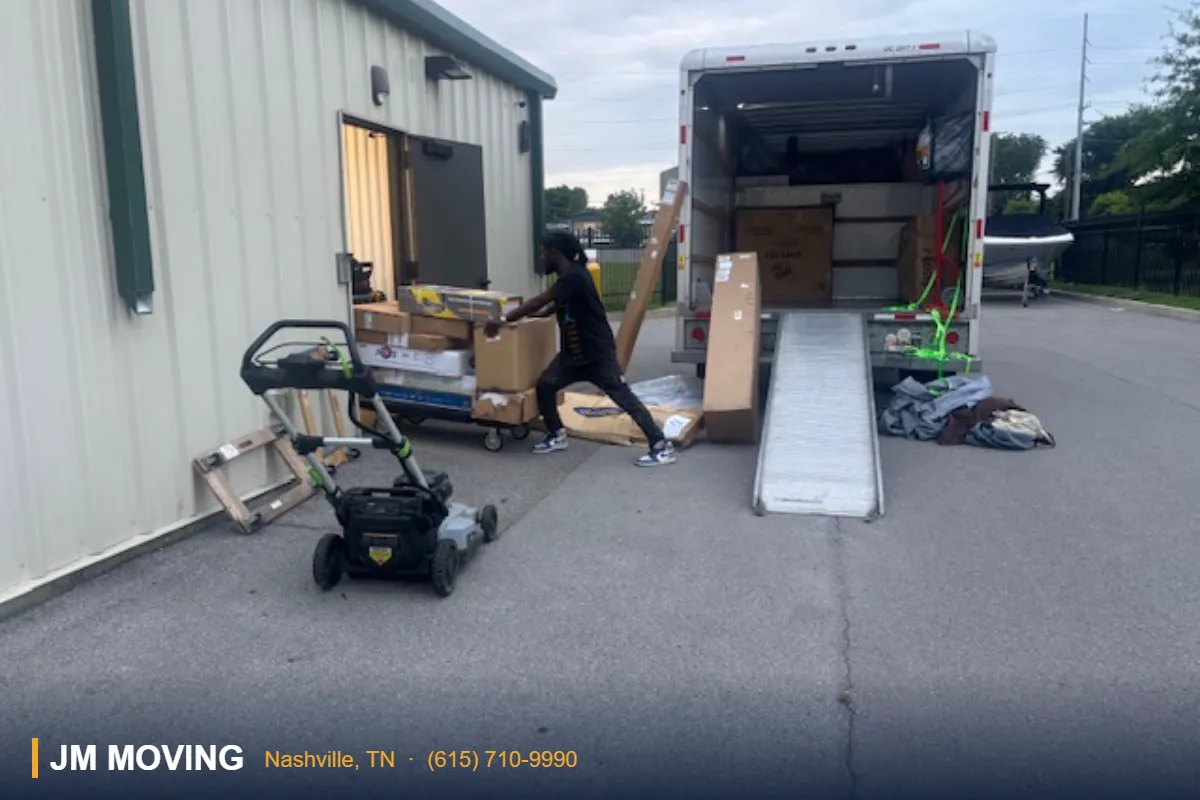
Putting the 12 Tips to Work: A Comparison Worksheet
Tips are easier to use when you write the answers down. For each mover you are considering, fill in the same lines and compare them side by side.
- Price and how it was set: hourly rate, flat rate, or estimate based on weight. Was there a walkthrough?
- Crew size and truck size: how many movers and what size truck. JM Moving uses 26-foot box trucks with about 1,900 cubic feet of space.
- Who does the work: the company’s own crews, or subcontractors.
- Protection included: floor runners, door-jamb pads, corner guards, banister covers and furniture wrapping.
- Specialty handling: how they would move your piano, safe, art or antiques, and whether they document condition in writing.
- Building coordination: whether they handle elevator reservations and certificates of insurance.
- Extra charges: stairs, elevators, fuel, travel time, long carries.
- Availability: whether someone answers the phone in the evening and on weekends.
- Verification: business address, reviews and, for interstate moves, a USDOT number you can check with the FMCSA.
How JM Moving Answers the Worksheet
Here are our answers, so you can compare. Price: $250 per hour for two movers and a truck or $350 per hour for three movers and a truck on local moves, or a flat rate after a walkthrough, confirmed on a call. Crew: our own crews, with more than 18 years of experience behind the company. Protection: runners, jamb pads, corner guards and banister covers on every move, with written condition notes on high-value items and custom crating available. Extra charges: none for travel time, fuel, elevators or one flight of stairs on local moves. Availability: 24 hours a day, 7 days a week at (615) 710-9990. Address: 6430 Charlotte Pike, Suite 107, Nashville, TN 37209.
A Note on Very Low Quotes
If one quote is far below the others, ask why. It may assume fewer movers, a smaller truck, no protection, or an inventory that leaves things out. Ask the company to price exactly the same inventory and access as the others. A fair comparison almost always narrows the gap.
Questions to Ask on the Phone
Some of the most useful comparison points only come out in conversation. Ask each company to walk you through what happens on move day from the moment the crew arrives. Listen for whether they mention protecting the home, walking through it with you first, labeling and placement at the new home, and what happens if something is damaged. A company that can describe its process clearly usually follows it.
Also ask how they would handle the hardest part of your move, whether that is a piano, a narrow staircase, a building with a short elevator window, or a closing on the same day. The answer tells you whether they have done it before.
When to Decide
Book once you have compared at least two or three movers on the same inventory, and ideally two to three weeks before your date, especially at the end of the month or in summer. If your move is sooner, call anyway; JM Moving handles short-notice moves every week.
After You Choose
Once you have picked a mover, confirm everything in writing: the date, the arrival window, the crew size, the price and what it includes. Share your building rules and any changes as soon as they come up. The day before the move, confirm the arrival time and parking plan. These last steps protect the comparison work you have already done and make sure the company you chose delivers what it promised.
If you chose JM Moving, thank you. Call (615) 710-9990 any time with questions before your move.
A careful comparison takes an evening or two, but it can save a great deal of money and stress on moving day. Use the worksheet above for every company you are considering, and keep the answers together until you book.
