Nashville Neighborhoods Moving Guide
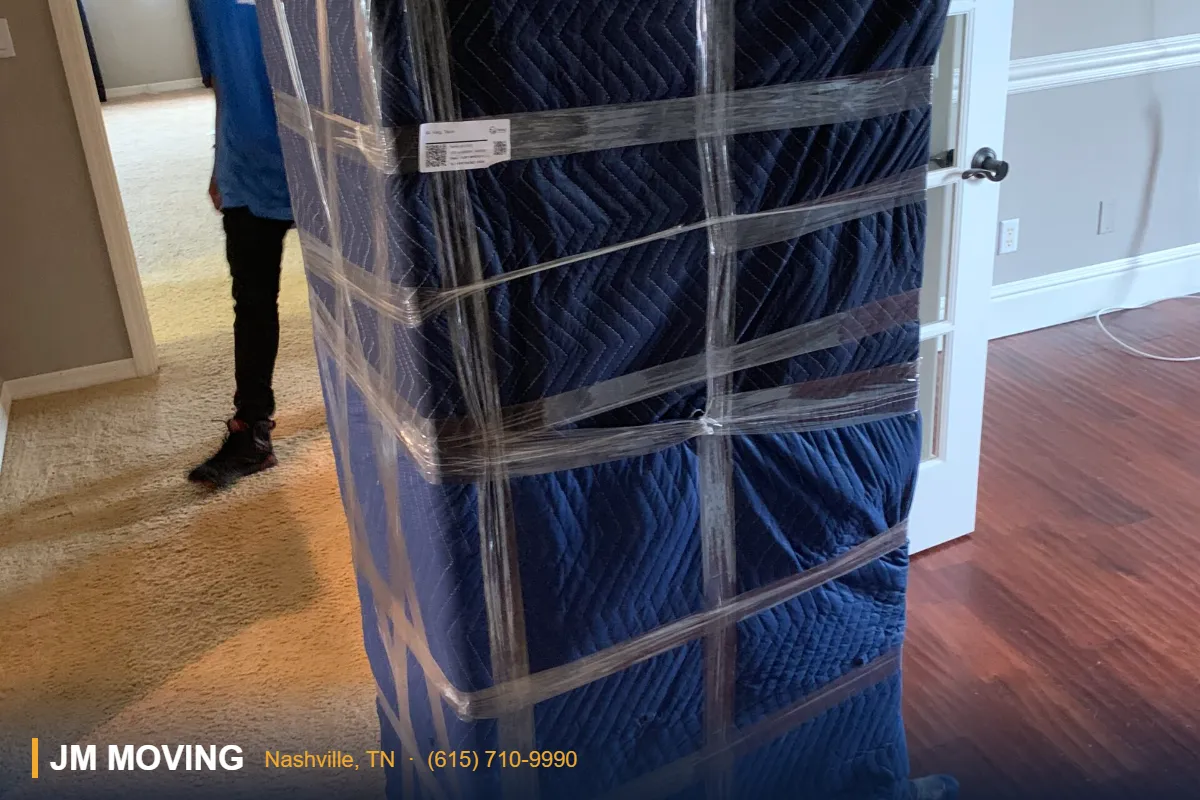
Nashville Neighborhoods Moving Guide | JM Moving helps customers compare access, parking, housing type, building rules, commute patterns, and moving-day logistics before choosing an area.
Choosing where to live in Nashville starts with daily life—not a popularity list. The right area depends on your commute, housing type, parking needs, access rules, budget, and the services you use most. This Nashville neighborhoods moving guide gives you a practical way to compare areas and prepare for moving day without relying on one-size-fits-all rankings.
How to Choose a Nashville Neighborhood
Whether you are moving to Nashville or across town, start by listing the trips you make every week: work, school, medical appointments, groceries, family visits, recreation, and the airport. Test likely routes during the hours you would actually travel. A short distance can feel very different during busy periods, and construction or special events may affect access. Our moving company in Nashville plans around those access windows every week.

- Set the non-negotiables. Write down your maximum housing payment, minimum space, parking requirement, accessibility needs, and acceptable commute.
- Visit more than once. See the area on a weekday, evening, and weekend. Listen for traffic and event noise and check lighting and pedestrian access.
- Confirm the exact address rules. Ask a landlord, HOA, condominium manager, or property manager about elevators, loading zones, certificates, deposits, and permitted move hours.
- Measure the hard parts. Record doorway, stairwell, elevator, gate, and driveway dimensions for oversized furniture.
- Request a written moving scope. Share both addresses, inventory, access notes, date preferences, and any packing needs with JM Moving.
Nashville Area Comparison for Movers
| Area type | Common housing | Moving-day detail to verify | Best planning action |
|---|---|---|---|
| Downtown and the Gulch | High-rise apartments and condos | Loading dock, freight elevator, parking reservation | Get written building instructions before booking |
| Sylvan Park and West End | Older homes, renovated houses, apartments | Narrow drives, steps, street parking | Photograph access and measure large furniture |
| Germantown | Condos, apartments, historic homes | Shared entrances and limited curb space | Confirm move windows and loading-zone rules |
| Green Hills and west Nashville | Single-family homes, condos, apartments | Traffic, slopes, gated access | Plan arrival time and share gate instructions |
| Antioch and nearby areas | Apartments, townhomes, houses | Large complexes and unit location | Provide building number, floor, and closest entrance |
| Brentwood and Franklin | Houses, townhomes, apartments | HOA rules, long driveways, travel time | Verify access and keep the route in the written scope |
| Mount Juliet and Hendersonville | Suburban homes and apartments | Bridge, interstate, and development access | Allow schedule flexibility and confirm parking |
Planning an Urban Nashville Move
Dense Nashville neighborhoods require coordination. Contact building management before choosing a time. Ask whether a freight elevator must be reserved, whether a loading dock has a height limit, and where the truck may legally stand. If the building requires documentation, request the exact requirement early enough to avoid a last-minute delay.
For apartments, count stairs and note whether hallways turn sharply. Share the unit number, floor, elevator availability, and walking distance from parking. These details help define the crew, equipment, and time needed. Review the property’s apartment moving instructions for a more focused checklist.
Planning a House Move in Nashville
For a Nashville move into or out of a house, the biggest variables are driveway access, exterior steps, distance to the door, and the size of furniture. Clear branches and vehicles from the working path. Keep children and pets in a secure room or with a trusted person. Protect irreplaceable documents, medicines, keys, and small valuables by carrying them yourself.
If you are considering west Nashville, Sylvan Park or Green Hills, start with our local moving services. For surrounding communities, see JM Moving’s guides for Brentwood, Franklin, and Mount Juliet.
Neighborhood Moving Checklist
- Confirm the full origin and destination addresses, including unit numbers.
- Check parking, loading zones, gates, elevators, stairs, and permitted move hours.
- Ask whether the building or HOA requires advance notice or documentation.
- Create a room-by-room inventory and identify fragile, heavy, or oversized items.
- Measure doors, halls, stairs, and elevators for furniture clearance.
- Decide whether you need packing, furniture preparation, loading, or unloading help.
- Label every box with destination room, contents, and handling priority.
- Keep identification, medication, keys, chargers, and essential documents with you.
- Confirm utilities and obtain keys before the moving crew arrives.
- Review the written scope, addresses, access details, and timing before moving day.
What to Send When Requesting a Quote
A useful written quote begins with useful information. Send the move date or date range, both addresses, housing types, floors, stair and elevator details, parking distance, inventory, and any disassembly or packing requests. Include photos of unusually large pieces or difficult access. If the inventory or access changes, update the mover before the appointment.
JM Moving is a family-owned moving company Nashville customers use for local and long-distance moving services. See the local movers Nashville page for service details, then gather the details needed to request a written quote.
Frequently Asked Questions About Nashville Neighborhood Moves
How far ahead should I reserve Nashville movers?
Reserve as soon as your addresses and preferred date are reasonably firm. Ask early when your move involves a building reservation, narrow time window, weekend, or end-of-month date.
Do downtown Nashville buildings require elevator reservations?
Policies vary by property. Ask management about freight elevators, loading docks, permitted hours, deposits, and documentation before confirming the moving schedule.
How do I compare commute times between neighborhoods?
Test the route during the weekday hours you expect to travel. Consider alternate routes and recurring event traffic instead of relying only on distance.
What access details should I give my mover?
Provide floors, stairs, elevator availability, walking distance, parking restrictions, gate codes, loading-zone rules, and photos of difficult entrances.
Should I measure furniture before an apartment move?
Yes. Measure the furniture and the narrowest door, hallway turn, stairwell, and elevator. Flag items that may need disassembly.
Can JM Moving help with packing?
Discuss the packing scope when requesting your quote. Specify whether you need full packing, selected-room packing, materials, or moving-only service.
What should I keep with me during the move?
Carry identification, medication, keys, important documents, irreplaceable items, basic toiletries, chargers, and immediate household essentials.
How should I label boxes for a neighborhood move?
Use the destination room, a short contents description, and a fragile or priority note when appropriate. Label more than one side so it stays visible.
What if parking changes on moving day?
Contact JM Moving promptly. A longer carry or different entrance may affect logistics, so updated information helps our Nashville movers adjust.
How do I request a JM Moving quote?
Use the JM Moving contact page and provide both addresses, inventory, access details, desired services, and your preferred date or date range.
Nashville Neighborhoods Moving Guide: West and South Nashville Area Notes
This part of our Nashville neighborhoods moving guide focuses on the west and south side of the city, where JM Moving is based and where our crews work most often. The notes below are about moving-day logistics, not rankings. Every street and building is different, so treat them as a starting point for questions you ask a landlord, HOA or property manager before booking Nashville movers.
Belle Meade and Forest Hills
Homes here are often larger single-family houses set back from the street, sometimes with long or sloped driveways, gates and landscaped walkways. Plan where a truck can safely park, whether the driveway can handle a large vehicle, and which entrance gives the shortest carry. Share gate codes and any rules about working hours before moving day.
Green Hills and Oak Hill
This area mixes condos, townhomes and single-family homes. Condo buildings may require elevator reservations, insurance certificates and set move windows, while houses on hillside lots can involve steps and slopes. Busy retail corridors nearby mean arrival timing matters, so an early start can help.
West End, Midtown and Downtown
Mid-rise and high-rise apartments dominate. Expect questions about loading docks, freight elevators, height limits in parking garages and time-limited loading zones. Get the building’s move-in packet in writing before choosing a date, and ask whether weekend or evening moves are allowed.
Sylvan Park and West Meade
Older cottages, bungalows and renovated homes often have narrow front steps, tight hallways and street parking. Measure doorways and stair turns for sofas, sectionals and dressers, and let neighbors know if the truck will need curb space for part of the day.
Bellevue
Bellevue offers a mix of subdivisions, apartments and newer developments. HOA communities may limit truck parking or move hours, and some neighborhoods have winding streets where a clear approach route helps the crew plan.
Brentwood, Franklin and Nolensville
Many families moving to Nashville consider these south suburbs. Newer subdivisions frequently have HOA rules on trucks, bonus rooms reached by turning stairs, and long travel times during rush hours. Confirm HOA requirements in writing and plan for traffic on the drive between addresses.
Match Your Priorities to Nashville Neighborhoods
Instead of chasing a list of “best” areas, match your daily needs to the type of housing and access you will actually live with. The table below is a practical way to narrow the search before you tour homes.
| If you want | Consider areas like | Moving-day question to ask |
|---|---|---|
| Walkable city living | Downtown, Midtown, West End | Is there a loading dock, and how is the freight elevator reserved? |
| Older homes with character | Sylvan Park, West Meade | Will large furniture fit through the front door and stair turns? |
| Larger lots and established streets | Belle Meade, Forest Hills, Oak Hill | Where can the truck park, and how long is the carry to the door? |
| Condos near shopping | Green Hills | What are the permitted move hours and insurance requirements? |
| Suburban space and newer builds | Brentwood, Franklin, Nolensville, Bellevue | What does the HOA require for trucks, timing and notice? |
Use this alongside the comparison table above, and visit your shortlisted Nashville neighborhoods at the times of day you would actually commute.
A 6-Week Timeline for Moving to Nashville
Whether you are moving to Nashville from another state or across town, a simple timeline keeps the logistics under control. Adjust it if your lease, closing date or job start forces a faster schedule.
- Six weeks out: Shortlist two or three areas, tour them on a weekday and weekend, and request written quotes from Nashville movers with your inventory and both addresses.
- Five weeks out: Pick your mover and date. Ask the building or HOA for its moving rules and reserve elevators or loading docks.
- Four weeks out: Declutter. Sell, donate or discard items you do not want to pay to move.
- Three weeks out: Decide on packing help. Order materials if you are packing yourself, or confirm the packing scope with your mover.
- Two weeks out: Schedule utility transfers and internet setup, update your address, and measure large furniture against the new home’s doors and stairs.
- Final week: Pack an essentials bag, confirm access details, share parking notes and gate codes, and reconfirm the arrival window.
Questions to Ask Before Hiring a Moving Company Nashville Residents Can Trust
These questions work for any mover you are considering, including JM Moving. Clear, written answers make it easier to compare quotes fairly.
- Is the price a flat written rate, and what would change it?
- What is included: loading, unloading, furniture disassembly, reassembly, packing, materials?
- How many crew members and what size truck will you send?
- How do you handle stairs, long carries, elevators and building rules?
- Can you work evenings, weekends or on short notice if my building requires it?
- What information do you need from me to keep the quote accurate?
JM Moving provides flat-rate written pricing and has 18+ years of moving experience. Call (615) 710-9990 to discuss the inventory, access, requested services and current availability.
Planning a Long-Distance Relocation Nashville Families Can Manage
If you are coming from out of state, the logistics change. You may be choosing a neighborhood from a distance, coordinating a lease or closing you cannot easily reschedule, and timing the drive with the truck’s arrival. A few steps help any long-distance relocation Nashville newcomers plan run smoothly:
- Use video tours and a short scouting trip to confirm access details you cannot see in listing photos.
- Ask your new landlord or HOA for its move-in rules before you schedule the delivery date.
- Keep documents, medication, chargers and a few days of clothing with you rather than on the truck.
- Plan where the household will sleep if delivery and arrival do not line up perfectly.
- Consider short-term storage if your new home is not ready on the day the truck arrives.
JM Moving handles long-distance moves to and from Nashville and offers storage when timing does not line up.
Questions for Your Landlord, HOA or Building Manager
Property rules differ widely across Nashville neighborhoods, and they are a frequent source of moving-day surprises. Ask these questions in writing and forward the answers to your mover so the plan reflects the real conditions at both addresses.
- Which days and hours are moves allowed, and is a reservation required?
- Is there a freight elevator, loading dock or designated entrance for moves?
- Does the building require a certificate of insurance from the moving company, and who should it name?
- Where may a 26-foot box truck park, and are permits or cones needed?
- Are floor, wall or elevator protection pads required?
- Is there a deposit or fee for moving in or out?
Having these answers early lets Nashville movers set the right crew size and arrival time, and it keeps anyone moving to Nashville from losing a day to a missed reservation.
What Affects the Cost of a Neighborhood Move
There is no single price for a Nashville move. Cost depends on inventory, access and date, so a written estimate is the only reliable number. The factors below usually matter most.
- Inventory size: more furniture and boxes mean more labor and truck space.
- Access at both ends: stairs, elevators, long carries and parking distance add time.
- Building and HOA rules: restricted move windows can affect scheduling.
- Packing scope: full packing, partial packing or moving-only service.
- Special items: pianos, safes, pool tables and oversized pieces need extra planning.
- Timing: month-end, weekends and after-hours moves may affect availability.
For a clear number, request a free moving quote and include photos of any difficult access. Our packing services page explains the packing options.
Your First Week in a New Nashville Neighborhood
Once the truck is unloaded after your Nashville move, a few tasks make the new place feel like home faster.
- Walk through each room and confirm furniture and boxes are where you want them.
- Test smoke detectors, locks, water heater and HVAC.
- Locate the water shutoff and electrical panel.
- Learn trash and recycling days for your street.
- Update your address with employers, banks, subscriptions and your vehicle registration.
- Drive your commute once before the first workday.
More Nashville Neighborhoods Moving Guide Questions
Which Nashville neighborhoods does JM Moving serve most often?
JM Moving is based on Charlotte Pike and works most often in west and south Nashville and nearby suburbs, including Belle Meade, Green Hills, Forest Hills, Oak Hill, West Meade, Sylvan Park, West End, Bellevue, Brentwood, Franklin, Nolensville, and Downtown and Midtown.
How early should I book Nashville movers?
Book as soon as your addresses and date are reasonably firm, and earlier if you need a weekend, month-end date or a building elevator reservation.
Can JM Moving help if my move date changes suddenly?
JM Moving is available 24 hours a day, seven days a week, including after-hours and emergency moves. Call (615) 710-9990 to check availability for your new date.
Green Hills, Brentwood and Burton Hills: A Quote-Ready Moving Plan
For a move involving Green Hills, Brentwood or Burton Hills, the fastest path to a useful written quote is a complete scope. Send both addresses, move date or date range, a room-by-room inventory, packing needs, stairs or elevators, parking distance, gate instructions, and photos of oversized furniture or difficult access. This lets JM Moving plan the crew, truck and timing around the actual property instead of relying on a generic online estimate.
| Area | Access detail to confirm | What to send with the quote request |
|---|---|---|
| Green Hills | Condo move windows, freight elevators, retail traffic and hillside access | Building rules, elevator reservation, parking instructions and entry photos |
| Brentwood | HOA notice, gated entry, long driveways and rush-hour travel | Gate code process, driveway photos, HOA limits and preferred arrival window |
| Burton Hills | Property-specific loading areas, elevators, garage clearance and permitted hours | Management contact, loading instructions, clearance limits and unit access notes |
Five Details That Make an Online Quote More Useful
For Green Hills, Brentwood or Burton Hills, customers can get a clearer first estimate by attaching a short inventory video, photos of the parking or loading entrance, the exact building move-in rules, a list of furniture requiring protection or disassembly, and the preferred dates. If the address is a high-rise, include freight-elevator size and reservation times. This helps distinguish a preliminary estimate from a confirmed written moving plan.
Questions to Ask Before Confirming Your Move
Can you move us outside ordinary office hours? Ask about after-hours availability for the requested date and route. The crew and date must be confirmed, and individual buildings may prohibit evening or weekend moves.
What if we have artwork or a piano? Send measurements, photos of the piece and the access route before booking so the correct handling plan can be reviewed.
What if the inventory changes? Disclose added items or services promptly and ask for an updated written scope before the truck arrives.
Does a flat rate cover all packing? Do not assume so. Request the exact packing labor, materials and furniture preparation included in your confirmed quote.
JM Moving Pricing Reference
JM Moving publishes flat-rate options of $350 for a studio or one-bedroom move, $550 for a two- or three-bedroom move, and $850 for a four-bedroom-or-larger move. Local hourly options are $250 for two movers and a truck or $350 for three movers and a truck. Local pricing includes the first flight of stairs, elevators, travel, fuel and tax. The exact written price is confirmed after a phone review or walkthrough because inventory, access and requested services can change the scope.
Review the JM Moving flat-rate guide, then request a written quote or call (615) 710-9990. If anything changes before moving day, update JM Moving so the written plan stays accurate.
Plan Your Nashville Move
Choose a neighborhood based on the life you will live there, then plan the physical move around the exact property. Contact JM Moving for a written Nashville moving quote with your addresses, inventory, access notes, and service needs. Call JM Moving at (615) 710-9990.
Related JM Moving resources: local movers in Nashville, residential movers in Nashville, JM Moving contact page.
Nashville Neighborhoods Moving Guide
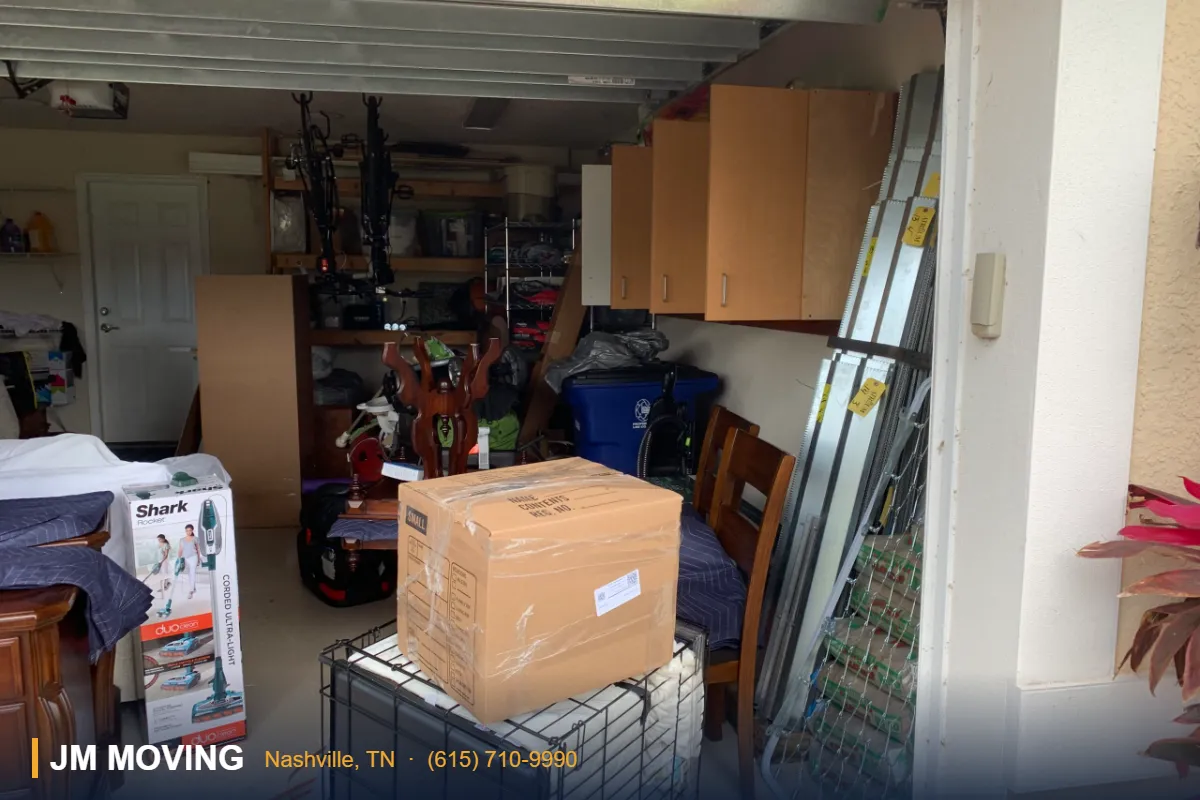
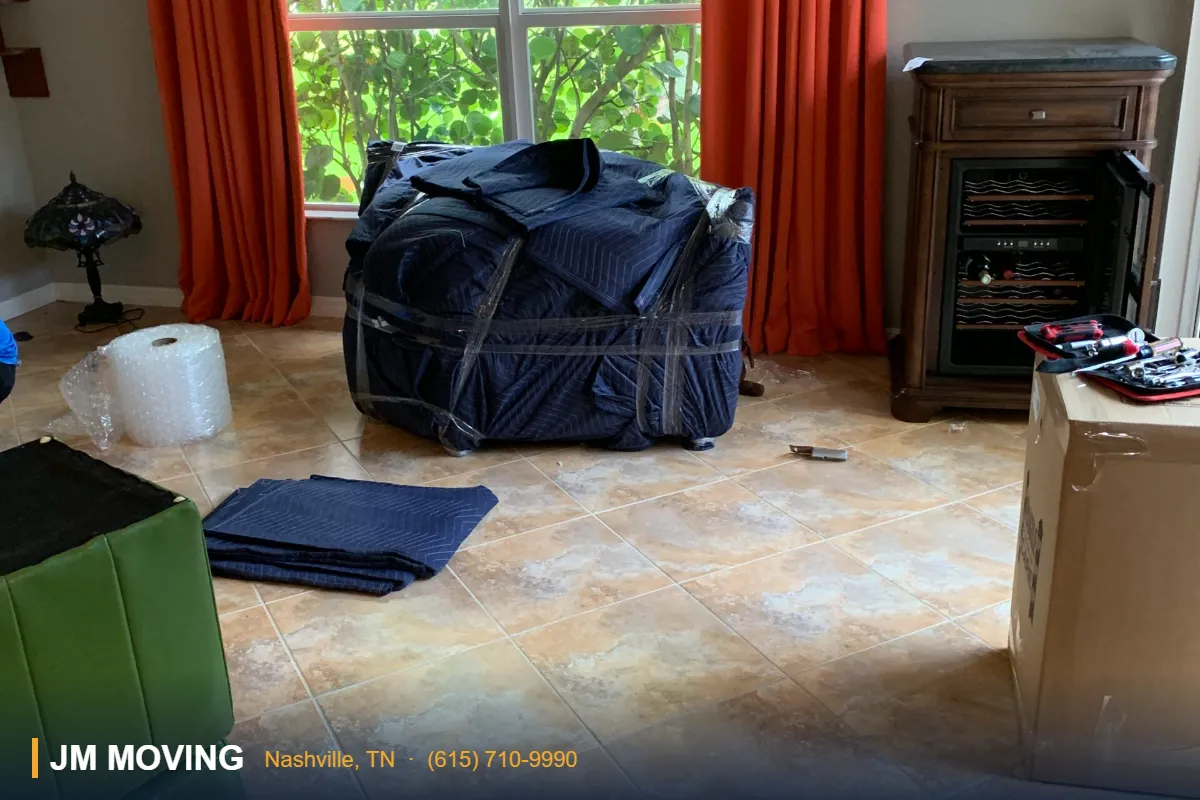
Nashville Neighborhoods Moving Guide Photo Gallery

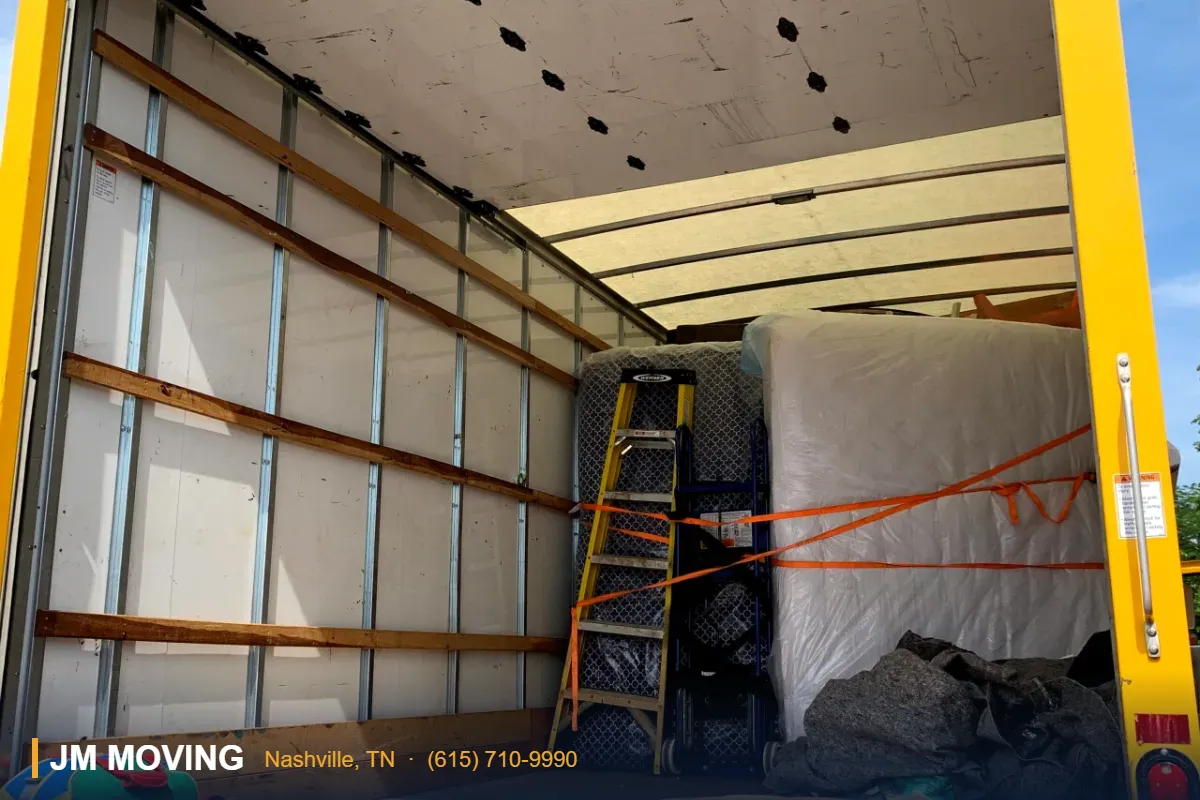
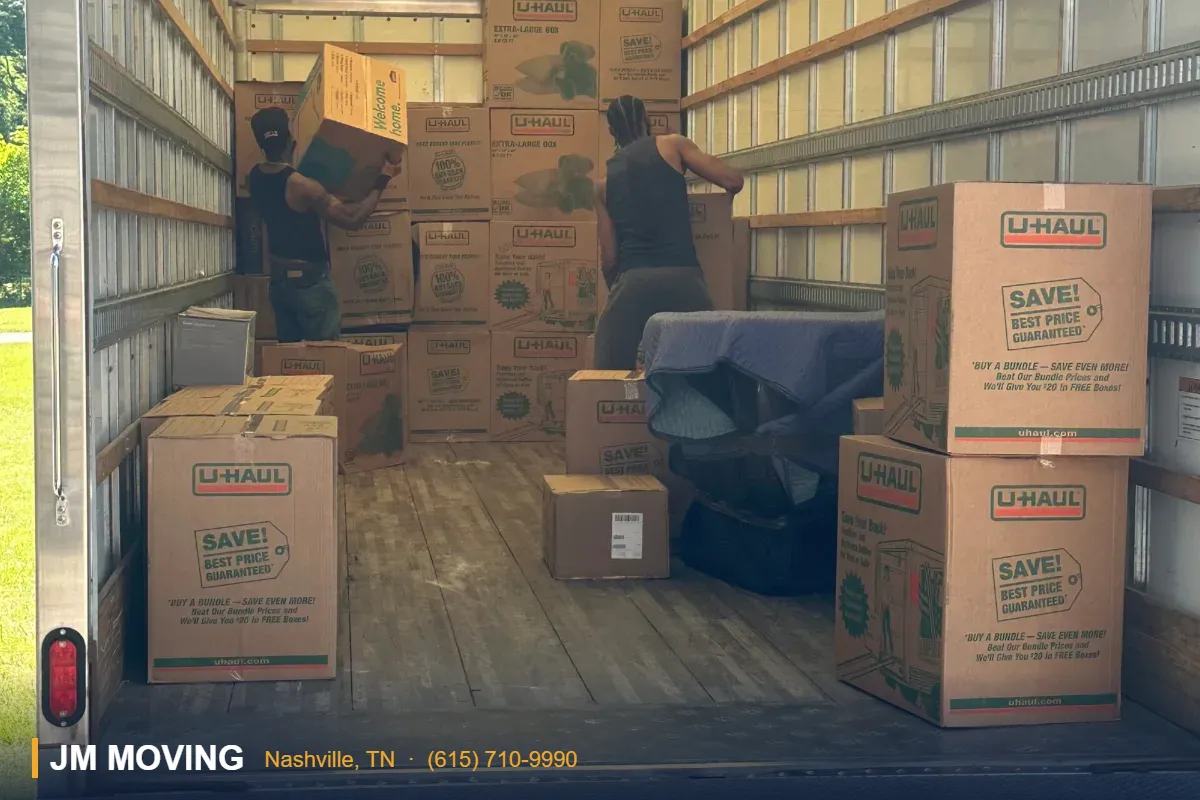
Verify Neighborhood Access Before Moving Day
Street width, parking restrictions, building loading zones, elevator reservations, and event traffic can change the best arrival plan from one Nashville neighborhood to another. Confirm current property rules directly with the building or property manager. For city services and local information, consult the Metropolitan Government of Nashville and Davidson County. Share any access change with JM Moving before moving day so the written plan stays accurate.
For neighborhood-specific help, see our Green Hills Nashville movers page, or book our apartment movers in Nashville TN if you’re starting out in a downtown, Midtown or Gulch building.
Related JM Moving guides: Richest Neighborhoods in Nashville: Luxury Area Guide · Safest Neighborhoods in Nashville 2026: A Proven Move Guide