
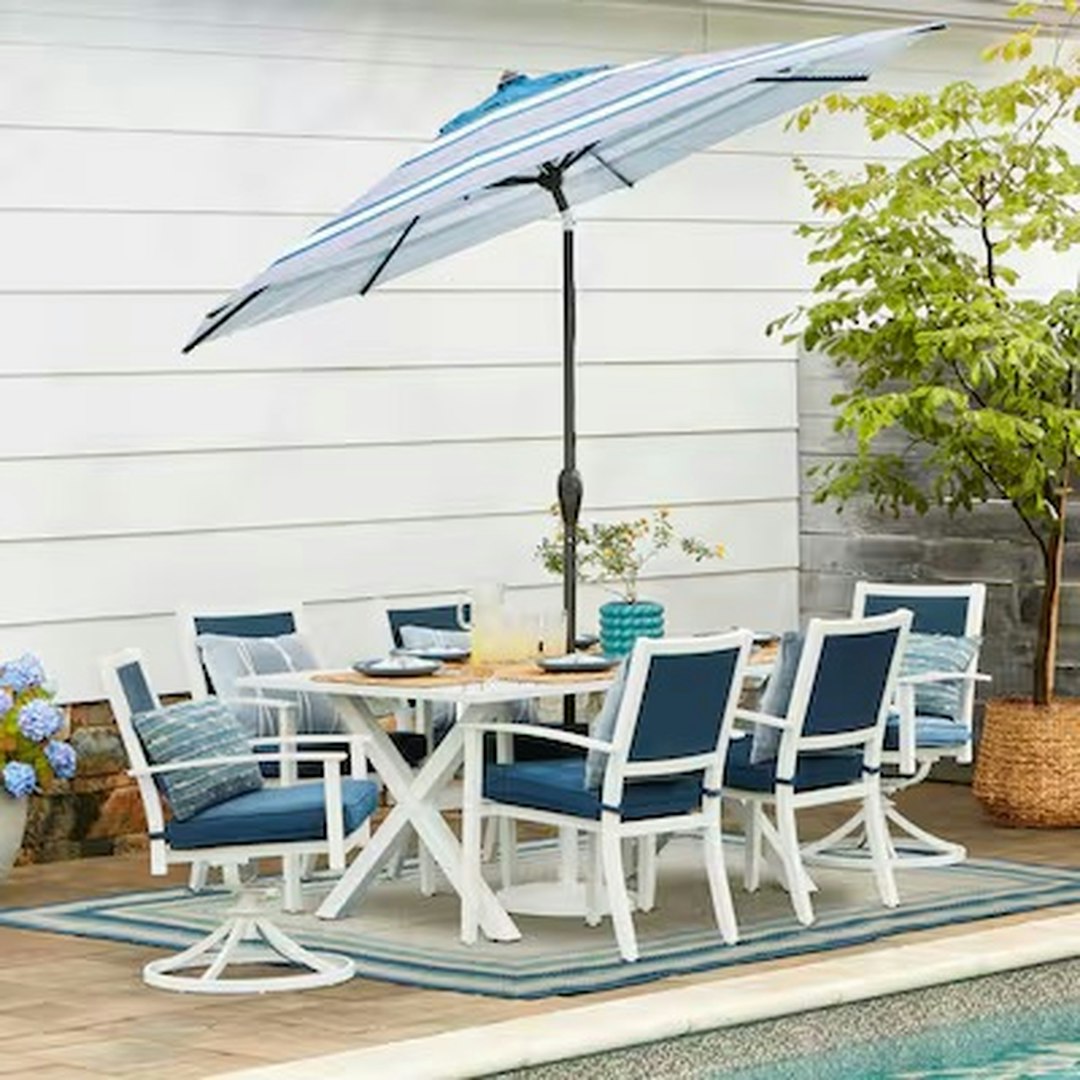
Stock reference: count furniture and detachable accessories before planning preparation.
Patio furniture often becomes several moving items: a table frame, glass insert, cushions, umbrella, base sections, and a small bag of fasteners. A Nashville patio furniture inventory should count those parts separately and show which pieces belong together. This guide explains component records, condition photos, packing decisions, and access checks for an outdoor furniture move with JM Moving. It is a planning guide; any lifting, disassembly, or specialty packing must match the item and the agreed service.
Direct Answer: What Is a Patio Furniture Component Inventory?
A patio furniture component inventory is a systematic itemization of every individual piece, detachable cushion, glass tabletop, umbrella base, and hardware fastener associated with your outdoor living setup. Unlike a standard indoor furniture list that treats a dining table and its chairs as single entities, exterior furnishings often feature removable parts that require separate tracking. When working with local movers Nashville, having a categorized log prevents missing parts upon delivery. This inventory document records item names, material types, physical dimensions, exact condition notes, and corresponding photo references. By breaking down complex items into manageable parts—such as separating a glass top from its wrought iron frame or counting individual slipcovers—you reduce guesswork on moving day. For a complete look at how exterior items fit into your broader relocation plan, consult the JM Moving online quote room inventory checklist before finalizing your project details.

Outdoor Tables: Managing Glass Tops, Frames, and Extensions
Begin with each outdoor table assembled and photograph its shape and connections. Record the frame material, tabletop material, removable leaves, and approximate dimensions. A glass insert, tile surface, or stone top needs a handling review before anybody lifts it. Some tops detach and others are fixed. Do not pry out a panel or assume that a glass top is safe to carry without appropriate equipment and experienced help.
Look for the manufacturer’s instructions for folding, extending, or disassembling the table. Record any locking mechanism, loose leveling foot, or missing fastener. Agree on who will prepare the item and preserve the instructions with the private inventory. Do not tighten, retract, or remove every component automatically; a corroded fitting or damaged frame can require a different approach.
Chairs, Loungers, and Stackable Seating
Seating units—ranging from simple stackable resin armchairs to heavy cast aluminum rocking chairs and multi-position chaise loungers—require strategic grouping. Stackable chairs should be inspected for grit and debris between seats to prevent scratching powder-coated or painted finishes when nested together. Place soft protective felt pads or foam interleaving between stacked metal frames to absorb vibration inside the moving vehicle.
For non-stackable chairs and loungers, record the complete footprint and any moving base or reclining mechanism. A swivel chair may have a separate base, while another design should remain intact. Photograph the arrangement and note loose joints or corrosion. Ask the moving team to assess the route and preparation rather than testing whether a heavy chair can be lifted alone or forcing its mechanism closed.
Cushions, Pillows, and Removable Fabric Components
Soft goods left outdoors are susceptible to morning dew, pollen, and dust. Packing cushions and throw pillows requires clean, dry handling to prevent mold or mildew growth during transit. Before packing, ensure every cushion is completely dry. Vacuum away surface debris, leaves, and insect remnants. If your cushions feature removable zippered covers, consider washing them prior to your move date, or bag them securely in heavy-duty polyethylene bags.
Never pack damp outdoor fabrics inside airtight plastic bins for extended periods, as trapped humidity ruins foam cores. Instead, use breathable canvas bags or specialized moving boxes designated for soft furnishings. When estimating your overall packing volume, remember that fluffy exterior cushions take up substantially more space than rigid wooden boxes. To ensure your soft goods are accounted for correctly alongside your indoor textiles, review the JM Moving online quote packing scope-checklist for comprehensive volume guidelines.
Umbrellas, Bases, and Cantilever Stands
Umbrellas and weighted bases need model-specific preparation. Record whether the base is solid, removable in sections, or designed to contain water or sand. Tell the moving team its approximate size and known weight, and consult the manufacturer before emptying or taking it apart. Do not cut open a sealed base or dismantle a cantilever mechanism without instructions. Agree on an appropriate plan for the actual design.
When the model instructions allow it, close the canopy and secure it with the intended ties or cover. Photograph how the pole, crank, base, and canopy connect before any disassembly. Keep detachable pins and knobs in a labeled parts container. Record whether the canopy and pole are one item or two, and protect exposed threads without applying adhesive to delicate surfaces.
Hardware, Fasteners, and Small Components
The most common cause of patio furniture assembly nightmares after a move is lost hardware. Hex wrenches, stainless steel bolts, lock washers, and plastic cap nuts frequently disappear when furniture is hastily disassembled. Create a clear tracking system by placing all fasteners associated with a specific furniture set into a heavy-duty, zip-top plastic bag. Label the bag with permanent marker, noting the exact furniture brand, model, and table or chair style.
Keep labeled hardware in a dedicated parts box or secure it to the protective packaging where it cannot fall off. Avoid placing adhesive directly on finished wood, coated metal, wicker, or fabric. Give the bag the same item code as the furniture and record its location. If the original set includes a special tool, add that tool to the list rather than assuming a common wrench will fit.
Condition Photography and Damage Documentation
Exterior furniture is constantly exposed to the elements, meaning many pieces arrive at a move with preexisting weathering, minor rust spots, sun fading, or wood splitting. To protect both homeowners and moving professionals, comprehensive condition photography is essential. Before packing begins, walk your entire outdoor living area and take high-resolution digital photographs of every scratch, discoloration, chipped paint layer, or frayed wicker strand.
Focus close-up shots on vulnerable areas such as table corners, chair legs, and woven joints. Pair these visual records with your written inventory sheet. When planning your photo documentation strategy, utilize the JM Moving online quote photo walkthrough checklist to ensure every angle and item is captured systematically before moving day arrives.

Access Paths, Gate Clearances, and Yard Navigation
Moving heavy patio furniture out of a backyard involves navigating narrow side gates, sloping lawns, stepping stones, and tight patio corners. Unlike interior rooms with wide hallways and level hardwood floors, backyards present natural obstacles that require careful path planning. Clear all garden hoses, hanging planters, decorative stones, and children’s toys out of the transit walkway well before the moving crew arrives.
Measure the clear openings of gates and doors, and record steps, turns, slopes, and the distance from the patio to the loading area. Share photos showing the full route, not just the narrowest spot. After rain, tell the moving team about muddy ground or slippery surfaces. Let the team assess the route and any required protection; improvised boards or loose mats can introduce trip or slip hazards.
Fragile Items: Terracotta, Ceramics, and Mosaics
List empty decorative planters, ceramic stools, statues, and mosaic pieces separately from furniture. Note their dimensions, visible cracks, repairs, and whether they contain soil or a living plant. Ask about acceptance and suitable preparation before emptying or moving a large planter. A planted container may need help from a garden professional, while an antique or damaged ceramic may need specialist advice.
Choose preparation that suits the object’s condition and construction. Do not rely on a generic blanket wrap for every large stone or glass piece. The Canadian Conservation Institute guidance on ceramics and glass explains why old repairs and fragile attachments deserve attention. Ask whether a particular item needs specialist packing, custom support, or a different transport arrangement before moving day.
Ten Practical Tips for Patio Furniture Inventory and Moving
- Clean Thoroughly in Advance: Clean suitable surfaces according to their care instructions and allow adequate drying time before packing.
- Group by Set: Keep dining tables paired with their matching chairs on your inventory sheet to streamline loading.
- Measure Doorways and Gates: Verify that large sectionals and assembled items fit through exterior exits before moving day.
- Bag All Hardware: Place bolts, washers, and tools in labeled bags inside a recorded parts box or secured to the protective packaging.
- Document Preexisting Wear: Photograph scratches, rust, and sun fading to maintain an accurate condition record.
- Protect Glass Surfaces: Ask for a preparation review of glass inserts, including whether removal and specialist protection are needed.
- Empty and Dry Cushions: Ensure all soft goods are completely dry before placing them in breathable storage bags.
- Secure Cantilever Mechanisms: Follow model instructions for the canopy, mechanisms, and base, and agree on who will do the work.
- Clear Yard Pathways: Clear loose hoses and toys; show the moving team any uneven paving, fixed obstacles, or slippery ground.
- Confirm Final Review: Inspect the backyard and patio area one final time after loading to ensure nothing was left behind.
Illustrative Patio Inventory and Access Record
Frequently Asked Questions About Patio Furniture Inventory
Should I disassemble my patio table before the movers arrive?
Only after checking the design and agreeing on the work. Photograph the assembled table, identify its manufacturer if possible, and tell JM Moving about removable parts. Fixed glass, seized fittings, and unfamiliar mechanisms should not be forced. Record who will disassemble, pack, and reassemble each component.
How should I pack glass tabletops for a local move?
Have the specific top assessed, including whether it is removable, its size, thickness, condition, and route. Confirm the protective materials and handling method with the responsible packer or specialist. Avoid lifting a heavy panel yourself or assuming household bubble wrap alone is adequate.
Can patio cushions be left inside storage bins during transit?
Use clean, dry packaging that suits the storage and transport conditions. Check cushions for damp seams or foam before sealing them. Record which cushions belong to each chair or sectional module, and keep questionable or wet items out of a sealed carton until they are properly addressed.
How should I record matching cushions and furniture pieces?
Assign an item code to each set and a component number to every cushion bag or module. For example, PT-01 can identify the table, PT-01-H its hardware bag, and CH-01-C the chair cushion bag. Include quantities and destination so one missing bag does not disappear inside a broad “patio set” entry.
Are weighted umbrella bases moved with sand or water inside?
It depends on the base design and the agreed handling plan. Identify whether the weight is solid or removable and whether the container is intended to be emptied. Follow the manufacturer’s instructions and discuss heavy or awkward bases with the moving team. Do not cut into a sealed base or release a load that has not been stabilized.
How do I keep track of small bolts and Allen wrenches?
Use a durable labeled bag inside a parts box or attached securely to protective packaging. Record its location on the inventory and include the furniture code. Avoid adhesive directly on finished surfaces, and keep the bag clear of wrapping that will be discarded without checking.
What should I do if my side gate is too narrow for my sectional sofa?
Give the moving team dimensions and route photos before the move. If a modular unit is designed to separate, agree on who will disconnect the sections and record their hardware. Do not force a frame through a tight opening or remove property features without appropriate permission and a plan.
Why is condition photography important for outdoor furniture?
Because exterior furniture experiences natural weathering, taking pre-move photos establishes an accurate baseline record of existing rust, sun fading, or scratches before transit begins.
What if the patio route becomes wet or muddy?
Tell JM Moving about the changed conditions before loading starts. Keep loose objects and hoses out of the route and ask the team to reassess safe access. An alternative path, different timing, or additional preparation may be needed; do not assume the original route remains suitable after rain.
What should I do with heavy terracotta planters?
Record the planter, its contents, approximate size, and visible damage. Ask whether it is accepted and what preparation is required. Avoid lifting a heavy planted container or removing a large plant without suitable help. Follow local guidance for any soil or plant disposal and get specialist advice for fragile valuable pots.
Summary and Next Steps
Executing a seamless Nashville moving project for your outdoor living space relies entirely on detailed preparation, systematic component logging, and careful physical staging. By inventorying every frame, cushion, glass insert, and hardware bag, you make the delivery and reassembly handoff easier to follow. Trust the professional team at JM Moving to handle your belongings with care. For transparent scheduling, professional packing services Nashville, and reliable local movers Nashville, reach out to JM Moving today. Visit https://jmmoving.store or call (615) 710-9990 to discuss your upcoming move and request availability.

Plan Your Patio Furniture Move with JM Moving
Submit your inventory details today for professional local moving and packing support across Middle Tennessee.
