
How to Prepare for Movers: Complete Nashville Room Guide
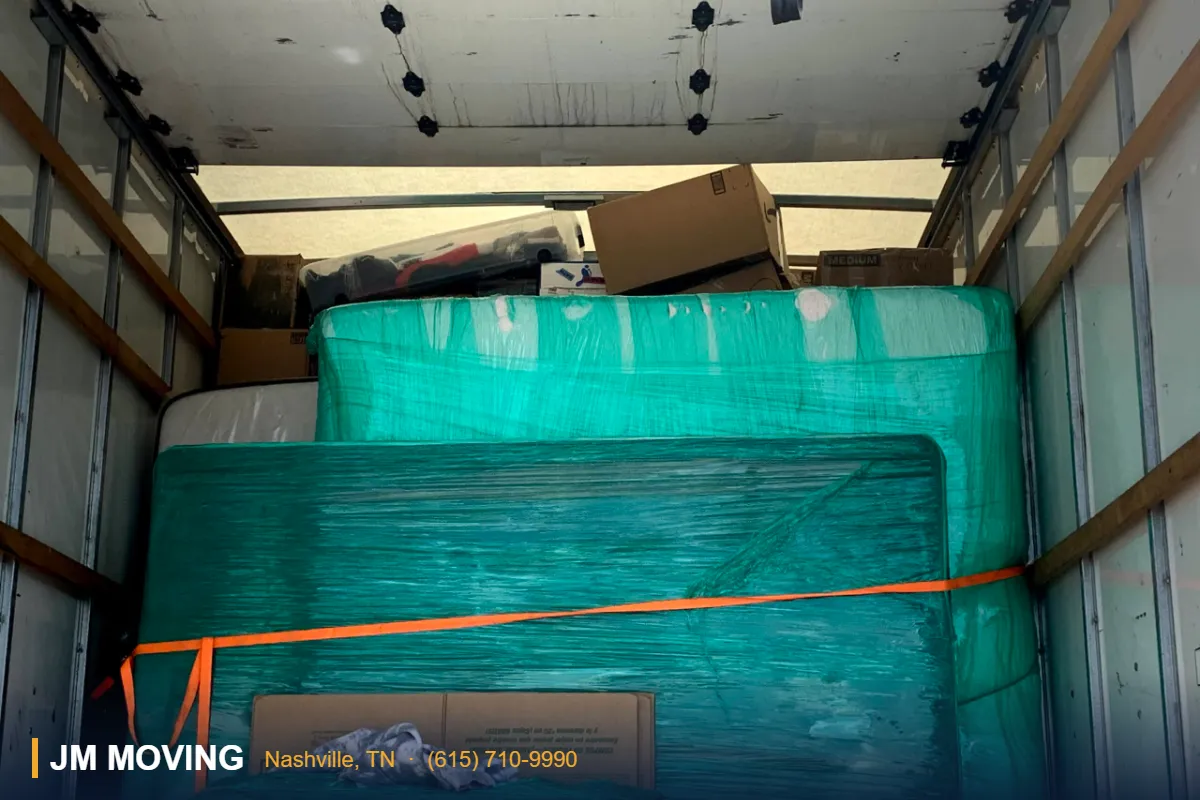
How to Prepare for Movers: Complete Nashville Room Guide explains what Nashville customers should finish room by room before the crew arrives, including packing, access, appliances, pets, and essentials. When you prepare for movers Nashville crews can start loading the minute they walk in.
The moving crew rings the doorbell at 8 a.m. Half the kitchen is still unpacked, the fridge is full of leftovers, and your dog is running laps through the hallway. With hourly movers, every minute of that chaos shows up on the final bill. With a flat-rate crew, that same chaos throws the whole schedule sideways and puts everyone under pressure that was completely avoidable. Knowing how to prepare for movers before they arrive is the single biggest variable you control on moving day.

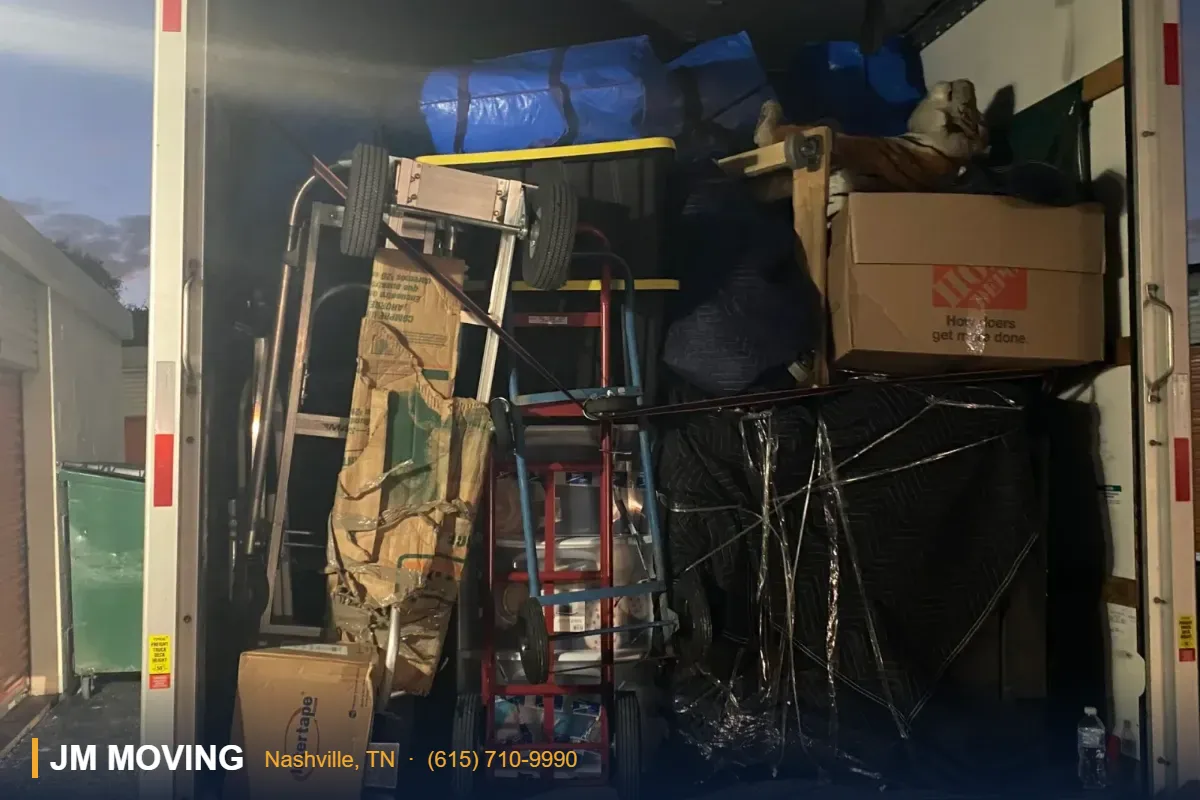
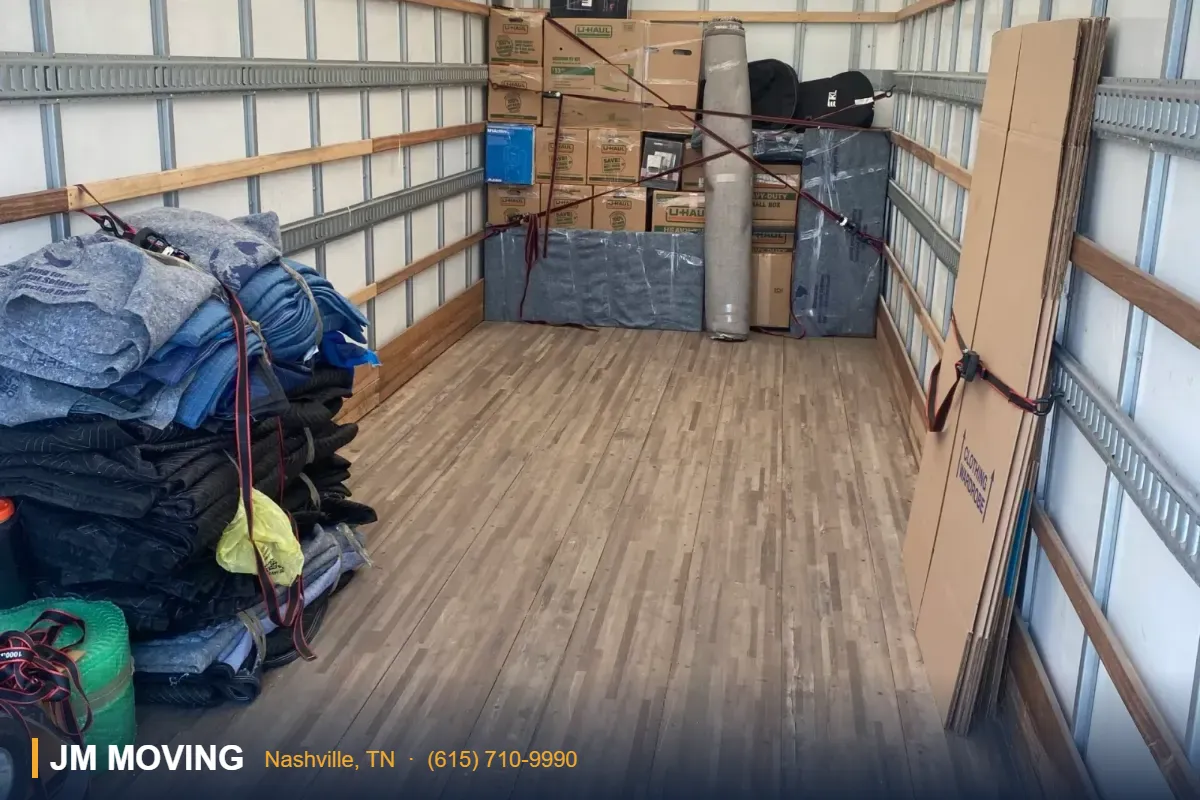
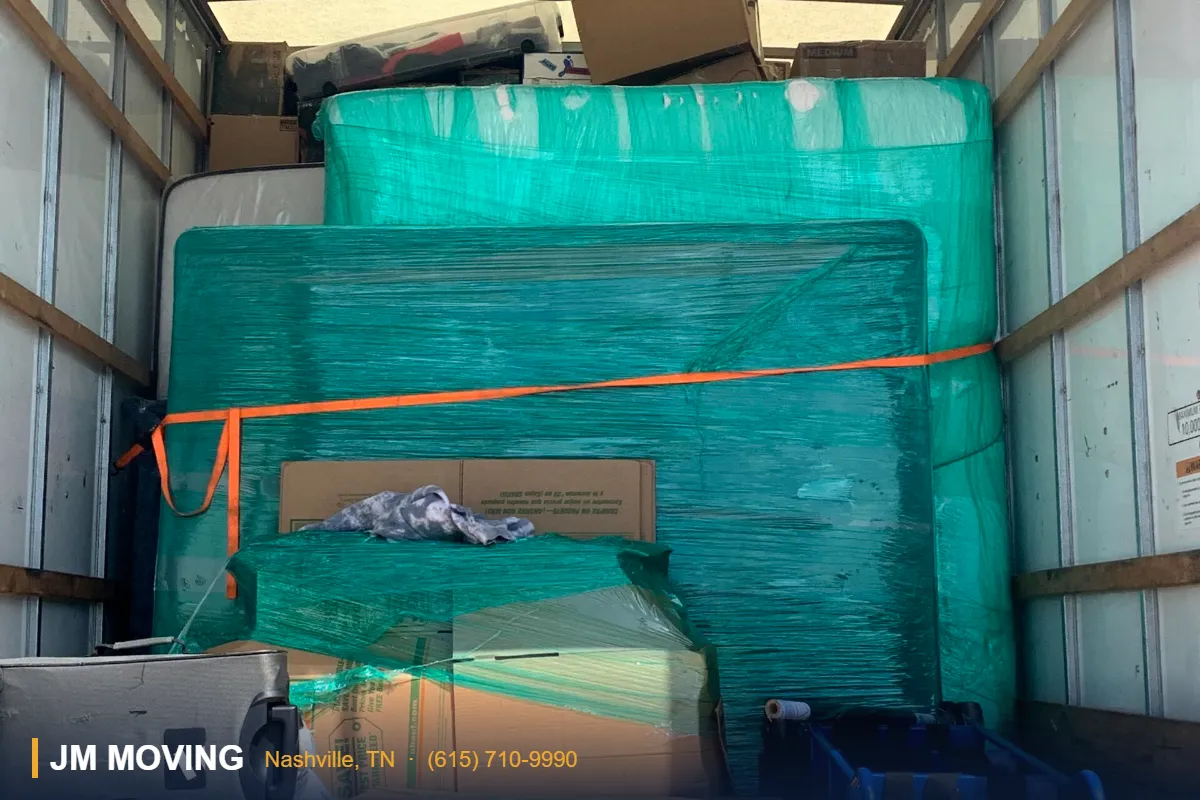
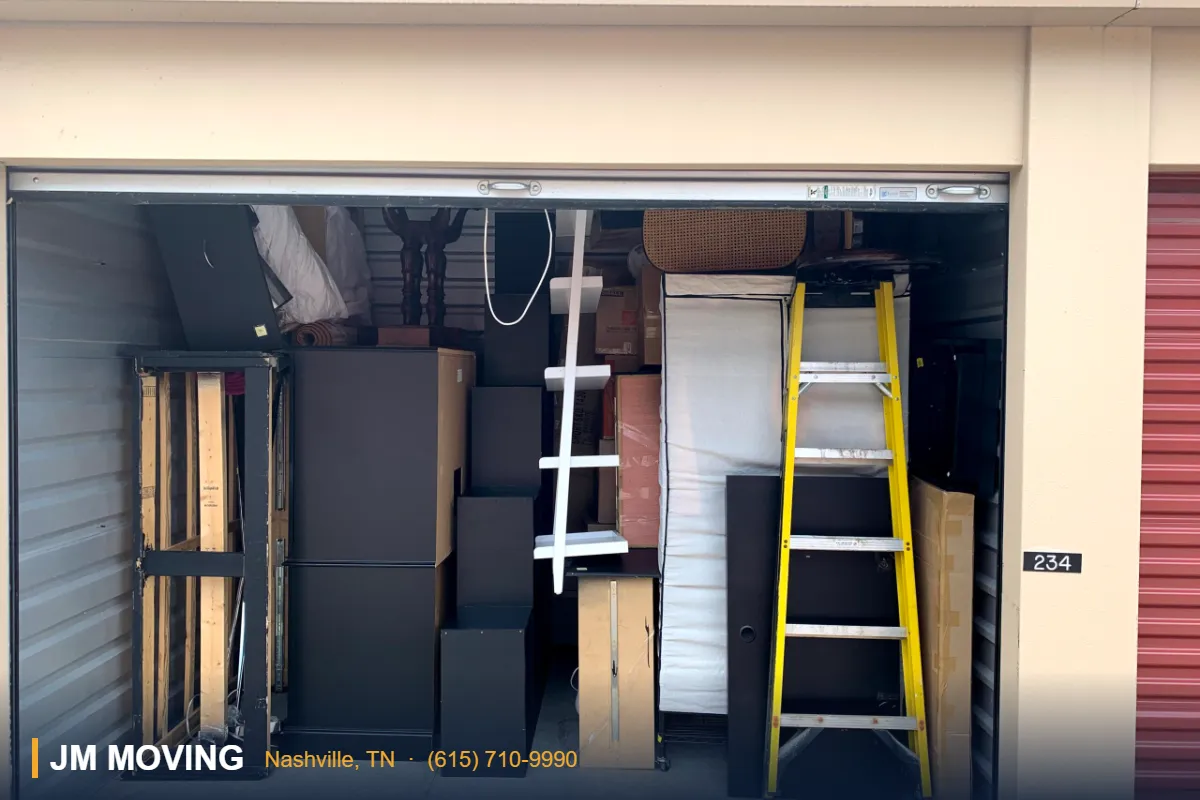
A licensed, insured moving crew can work dramatically faster when paths are clear, boxes are sealed, and appliances are disconnected before they ever step through the door. Whether you’re moving across Nashville, relocating from Brentwood to Murfreesboro, or shipping everything to Miami or Boston, the prep work you do at home is what separates a smooth move from a stressful one.
This guide walks through how to prepare for movers room by room, in the right order, so your move runs on schedule and nothing gets left behind, damaged, or forgotten. Keep our Nashville moving day checklist open while you prepare.
What to wrap up the night before movers arrive
Most moving-day chaos starts the night before, when people underestimate how much is left to do. Set aside dedicated time the evening before to run through this moving day checklist, and you’ll wake up ahead of the game.
Finish packing and build your essentials bag
Every box should be sealed, taped, and off the floor before you go to bed. The only items left out should be the things you genuinely need overnight: medications, a phone charger, toiletries, a change of clothes, and any documents you’re keeping with you. Pack all of that into a clearly labeled bag or backpack, and set it aside somewhere it will not accidentally go on the truck.
Your essentials bag should also hold your wallet, keys, snacks, and basic tools like a box cutter and screwdriver. These items need to travel in your personal vehicle, not with the crew. You’ll want access to them the moment you arrive at the new place, before a single box is unloaded.
Confirm logistics with your moving company
A quick call or text the night before substantially reduces the most common morning scrambles. Confirm the arrival window, the crew size, parking access at both addresses, elevator or loading dock reservations if your building requires them, and the payment method you’ve agreed on. Access problems at a loading zone are one of the top causes of preventable delays, and a brief conversation the night before often prevents avoidable access issues entirely.
If you’re booked with JM Moving, Flat Rate King, confirming the night before is still worth doing, especially if your destination address has any quirks: a gated entry, a tight driveway, or a specific move-in window set by an HOA or property manager. Many companies will have your details on file, but a quick check ensures nothing has changed.
How to Prepare for Movers: Clearing and Protecting Your Home
Your moving crew needs unobstructed routes from every room to the front door. The more clearly you’ve marked and cleared that path, the faster and safer the loading goes. Good Nashville moving preparation starts before the crew walks through the door.
Create clear pathways through every room
Think of it as the “moving lane”: a wide, clear corridor through each room, down the hallway, and out the front door. Furniture that isn’t being moved should be pushed against the wall. Hallway rugs should be rolled up the night before. They’re a genuine tripping hazard when movers are carrying heavy furniture in both hands. If there’s a tight turn between a bedroom and the hallway, let the crew leader know in advance so they can plan for it.
Protect floors, walls, and doorways before the crew arrives
A professional moving crew brings moving blankets to protect your furniture during transit. Floor and wall protection at your home is your responsibility, and handling it beforehand prevents most of the minor damage complaints that come up after moves. Use Ram Board or Masonite panels on hardwood floors in high-traffic paths, and carpet protection film on carpeted areas. Foam padding or corner guards on doorframes make a real difference when large pieces of furniture are being moved through tight openings. Old blankets draped over wood banisters and stair railings add another layer of protection on high-contact surfaces. These steps take only a short time and can prevent common surface damage and costly repairs.
The labeling and inventory system that saves hours at unloading
Good labeling doesn’t just help you find things after the move. It directly speeds up how fast the moving crew can work, because they can sort by sight instead of reading every box by hand. A solid packing and prep routine here pays off at every stage of the move.
Color-code by destination room, not origin room
The fastest system is one color of tape or label per destination room, with a matching color-coded sign posted on each door at the new home. A mover sorting boxes by color at a glance moves significantly faster than one reading handwritten labels. The critical detail here: label where the box is going, not where it came from. “Master Bedroom” at the new house is what matters, not “old master bedroom.”
Add a box number and brief contents summary
Layer in a numbering system within each room, like “Kitchen #4,” and keep a simple master list noting the key contents of each box. Write the destination room name in large letters on at least two sides of every box so it stays readable when stacked. Use priority flags like “FRAGILE,” “OPEN FIRST,” or “THIS SIDE UP” only when genuinely needed. Using those flags sparingly helps them remain meaningful to crews and keeps your highest-priority boxes getting the attention they deserve.
| Goal | Best labeling element |
|---|---|
| Fastest sorting for movers | Color-coding by destination room |
| Most reliable inventory | Box numbers + master list |
| Best unloading accuracy | Large room name on two sides + door signs at new home |
How to Prepare for Movers: Appliance Prep, Room by Room
Appliance prep is one of the most overlooked steps in Nashville moving preparation, and it’s the most likely to delay your move or damage an appliance if skipped or rushed. Handle these at least 24 hours before the moving crew arrives.
Kitchen and refrigerator: the 24-hour rule
A refrigerator needs to be unplugged at least 24 hours before the move, and 48 hours is safer if there’s heavy ice buildup. Empty it completely, remove all shelves and drawers (wrap them separately in packing paper), wipe the interior dry, and disconnect the ice maker water line. Most professional movers will not transport a refrigerator that still has water in the lines or significant ice in the freezer, because a leaking appliance can cause serious damage to other items during transit.
Washer, dryer, and other connected appliances
A washing machine drum must be secured with shipping bolts before transport. Without them, the drum shifts during loading and unloading and can cause internal damage that voids your warranty. Run an empty spin cycle to drain the drum, then disconnect and drain the hoses completely. Electric dryers simply need to be unplugged. Gas dryers require a licensed technician to disconnect and cap the gas line before moving day, no exceptions. Tape or tie all appliance doors shut and secure all cords so nothing swings open during loading.
A plan for kids, pets, and personal valuables
This part of the prep often gets skipped, but it directly affects how safely and quickly the crew can work. A moving crew carrying a heavy sofa through a hallway cannot safely navigate around a running toddler or an anxious dog.
Why kids and pets need to be off-site or contained
Arrange for kids to spend moving day with a neighbor, family member, or at an activity. If a pet can’t leave the home, keep them in one room with a clear sign on the door so the crew knows not to open it. This is one of the simplest things a homeowner can do to genuinely help a moving crew work faster, and it’s also a basic safety measure for everyone involved.
Items that should travel in your personal vehicle, not the truck
Pack a separate bag for anything irreplaceable or time-sensitive and put it in your car before the crew arrives. This includes:
- Passports, birth certificates, Social Security cards, and legal documents
- Jewelry, cash, and family heirlooms
- Daily medications and prescriptions
- Laptops, external hard drives, and phone chargers
- Photo albums and sentimental one-of-a-kind items
Moving insurance policies vary in coverage limits and exclusions and may not fully cover irreplaceable sentimental items. Keep these out of the moving truck entirely.
How to brief the moving crew when they arrive
You’ve done the prep work. Now the job is handing it off clearly so the crew can execute without guesswork or interruptions.
Walk the crew through the home before anything is touched
Before the first box is lifted, take five minutes to walk the crew leader through the home. Show them what is moving and what is staying. Point out fragile items, anything needing disassembly, and access challenges like a tight stairwell, low ceiling clearance, or a doorway that barely fits a queen-size frame. Many Nashville movers perform this walkthrough as part of their standard process; confirm this with your Nashville movers when you book. A homeowner who is ready with this information makes the job run more efficiently from the first minute.
Confirm payment, inventory, and final walkthrough before the crew leaves
Review the inventory list before loading begins and again at delivery. Confirm the payment method and final amount before the truck pulls away. Walk every room of the old home with the crew leader at the end to check closets, cabinets, and under beds. Do the same at the destination to make sure every box landed in the right room. This ten-minute step prevents the most common post-move complaints and gives you peace of mind before you close the door on the old place for good.
Frequently asked questions about how to prepare for movers
Do I need to empty dresser drawers before the movers arrive?
For local moves, lightweight clothing in dresser drawers is usually fine to leave in place, especially if the dresser is not an antique. For long-distance moves or heavier items, empty the drawers and pack the contents in boxes. A full dresser is significantly heavier and harder to maneuver safely, so when in doubt, ask your moving company at booking.
What happens if my boxes aren’t fully packed when movers arrive?
With hourly pricing, unpacked items cost you time because the crew has to wait or pack on the spot at a slower pace. With flat-rate pricing, it can affect the timeline and may require a scope-of-work adjustment depending on what’s agreed in your estimate. Either way, unpacked boxes are the most common cause of moving day overruns. Have everything sealed before the crew shows up.
Can movers transport hazardous items like cleaning chemicals or propane tanks?
No. Professional movers cannot legally transport flammables, aerosols, propane tanks, bleach, pool chemicals, ammunition, or other hazardous materials. Dispose of these items before moving day or transport them yourself in a properly ventilated vehicle according to local regulations. Your moving company can give you a full restricted-items list at booking.
How early should I start preparing before moving day?
Start non-essential room packing two to three weeks out. Tackle appliance prep and the refrigerator 24 to 48 hours before. Complete all labeling and essentials bag packing the night before. Confirm logistics with your Nashville movers the evening prior. Leave nothing except the essentials bag for the morning of the move.
Prepare for Movers Nashville: Access, Timing and Cost
The room-by-room steps above cover what happens inside the house. This section covers the week around it: the access, building and scheduling details that decide whether a crew can start on time. Good Nashville moving preparation is mostly about removing surprises, and most surprises come from outside the front door.
A 7-Day Countdown to Prepare for Movers Nashville Crews Can Load Fast
- Day 7: Confirm your date, arrival window and written estimate. Tell the mover about stairs, elevators, long walks from the curb and very heavy pieces such as a piano or safe.
- Day 6: Ask your HOA, apartment office or condo manager about move hours, elevator reservations, certificates of insurance and where a truck may park.
- Day 5: Pack rooms you rarely use: guest rooms, storage closets, the garage and the attic.
- Day 4: Schedule utility shutoff at the old address and start-up at the new one, and file your change of address.
- Day 3: Book a technician for any gas appliance disconnection and set aside the essentials bag.
- Day 2: Defrost the refrigerator, drain the washer, and take mirrors, art and wall-mounted TVs down.
- Day 1: Seal the last boxes, clear the moving lane and hold a parking spot for the truck close to the door.
Access Notes for West and South Nashville Neighborhoods
Access varies a lot across the areas we serve. Older streets in Sylvan Park and West End often mean on-street parking and a longer carry, so tell your Nashville movers how far the truck will sit from the door. Homes in Belle Meade, Forest Hills and Oak Hill can have long driveways, gates or low tree limbs that affect where a 26-foot box truck can stop. In Brentwood, Franklin and Nolensville, many subdivisions set HOA rules on truck parking and move times. Downtown and Midtown buildings usually need a reserved freight elevator and a certificate of insurance.
What Your Preparation Changes on Move Day
| Preparation detail | Why it matters |
|---|---|
| Boxes sealed and labeled | The crew loads instead of waiting or packing on the spot |
| Parking held close to the door | Shorter carries mean a faster load and unload |
| Elevator or dock reserved | No waiting on other residents and no rescheduling |
| Appliances disconnected | Nothing has to be drained or unhooked while the crew stands by |
| Accurate inventory | Your written estimate reflects the real job |
Every move is priced on its own details. The final number depends on inventory, access and date, so the best step is a written estimate. You can request a free moving quote and describe your stairs, parking and heavy items up front.
Questions to Ask Nashville Movers Before Move Day
- Will the crew be your own employees, and how many people are coming?
- Is the price flat-rate and in writing, and what would change it?
- Which items will you not carry, and what should ride in my car?
- Will the crew take apart and reassemble beds and tables?
- Can you provide a certificate of insurance for my building?
- What happens if my closing or lease date moves?
For moves that cross state lines, the federal Protect Your Move guide explains your rights and is worth reading before you book.
Share One Moving Checklist Nashville Family Members Can Follow
Knowing how to prepare for movers is easier when everyone in the house works from the same list. Print one moving day checklist Nashville family members can all see and tape it to the fridge or front door. Give each task an owner: one adult handles pets and kids, one handles the crew walkthrough, and one handles keys and paperwork. A shared list stops three people from assuming someone else unplugged the fridge.
Most local movers Nashville residents book work in arrival windows rather than exact times, because traffic on I-40, I-440 and West End Avenue shifts by the hour. Keep your phone on and the driveway clear through the whole window. Our local moving services and packing services can take on as much or as little of this list as you need.
More Nashville Moving Preparation Questions
How far ahead should I book Nashville movers?
Two to three weeks is comfortable for most dates. Book earlier for the last days of the month and for summer, when crews and elevator slots fill first.
Do I need to be home while the crew works?
Yes, or have a trusted adult there who can answer questions, point out what stays, and do the final walkthrough at both addresses.
Can JM Moving handle a last-minute or after-hours move?
Yes. JM Moving is available 24 hours a day, 7 days a week, including after-hours and emergency moves. Call (615) 710-9990 to check availability.
A prepared home makes every move better
When you know how to prepare for movers, labeled boxes, clear paths, disconnected appliances, and a solid crew walkthrough, moving day runs the way it should. Flat-rate moves offer cost predictability; hourly moves bill for time. Proper preparation helps keep schedules and budgets on track for both. The stress that normally comes with moving day simply doesn’t have to show up.
If you’re relocating in Nashville, across Middle Tennessee, or along one of our long-distance routes to Florida, Georgia, or Massachusetts, JM Moving, Flat Rate King is available seven days a week with transparent flat-rate pricing, no hidden fees, and a licensed, insured crew ready to work with a home that’s prepared. Call us at (615) 710-9990 or reach out to request your free flat-rate quote. When your home is ready, we’re ready to move.
Once you’re prepared, book our Nashville local movers, ask our flat-rate moving team for a written price, or schedule our apartment movers in Nashville TN for a smaller move.