

Planning a corporate relocation in Tennessee requires meticulous attention to operational detail, especially when managing oversized, specialized conference furniture. When coordinating a commercial transfer through JM Moving, understanding the exact specifications of your corporate assets supports a clearer relocation plan. Among the most complex assets in any executive suite are conference and boardroom tables. These aren’t standard desks; they are substantial investments featuring integrated power modules, data ports, cabling channels, and custom millwork. Managing Nashville Moving: Meeting Room Table Records properly requires systematic documentation of table models, physical dimensions, manufacturer guidelines, removable hardware inventories, and floor plan alignments.
Every commercial transition managed by JM Moving requires a disciplined approach to asset verification. Because boardroom tables serve as the centerpiece of executive collaboration, their relocation demands careful planning from inception to final placement. Whether your organization is upgrading spaces or relocating within the metropolitan area, maintaining a detailed archive of your table records eliminates guesswork. This comprehensive guide outlines the critical steps, professional protocols, and record-keeping strategies necessary to document, prepare, and successfully relocate your meeting room tables.

The Importance of Comprehensive Table Documentation
Before any physical lifting or truck loading begins, establishing a centralized record for each meeting room table is paramount. In modern commercial offices, boardroom tables are rarely simple wooden slabs resting on four legs. They are frequently modular, engineered with sophisticated veneer surfaces, integrated cable management troughs, built-in AV connectivity boxes, and heavy steel support frames. Without a precise record of these features, teams risk misjudging weight distributions, damaging proprietary wiring, or encountering assembly hurdles at the destination suite.
Start by identifying the furniture manufacturer and exact model, when available. Locate the matching product instructions and record any missing information. A photograph of an assembly does not establish its intended disassembly sequence or safe lifting points. Give the responsible preparation contact the model details, visible condition notes, and access questions before deciding which work is needed.
Record the actual assembled dimensions and, when verified, the dimensions of components expected to travel separately. Obtain weight information from a reliable product source rather than guessing from appearance. Review those facts alongside doors, turns, stairs, and elevators at both properties. Dimensions help the moving contact assess the route; they do not guarantee that a piece can be turned through every opening.
10 Meeting Room Table Handoff Checks
- Inventory Serial Numbers: Record all manufacturer serial numbers, model names, and finish codes in your master moving spreadsheet before packing begins.
- Measure Clearance Paths: Record the width and height of relevant elevators, stairwells and doorways so the moving contact can review the actual access route.
- Catalog Integrated Power: Document all built-in AV units, power modules, and data ports. Review related guidance like Nashville Moving Home Office Cable Labels for organized wiring management.
- Partner with Manufacturers: Consult original manufacturer instructions for proprietary fastener locations, specialized lifting points, and recommended handling tools.
- Bag Removable Hardware: Ask the person performing authorized preparation to count removed hardware and place it in a suitable labeled container linked to the table code. Avoid adhesive directly on finished surfaces and do not leave loose metal against the tabletop.
- Number Seating Layouts: Coordinate seating placement and check supportive chair mechanisms using a Nashville Moving Office Chair Parts Checklist before loading.
- Capture Access Photos: Take high-resolution photos of table surfaces, seams, and legs from multiple angles to document pre-move condition.
- Map Destination Floor Plans: Provide movers with a precise destination floor plan indicating exact orientation, power drop locations, and center alignment.
- Clarify Agreed Crew Scope: Confirm exactly which tasks fall under the moving crew’s scope versus specialized technical or carpentry contractors.
- Direct Local Communication: Maintain direct contact with JM Moving at 615-710-9990 to coordinate timeline adjustments and arrival details.
Understanding Table Models and Construction Specifications
When reviewing Nashville Moving: Meeting Room Table Records, distinguishing between various table models is essential for effective handling. Commercial boardroom tables generally fall into three structural categories: monolithic solid-surface tables, modular sectional tables, and freestanding modular training tables. Each type presents distinct logistical considerations during transport and setup.
Monolithic tables consist of a single, massive piece of wood, glass, or stone. These models offer exceptional stability and visual elegance but are notoriously difficult to maneuver through standard building infrastructure. Their records must note whether specialized hoisting equipment or window removal was required during initial installation, alerting our team to potential site challenges. Conversely, modular sectional tables are engineered to bolt together at central seams. For these models, table records should detail the precise sequence of sections, alignment dowels, and under-table locking mechanisms.
Describe the actual finish and any fragile inserts in the record. Veneer, polished coatings, glass, and stone may need different support or protection. Ask the responsible packer or qualified specialist to review the item before choosing a method. Do not assume that an inventory description alone confirms the appropriate materials or a specialist handling service.
The Role of Manufacturer Instructions and Technical Preparation
Confirm preparation responsibilities before moving day. Integrated equipment, proprietary structural parts, or unusual materials may need the owner, manufacturer, or an appropriate qualified specialist to review the item. Ask JM Moving which physical tasks are included in the actual agreed scope. Do not infer a company-wide disassembly policy or technical capability from this general checklist.
Clarify the agreed crew scope before moving day. Ask the owner, manufacturer or appropriate technical contact to arrange any equipment preparation and confirm when the table is ready. The moving coordinator needs the component list, access information and destination plan; this inventory does not provide electrical, network or disassembly instructions.
Use instructions for the actual model. For example, the Herman Miller product instruction search provides assembly documentation for its products. If your table is made by another company, obtain that maker’s guidance. Missing or uncertain instructions should remain an open preparation question. Do not improvise a support position or packing method simply because it worked for another table.
Inventory Management for Removable Components and Hardware
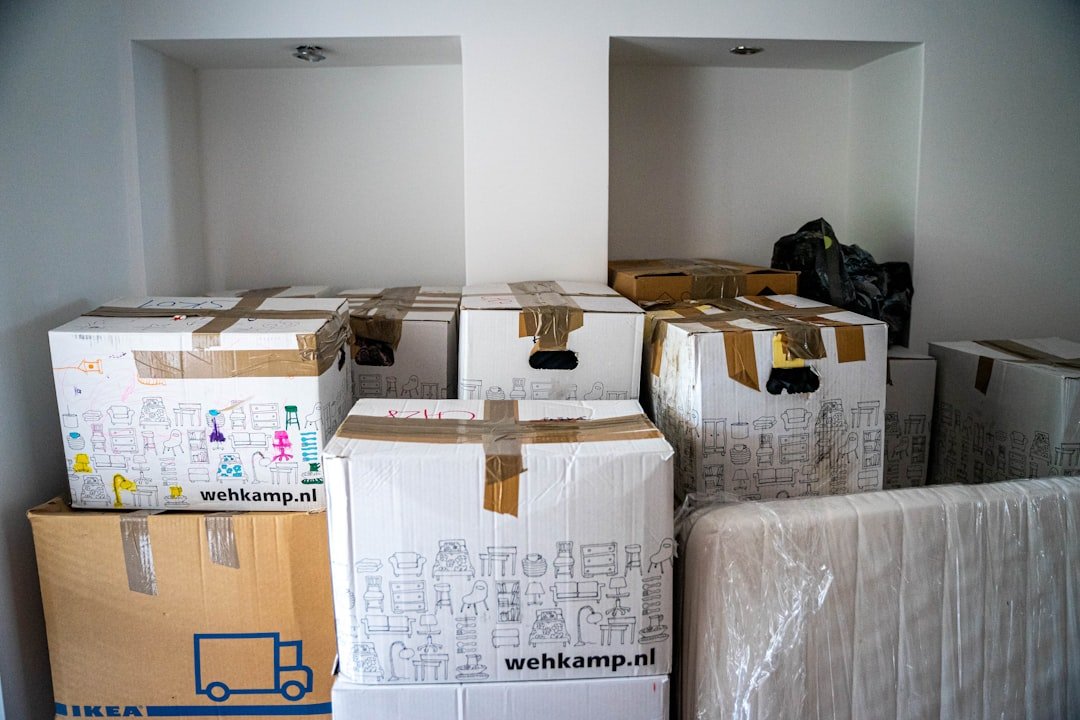
One of the most frequent challenges during a corporate office move is the misplacement of small, critical hardware items. When a large conference table is partially disassembled for transport, dozens of specialized bolts, washers, threaded inserts, brackets, and leveling feet must be removed. If these items are lost, reassembly stalls, delaying the readiness of your executive meeting spaces.
Create a separate hardware record as authorized preparation occurs. Count the removed parts, identify the component they belong to, and place them in a suitable labeled container. Link that container to the main table code and record who will carry and receive it. Avoid taping hardware bags directly to finished surfaces. Keep different tables’ parts separate, and mark any unidentified or missing part for review rather than substituting a similar-looking fastener.
List removable panels, cable-management parts, and decorative trim separately when they are included in the approved preparation. Record each component’s code and destination, and retain the model-specific instructions with the responsible person. Confirm who will handle reassembly and technical setup. Delivery of the components does not mean that reassembly or system testing is included in the moving scope.
Coordinating Numbered Seating and Floor Plans
A meeting room table is only half of the equation; executive seating and spatial layout complete the environment. Coordinating numbered meeting room seating alongside your table records ensures that executive chairs return to their designated positions around the conference table. In boardrooms where ergonomic adjustments, executive designations, or specific chair models are assigned to particular leadership roles, maintaining a seating chart is essential.
Before packing begins, assign a clear alphanumeric code to each chair and match it to a corresponding zone on the table diagram. For example, Chair A1 corresponds to the head of the primary boardroom table, while side chairs are numbered sequentially down the left and right flanks. This level of detail integrates seamlessly with our commercial relocation services, allowing our team to recreate your exact boardroom layout at the new facility.
Prepare a destination plan showing the intended table orientation and relevant room features. Have the facilities or appropriate technical contact review power and equipment arrangements. Identify an approved temporary placement if the final space will not be ready. A floor plan supports communication but cannot promise first-attempt placement or remove the need to assess actual room conditions.
Separate the three handoff milestones
Track preparation, delivery, and room readiness independently. Preparation means that the responsible person has completed the agreed steps and identified the components that will travel. Delivery means that those packages and furniture pieces have arrived at the agreed location. Room readiness may still depend on reassembly, equipment setup, inspection, and the facilities team’s approval.
For example, table MT-01 might have two surface sections, two bases, and one labeled hardware container. The receiving contact can reconcile those five groups without claiming that the table is assembled or its integrated equipment is working. If the hardware container is missing, record that exception and its responsible contact. Do not mark the entire record complete merely because the large surface sections are visible.
Connect the table record with the room inventory checklist and the packing scope checklist. Keep private access information outside public labels. At the final review, confirm that the current component list, preparation status, and destination plan all describe the same arrangement, especially if a facilities decision changed after the original estimate.
Substantive Frequently Asked Questions
1. What information should be included in meeting room table records?
Meeting room table records should include the manufacturer name, exact model number, physical dimensions, weight, finish type, integrated power module specifications, hardware inventory lists, and pre-move condition photographs.
2. Are moving crews responsible for disconnecting integrated conference table electronics?
No. To maintain safety standards and protect delicate technology, owners, manufacturers, or qualified technicians must handle the electrical disconnection and technical preparation of integrated AV and data systems before our moving crew arrives.
3. How should removable table hardware be managed during transit?
Have the responsible preparer count and label removed hardware in suitable containers, linked to the table and component codes. Keep those packages separate from finished surfaces and record who receives them. Do not use tape directly on a finish or mix unidentified fasteners from different tables.
4. Can JM Moving handle oversized monolithic conference tables?
Provide the actual table model, dimensions, verified weight information, materials, and access photos to JM Moving for review. Ask whether the proposed work can be included and whether a specialist assessment is needed. This article cannot confirm that a particular oversized table or route can be handled.
5. Why is a destination floor plan necessary for conference table moves?
It shows the intended orientation and placement and helps the receiving team coordinate furniture with the room. Confirm relevant facilities and technical arrangements separately. If the final position is unavailable, name an approved temporary location rather than leaving the decision unclear.
6. How do I coordinate seating with table records?
Assigning alphanumeric codes to executive chairs and linking them to specific positions on your table layout chart ensures that seating is re-established correctly in the new boardroom.
7. What should be done if original manufacturer instructions are missing?
Contact the furniture manufacturer or dealer to request digital installation manuals and torque guidelines before attempting any structural breakdown or reassembly.
8. How do I contact JM Moving for Nashville office relocation support?
You can reach JM Moving team directly at 615-710-9990 to discuss your commercial moving needs, schedule a consultation, or review logistics.
9. What precautions protect high-gloss table finishes during a move?
Discuss the exact finish and protection method with the person responsible for packing. Use materials and supports suitable for the furniture, avoiding pressure points and adhesive on finished surfaces. Record existing wear and any special manufacturer guidance. No material selection guarantees that damage cannot occur.
10. How does detailed record-keeping reduce commercial moving delays?
Records make missing instructions, unclear preparation responsibilities, and component discrepancies easier to identify before loading. Keep the information current and assign unresolved questions to a responsible person. This supports an organized handoff without promising a fixed duration or immediate room readiness.

Ready to Coordinate Your Nashville Office Relocation?
Contact our experienced local office team today to discuss your commercial moving logistics and table record requirements.
Managing Nashville Moving: Meeting Room Table Records requires a blend of administrative precision and careful physical execution. By maintaining comprehensive inventories of your table models, dimensions, hardware, and manufacturer guidelines, your organization protects its valuable corporate assets throughout the transition. Remember to clarify the agreed crew scope, rely on qualified professionals for technical preparations, and utilize detailed floor plans and seating charts to plan the steps needed before meeting spaces reopen. Reach out to our dedicated team at JM Moving by calling 615-710-9990 or exploring JM Moving to plan your next commercial relocation with confidence.
