
How to Pack for a Move: A Complete Nashville Guide
Knowing how to pack for a move the right way is one of the most time-consuming parts of any relocation. Done right, it protects your belongings and makes unpacking fast and easy. Here is the complete packing guide from JM Moving.

Before You Start Packing
- Declutter First — Before you pack a single box, go through every room and decide what you are keeping, donating, selling, or tossing.
- Gather Supplies — Boxes in various sizes, packing tape, bubble wrap, packing paper, markers, color-coded stickers, mattress bags.
- Create a Packing Timeline — 4 weeks out: pack rarely used items. 3 weeks: spare rooms. 2 weeks: non-essential kitchen. 1 week: most clothing and linens.
How to Pack for a Move: Room-by-Room Packing Guide
Kitchen
Wrap plates individually in packing paper and pack vertically (not flat). Use dish barrel boxes for maximum protection. Pack glasses with paper inside and outside. Label boxes “FRAGILE — THIS SIDE UP.” Pack your coffee maker last — you will need it moving morning!
Bedroom
Use wardrobe boxes for hanging clothes — no folding needed. Pack off-season clothing first. Use clothing as padding for fragile items. Keep a “first night” bag with pajamas, toiletries, and chargers.
Living Room
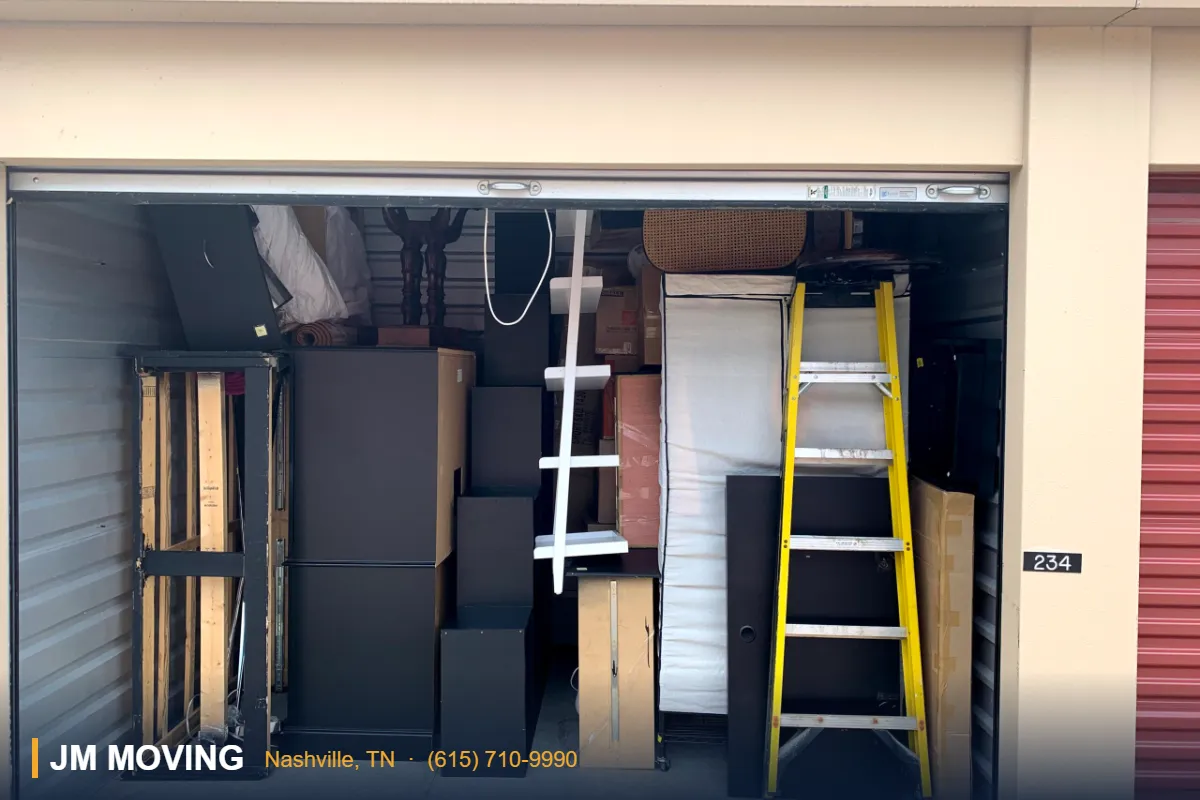
Disassemble furniture when possible. Keep all hardware in labeled Ziploc bags taped to the furniture. Wrap artwork in bubble wrap. Use towels and blankets to pad electronics.
What NOT to Pack on the Truck
Never put these on the moving truck: medications, important documents (passports, birth certificates), jewelry, laptops, cash, hazardous materials (paint, gasoline, propane), or perishable food. Keep these with you personally.
Professional Packing Services in Nashville
Do not want to pack yourself? JM Moving offers full professional packing services. Our trained packers bring all supplies and pack your entire home efficiently and safely. Packing rates: Custom quote | We bring all supplies.
Call (615) 710-9990 for a free packing quote in Nashville, TN.
How to Pack for a Move the Right Way: Why Hire JM Moving
Packing is where most moving damage and lost time actually happen, which is why so many Nashville families choose to hire it out instead of doing it alone. JM Moving’s professional packing crews use commercial-grade boxes, packing paper, and bubble wrap to protect furniture, electronics, and fragile items, and every crew member is trained in room-by-room labeling so unpacking at your new home is fast and organized. If you’re weighing a full move instead of packing-only help, our complete guide to moving services in Nashville breaks down local moving, long-distance moving, and storage options side by side.
For an independent look at what to expect from any mover — not just JM Moving — the Federal Motor Carrier Safety Administration publishes a consumer guide on choosing a licensed, insured moving company and avoiding common moving scams; you can review it at FMCSA’s Protect Your Move before booking anyone for your Nashville move. Ready to get packing off your plate? Call JM Moving at (615) 710-9990 for a free, no-obligation packing quote, or request an instant estimate online.
Packing FAQs: How to Pack for a Move Without the Stress
How long does it take to pack a house before a move?
For a typical 2-3 bedroom Nashville home, plan on 2-4 full days if you’re packing yourself, or a single day if JM Moving’s professional packers handle it for you. Starting a checklist four weeks out — like the timeline above — is the single biggest factor in whether packing feels rushed or manageable.
What packing supplies do I actually need?
Most households need small, medium, and large boxes, a dedicated dish-barrel box for kitchenware, packing paper, bubble wrap, mattress bags, and color-coded labels for each room. If you’d rather skip the supply run entirely, JM Moving brings everything needed as part of every professional packing appointment.
JM Moving highlights its 23 years moving experience when helping customers prepare for packing plans.
How to Pack for a Move: A Week-by-Week Packing Checklist
The easiest way to learn how to pack for a move is to stop treating it as one giant job and break it into weekly targets. The packing checklist below expands the packing timeline above into specific tasks, so every weekend has a clear finish line. Adjust it to your home: a one-bedroom apartment in West End may compress the plan into two weeks, while a four-bedroom house in Green Hills or Brentwood usually needs the full month.
Four Weeks Out: Set Up Your Packing System
- Walk every room, including the attic, garage, and storage closets, and write down what is moving, what is being donated, and what is being sold.
- Collect packing supplies in one trip: small, medium, and large boxes, dish barrel boxes, wardrobe boxes, tape, packing paper, bubble wrap, markers, and colored labels.
- Pick a staging area, such as a spare bedroom or one garage bay, where finished boxes will be stacked.
- Start with books, off-season clothing, holiday decorations, and hobby gear you will not touch before moving day.
- If you plan to book professional packing for part of the house, request a written quote now so the date is held.
Three Weeks Out: Spare Rooms and Storage Areas
- Pack guest rooms, the basement, and closets that hold rarely used items.
- Photograph the back of the TV, router, and home office setup before unplugging anything, so reconnecting is easy.
- Drain fuel from lawn equipment and set aside hazardous items that cannot go on the truck.
- Start a simple inventory sheet: box number, room, and a short contents list.
Two Weeks Out: Kitchen Extras, Decor, and Fragile Items
- Pack serving dishes, small appliances you rarely use, and the back half of the pantry.
- Take down artwork, mirrors, and lamps; wrap fragile items one at a time and fill the empty space in each box.
- Confirm parking and access at both homes (see the Nashville notes below).
- Use up frozen and perishable food instead of packing it.
Final Week: Clothing, Linens, and Open-First Boxes
- Pack most clothing, leaving a few outfits per person in a suitcase.
- Strip and bag beds the night before or the morning of the move.
- Pack an “open first” box for every room: toilet paper, towels, a shower curtain, basic tools, a few plates and cups, chargers, and bedding.
- Set aside the personal items that ride with you: medication, documents, jewelry, laptops, and keys.
Packing Supplies Checklist: What to Use and Where
Running out of tape or boxes halfway through is one of the most common reasons packing stalls. The table below matches each of the core packing supplies to the job it does best. Buy a little extra of the inexpensive items, like tape and paper, because a second store run usually costs more time than the leftovers cost money.
| Supply | Best used for | Packing tip |
|---|---|---|
| Small boxes | Books, canned goods, tools, records | Heavy items go in small boxes so each one stays liftable. |
| Medium boxes | Kitchen items, toys, small appliances, shoes | The workhorse size; most rooms use more of these than anything else. |
| Large boxes | Pillows, bedding, lampshades, stuffed animals | Keep them light and never fill a large box with books. |
| Dish barrel boxes | Plates, bowls, glassware | Thicker cardboard adds protection for fragile items. |
| Wardrobe boxes | Hanging clothes | Move clothes straight from the closet rod to the box bar. |
| Packing paper | Wrapping dishes, filling gaps | Unprinted paper will not transfer ink to your dishes. |
| Bubble wrap | Electronics, frames, glass, ceramics | Wrap with the bubbles facing in and tape the seam closed. |
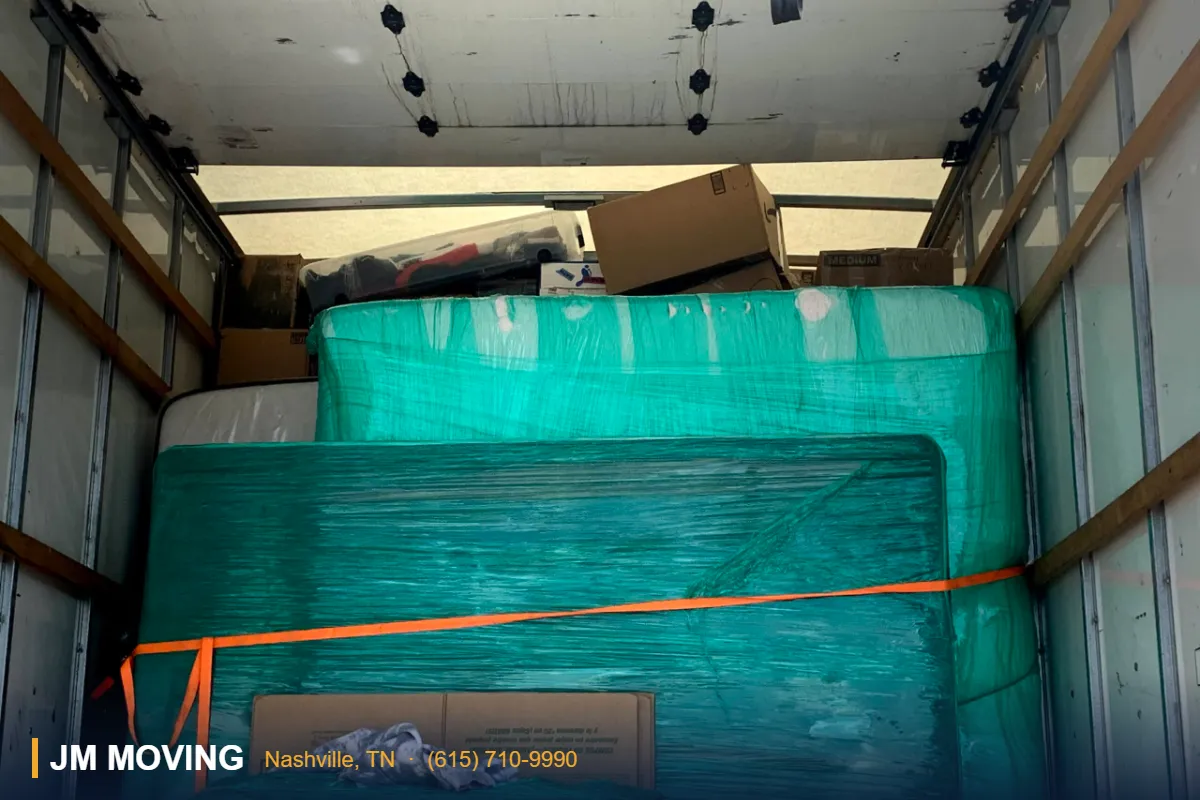
| Mattress bags and furniture pads | Mattresses, upholstered pieces, wood finishes | Bag mattresses the morning of the move to keep them clean. |
| Tape, markers, colored labels | Sealing and labeling | Tape bottom seams twice and label the sides, not just the top. |
A Simple Labeling System That Speeds Up Unpacking
Labels are the part of any packing checklist that pays off most at the other end. Assign each room at the new home a color, then put a matching label on each door frame at delivery so the crew can match boxes to rooms without asking. Write the room, a short contents list, and a box number on two sides of every box, because stacked boxes hide their tops.
- Choose one color per destination room, for example blue for the primary bedroom and green for the kitchen.
- Number every box and log it on your inventory sheet with its room and contents.
- Mark boxes of fragile items “FRAGILE” with arrows showing which side is up.
- Flag open-first boxes with a star so they are loaded last and unloaded first.
- Keep the inventory sheet with you, not in a box, so you can check that every number arrives.
How to Pack for a Move When Items Are Tricky
Some belongings do not fit neatly into a box. Knowing how to pack for a move includes planning for these pieces before the final week, while there is still time to buy the right materials or ask for help.
TVs and Electronics
Use the original box if you still have it. If not, wrap the screen in a moving blanket or foam, never directly in plastic wrap, and move it standing upright. Put cables in a labeled bag and tape it to the back of the device.
Lamps, Mirrors, and Framed Art
Remove bulbs and shades, and pack shades separately with soft items around them. Put an X of painter’s tape across mirror and picture glass, wrap each piece in bubble wrap, and stand frames on edge. Never lay framed art flat under other boxes.
Plants, Liquids, and Pantry Items
Seal opened bottles with tape and place them in plastic bags inside a lined box. Many movers will not carry plants or open liquids on a long trip, so ask before moving day. For a short local move, plants usually travel best in your own car.
Furniture Hardware
Every screw, bolt, and bracket goes into a labeled zip bag taped to the piece it came from. Take a quick photo of each step as you take apart a bed frame or desk; it becomes the easiest assembly guide you will ever have.
Nashville Access Notes for Your Packing Checklist
Packing is only half the job; the boxes also have to get out of one home and into the next. West and South Nashville neighborhoods vary a lot, and a few notes on your packing checklist can prevent delays on moving day.
- Belle Meade, Forest Hills, and Oak Hill: long driveways and hilly lots can mean longer carries from the truck to the door. Stage finished boxes near the exit to shorten the walk.
- West End, Midtown, and Downtown: apartment and condo buildings often require elevator reservations, loading dock times, or a certificate of insurance. Ask your building manager early and share the rules with your mover.
- Sylvan Park and West Meade: narrow streets and on-street parking make it worth asking neighbors to leave room for a large truck on moving day.
- Brentwood, Franklin, Nolensville, and Bellevue: some subdivisions have HOA rules about truck parking, move hours, or storage containers. Check with the HOA before you schedule.
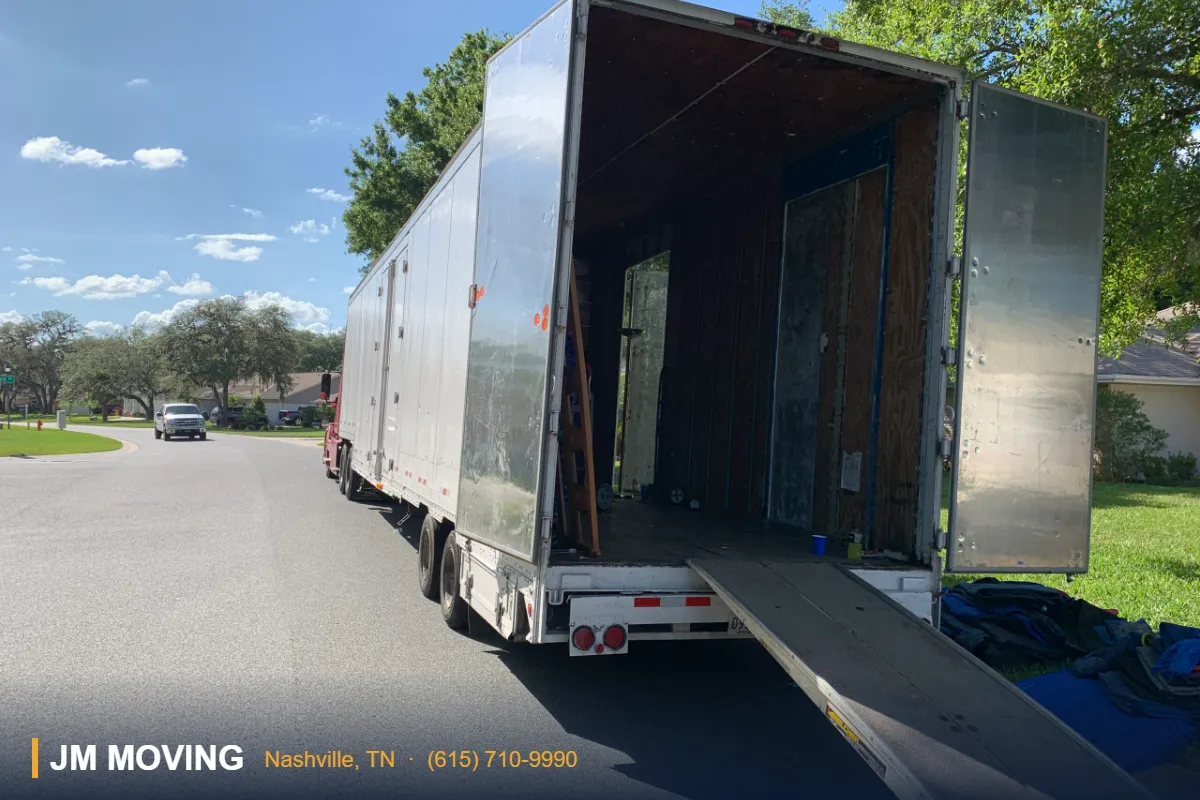
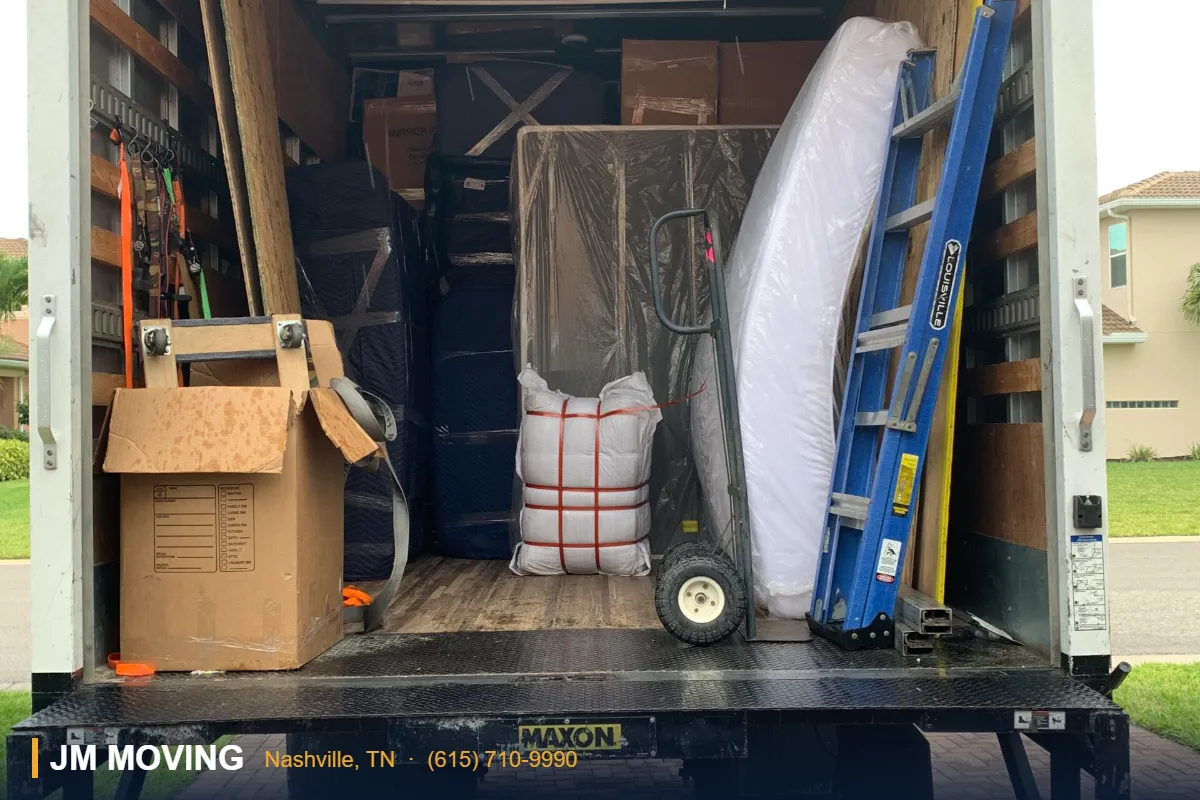
JM Moving runs a 26-foot box truck, so it helps to know in advance where it can park and whether a long carry is likely. Mention these details when you request a quote so the crew, timing, and flat-rate written price reflect the real job.
Choosing a Packing Timeline: DIY, Partial, or Professional Packing
Not every household should pack everything alone, and not every household needs full-service help. Use this table to decide which approach fits your schedule and inventory. The right answer often changes from room to room.
| Your situation | DIY packing | Partial professional packing | Full professional packing |
|---|---|---|---|
| Four or more weeks and free evenings | Good fit | Optional for the kitchen and fragile items | Usually not needed |
| One to two weeks and a full-time job | Hard to finish | Good fit for the kitchen, decor, and art | Worth considering |
| Short notice or an after-hours move | Risky | Helpful | Often the most realistic option |
| Lots of glass, art, or heirlooms | Possible with care | Good fit for those rooms | Good fit |
| Long-distance move with days in transit | Possible with extra padding | Good fit | Good fit |
Professional packing costs depend on the size of the home, the number of fragile items, access at both addresses, and whether supplies are included, so treat any figure as an estimate until you have a written quote. JM Moving is available 24 hours a day, seven days a week, including after-hours and emergency moves, which can help when your packing timeline is tighter than planned.
Common Packing Mistakes to Avoid
- Packing heavy items in large boxes, which makes them hard to lift and more likely to split.
- Leaving empty space inside boxes, so contents shift and fragile items break.
- Using mismatched grocery boxes that do not stack safely on the truck.
- Labeling only the top of each box.
- Packing documents, medication, or keys in a box that goes on the truck.
- Waiting until the last night to pack the kitchen, the room with the most small, breakable pieces.
- Forgetting to empty drawers of loose, breakable, or liquid items before furniture is carried out.
Questions to Ask Any Mover About Packing
Whether you hire JM Moving or another company, these questions help you compare quotes fairly and avoid surprises on moving day.
- Is the price a flat-rate written quote or an hourly estimate, and what could change it?
- Are boxes, tape, paper, and mattress bags included, or billed separately?
- Will the crew pack only selected rooms if I pack the rest?
- How do you pack and label fragile items and artwork?
- Can you take apart and reassemble beds, desks, and tables?
- Which items will you not pack or transport?
More How to Pack for a Move Questions
What should I pack first when moving?
Start with items you will not need before moving day: books, off-season clothes, holiday decorations, guest room items, and decor. Leaving daily-use items until the final week keeps your home livable while you work through the packing checklist.
How do I pack fragile items so they do not break?
Wrap each piece on its own in packing paper or bubble wrap, pack plates on edge, fill every gap so nothing shifts, and mark the box “FRAGILE” with arrows. Dish barrel boxes add extra protection for kitchen fragile items.
Can I pack part of my home and have movers pack the rest?
Yes. Many people pack clothing, books, and linens themselves and book professional packing for the kitchen, art, and electronics. Tell your mover which rooms you want packed when you ask for a quote so the written price reflects the work.
Related Nashville Moving Resources
Explore local moving services, review long-distance moving, or request a written estimate. Interstate customers can also use FMCSA Protect Your Move.
Final Planning Check for How to Pack for a Move
Before moving day, confirm the origin, destination, preferred date, inventory, requested services, and access conditions in writing. Include stairs, elevators, parking restrictions, loading zones, long carries, narrow entrances, and any large or fragile belongings. Clear details help JM Moving prepare the crew, equipment, and sequence for the work described.
Keep identification, medication, keys, documents, and irreplaceable personal items with you. Label boxes by destination room and priority. At delivery, direct furniture placement before rooms fill with cartons and complete a final walkthrough. If the inventory, access, or schedule changes, report it early so the written scope can be reviewed.
Request a written JM Moving quote or call (615) 710-9990 to discuss the move.
Related JM Moving guides: Laundry Appliance Readiness for a Nashville Move
