How to Pack for Moving: A Complete Beginner’s Guide
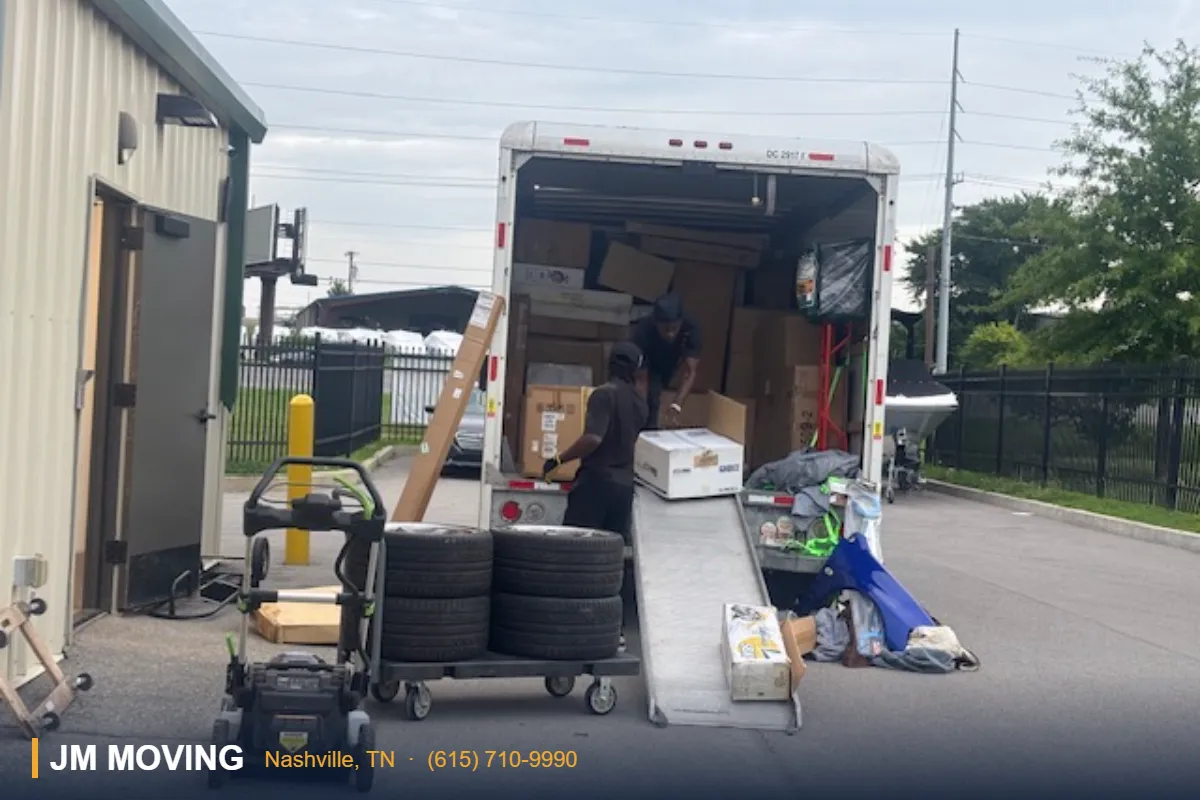
How to Pack for Moving: A Complete Beginner’s Guide gives Nashville customers a practical room-by-room system for supplies, labeling, fragile-item protection, and moving-day preparation.
You finally have a move date, and you’re already wondering how to pack for moving without the chaos. The flat boxes are propped against the wall, the tape gun is on the counter, and you’re standing in the middle of your living room trying to figure out where on earth to begin. Most people underestimate how long packing actually takes, and that gap between expectation and reality is exactly where the stress starts. Use our packing services Nashville families rely on, moving-day checklist, and local moving service guide for the next steps.
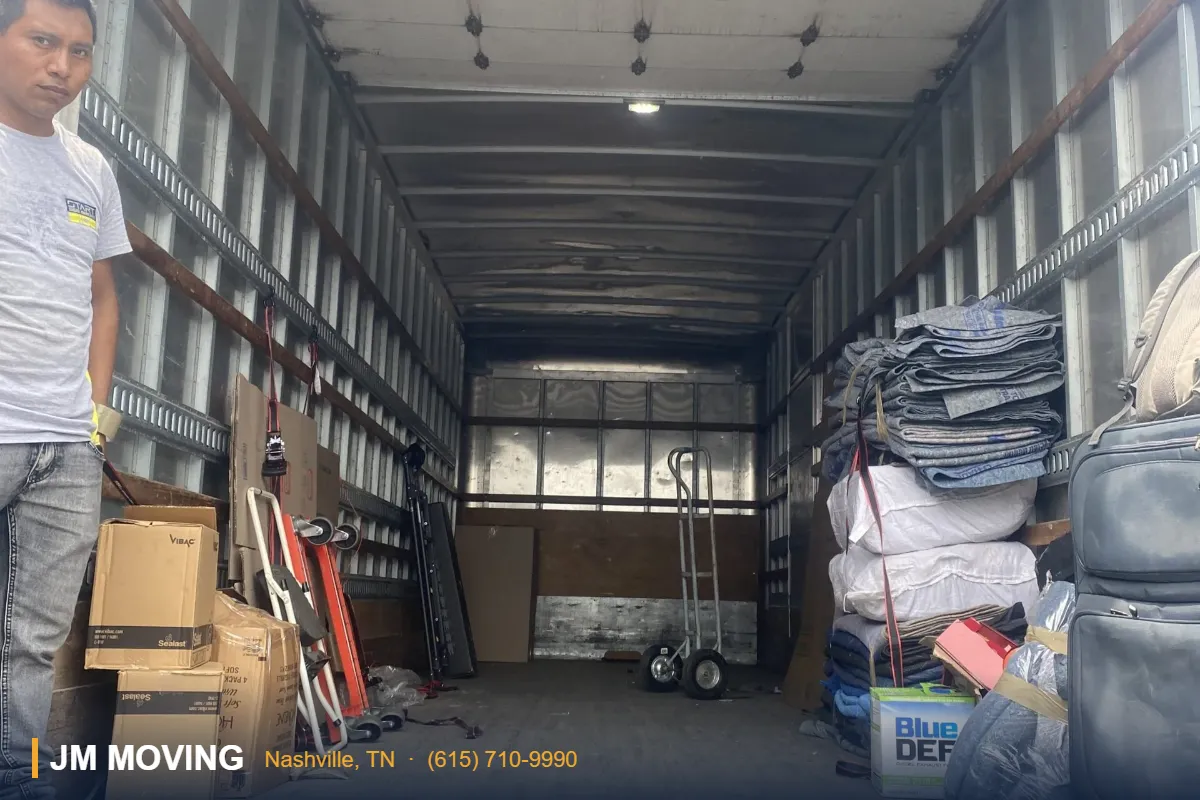
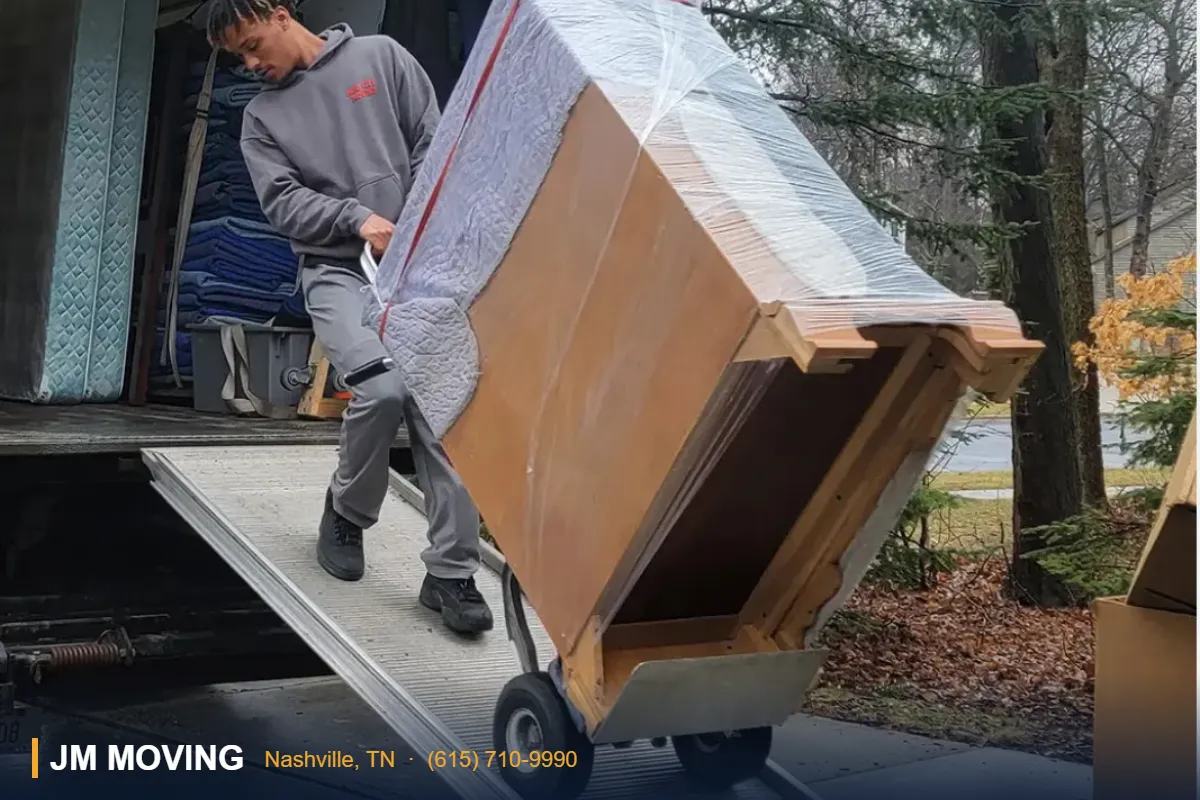
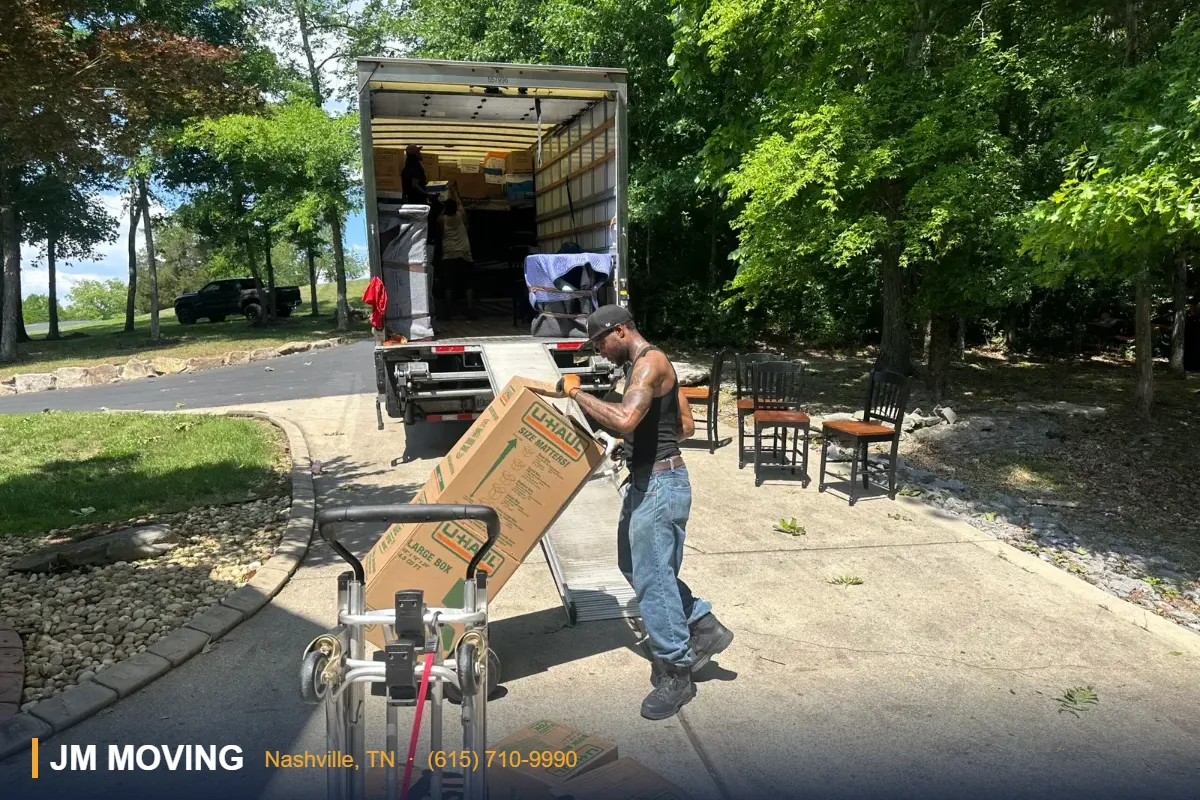
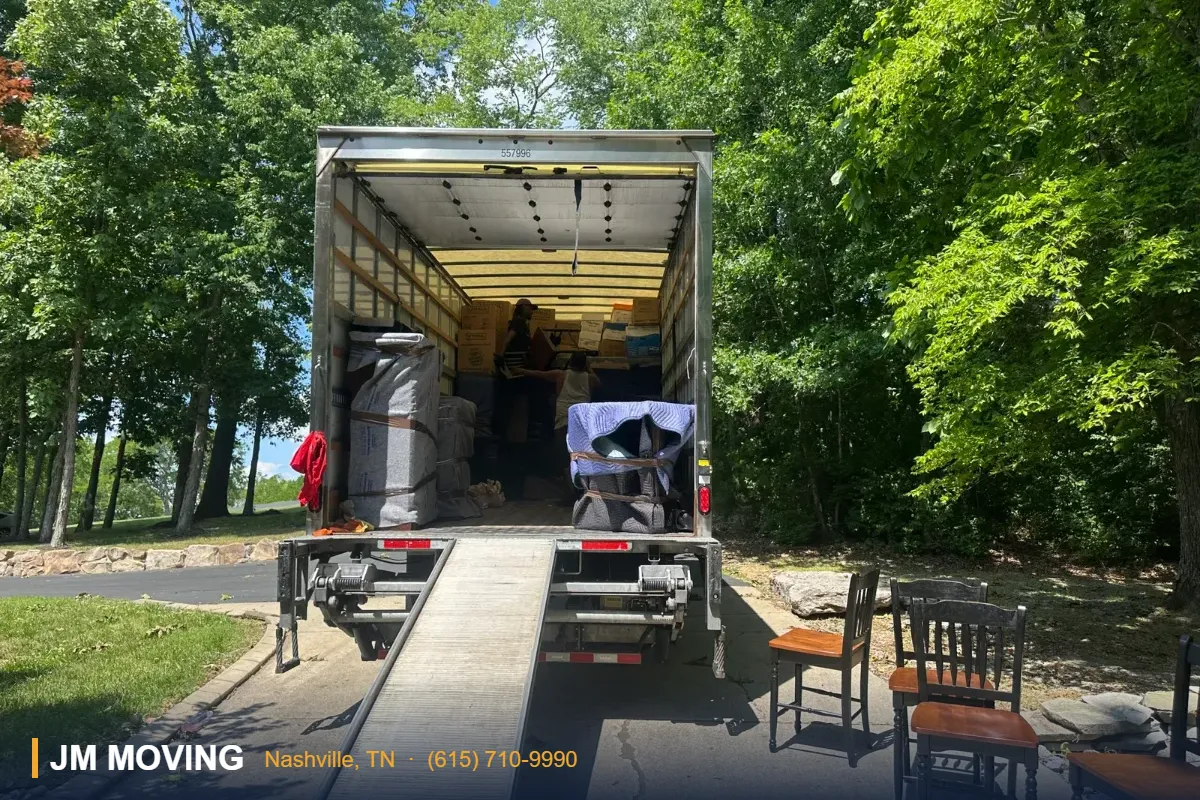
This guide gives you a real system: the right supplies, a week-by-week timeline, a logical room order, and specific techniques for keeping fragile items intact. You’ll finish with a clear plan, not just a pile of tips. And if you hit a wall somewhere in the middle, Nashville families have been handing off that stress to JM Moving’s professional packing crew for years. More on that later.

10-Step Moving Packing Checklist
- Confirm the move date and addresses.
- Declutter before buying boxes.
- Gather small, medium, large, wardrobe, and dish boxes.
- Pack storage areas and seasonal belongings first.
- Label every box by room and contents.
- Wrap fragile items individually.
- Photograph electronics before disconnecting cables.
- Keep documents, medicine, keys, and valuables with you.
- Prepare an essentials box for the first night.
- Finish kitchens and bathrooms last.
Ready to skip the packing entirely? JM Moving offers full-service packing for Nashville and Middle Tennessee households. Request a free flat-rate quote and find out what it costs for your home size.
How to Pack for Moving: The Supplies You Actually Need
Buying too few boxes is one of the top reasons packing stalls mid-move. For a studio, plan on 25 to 40 boxes total. A one-bedroom home typically needs 20 to 45 boxes. A three-bedroom home can require anywhere from 55 to 120 depending on how much you’ve accumulated over the years. Buy 10 to 15 percent more than your estimate and return the unused ones after the move.
Box size matters as much as quantity. Small boxes handle heavy items like books, dishes, and canned goods. Large boxes are for light, bulky items like pillows and bedding. Wardrobe boxes with a hanging rod are worth every penny for keeping dress shirts and suits wrinkle-free. Using a large box for books is how you end up with something you literally cannot lift off the floor.
For protective materials, packing paper handles dishes and general surface protection, bubble wrap covers stemware and electronics, and foam sheets or edge protectors guard thin platters and delicate rims. Add stretch wrap for furniture drawers and mattress bags for beds. On the tools side, a tape gun with extra rolls, permanent markers in two colors, color-coded room stickers, and zip-lock bags for screws and hardware will keep everything organized from the first box to the last.
Before you dismantle a single shelf or unplug a single cable, photograph each room. That photo is your reference when you’re standing in the new place wondering where the TV cable was plugged in.
Build Your Packing Timeline Before You Touch a Single Box
The single biggest mistake people make when figuring out how to pack for moving is waiting too long to start. Packing a three-bedroom home the weekend before your move almost always results in broken items, missing things, and a frantic last-night sprint through the kitchen. A realistic packing timeline for moving starts six to eight weeks out and works in phases.
Eight Weeks Out: Storage Areas and Decluttering
Eight weeks before moving day, tackle storage areas first: the attic, garage, shed, basement, and seasonal bins. These spaces hold items you won’t miss during the final weeks of living in the home. This phase also doubles as your best opportunity to declutter. If you haven’t touched something in a year, donate or sell it before it costs you space on the truck and a box in the new place.
Four Weeks Out: Main Living Areas
Four weeks out, move through the main living areas. Pack non-essentials from the living room, bedrooms, and dining room: décor, wall art, extra linens, books, specialty kitchen gadgets, and off-season clothing. Label every box before you seal it. Write the destination room and a one-line content summary on at least two sides, never just the top.
Two Weeks Out Through Moving Day
Two weeks out, pack remaining kitchenware while keeping only daily-use items accessible. Clear out closets and bathroom extras.
One week out, assemble your moving day essentials box, finish the kitchen and bathrooms, and set aside cleaning supplies for the final walkthrough. Nothing important should still be buried in a sealed box at this point.
How to Pack for Moving, Room-by-Room Order
Packing without a sequence is how you end up re-opening boxes you thought were finished. The right order moves from least essential to most essential, keeping your daily routine intact as long as possible.
Start With Low-Priority Spaces
Start with the loft, garage, and basement. These areas hold the lowest-urgency items, and clearing them first gives you visual momentum without disrupting anything you actually need. Guest rooms and home offices follow: extra bedding, office equipment, books, and décor are all non-essential during the final weeks before moving day.
Middle Phase: Bedrooms and Living Areas
Bedrooms come next. Pack off-season clothes, extra shoes, wall décor, and extra blankets first, leaving your everyday wardrobe and bedding for the final 48 hours. In the living room, board games, extra books, lamps, wall art, and non-mounted electronics pack easily at this stage. Beyond the photos you already took, label every cord with a piece of tape before unplugging anything. Dining room china, serving pieces, and table linens should be double-wrapped and placed into sturdy dish boxes with dividers.
Last Phase: Kitchen and Bathrooms
The kitchen and bathrooms pack last because they’re the hardest and the most disruptive to daily life. In the kitchen, tackle specialty appliances and bakeware first, then everyday dishes and pots, and leave the coffee maker and toaster until the final 24 hours. Bathrooms follow the same logic: spare toiletries and medicine cabinet contents first, daily-use items in the final day or two. Keep one clearly labeled bin set aside as “do not pack” for everything that must travel with you in the car on moving day.
How to Pack Fragile Items So Nothing Arrives Broken
Dishes and glassware need individual attention. Wrap each dish separately in packing paper, and for extra-fragile pieces, follow with a layer of bubble wrap. Never skip wrapping to save time. A broken plate you loved is worth far more than the five minutes you saved.
Pack plates on their edges, upright like records in a crate, not flat. This distributes pressure along the strongest part of the plate and significantly reduces breakage compared to flat stacking. Use a dish box with dividers when possible. Add a thick layer of crumpled packing paper on the bottom and top of every dish box, then gently shake the sealed box before labeling it. If you hear anything shifting inside, open it and add more padding.
For electronics, original manufacturer boxes are the best option because the molded inserts are designed specifically for that item’s weight and shape. If you’ve tossed the original packaging, most of us have, wrap screens with a soft, non-abrasive cloth first, then bubble wrap, in a snug box with no empty space. Store cables, remotes, and accessories in labeled zip bags taped to the outside of the box so nothing gets scratched or lost. Back up your computers before packing them and photograph complex setups like entertainment centers before unplugging anything.
Antiques, fine china, specialty artwork, and large collections of glassware present real risk when packed without professional training and materials. JM Moving’s professional packing team handles fragile items, furniture wrapping, and full-home packing for Nashville and Middle Tennessee households, bringing the right materials and the experience to protect things that can’t be replaced.
A Labeling System That Actually Helps You Unpack Fast
Every box needs a destination room and a brief content summary written on at least two sides before you seal it. Write “FRAGILE” and “THIS SIDE UP” in red marker on any box containing breakables. A common shortcut that backfires: writing only on the top of the box. When boxes are stacked, the top is the one surface you can’t see.
Number each box and keep a matching master list in a notes app on your phone. This tells you exactly how many boxes left the old place and how many arrived at the new one. If a box goes missing between the truck and the front door, you’ll know right away rather than discovering it weeks later when you’re wondering where the serving bowls went.
Color-coding by room is the fastest way to direct a moving crew. Assign one color sticker to each room: blue for the main bedroom, green for the kitchen, yellow for the living room. Movers and helpers can place boxes in the right room at a glance without stopping to read every label. This can cut unpacking time noticeably on a busy moving day.
Your moving day essentials box is the one item that always pays off. Pack it last so it comes off the truck first. It should hold phone chargers, medications, a change of clothes, toiletries, toilet paper, basic snacks, important documents, a box cutter, and a basic toolkit for furniture assembly. Keep it with you in the car, not on the truck.
How to Pack for Moving in Nashville: 5 Local Adjustments
The system above works anywhere, but a Nashville move adds a few wrinkles. Use this short moving packing guide to adjust your boxes and timing for your building, the weather and the crew you book.
1. Match your packing to the building
Condos and apartments in West End, Midtown and Downtown often require elevator reservations and a certificate of insurance from your mover. Have every box sealed, stackable and labeled before the reserved window starts, because loose items and open bins slow the elevator trips. Homes in Green Hills, Belle Meade or Brentwood may have long driveways, so group heavy boxes near the door the crew will use.
2. Plan around summer heat and humidity
Summer moves in Middle Tennessee are hot and humid. Keep candles, vinyl records, medications, wine and electronics out of a closed car on moving day, and never seal damp items in cardboard. These packing tips for moving in summer protect the things heat damages faster than rough handling does.
3. Decide what to pack yourself and what to hand off
| Item or room | Pack it yourself? | Consider a pro when |
|---|---|---|
| Books, linens, clothing | Yes | You are short on time |
| Kitchen and china | Possible | You own many fragile pieces |
| Artwork, mirrors, antiques | Rarely | Items are large or irreplaceable |
| The whole home | Hard | You have less than two weeks |
If the right-hand column describes you, compare packing services Nashville households use, including partial packing for just the kitchen or fragile rooms.
4. Get the right moving boxes Nashville moves call for
Count your rooms using the box estimates earlier in this guide, then ask your mover whether packing materials can be included in the written estimate. Dish packs, wardrobe boxes and mattress bags are the items people most often run short on.
5. Use the final 48 hours well
Confirm the arrival window, reserve the elevator, and clear curb space long enough for a 26-foot box truck if JM Moving is handling your move. File your USPS change of address too. Experienced Nashville movers will ask you to point out every fragile box before loading begins.
More How to Pack for Moving Questions
Can I pack some rooms myself and have movers pack the rest?
Yes. Many households pack clothing, books and linens themselves and hand the kitchen, artwork and fragile items to a crew. Ask for a written estimate that lists exactly which rooms are included.
Should I pack differently for a condo or high-rise move?
Yes. Seal and label everything before the elevator reservation starts, keep boxes a size that fits a cart, and confirm the building has your mover’s certificate of insurance in advance.
How much does professional packing cost in Nashville?
It depends on inventory, access and date, so get a written estimate. JM Moving gives flat-rate written pricing; call (615) 710-9990 or request a free moving quote.
Packing Mistakes to Avoid and When to Call the Pros
Overpacking boxes is one of the most common mistakes first-time movers make. A box you can’t lift is a box that breaks or injures someone. The rule is straightforward: if a box weighs more than 50 pounds, repack it. Small boxes handle heavy items; large boxes handle light, bulky items. Grocery store boxes are not built for the weight or stacking pressure of a loaded moving truck, and they’re not worth the gamble on your valuables.
Rushing the kitchen and fragile rooms almost always leads to breakage. These rooms deserve focused, uninterrupted time, not a frantic late-night session the evening before the truck arrives. Starting six to eight weeks out and following the moving packing checklist in this guide is how you protect both your belongings and your sanity on moving day.
Professional packing services for a two-bedroom home in 2026 typically run between $530 and $1,000, while a three-bedroom home generally falls between $1,030 and $2,200 depending on labor, materials, and scope. For many households, that cost is well worth it given the time saved and the risk avoided. JM Moving offers professional packing and unpacking, furniture wrapping and disassembly, fragile-item handling, and full-home packing for Nashville and all of Middle Tennessee. Pricing is transparent with no hidden fees, and the team is available seven days a week. Call (615) 710-9990 or request a free flat-rate quote online to see what professional packing costs for your specific home size.
10-Point Packing Checklist Before Moving Day
- Confirm your moving date, addresses, and every planned stop.
- Declutter storage areas before buying boxes.
- Use small boxes for books and other heavy items.
- Use dish packs and dividers for glassware and plates.
- Label every box with its room, contents, and handling notes.
- Keep medications, identification, keys, and valuables with you.
- Photograph electronics before disconnecting cables.
- Pack a clearly marked first-night essentials box.
- Measure doors, stair turns, and elevator openings.
- Call JM Moving Nashville at (615) 710-9990 if you need packing, loading, or flat-rate moving help.
Start Early and the Rest Follows
Knowing how to pack for moving makes the whole process significantly less stressful. The system is straightforward: buy the right supplies in the right quantities, follow a room-by-room sequence from least essential to most essential, protect fragile items with proper materials and technique, and label every box before you seal it.
When you walk into the new place exhausted after a long move, having chargers, medications, toiletries, and a change of clothes immediately accessible makes the first night feel manageable instead of overwhelming. That’s exactly what your moving day essentials box is for.
Whether you’re handling every box yourself or want JM Moving’s crew to take over the hard parts, starting early is the single most important decision you can make. Get in touch with the JM Moving team for a free flat-rate quote, and take one major task off your plate before moving day arrives.
Frequently Asked Questions About How to Pack for Moving
How to pack for moving: what should I pack first?
Start with the spaces you use least: the garage, basement, attic, and storage areas. Then move to guest rooms and home offices. Leave the kitchen, bathrooms, and your everyday bedroom items for last so your daily routine stays intact as long as possible.
How many boxes do I need for a move?
A studio typically needs 25 to 40 boxes. A one-bedroom home needs roughly 20 to 45. A three-bedroom home can require 55 to 120 boxes depending on how much you own. Always buy 10 to 15 percent more than your estimate and return the unused ones afterward.
What is the best way to pack fragile items for moving?
Wrap each fragile item individually in packing paper, then add a layer of bubble wrap for delicate pieces. Pack plates upright on their edges rather than flat. Fill empty space inside boxes with crumpled paper so nothing shifts in transit. If you can hear movement when you shake a sealed box, add more padding before labeling it.
How far in advance should I start packing?
For most households, six to eight weeks is a realistic starting point. Begin with low-priority storage areas, work through living areas around four weeks out, and finish the kitchen and bathrooms in the final two weeks. The earlier you start, the more time you have to declutter and avoid last-minute chaos.
Is it worth hiring professional packers?
For many households, yes. Professional packing services for a two-bedroom home in 2026 typically run $530 to $1,000, and a three-bedroom home generally falls between $1,030 and $2,200. The time saved and the reduced risk of breakage often make it worthwhile, especially for antiques, fine china, or full-home moves. JM Moving offers professional packing services across Nashville and Middle Tennessee with transparent, flat-rate pricing.
Packing a one-bedroom? Our apartment movers in Nashville can bring boxes and load the same day, and our local moving company in Nashville handles everything from a single room to a full house.