
Packing Tips for Moving | Nashville Guide
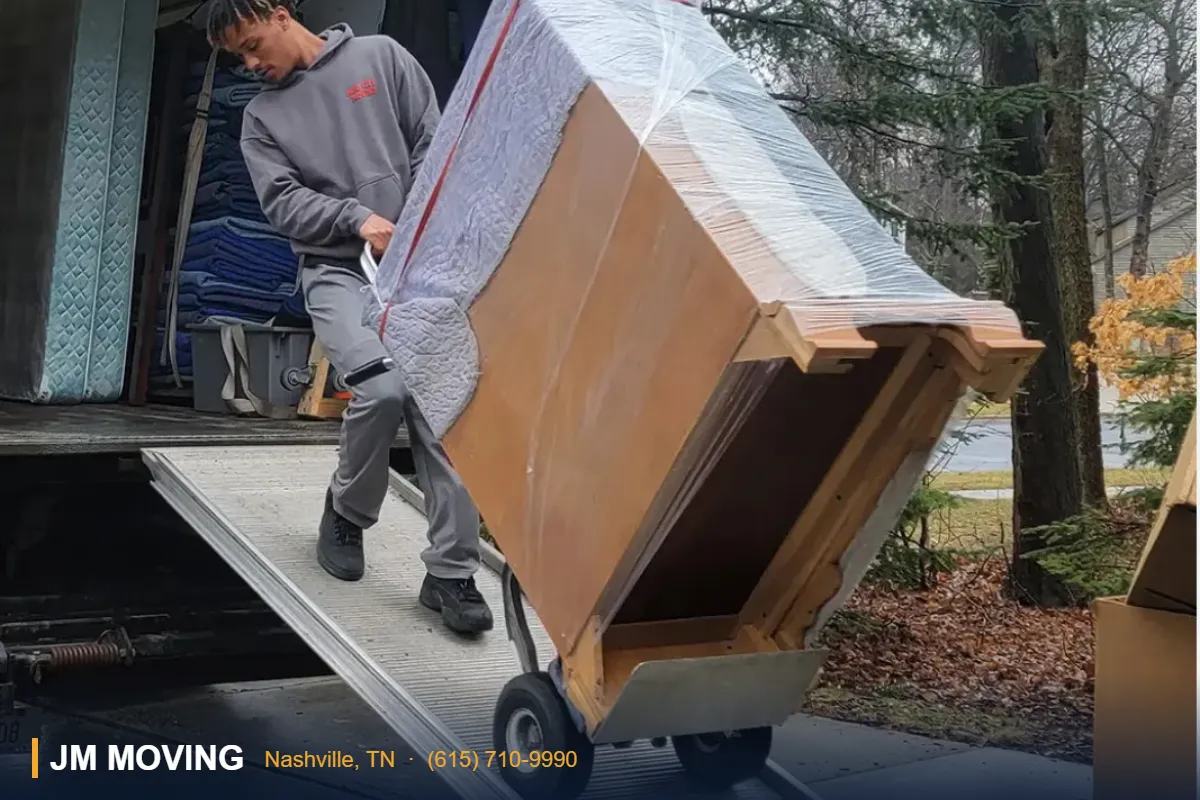
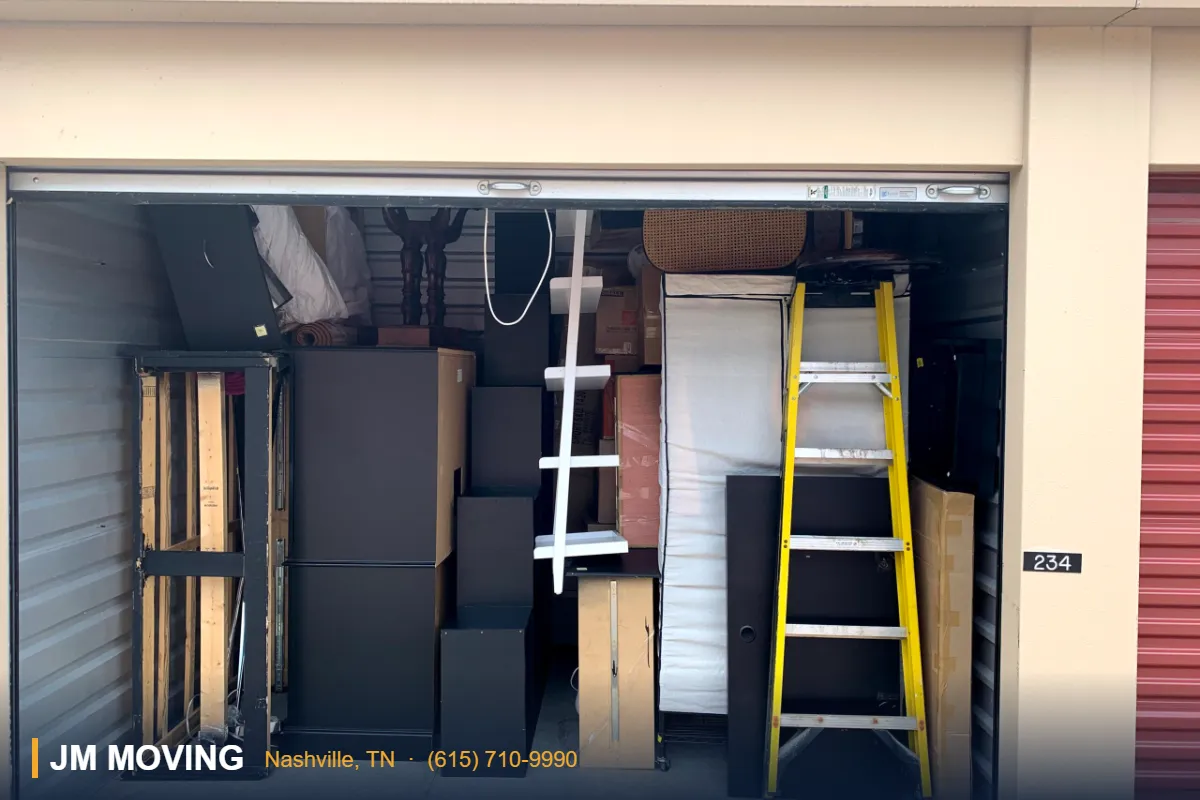
Packing tips for moving don’t get more practical than this. Here are 10 Quick Packing Tips for an Amazing Move! Easy hacks to pack faster, safer, and with less stress.
1. Start Early – Packing always takes longer than expected. Begin at least a few weeks before your moving day to avoid last-minute stress.
2. Declutter First – Before you pack, go through your belongings and donate, sell, or discard items you no longer need. Less clutter means a smoother move.
3. Use High-Quality Packing Supplies – Invest in sturdy boxes, packing tape, bubble wrap, and packing paper to protect your valuables.

4. Label Everything Clearly – Write the contents and destination room on each box. This will make unpacking in your new home much easier.
5. Pack Room by Room – Focus on one area at a time to stay organized and avoid mixing items from different rooms in the same box.
6. Protect Fragile Items – Wrap delicate items in bubble wrap or packing paper, and fill empty spaces in boxes with towels or clothing for extra cushioning.
7. Pack a Moving Day Essentials Box – Keep items like toiletries, a change of clothes, chargers, and important documents in an easily accessible box.
8. Don’t Overpack Boxes – Keep boxes under 50 lbs to prevent damage and make lifting easier. Use small boxes for heavy items like books and larger ones for lighter items.
9. Seal Liquids and Keep Them Upright – Tape bottle caps closed and place liquids in plastic bags to prevent leaks.
10. Hire Professional Movers – Save time and effort by trusting JM Moving in Nashville, TN for expert packing and moving services. Call (615) 710-9990 or email jmmoving84@gmail.com for assistance!
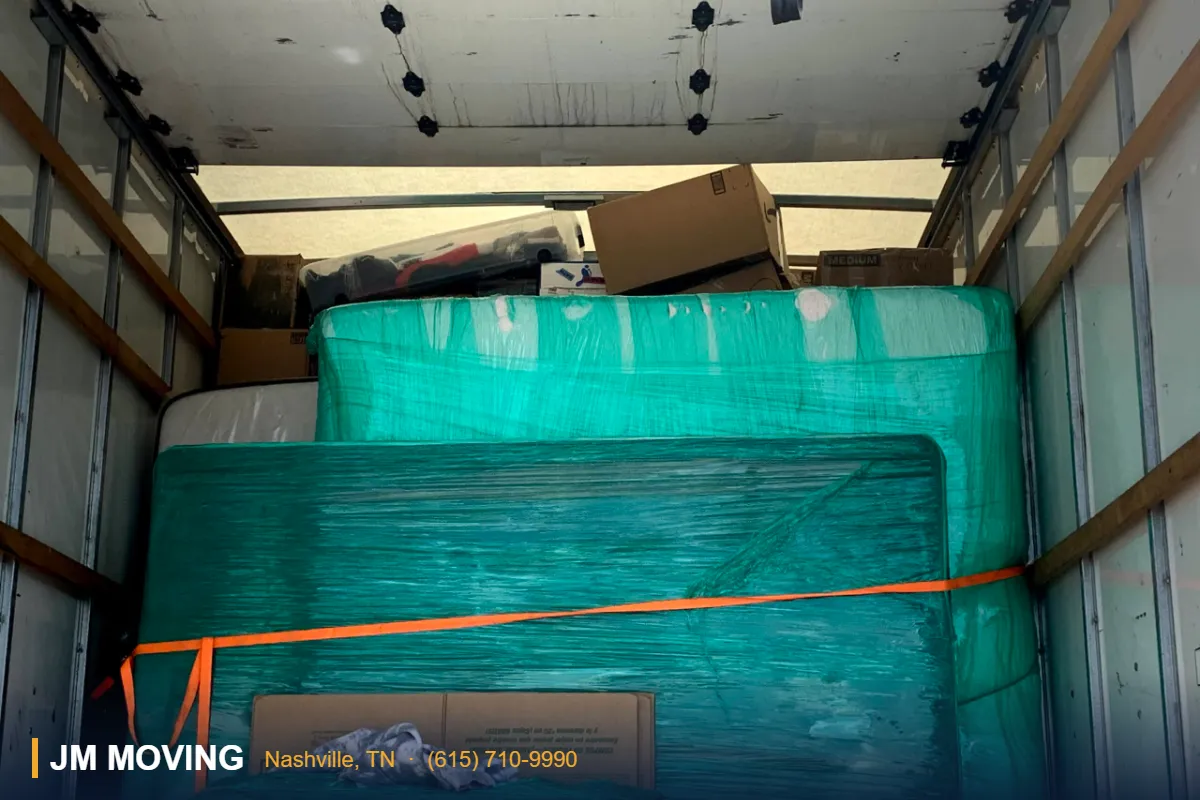
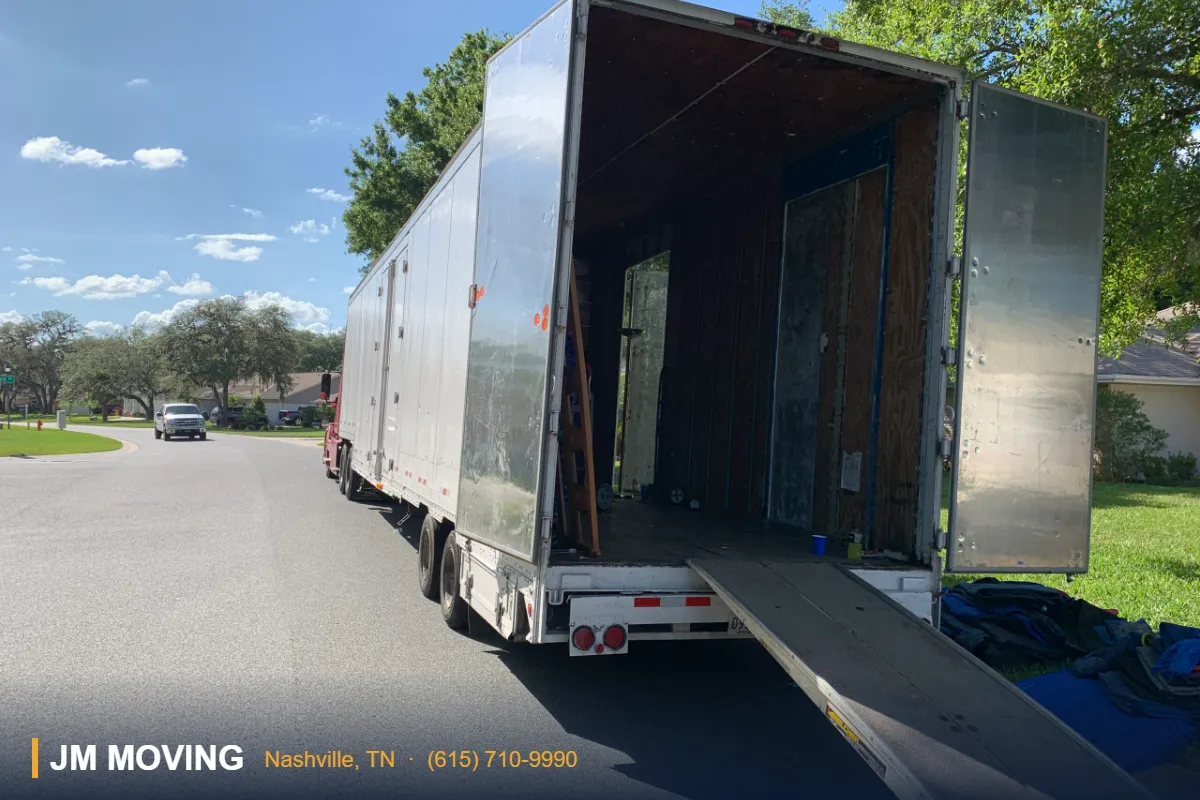
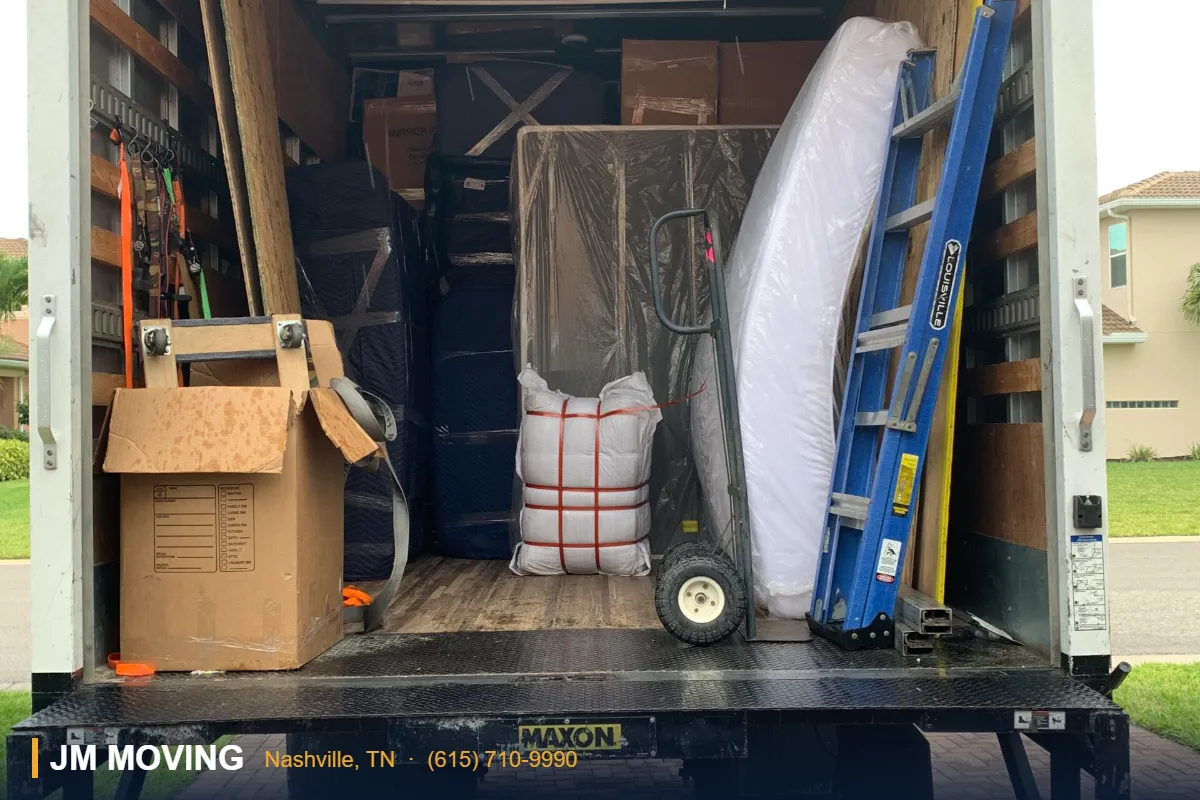
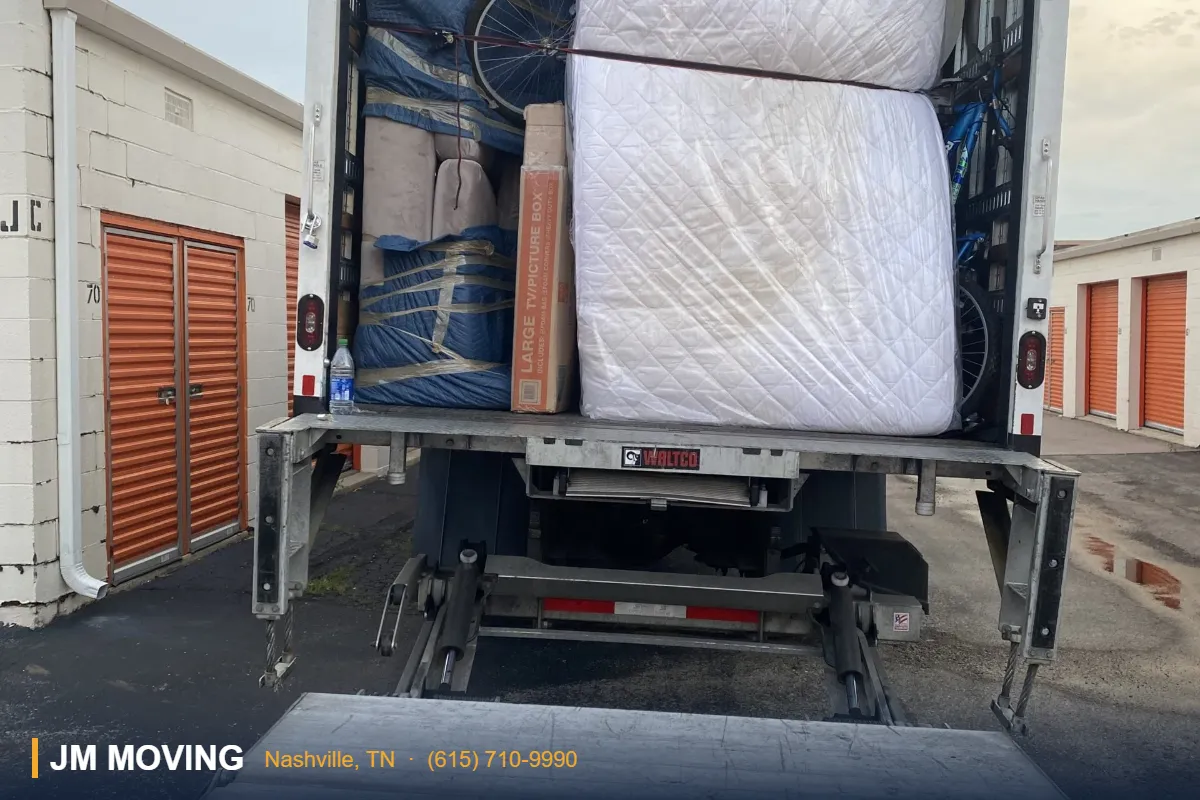
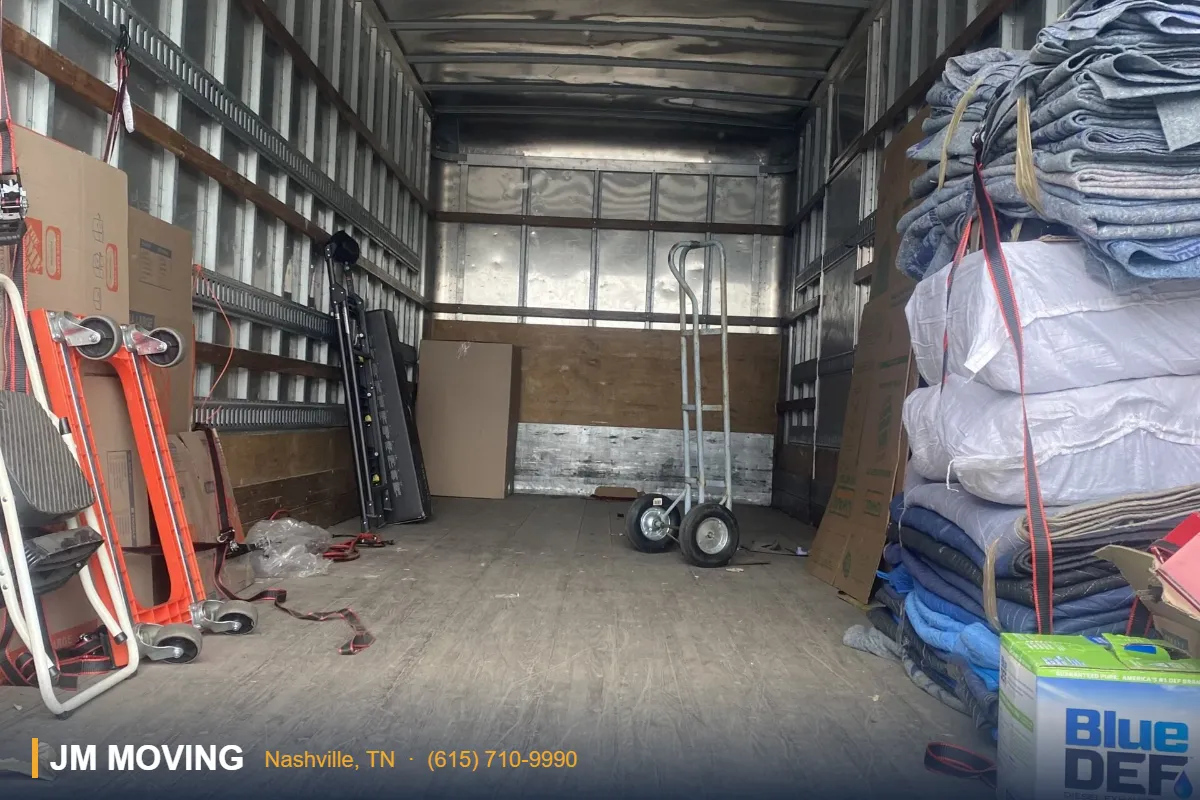
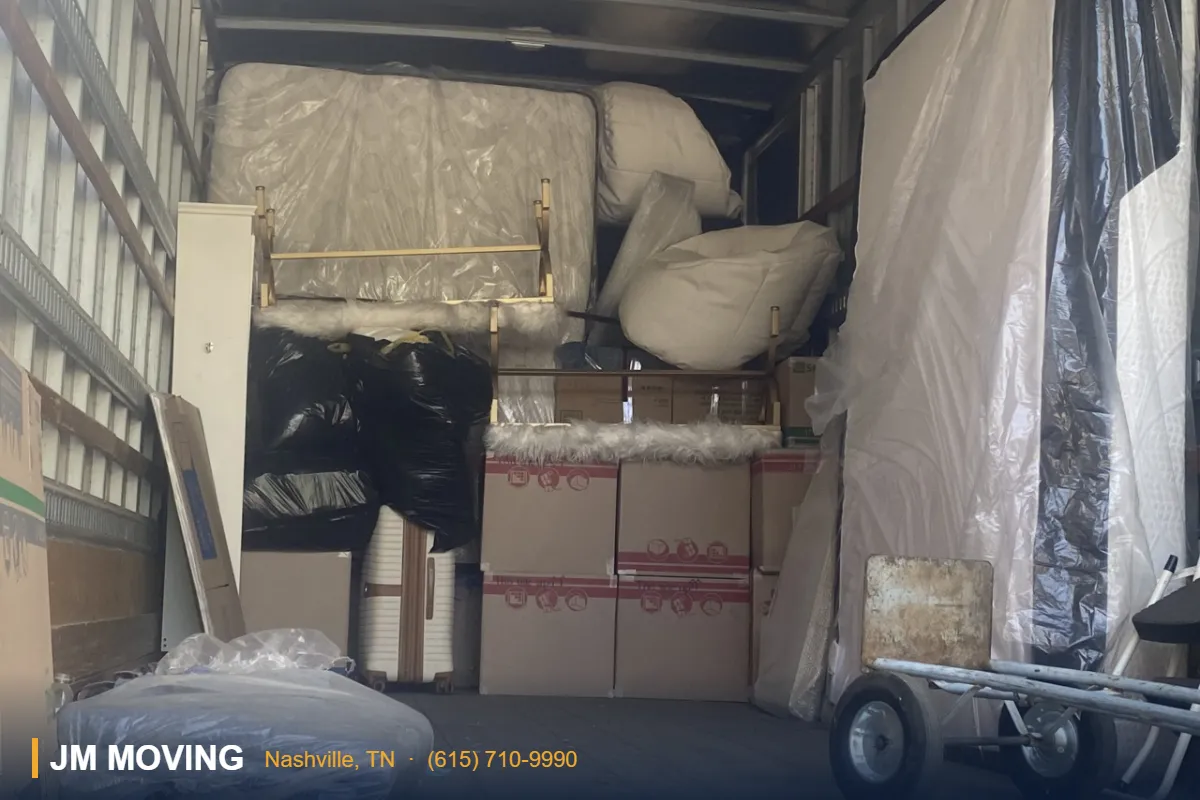
Why These Packing Tips for Moving Actually Work
Most moving-day stress doesn’t come from the truck or the drive across town — it comes from boxes that were packed in a hurry. These packing tips for moving are the same habits our crews rely on every day, whether it’s a studio apartment near Vanderbilt or a five-bedroom house in Brentwood. Start with a plan, gather the right supplies before you touch a single box, and give yourself more time than you think you need. Movers can save you from lifting the heavy stuff, but no crew can un-pack a box that was never labeled in the first place.
If packing everything yourself sounds like a lot, it doesn’t have to be an all-or-nothing choice. Many Nashville families pack their own closets and kitchen basics, then hand off the fragile, heavy, or awkward items — mirrors, pianos, home gyms — to a crew that already knows how to move them safely. That’s exactly what our full-service packing and moving team does every week across Middle Tennessee, and it’s one of the fastest ways to turn ten packing tips into an actually calm moving day.
For a deeper checklist beyond these packing tips for moving, the FMCSA’s moving guide is a solid, unbiased resource on hiring movers, understanding your rights, and avoiding scams during a move.
Combine that with the tips above, and you’ll walk into moving day organized, protected, and ready — instead of scrambling for tape at midnight. Whether you tackle these packing tips for moving solo or bring in backup for the heavy lifting, the goal is the same: fewer surprises and faster unpacking.
Print this list, save it to your phone, or just remember the big three: start early, protect fragiles, and label every box before it leaves the room. Ready when you are — call JM Moving today and pack smarter tomorrow.
Packing Tips for Moving: How to Load a Box Like a Pro
The ten quick tips above cover the basics. The packing tips for moving in this section go one layer deeper, into how a well-packed box is actually built. Most breakage during a move happens because a box was too heavy, too empty, or packed with the wrong mix of items. Get the box right and the rest of moving day gets easier.
The Box-Building Rules
- Tape the bottom first, twice. Run tape along the center seam and then across both edges so the bottom cannot fold in.
- Heavy on the bottom, light on top. Put the heaviest items in first, then lighter items, then soft fill.
- Fill every gap. Crumpled packing paper, towels, or socks keep contents from shifting. If a box rattles when you tilt it, it needs more fill.
- Close it flat. A box that bulges or caves in will not stack safely on the truck. Add or remove items until the lid closes flat.
- One room per box. If you pack room by room, never mix bathroom items with bedroom items just to fill space.
- Label two sides. Write the room and a short contents list on the side, where it stays visible in a stack.
Match the Box Size to the Weight
Small boxes are for dense items like books, canned goods, tools, and records. Medium boxes handle most kitchen items, toys, and small appliances. Large boxes are for light, bulky things like pillows, comforters, and lampshades. Keeping boxes under the 50-pound guideline from tip 8 is much easier when heavy items only ever go in small boxes.
How to Protect Fragile Items by Type
Protecting fragile items is where the right technique matters most. Each type of breakable has its own weak point, so a single wrapping method does not work for everything. Use this table as a quick reference while you pack.
| Item | How to wrap it | How to pack it |
|---|---|---|
| Plates and bowls | Wrap each piece in packing paper | Stand plates on edge like records in a lined dish box |
| Glasses and stemware | Stuff paper inside, then wrap the outside | Pack upright in a divided box, with the heaviest pieces on the bottom layer |
| Mirrors and framed art | Tape an X across the glass, then bubble wrap | Stand on edge in a picture box, never flat under other boxes |
| Lamps | Remove the bulb and shade; wrap the base | Pack shades alone with soft fill around them |
| TVs and monitors | Moving blanket or foam over the screen | Original box if possible; always transport upright |
| Ceramics and collectibles | Bubble wrap plus a layer of paper | Small box with thick padding on every side |
Mark every box of fragile items “FRAGILE” with arrows showing which side is up, and tell the crew which boxes they are. If you have heirlooms or glass you are nervous about, that is a good place to use professional packing even if you handle the rest yourself.
Room-by-Room Packing Tips for Moving
When you pack room by room, each space has its own challenges. These notes cover the rooms people most often underestimate.
Kitchen
The kitchen usually holds the most small, breakable pieces in the house, so start it earlier than you think. Pack rarely used appliances and serving pieces first, then leave a simple set of plates, cups, a pan, and a knife for the last few days.
Bathrooms
Tape caps shut on shampoo, lotion, and cleaning products, then bag them before they go in a box. Move medications in your own bag, not on the truck.
Garage and Shed
Drain fuel from mowers and trimmers and set aside paint, propane, and chemicals that movers generally will not carry. Bundle long-handled tools with tape or stretch wrap so they travel as one piece.
Home Office
Photograph cable setups before unplugging anything. Keep work laptops, hard drives, and important papers with you rather than in a box on the truck.
Kids’ Rooms
Pack kids’ rooms last and unpack them first. A familiar bed, favorite toys, and a nightlight make the first night in a new home much easier.
Your Moving Day Essentials Box
Tip 7 mentions a moving day essentials box, and it is worth planning carefully. This is the box, bag, or tote that rides in your car and gets opened before anything else. A good one lets you get through the first night without digging through dozens of boxes.
- Medications, glasses, and contact lens supplies for everyone in the home.
- Phone chargers, a power strip, and a laptop charger.
- A change of clothes and pajamas per person.
- Toilet paper, hand soap, towels, and a shower curtain.
- Sheets and pillows for each bed.
- Snacks, water, paper plates, and a few utensils.
- Box cutter, scissors, a screwdriver, and an allen key set for reassembling furniture.
- Pet food, bowls, and leashes if you have pets.
- Keys, identification, and the documents for your new home.
Keeping these moving day essentials with you also protects the things you cannot easily replace. Documents, jewelry, and medication should never be packed on the truck.
Packing Supplies: Where Quality Matters
Tip 3 says to invest in good packing supplies, but that does not mean buying the most expensive version of everything. Spend where it protects your belongings and save where it does not.
- Worth spending on: sturdy boxes of uniform sizes that stack well, dish barrel boxes, wardrobe boxes, mattress bags, and good tape that sticks on the first try.
- Fine to save on: packing paper for filling gaps, towels and linens as padding, and clean clothing to wrap non-fragile items.
- Skip: grocery-store boxes of mixed sizes, which crush easily and do not stack evenly on the truck.
Nashville Packing Tips: Heat, Stairs, and Building Rules
Where you live changes how you should pack. These packing tips for moving are specific to West and South Nashville homes and the suburbs around them.
- Summer heat: Nashville summers get hot and humid, and a closed truck gets hotter. Candles, vinyl records, wine, and some electronics are safer in your air-conditioned car on a summer move.
- West End, Midtown, and Downtown buildings: many apartment and condo buildings require elevator reservations or set move hours. Have boxes packed, sealed, and staged near the door before your time slot starts.
- Belle Meade, Green Hills, Forest Hills, and Oak Hill: larger homes with long driveways or several floors benefit from staging boxes by floor so the crew is not climbing stairs for one box at a time.
- Sylvan Park and West Meade: smaller streets can limit truck parking. Keep the path from your front door to the street clear.
- Brentwood, Franklin, Nolensville, and Bellevue: some neighborhoods have HOA rules about truck parking and move hours. Confirm them before you pick a date.
JM Moving uses a 26-foot box truck. Let the crew know about stairs, long carries, and parking limits when you request a quote so the flat-rate written price covers the real work.
Putting the Tips on a Calendar
Tip 1 says to start early, but “early” is easier to follow with dates attached. This simple schedule spreads the work out so no single weekend is overwhelming. Shorten it for a small apartment and stretch it for a large house.
| When | What to pack |
|---|---|
| 4 weeks out | Declutter, buy packing supplies, and pack books, holiday decorations, and off-season clothes. |
| 3 weeks out | Guest rooms, storage closets, the garage, and hobby gear. |
| 2 weeks out | Artwork, mirrors, decor, and most fragile items; confirm building or HOA rules. |
| 1 week out | Most of the kitchen, most clothing, and linens you are not using. |
| Last 2 days | Bathrooms, bedding, and your moving day essentials box. |
Packing Mistakes That Slow Down Moving Day
- Leaving drawers full of loose, breakable, or liquid items.
- Packing the kitchen the night before the move.
- Labeling boxes only on the top, where the label disappears in a stack.
- Using plastic garbage bags for fragile items, which offer no protection.
- Taping boxes shut before you know what is in them, then re-opening them to check.
- Forgetting to take apart beds, tables, and desks, or losing the hardware when you do.
- Not saying which items should stay behind, so they end up loaded by mistake.
Unpacking Tips That Start With How You Pack
Good packing makes unpacking faster, and the reverse is true too. A few habits during packing save hours at the new home.
- Assign each room a color and put a matching sign on each door at the new home so boxes land in the right place.
- Number your boxes and keep a list with you, so you know right away if one is missing.
- Mark a few boxes per room “open first” so the most-used items are easy to find.
- Tape furniture hardware bags directly to the piece they belong to.
- Unpack the kitchen and bedrooms first, then the living areas, and leave storage items for last.
Following these steps when you pack room by room means the crew can place boxes correctly at delivery, and you can find what you need on the first night.
DIY Packing or Professional Packing?
Plenty of people follow these packing tips for moving and pack the whole house themselves. Others use professional packing for part of the job, such as the kitchen, art, and fragile items, and pack clothes and books on their own. Full professional packing tends to make the most sense when time is short, when the move is after hours or an emergency, or when the home holds a lot of glass and heirlooms.
Costs for professional packing depend on the size of the home, how much is fragile, access at both addresses, and whether supplies are included, so ask for a written quote instead of relying on a general figure. JM Moving is available 24 hours a day, seven days a week, which helps when the schedule is tight.
Questions to Ask Any Mover About Packing Services
- Is the price a flat-rate written quote, and what could change it?
- Are boxes, paper, tape, and mattress bags included?
- Can the crew pack only certain rooms or only fragile items?
- How are boxes labeled so they reach the right room?
- Will the crew take apart and reassemble furniture?
- Which items will the crew not pack or transport?
More Packing Tips for Moving Questions
What is the best way to pack fragile items for a move?
Wrap each piece on its own, stand plates on edge, stuff glasses with paper, and fill every gap so nothing shifts. Use strong boxes, mark them “FRAGILE” with arrows, and keep the most valuable pieces with you.
How heavy should a moving box be?
Keep each box under about 50 pounds, as in tip 8. The simplest way to stay under that limit is to put books, tools, and other dense items only in small boxes and use large boxes for light, bulky things.
What should I put in a moving day essentials box?
Pack medications, chargers, a change of clothes, toiletries, toilet paper, sheets, snacks, basic tools, pet supplies, and important documents. Keep the box in your car so it is available the moment you arrive.
Related JM Moving Resources
Review local moving services, compare long-distance moving options, or request a written moving estimate. Interstate customers can also review the FMCSA Protect Your Move resources.
Final Planning Check for Packing Tips for Moving
Before moving day, confirm the origin, destination, preferred date, inventory, requested services, and access conditions in writing. Include stairs, elevators, parking restrictions, loading zones, long carries, narrow entrances, and any large or fragile belongings. Clear details help JM Moving prepare the crew, equipment, and sequence for the work described.
Keep identification, medication, keys, documents, and irreplaceable personal items with you. Label boxes by destination room and priority. At delivery, direct furniture placement before rooms fill with cartons and complete a final walkthrough. If the inventory, access, or schedule changes, report it early so the written scope can be reviewed.
Request a written JM Moving quote or call (615) 710-9990 to discuss the move.
Related JM Moving guides: Nashville Moving: Chandelier Packing Review Notes · Board Game Inventory for a Nashville Move · Nashville Cookware Packing: Pot and Lid Match Checklist · Holiday Light Inventory for a Nashville Move · Seasonal Decor Inventory for Nashville Moves · Sports Gear Inventory for a Nashville Move · Nashville Moving: Outdoor Cushion and Cover Sorting
