Moving Damage Claims Nashville: What to Do
Related JM Moving resources: local moving services, packing services, and written moving quotes. For a broader citywide service overview, review our Nashville movers guide.
Moving damage claims Nashville customers may need to address are easier to review when the facts are documented promptly and calmly. If you notice a missing item, a new mark, a broken component, or property damage after a move, pause before cleaning up or discarding materials. Photograph the condition, identify the item, preserve relevant packaging, and review the documents for your specific move. This guide provides general consumer information, not legal, insurance, valuation, or claims advice.
Every situation depends on the route, written estimate, inventory, bill of lading or service agreement, selected protection terms, customer responsibilities, and applicable law. Local and interstate moves may follow different rules. Do not assume a website summary changes your signed documents, and do not rely on a verbal promise when the written terms say something different.
First Steps After You Notice Damage or Loss
Safety comes first. If the condition creates a sharp edge, unstable furniture, exposed wiring, water leak, blocked exit, or another immediate hazard, keep people and pets away and take reasonable steps to prevent further harm. When safe, document the scene before moving the item again. A clear record can be more useful than a long emotional description.
- Identify the concern. Write the item name, room, inventory number if available, and the condition you observed.
- Take photographs. Capture the entire item, the affected area, nearby surroundings, packaging, labels, and any visible pre-existing condition.
- Preserve evidence. Keep the carton, padding, hardware, labels, and damaged component when practical.
- Review move documents. Locate the written estimate, service agreement, inventory, protection or valuation selection, receipts, and delivery paperwork.
- Give written notice. Use the contact method stated in your documents and describe the facts without guessing about the cause.
- Track the response. Save dates, names, emails, forms, attachments, and requested follow-up items in one folder.
Moving Claim Evidence Checklist
| Record | What to include | Why it is useful |
|---|---|---|
| Move identification | Customer name, service date, origin, destination, and job or estimate number | Connects the report to the correct move |
| Item details | Plain description, brand or model when relevant, and inventory number | Distinguishes the affected item |
| Condition photographs | Wide view, close-up, packaging, labels, and surrounding area | Shows context as well as detail |
| Prior-condition records | Pre-move photos, receipts, appraisals, or maintenance records when available | Helps document condition and identity |
| Moving documents | Estimate, inventory, agreement, delivery receipt, and protection selection | Shows the written scope and applicable terms |
| Communication log | Copies of messages, forms, dates, names, and attachments | Creates an organized timeline |
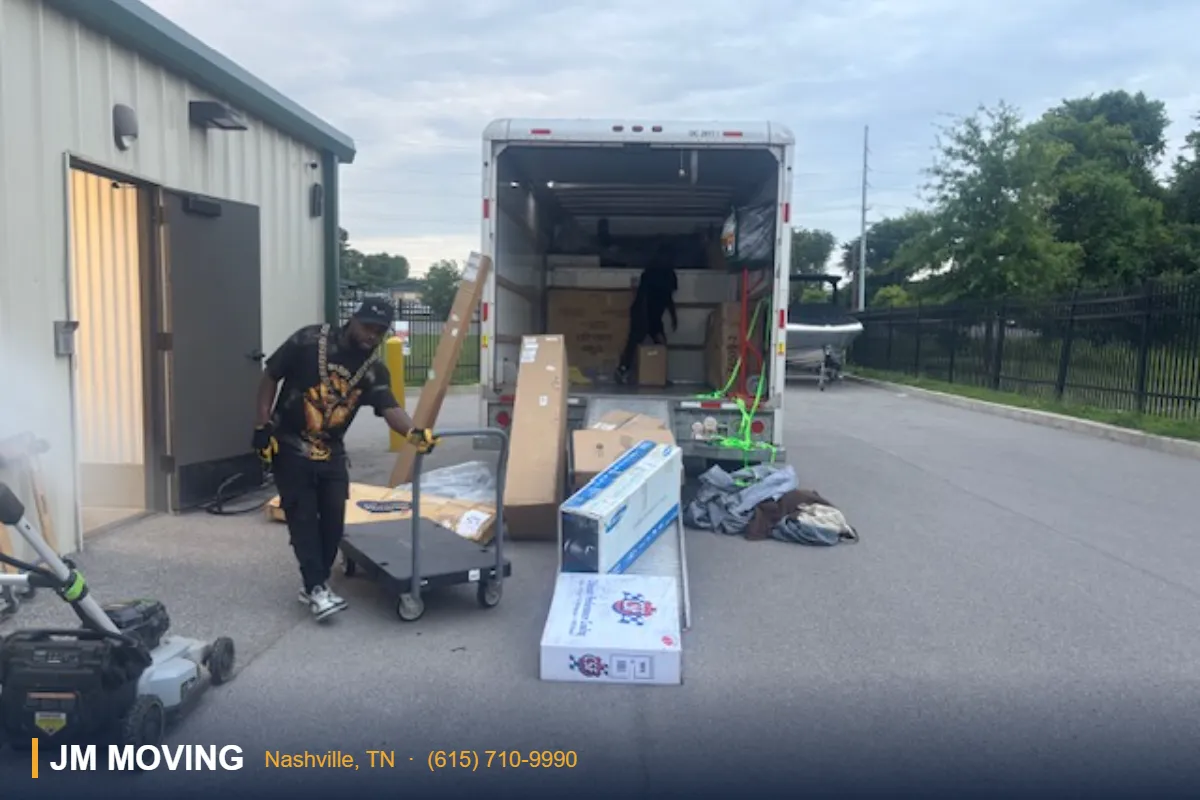
How to Photograph Damaged Furniture After a Move
To document damaged furniture after a move, begin with a wide image that shows the whole piece and its location. Then take medium and close views of the affected area. Photograph identifying details such as a model label or inventory sticker without exposing private data. If a wall, doorway, or floor is involved, photograph the surrounding area and an undamaged comparison area when helpful.
Use natural or even lighting, keep the image in focus, and avoid filters or markup on the original file. A ruler or common object can show scale, but it should not cover the condition. Keep the original files and note when they were taken. If video clarifies a loose joint, unusual sound, or malfunction, record a short factual clip while avoiding unsafe operation.
Preserve the Item and Packing Materials
Unless safety requires immediate action, avoid disposing of the item, carton, cushioning, wrap, hardware, or labels before you understand the review process. Do not attempt a cosmetic repair simply to improve the appearance before documenting it. If urgent mitigation or repair is necessary, photograph the condition first when safe, keep receipts, and record why immediate action was required.
Preserving materials does not guarantee an outcome. It simply allows the parties reviewing the concern to see more of the available evidence. If storage space or safety makes preservation difficult, ask in writing what should be retained and document the response.
Read the Protection and Claim Terms Carefully
Mover liability and valuation are often described casually as “moving insurance,” but those concepts are not always the same as a separate insurance policy. The applicable option, exclusions, evidence requirements, and process depend on the written documents and type of move. Review the JM Moving protection and documentation guide for a general explanation, then rely on the documents that apply to your move.
For an interstate household-goods move, the Federal Motor Carrier Safety Administration publishes current consumer information about lost or damaged goods. Its guidance recommends prompt notice, itemized lists, photographs, replacement-cost information, and a written claim. Review FMCSA’s current problem and claim guidance directly. Federal guidance for interstate moves should not be treated as a statement of the rules governing every local Tennessee move.
Write a Clear, Factual Notice
A useful notice identifies the move, affected item, observed condition, discovery date, and records available. Separate what you saw from what you believe may have happened. For example, “The right rear leg is split and the carton has a puncture on the same side” is more precise than “Everything was handled badly.” If an item is missing, describe it and include its inventory reference rather than accusing a specific person without evidence.
Ask which form or channel should be used, what supporting records are requested, and how receipt will be acknowledged. Keep a copy of everything submitted. A public review, social post, or telephone call may not satisfy a formal written-notice requirement in the applicable documents.
What Not to Do During the Review
- Do not exaggerate the condition or include unrelated items.
- Do not alter original photographs or discard relevant packaging prematurely.
- Do not authorize non-urgent repairs before documenting the condition and reviewing instructions.
- Do not publish private documents containing addresses, signatures, payment data, or identification numbers.
- Do not assume that an estimated purchase price, sentimental value, or repair quote automatically determines responsibility.
- Do not wait for an online response if your written documents identify a required notice method or deadline.
Pre-Move Documentation That Can Help
A practical Nashville moving damage documentation routine begins before loading. Create a room-by-room inventory, photograph important belongings, disclose fragile or previously damaged items, and keep receipts or appraisals where appropriate. Back up electronics and transport medication, identification, keys, important documents, cash, and irreplaceable small valuables personally.
Use sturdy boxes and suitable cushioning, label cartons by room, and avoid overloading them. If JM Moving is asked to pack selected belongings, confirm that scope in writing. See the Nashville packing services guide and the moving-day checklist for additional preparation steps.
Inspect at Delivery Without Blocking Safe Work
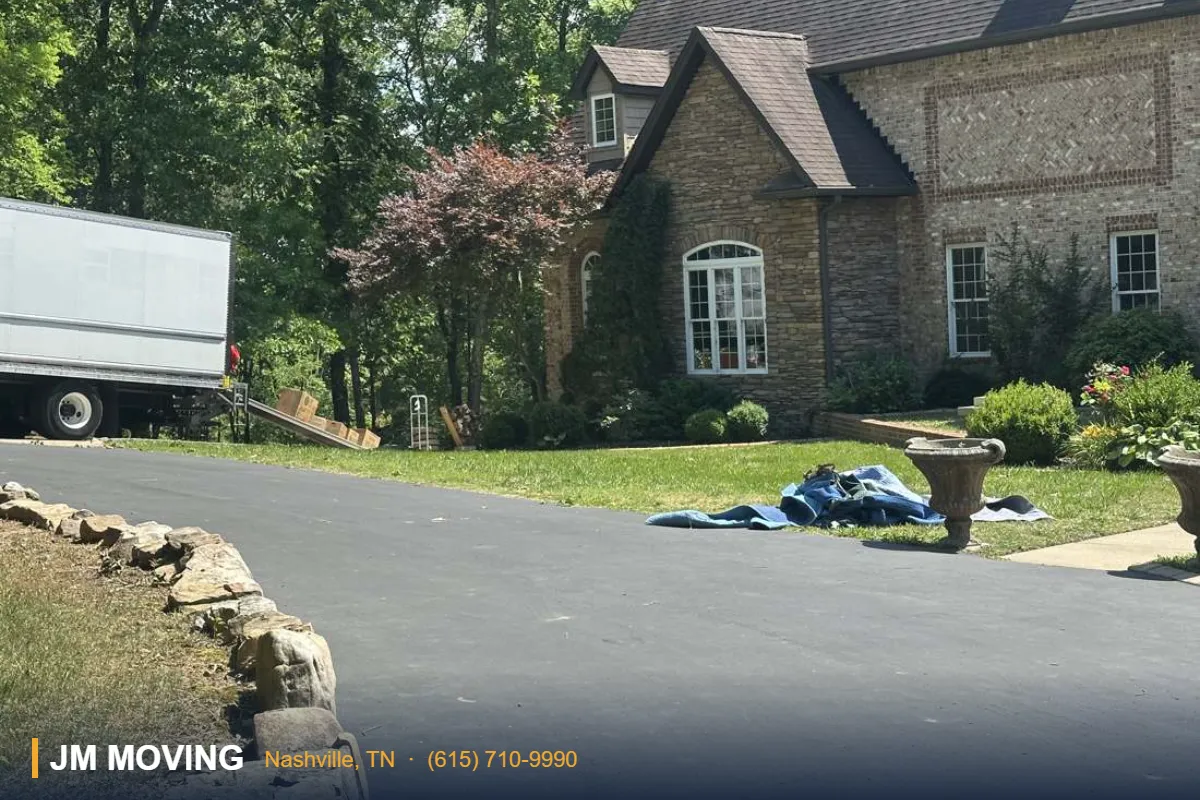
Keep walkways clear while unloading is active. As rooms become available, compare major items and numbered cartons with the available inventory. Note visible exceptions on the appropriate document when the form and circumstances allow, and ask for a copy. Complete a final walk-through after unloading, including closets, patios, garages, elevators, truck-access areas, and common paths.
Some concerns are not obvious immediately. Test ordinary functions only when safe and appropriate, and follow manufacturer instructions. If a concern appears later, record the discovery date and preserve relevant evidence. For planning context, review JM Moving’s local moving services or long-distance moving information.
A Practical Household-Goods Claim Process
A household-goods claim process commonly involves notice, documentation, review, requests for more information, and a written response. The exact process is controlled by the applicable documents and law. A repair estimate or proof of purchase may be requested, but customers should confirm what is needed before incurring costs. Keep originals and submit copies unless instructed otherwise.
If you do not understand the terms, disagree with a response, or face a material deadline, consider speaking with a qualified attorney, insurance professional, consumer agency, or other appropriate adviser. JM Moving cannot provide legal advice through a webpage, and this guide cannot evaluate an individual claim.
Moving Damage Claims Nashville FAQs
When should I report damage or a missing item?
Report the concern promptly through the method stated in your move documents. Document the facts first when safe, and do not assume a phone call or public review replaces any required written notice.
What photographs should I take?
Take a whole-item view, medium view, close-up, surrounding area, packaging, labels, and identifying details. Keep original files without filters or edits.
Should I throw away a damaged box?
Keep the carton, padding, labels, and affected item when practical until you understand the review instructions. If preservation creates a hazard, document the condition and ask what to retain.
Should I repair the item immediately?
For non-urgent repairs, document the condition and review the applicable procedure first. If safety requires immediate work, preserve photographs, receipts, and a record of why it could not wait.
What move documents should I collect?
Collect the estimate, inventory, agreement or bill of lading, delivery documents, protection selection, receipts, approved changes, and communications related to the move.
Is mover valuation the same as insurance?
Not necessarily. A mover’s responsibility under transportation documents can differ from a separate insurance policy. Review the exact terms and seek qualified advice for your situation.
Does the same deadline apply to every Nashville move?
No universal deadline should be assumed from this page. Interstate and local moves may differ, so check the documents and current rules that apply to the specific move.
Can a public review serve as a formal claim?
Do not rely on it. Follow the written notice or claim method identified in your documents and retain proof of submission.
What if an item was already scratched before the move?
Describe pre-existing and newly observed conditions accurately. Pre-move photographs, inventories, and written notes can help distinguish them.
How can I contact JM Moving about a move-specific concern?
Use the contact channel stated in your move documents or visit the official JM Moving website. Include the move date and identifying job information, but do not post sensitive records publicly.
Prepare a Clear Record
If you are planning a future move, give JM Moving accurate inventory and access details, identify fragile or unusual belongings, and request a written scope. If you are reporting an existing concern, use the move-specific communication process rather than a sales request. Organized facts, preserved evidence, and timely written communication create the clearest starting point for review.
For a new moving estimate, request a written JM Moving quote or call (615) 710-9990. For an existing move, use the contact instructions in your move documents.
Moving Damage Claims Nashville: What to Do — 10 Practical Planning Tips
- Photograph valuable or fragile items before the move begins.
- Note visible pre-existing damage on furniture and belongings.
- Keep receipts or records for higher-value items when available.
- Inspect items during unloading rather than waiting several days.
- Report concerns promptly and document them clearly.
- Keep packing materials when they may be relevant to a claim.
- Provide clear photos showing the item and the damage.
- Review the mover’s written claim procedures and deadlines.
- Keep copies of estimates, inventories, and service documents.
- Communicate calmly and in writing when a formal claim is needed.
Need help planning your move? Call (615) 710-9990, review Nashville moving services, or request a written quote.