A moving insurance guide Nashville TN customers can use should distinguish everyday shorthand from the actual documents that apply to a move. People often say “moving insurance,” but protection, liability, valuation, exclusions, and claim procedures depend on the service, route, written agreement, and any separate policy. Read the applicable terms and ask questions before moving day. Request a free Nashville moving quote with complete inventory and access details. For pricing and estimate planning, review our Nashville moving costs guide.
Moving Insurance Guide Nashville TN Customers Can Review
This page provides general consumer education and is not legal, insurance, or claims advice. JM Moving customers should rely on their current written documents and qualified advisers when deciding what protection is appropriate. Do not assume a website headline, review, or verbal statement changes the agreement.
Start With the Written Moving Documents
Ask which documents describe responsibility for belongings, available protection options, customer duties, exclusions, notice requirements, and claim procedures. Read them before accepting service. Keep copies of the estimate, inventory, service terms, receipts, and approved changes.
Confirm that the documents identify JM Moving and the correct move. JM Moving is a distinct Nashville company; another mover’s license, policy, address, or coverage statement must not be attributed to it. If a term is unclear, ask for a written explanation and seek qualified advice when necessary.
Why “Moving Insurance” Can Be an Inexact Phrase
Customers may use “insurance” as a general label for several different concepts. A mover’s responsibility under its agreement is not automatically the same as a separate insurance policy purchased by a customer. Coverage may also differ between local and interstate moves or between household and commercial property.
Avoid assuming that words such as “covered,” “protected,” or “insured” mean unlimited reimbursement. Ask what option is being offered, who provides it, what value standard applies, what exclusions exist, and what steps are required if something happens. Obtain the exact terms rather than relying on a summary.
Build an Accurate Inventory
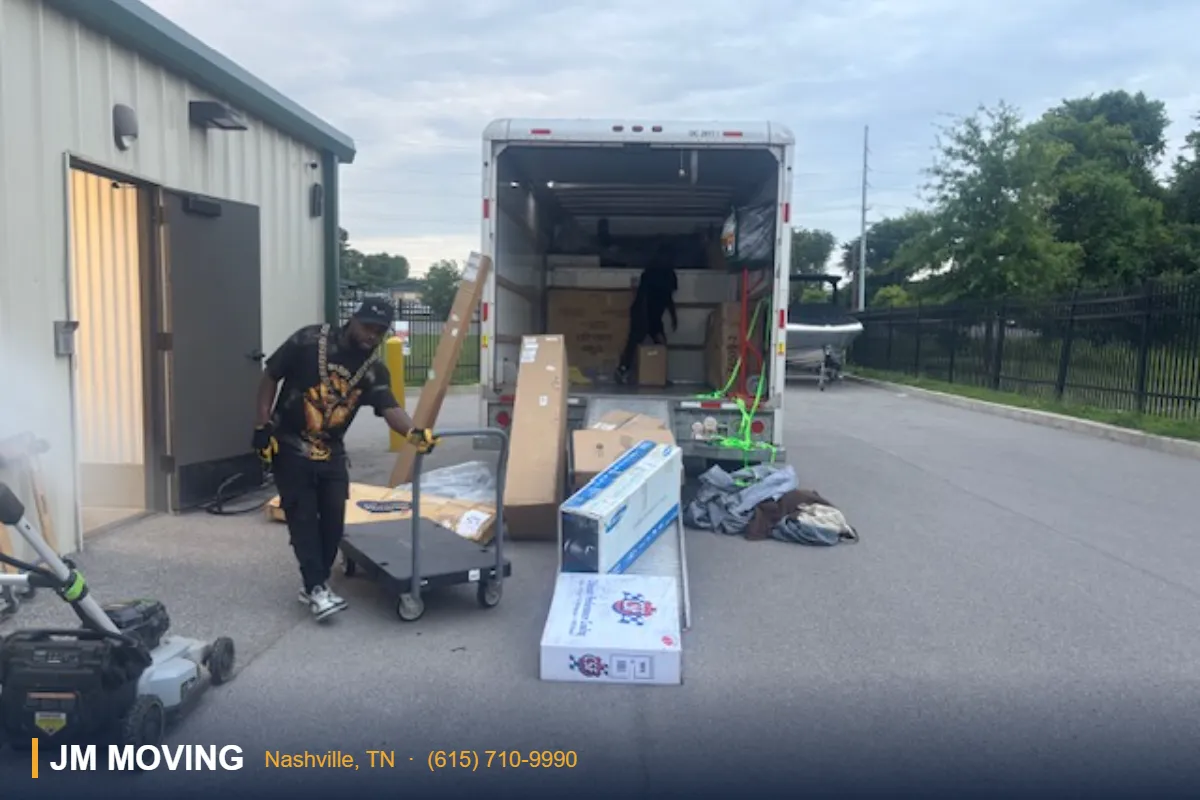
A room-by-room inventory supports the moving estimate and helps customers document what is being transported. List furniture, appliances, electronics, artwork, boxes, fragile belongings, and unusually valuable or heavy pieces. Photograph important items and their condition when appropriate, and store those records safely.
Disclose items that may require special preparation or may not be accepted. Keep identification, medication, keys, contracts, irreplaceable documents, and personal valuables with you. An inventory is not a guarantee of coverage, but incomplete records can make planning and later questions more difficult.
Packing and Furniture Preparation Responsibilities
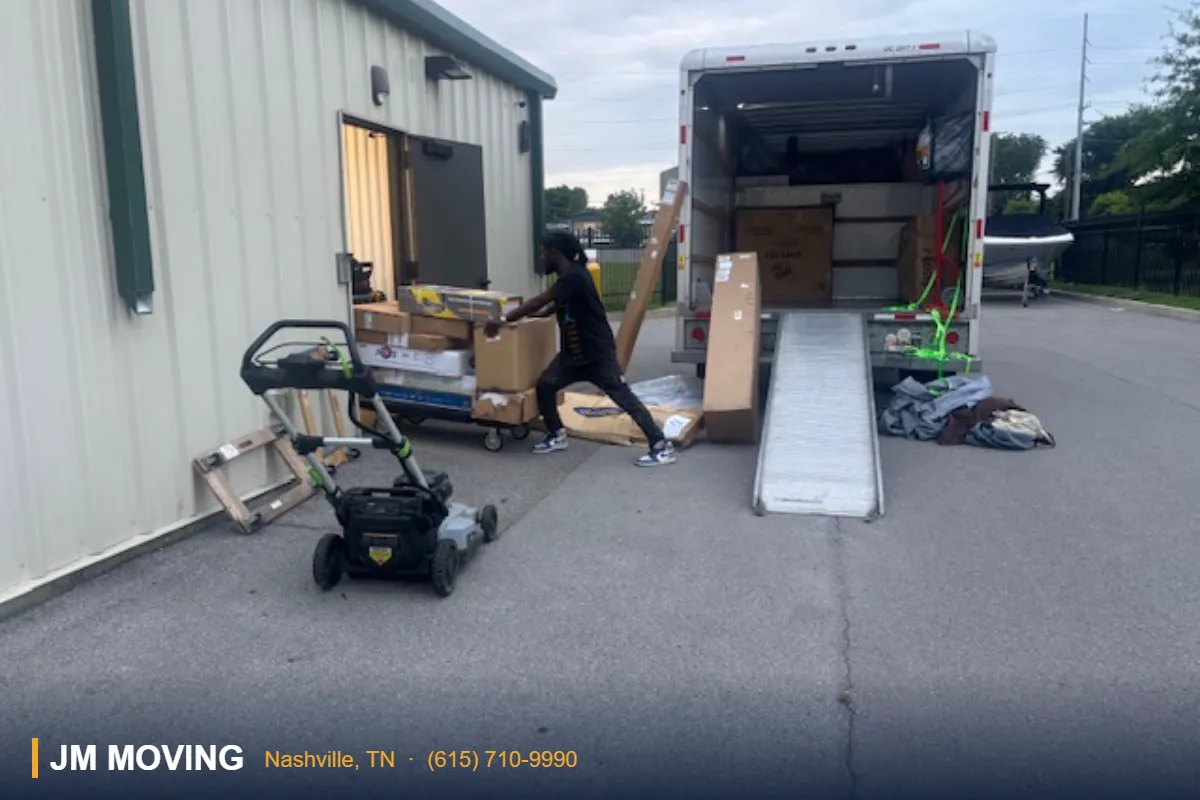
Ask how customer-packed and mover-packed belongings are treated under the applicable terms. Customer packing should use sturdy boxes, suitable cushioning, secure closures, and clear labels. Fragile or unusual belongings should be disclosed instead of hidden inside a general box description.
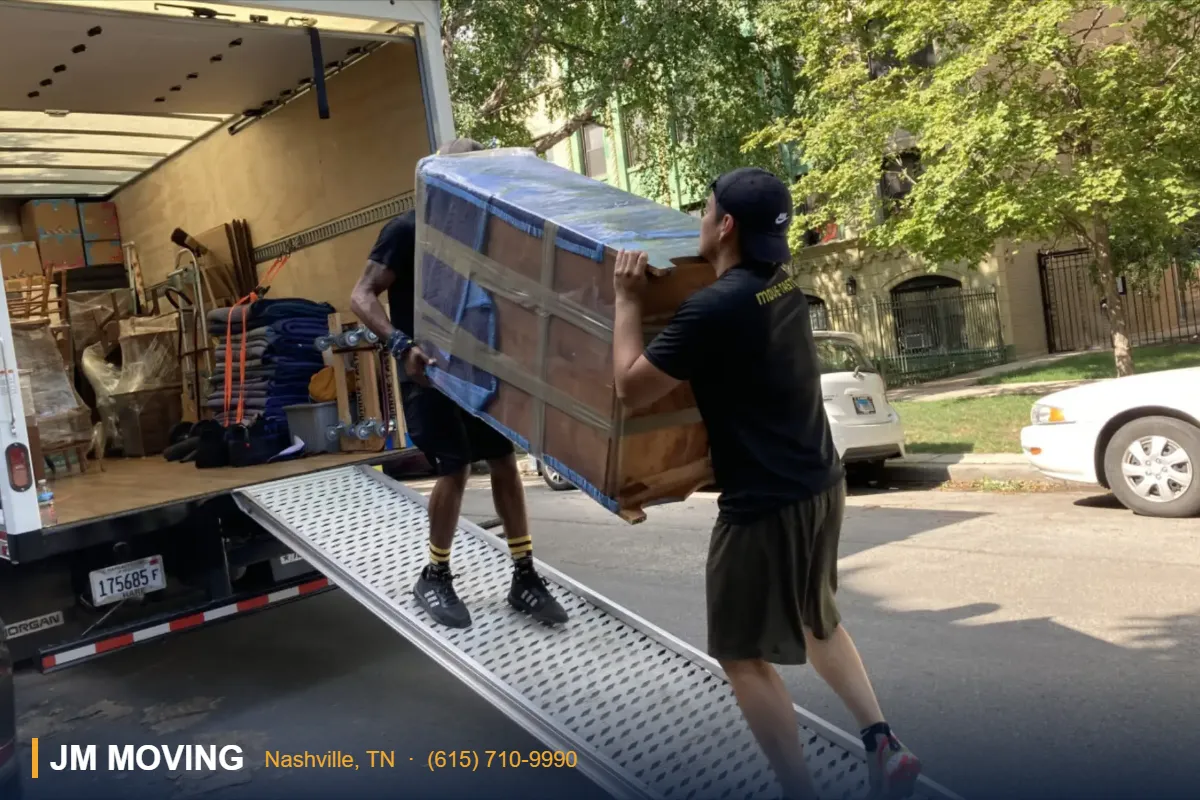
JM Moving offers packing among its common services. Review packing services in Nashville and confirm materials, labor, and item preparation in the estimate. Furniture preparation may involve blankets, wrap, straps, or approved disassembly depending on the item and access. No responsible page should promise that damage is impossible.
Local and Interstate Moves May Differ
The documents and rules relevant to a local move may differ from those for an interstate route. Customers planning a nearby relocation can review JM Moving local movers Nashville TN. Customers planning a longer route can review long-distance moving options.
For interstate consumer information, visit FMCSA Protect Your Move. Its resources address estimates, documents, responsibilities, and carrier verification. Check the current material that applies to the move rather than copying a generic statement into an agreement.
Questions to Ask Before Moving Day
- Which document explains responsibility for loss or damage?
- What protection or valuation options are available for this move?
- Do local and interstate terms differ?
- How are customer-packed boxes addressed?
- Which items are excluded or require advance disclosure?
- What condition records should the customer retain?
- What notice, evidence, and deadlines apply to a claim?
Request answers early enough to evaluate the options. Do not wait until loading begins to disclose a specialty item or ask about a separate policy. If a customer wants advice about homeowners, renters, commercial, or third-party insurance, contact the relevant insurer or licensed adviser.
If You Notice a Problem
Follow the current written procedure. Document the item and condition, preserve relevant packing materials when appropriate, and notify the designated contact through an accepted channel. Keep messages, photos, inventories, receipts, and responses together. Avoid making repairs or discarding evidence before understanding any applicable process.
Describe facts accurately and protect private information. A public review does not replace a formal notice or claim step. Deadlines and documentation requirements can matter, so consult the actual agreement rather than a general webpage.
Reduce Avoidable Risk Through Preparation
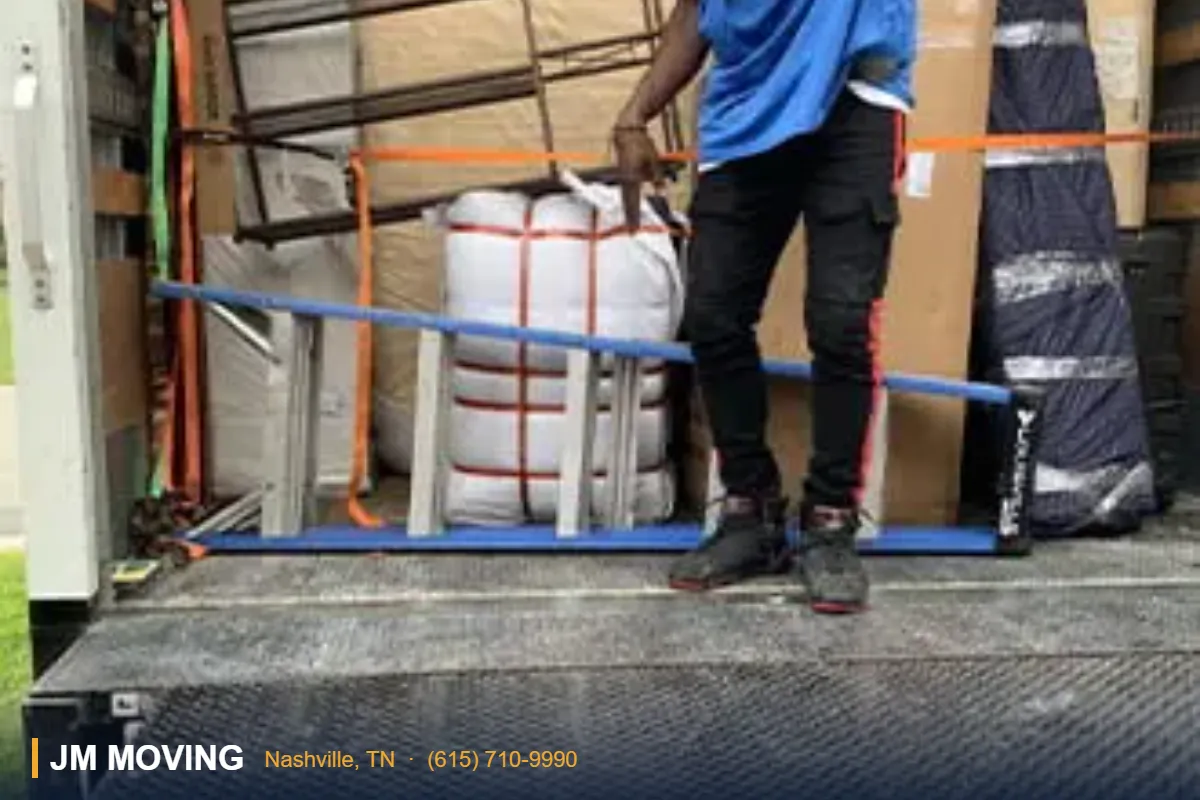
Accurate access information helps the crew select appropriate equipment and preparation. Explain stairs, tight turns, elevators, parking, long carries, delicate floors, and building rules. Clear walkways and keep children and pets away from active moving paths. Have a decision-maker available for placement questions.
Label boxes by room and contents category without advertising valuables. Separate items the mover will not transport. At the destination, provide placement directions and inspect belongings according to the applicable documents. Preparation cannot eliminate every risk, but it supports clearer handling and records.
Evaluate Claims Carefully
Be cautious with claims such as “fully insured for every item,” “complete replacement guaranteed,” or “damage-free moving.” The actual written terms matter. This page intentionally does not state policy limits, deductibles, license numbers, or universal protection because those facts require current verification for the specific service.
JM Moving reports 23+ years of moving experience and uses five-star service as approved brand positioning. Customers should still evaluate the written scope, protection terms, responsibilities, and answers to their questions. A process-based explanation is more useful than an unsupported promise.
Request a Detailed JM Moving Quote
Before requesting service, prepare both locations, a room-by-room inventory, access notes, preferred date, and packing or specialty-item details. Confirm the written estimate and applicable protection documents before scheduling. Call (615) 710-9990 or request your JM Moving quote online.
- List every room and major item.
- Photograph valuable or fragile belongings.
- Confirm stairs, elevators, parking, and long carries.
- Review the written estimate and protection terms.
- Keep your documents and inventory together.
| Record | Why it matters |
|---|---|
| Written estimate | Defines the planned services and pricing scope. |
| Inventory and photos | Documents items and visible condition before moving day. |
| Protection terms | Explains applicable options, limits, exclusions, and customer duties. |
| Receipts and messages | Keeps relevant move records organized in one place. |
Moving Insurance Guide Nashville TN FAQs
Is mover liability the same as a separate insurance policy?
Not necessarily. Responsibility under moving documents and coverage under a separate policy can be different. Review the exact terms that apply to the move.
What documents should I read before moving day?
Review the estimate, inventory, service agreement, protection or valuation terms, exclusions, customer responsibilities, and claim instructions that apply.
Should I create an inventory of my belongings?
Yes. A detailed inventory and appropriate condition records support planning and help customers organize information about transported items.
Are customer-packed boxes treated differently?
Terms may differ. Ask how customer packing is addressed and use sturdy boxes, suitable cushioning, secure closures, and clear labels.
Where can I review interstate moving guidance?
FMCSA’s Protect Your Move website provides consumer information about estimates, documents, responsibilities, and carrier verification.
Should I keep valuables in the moving shipment?
Keep identification, medication, keys, contracts, irreplaceable documents, and personal valuables with you whenever practical.
What should I do if I notice damage or loss?
Follow the written procedure, document the facts, preserve relevant records, and notify the designated contact within any applicable deadline.
Does this page provide legal or insurance advice?
No. It provides general consumer education. Consult the applicable documents and a qualified adviser for advice about a specific situation.
Can any mover guarantee a damage-free move?
No page should promise that damage is impossible. Ask about handling procedures, responsibilities, protection options, and written terms.
How do I request a JM Moving quote?
Use the official quote page and provide locations, inventory, access, preferred date, packing needs, and specialty-item details.
Moving Insurance Guide Nashville TN — 10 Planning Tips
- Request written terms before paying or signing.
- Confirm what the quoted price or deposit covers.
- Use an accurate inventory and access description.
- Identify specialty items and optional services separately.
- Ask how inventory or scope changes affect the total.
- Keep receipts, estimates, and payment records.
- Understand cancellation, rescheduling, and claim procedures.
- Compare the same service scope when reviewing alternatives.
- Keep valuables and important documents with you.
- Review the final written agreement before moving day.
Plan your Nashville move with JM Moving: call (615) 710-9990, review local moving services, or request a written quote.
Related JM Moving Resources
Valuation in Plain Language
Movers usually do not sell insurance; they offer valuation, which is the level of responsibility the mover accepts for your belongings. For interstate moves, federal rules require movers to offer two levels. Released value protection is included at no extra cost but only pays 60 cents per pound per item, which means a 50-pound television would be valued at $30 no matter what it cost. Full value protection makes the mover responsible for repairing, replacing or paying the current value of lost or damaged items, subject to the terms and any declared value. Local moves within Tennessee may be handled differently, so ask your mover what coverage applies and get it in writing.
Check Your Own Policies
Your homeowner’s or renter’s insurance may cover some belongings during a move, especially high-value items. Call your agent before move day and ask whether your policy covers items in transit, whether there are limits for jewelry, art or collectibles, and whether you need a rider for anything specific.
How JM Moving Reduces the Need for a Claim
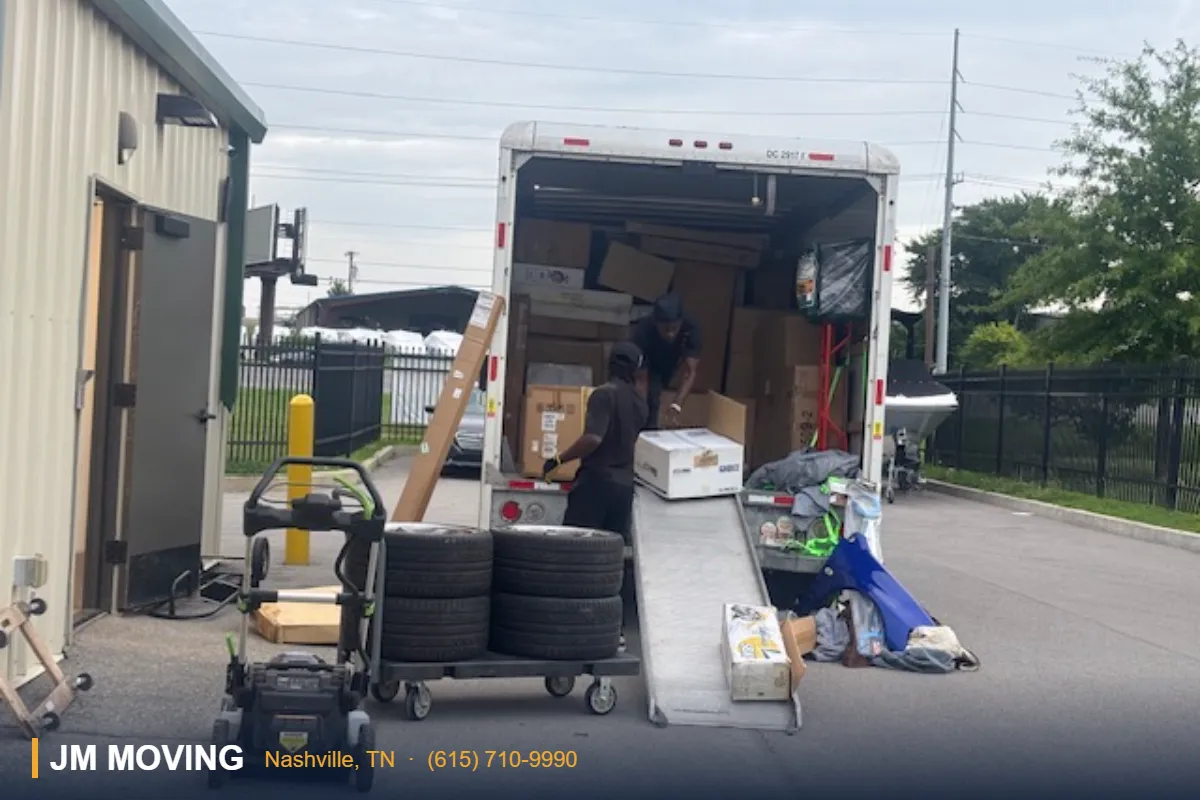
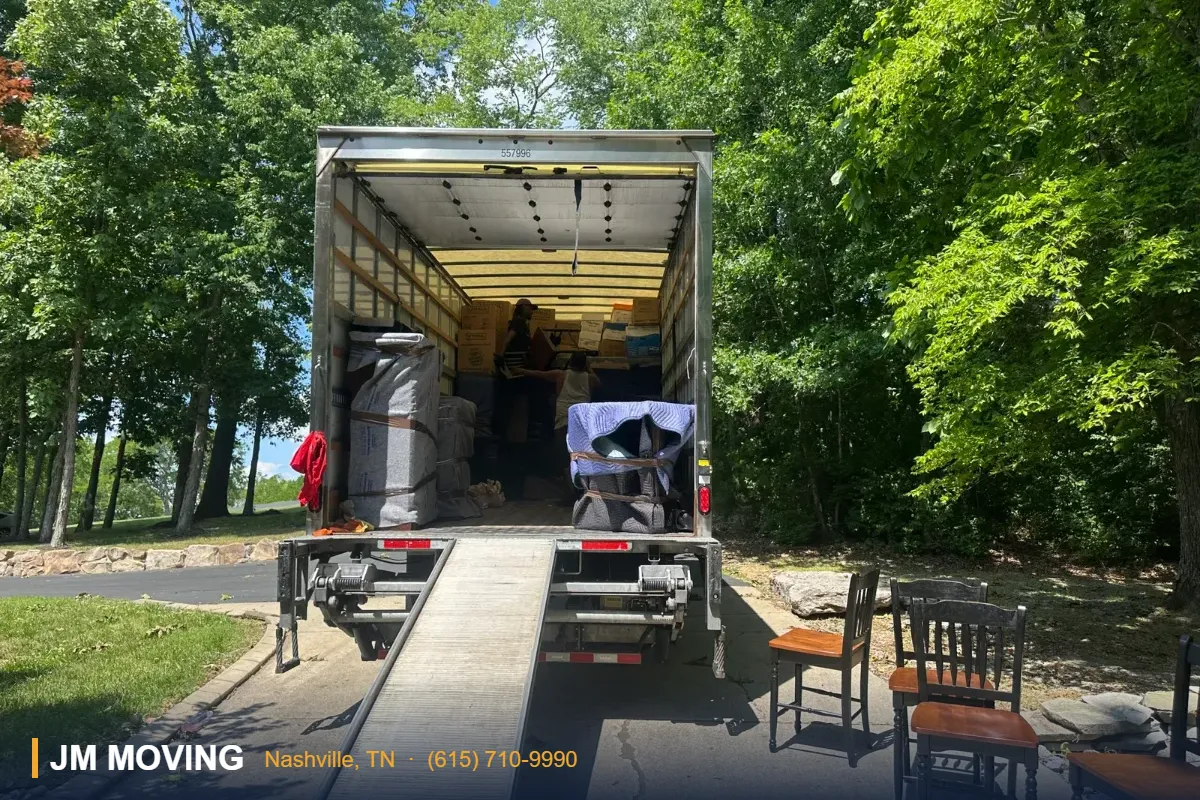
The best claim is the one you never have to file. Before anything moves, our crews lay floor runners, pad door jambs, add corner guards and cover banisters. Furniture is wrapped in moving blankets, and mirrors and art can be custom crated. High-value items such as art, pianos and safes get written condition notes before they move, so everyone has a clear record of how they looked before the move started.
Questions to Ask About Coverage
- What valuation is included in the price?
- Is additional coverage available, and what does it cost?
- How and when should a damage claim be reported?
- What documentation will you need?
Call JM Moving at (615) 710-9990, 24/7, with your coverage questions.
Before the move, photograph valuable items and note their condition. Combined with our crew’s written notes on high-value pieces, those photos make any later conversation about damage clear and quick.