
Planning a Safe, Calm Relocation for Your Pets
Moving to Nashville with Pets — Tips for a Pet-Friendly Relocation
Nashville is an incredibly pet-friendly city — and if you are relocating here with a furry family member, you are going to love what Music City has to offer. But moving with pets requires some extra planning to keep your animals safe, comfortable, and stress-free throughout the process. Here is your complete guide to moving to Nashville with pets.
Review our Nashville local moving services and request a written moving quote before moving day.
Before Moving Day — Pet Preparation
- Visit Your Current Vet: Get copies of all vaccination records and medical history. Ask for a prescription for anti-anxiety medication if your pet has difficulty with stress.
- Research Nashville Vets in Advance: Find a new vet in your Nashville neighborhood before you arrive. Nashville has excellent veterinary care throughout the metro area.
- Update Microchip and Tags: Update your pet’s microchip information and ID tags with your new Nashville address and phone number before moving day.
- Keep Routine Consistent: In the weeks leading up to the move, keep feeding, walking, and play schedules as normal as possible to minimize pet anxiety.
Moving Day With Pets
- Keep Pets Secured: The safest plan for moving day with pets is to keep them in a quiet room away from the chaos, or arrange for them to stay with a trusted friend, family member, or pet sitter for the day.
- Never Leave Pets in a Vehicle: Nashville summers are hot — never leave a pet unattended in a car on moving day.
- Bring a Pet Travel Kit in Your Personal Car: Food, water bowl, medications, favorite toys, and bedding should travel with you — not on the moving truck.
- For Long-Distance Moves: Plan pet-friendly route stops, book pet-friendly hotels in advance, and consult your vet about long-distance travel requirements for your specific animal.
Nashville’s Best Pet-Friendly Neighborhoods
Belle Meade, West Meade and Bellevue — Residential streets, many homes with yards, and close access to Percy Warner and Edwin Warner Parks on the west side of town.

12 South and Belmont — Walkable neighborhood with great sidewalks and several dog-friendly coffee shops and restaurants.
Germantown — Urban feel with quick access to Shelby Park and the Cumberland River Greenway.
Brentwood and Franklin — Large lots, excellent trail systems (Natchez Trace, Pinkerton Park), and a strong dog-walking culture.
Before move day, compare our local moving services in Nashville, review packing services, and request a written moving estimate for your inventory and access needs.
Moving to Nashville with your pets? JM Moving makes the process easier to plan. Call (615) 710-9990 for a free moving estimate.
FAQs About Moving to Nashville with Pets
What should I know before moving to Nashville with pets?
Start planning at least four to six weeks out. Update vet records, research pet-friendly neighborhoods, and pack a dedicated pet travel kit with food, water, and comfort items. For a full breakdown of local moving logistics, see JM Moving’s comprehensive guide to moving services in Nashville.
Do I need a professional mover for a pet-friendly relocation?
A professional crew lets you focus entirely on your pet’s comfort instead of hauling boxes. JM Moving’s trained team works efficiently and safely around animals on moving day. Review the FMCSA Protect Your Move resource before your relocation.
Why Hire JM Moving for Your Pet-Friendly Relocation
JM Moving has helped countless Nashville families relocate with pets safely and stress-free. Our movers understand that pets are family, and we work carefully to keep your animals calm and secure throughout the process.
Whether you are moving across town or across the state, our experienced team handles the heavy lifting so you can focus on settling your pet into its new Nashville home. Call (615) 710-9990 for a free quote.
We offer transparent, upfront pricing with no hidden fees, fully licensed and insured crews, and flexible scheduling built around your timeline, so your move stays as smooth and low-stress as possible.
Moving to Nashville With Pets Planning Gallery
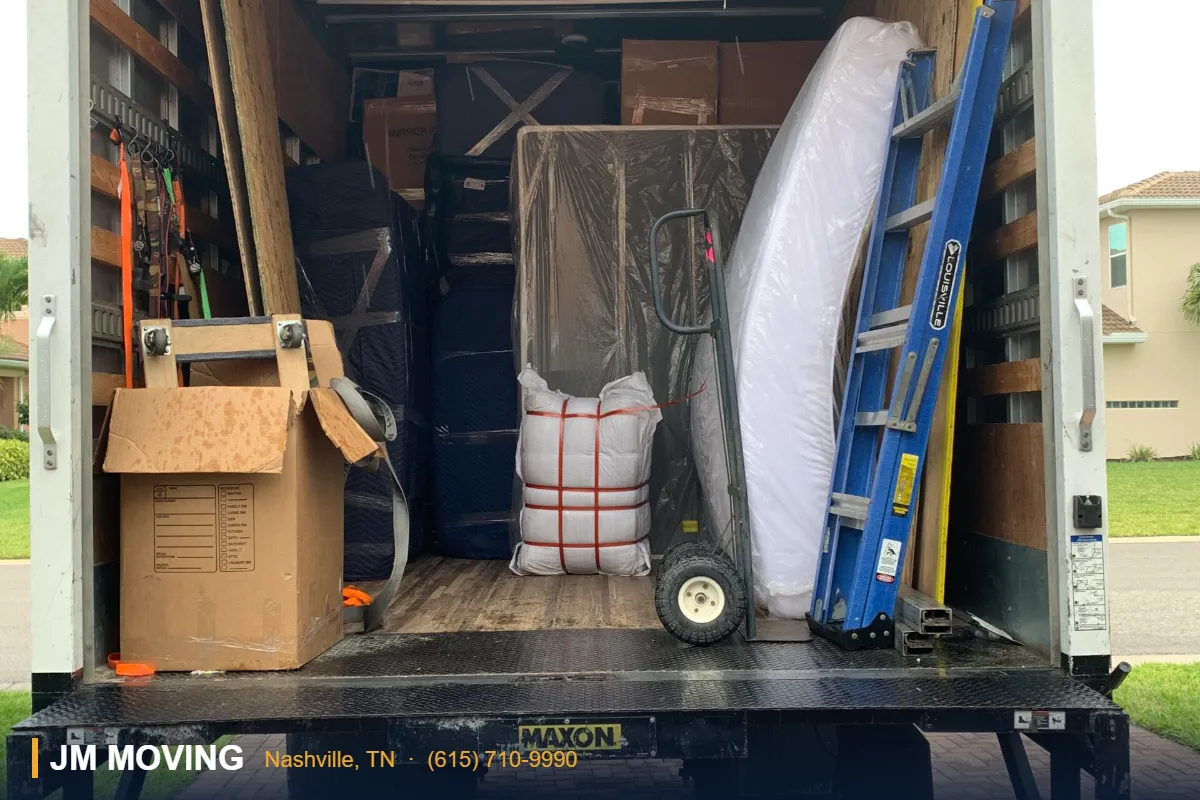
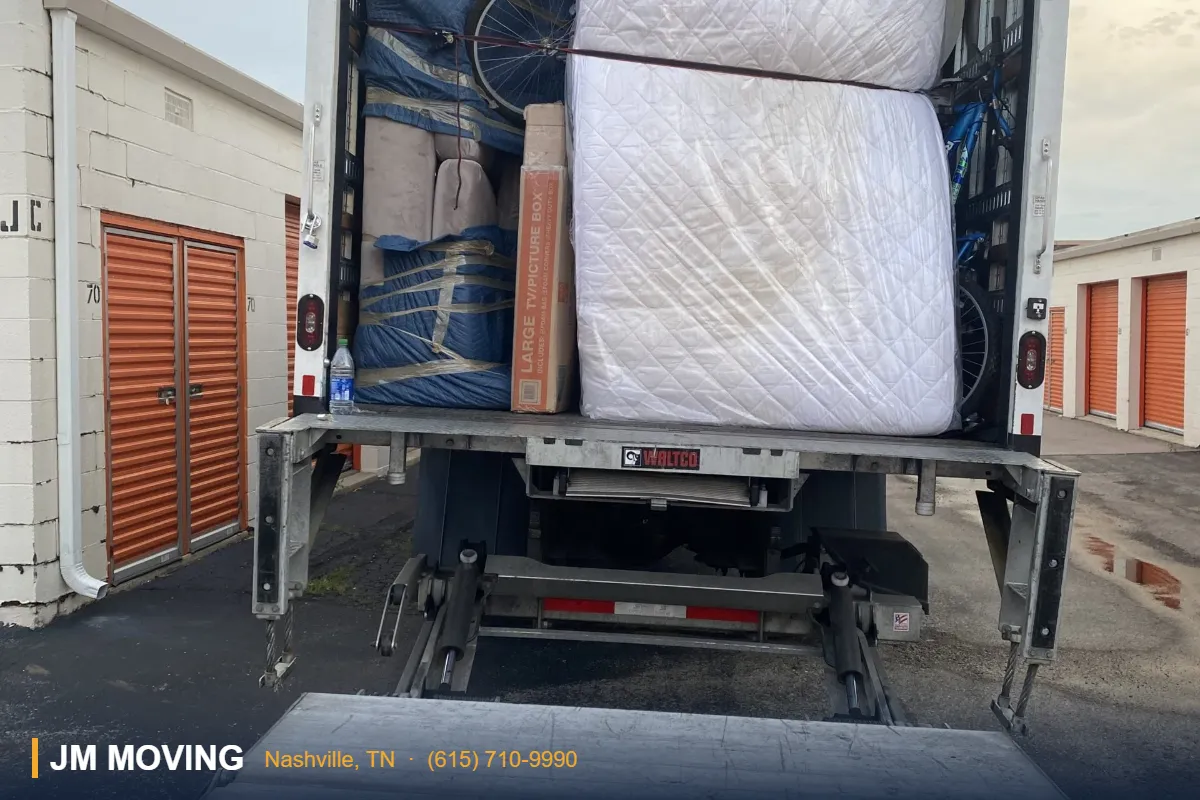
A Calm First Week for Pets in Nashville
Before the truck arrives, choose one quiet room at the new home for food, water, bedding, medication, litter supplies, and familiar toys. Close doors and windows before opening a carrier. Walk dogs on a leash while unloading is active, even inside a fenced yard, because an unfamiliar environment can change normal behavior. Confirm the nearest veterinary clinic and keep vaccination records available in your personal vehicle.
After unloading, introduce one room at a time instead of giving a pet immediate access to the entire home. Check gates, screens, balconies, crawl spaces, and gaps behind appliances. Keep meals and walks close to the old routine for the first several days. If an animal shows persistent distress, refuses food, or has a medical concern, contact a veterinarian. JM Moving can coordinate the household loading and placement plan while the customer keeps direct control of every pet throughout travel and move day.
A Six-Week Timeline for Moving to Nashville With Pets
Pets notice change long before the truck arrives. Boxes appear, furniture moves, and routines shift. A simple timeline for moving to Nashville with pets spreads the preparation out so your animals see a gradual change instead of one chaotic week. Adjust the dates to your own lease, closing, or job start.
Six Weeks Out
- Schedule a vet visit and ask for printed and digital copies of vaccination and medical records.
- Ask your vet whether your pet is healthy enough for a long car ride, and whether any travel medication makes sense.
- If you are renting in Nashville, read the lease pet policy carefully: deposits, monthly pet fees, and any breed, size, or number limits.
- If you are buying, check HOA rules on leashes, fencing, and the number of pets allowed.
- Look up veterinary clinics and emergency animal hospitals near your new address.
Four to Two Weeks Out
- Bring out carriers and crates early so pets can explore them and sleep in them.
- Take short practice drives if your pet is not used to riding in a car.
- Update microchip records with the new address and a phone number you will answer during the move.
- Order a new ID tag with your cell number so it works both before and after you arrive.
- Book pet-friendly hotels if your drive into Nashville takes more than one day.
The Final Week Before Moving Day With Pets
- Pack pet belongings last, and keep familiar bedding unwashed so it still smells like home.
- Refill prescriptions so you have enough medication for at least two weeks after arrival.
- Arrange a pet sitter, friend, or boarding for moving day if a quiet room is not possible.
- Assemble your pet travel kit and set it by the door with your personal bags.
What to Put in a Pet Travel Kit
A pet travel kit keeps everything your animal needs within reach while the rest of the household is packed on the truck. Keep it in your own vehicle, never in the moving load.
- Food for several days, plus a collapsible water bowl and bottled water.
- Medications, with dosing instructions written down.
- Vaccination records, microchip number, and a recent photo of each pet.
- Leash, harness, and a spare collar with ID tag.
- Waste bags, paper towels, and an enzyme cleaner for accidents.
- Litter box, scoop, and a small bag of litter for cats.
- Familiar blanket, bedding, and one or two favorite toys.
- Your vet’s phone number and the name of a clinic near your new Nashville home.
Pack the pet travel kit in a clear bin or a labeled tote so anyone in the family can find what they need quickly on moving day.
9 Essential Rules for Moving Day With Pets
Moving day with pets goes best when the animals and the crew stay in separate spaces. Doors stay open for hours, furniture blocks hallways, and unfamiliar people come and go. These nine rules keep pets calm and safe while the loading work continues.
- Set up a quiet room with water, bedding, and a litter box, and put a sign on the door so no one opens it.
- Tell the crew lead how many pets are in the home and where they are.
- Keep dogs leashed or crated whenever they are outside the quiet room.
- Load the quiet room last, after the rest of the home is empty.
- Feed a lighter meal in the morning to reduce the chance of car sickness.
- Take regular breaks to give dogs a short walk away from the loading area.
- Never leave a pet alone in a parked car, especially during Nashville summers.
- Do a final walkthrough to check closets, cabinets, and boxes before the truck leaves; cats in particular like to hide.
- At the new home, set up the quiet room first, before the crew starts carrying furniture inside.
Moving With a Dog to Nashville
Moving with a dog is mostly about exercise, routine, and security. A tired dog handles change better, so plan a long walk before the crew arrives and another before you leave the old home. Keep the leash on at the new house until you have checked every gate and fence line.
- Walk the new neighborhood on a leash for the first several days so your dog learns the routes home.
- Check HOA and apartment rules on leashes, shared lawns, and pet waste stations.
- Look for parks that allow dogs; on the west side, Percy Warner and Edwin Warner Parks are popular for leashed walks.
- Summer pavement can get hot, so plan walks for early morning or evening.
- If you are moving with a dog into an apartment, ask where the pet relief area is and which doors and elevators pets may use.
Moving With a Cat to Nashville
Moving with a cat takes a different approach. Cats often prefer to stay in one small space while everything else changes. Keep your cat in a closed room or carrier from the morning of the move until you are settled in a closed room at the new home.
- Use a hard-sided carrier with a towel over it during the drive to reduce stress.
- Set up the litter box, food, water, and a hiding spot in one room before letting the cat out of the carrier.
- Keep windows and screens closed for the first weeks, and check for gaps behind appliances.
- Expand access to the rest of the home gradually, one room at a time.
- If you are moving with a cat that hides under stress, leave the carrier open in the quiet room as a familiar retreat.
Other Pets: Birds, Fish, Reptiles, and Small Animals
Some pets need more planning than a crate and a leash. Talk to your vet or a specialist about the safest way to move each animal, and plan to carry them yourself rather than putting them on the truck.
| Pet type | Main concern | Planning tip |
|---|---|---|
| Birds | Drafts, temperature changes, and stress | Use a small travel cage and cover it partially during the drive |
| Fish | Water quality and temperature | Ask an aquarium specialist about transport bags and draining the tank |
| Reptiles | Heat and humidity control | Plan a temporary enclosure with a safe heat source |
| Rabbits and rodents | Heat stress and escape risk | Use a secure, ventilated carrier and keep it shaded |
Aquariums, terrariums, and cages can be packed and moved by the crew once they are empty and clean. Tell your mover about them when requesting an estimate so they are included in the inventory.
Driving Into Nashville With Pets From Out of State
If you are relocating from another state, moving to Nashville with pets usually means one or more long days in the car. Plan the route around your animals, not only around the fastest drive.
- Stop every few hours for water and a short leashed walk.
- Book pet-friendly hotels in advance and confirm any pet fees or size limits.
- Keep pets secured in a crate or with a car harness while driving.
- Carry health records in case a hotel, campground, or clinic asks for them.
- Check whether your pet needs any documentation to cross state lines by asking your vet before you leave.
After you arrive, check with Metro Nashville or your county for current pet licensing and rabies vaccination requirements. Requirements may vary by county, so confirm them with the local government for your address.
Choosing a Pet-Friendly Home in West and South Nashville
If you are still choosing where to live, a few practical questions help narrow the list when moving with pets.
- Belle Meade, West Meade, and Bellevue: Many homes have yards, and the Warner Parks are close by. Ask about fence height and gate condition during a showing.
- Green Hills and Forest Hills: Check whether the yard is fenced and how busy the street is for daily walks.
- West End, Midtown, and Downtown apartments: Ask about pet deposits, pet rent, weight limits, and where the nearest pet relief area is.
- Brentwood, Franklin, and Nolensville: Review HOA rules on fencing, leashes, and number of pets before signing.
- Sylvan Park and Oak Hill: Walk the block at different times of day to check traffic and sidewalk access.
Questions to Ask Any Mover About Working Around Pets
A professional crew should be comfortable planning around animals. These are fair questions to ask any mover, including JM Moving, before booking.
- Can the crew load the pet’s quiet room last and unload it first?
- How will the crew keep exterior doors closed or gated while working?
- Can we schedule an early start so the loading finishes before the hottest part of the day?
- Are pet crates, aquariums, and cages included in the written inventory?
- If our schedule changes because of a pet emergency, how should we contact you?
Settling In: The First Two Weeks
The first two weeks after moving to Nashville with pets set the tone for how your animals adjust. Keep feeding, walking, and bedtime routines close to what they were before the move. Unpack the pet area first so beds, bowls, and toys are in familiar positions.
Watch for changes in appetite, energy, or bathroom habits. Mild changes are common during the first few days. If a pet stops eating, seems unwell, or shows signs of illness, contact a veterinarian promptly. Register with your new Nashville vet early so records are on file before you need them.
Costs to Plan For When Moving With Pets
Moving with pets adds a few costs that are easy to overlook when budgeting. None of them are large on their own, but together they are worth listing so they do not come as a surprise.
- A pre-move vet visit, record copies, and any prescription refills.
- New ID tags, a sturdier crate or carrier, and a car harness.
- Pet-friendly hotel fees if the drive takes more than a day.
- A pet sitter or boarding for moving day.
- Apartment pet deposits, pet rent, or HOA registration at the new home.
- Local licensing after moving to Nashville with pets, depending on your county.
Actual amounts vary by provider and location, so request quotes directly. Moving costs are separate: JM Moving provides flat-rate written pricing for the household move itself, based on your inventory and access.
How JM Moving Helps Families Moving With Pets
JM Moving is a family-owned moving company with 23+ years of moving experience, based at 6430 Charlotte Pike in Nashville. We handle local moves, long-distance moves, packing, storage, and commercial moves with flat-rate written pricing. Our crews are available 24 hours a day, 7 days a week, including after-hours moves that can help when you want to avoid the heat or a busy weekday schedule. You stay in charge of your pets while our crew handles the loading, transport, and placement.
More Moving to Nashville With Pets Questions
Should my pets stay home on moving day?
If you can, have pets stay with a trusted friend, pet sitter, or boarding facility for the day. If they stay home, keep them in a closed quiet room with a sign on the door and load that room last.
Can pets ride in the moving truck?
No. Pets should always travel with you in your own vehicle, along with their pet travel kit, medication, and records. The cargo area of a moving truck is not a safe place for animals.
How do I help a pet adjust after moving to Nashville?
Start with one quiet room, keep routines consistent, and expand access to the home gradually. Walk dogs on a leash in the new neighborhood and contact a veterinarian if a pet stops eating or seems unwell.
Related Nashville Moving Resources
Explore local moving services, review long-distance moving, or request a written estimate. Interstate customers can also use FMCSA Protect Your Move.
