
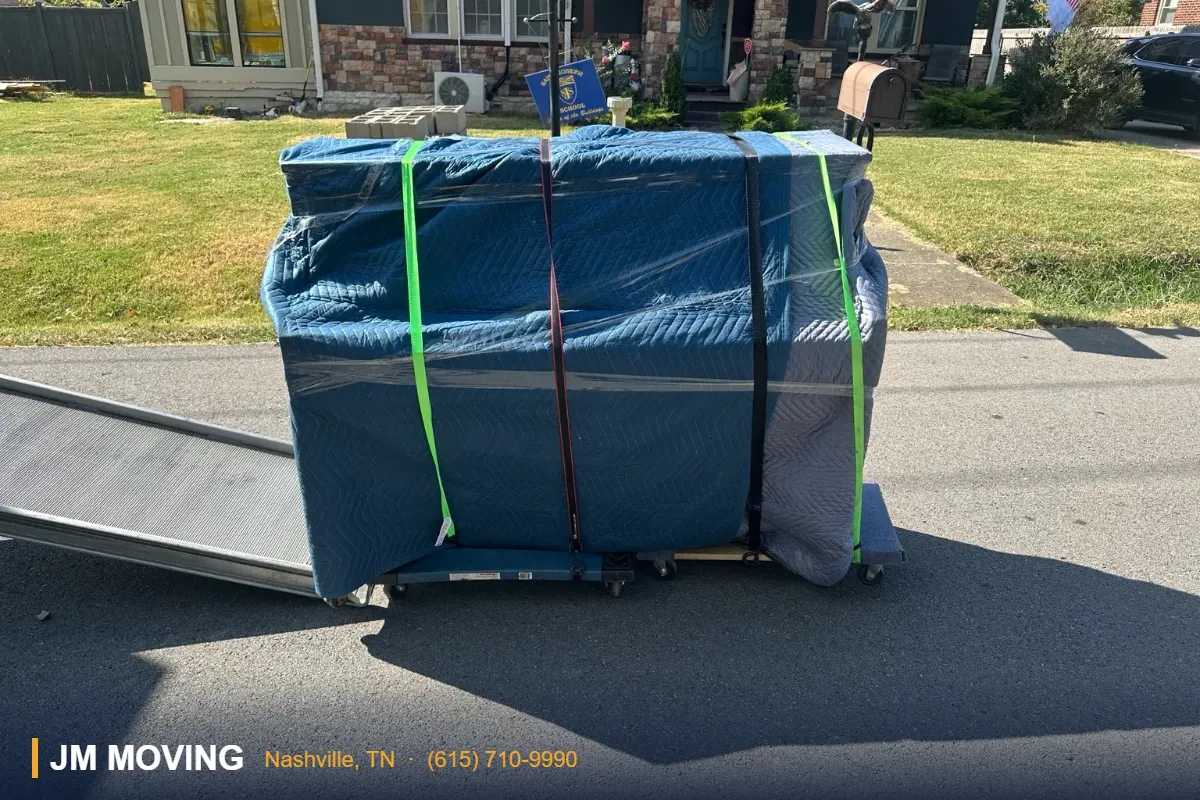
Nashville movers need accurate information about fragile items before pickup day. This JM Moving guide covers the preparation decisions that matter for glassware, framed pieces, delicate furniture components, and specialty objects. Use the checklist with the actual written estimate and the handling assessment for your items. It supports Nashville local move planning without treating every possession as if it needs the same packaging.
Build an item-specific preparation list
Walk through the home room by room. Identify objects that are easily overlooked inside cabinets, on high shelves, or in storage areas. Record what will move, who will prepare it, and where it should go. A short, accurate list is more useful than a long list copied from another household. Keep changes visible so the moving contact can review the current scope.

1. Photograph the item and the complete carry route
Start with the object as it is currently displayed, then photograph the path to the loading location. For a framed piece, record the frame, backing, hanging hardware, and any existing damage. For a cabinet containing glassware, show the shelves and the contents separately. Include narrow hallway turns, steps, thresholds, and the entrance. A crew cannot assess a stair landing from a close-up of a vase. Share these images privately with the moving contact and identify the item in the written inventory. Do not present images of your possessions as a substitute for an actual handling assessment.
2. Separate ordinary breakables from specialty items
Make separate groups for everyday dishes, unusually large glass objects, mirrors, artwork, electronics, and instruments. A piano requires a different assessment from a kitchen carton. Heavy pieces and delicate pieces can overlap, so explain both weight concerns and fragile components. Identify anything that is loose, previously repaired, or difficult to grip. Tell JM Moving before the estimate discussion if a baby grand piano or heavy safe is included. This guide does not promise that the same packaging, crew, or equipment works for every fragile object. The item and the access route determine preparation.
3. Agree on who performs the packing
Before moving day, identify which cartons you will pack and which preparation you want the moving team to handle. Record responsibility for individual specialty objects rather than relying on a broad phrase such as careful moving. A carton that the customer packed may conceal information the crew cannot see. Explain whether contents are individually protected and whether anything is loose. Discuss packing materials and the agreed service scope directly. Do not assume that every published guide creates an automatic service inclusion or sets a packing-only price. The actual estimate controls the agreed work.
4. Choose cartons that support the contents

A used carton should be clean, dry, and structurally sound. Inspect the base, corners, and handles before filling it. Avoid cartons that sag or have softened from moisture. Use an appropriate carton size so heavy contents do not make a large box difficult to handle. Cushioning needs to prevent movement inside the carton; a fragile label alone does not provide protection. Ask about suitable packing for an unusual object instead of forcing it into a convenient box. Close and support the base using the method appropriate to the carton and its contents.
5. Keep fragile parts from touching one another
Plan separation between individual breakables and between the contents and the outer carton. Pay attention to rims, stems, handles, and projecting details. Loose objects can strike one another during handling even when the carton appears full. Use material suitable for the surface and object rather than assuming one wrapping material is universally safe. Antiques, painted finishes, and valuable artwork may need specialist advice. If an object has a known weak repair, disclose that fact before packing. A preparation checklist cannot establish that every old or delicate item can safely travel in ordinary household cartons.
6. Keep detachable hardware with the correct furniture
Remove only components that you or the responsible professional can safely remove. Label bags or containers with the furniture name and destination room. Keep shelf supports, screws, and other small parts in a way that prevents them from scratching the finish or getting lost among packing materials. Do not place loose metal parts against glass or painted surfaces. Record whether shelves or doors have been detached. If you are unsure how a component comes apart, leave the assessment to the appropriate professional rather than using force. Piano mechanisms and attached fixtures deserve particular caution.
7. Record orientation and handling information clearly
Write practical information that the crew can act on: which side opens, where the contents are located, and whether a component is loose. Avoid vague markings that could be misunderstood. Use readable labels on more than one visible side when appropriate. Describe a specialty item’s handling requirements to the moving contact rather than assuming that an arrow on a carton communicates the full assessment. Some objects require professional packaging that ordinary labels cannot replace. Keep the written inventory and labels consistent so the crew can identify the same piece during loading and delivery.
8. Make the pickup area ready without exposing the furniture
Clear clutter from the carry route and identify obstacles that remain. Arrange for children and pets to be safely away from active loading work. Keep any packing station organized so loose materials do not create a trip hazard. Do not strip protection from furniture just to make it look ready for a photograph. Discuss floor and doorway protection with the team where the actual job requires it. In a Nashville condo, confirm the building’s loading and elevator instructions directly with management. Each property has its own restrictions; another building’s rules are not a reliable substitute.
9. Prepare the destination before unloading begins
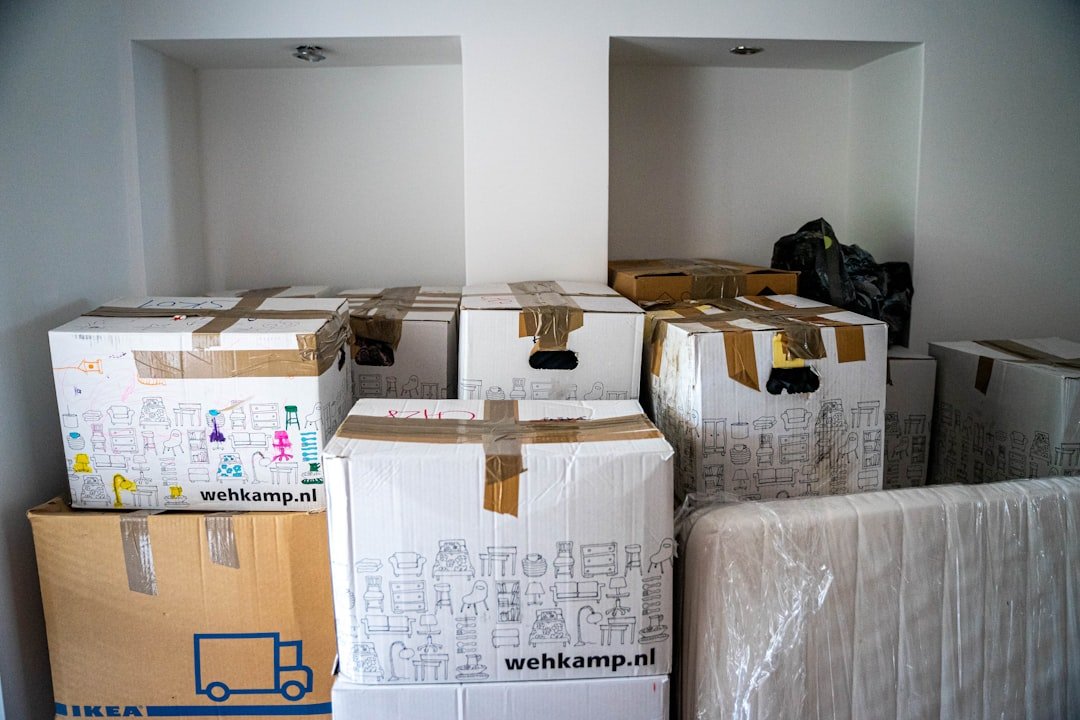
Choose a temporary staging area for fragile cartons that is dry, clear, and out of the main traffic route. Mark the intended rooms consistently with the carton labels. Tell the responsible contact which items should remain packed until a suitable area is available. Do not direct a crew to leave a fragile carton somewhere that will soon be blocked by furniture. If the home layout changes, update the room names before unloading decisions multiply. A practical placement plan reduces confusion, but it does not guarantee a specific move duration or an outcome for every object.
10. Inspect and unpack in a controlled order
Start with the carton label and recorded item identity. Open cartons in a stable area, keeping packaging until the contents have been checked. Look for loose components, missing hardware, and any concern that needs to be described to the moving contact. Photograph observations without assuming a cause before the facts are reviewed. Retain the service documents and follow the agreed process for raising concerns. Unpacking slowly is especially useful for mixed cartons where a small fragile piece can hide in cushioning. Do not discard protective materials until you have confirmed that all expected parts have been located.
Fragile-item preparation record
| Item group | Record before pickup | Confirm with the moving contact |
|---|---|---|
| Glassware | Carton contents and loose pieces | Packing responsibility and suitable cartons |
| Framed artwork | Dimensions, frame condition and backing | Item-specific protection and access assessment |
| Furniture components | Detached shelves and labeled hardware | Disassembly responsibility |
| Piano or other specialty piece | Model, dimensions, stairs and route photographs | Professional handling and equipment assessment |
Pickup readiness checklist
- Send the current fragile-item inventory.
- Disclose existing damage and loose components.
- Confirm who prepares each item.
- Check carton condition and labels.
- Clear the route and identify the delivery staging area.
Connect preparation to your Nashville move plan
Use the room inventory checklist to identify the contents, the packing scope guide to assign responsibility, and the access guide to describe the route. These related guides address different decisions and help keep your estimate discussion specific.
Use a readiness status for each fragile item
A useful pickup list separates items that are ready under the agreed packing plan from items that still need a decision. Mark an uncertain item “assessment needed” and describe the actual question: a loose frame corner, an unknown material, a previously repaired handle or a component that has not been safely detached. Do not mark the item ready merely because it has been placed beside the other cartons.
For items prepared by the household, record who packed them and what information the moving contact needs. Keep the record factual. A closed carton may contain fragile pieces, but the crew cannot verify invisible packing details from the outside. Discuss concerns before pickup, and do not represent household packing as professional packing in the inventory.
Separate conservation questions from moving preparation
Packing a delicate object for transport does not repair existing damage. Avoid last-minute cleaning, gluing, polishing or frame alterations simply to make an item look ready. If an heirloom or artwork appears unstable, ask whether an appropriate specialist should assess it before the moving plan is confirmed. The right response depends on the actual material and condition.
The Library of Congress collections-care resources provide background guidance for photographs, albums, paper and other collection formats. They are not a job-specific handling assessment. Do not assume that advice for one material applies to every mixed-material object, painted finish or glass component.
A hypothetical fragile-carton handoff
Imagine a household preparing ordinary glassware, framed photographs and one repaired decorative object. The owner identifies the repaired piece for separate review, while the ordinary cartons receive inventory codes and destination labels. The packing responsibilities are recorded before the crew arrives. At delivery, the receiving person checks the codes and opens the prepared cartons in a clear workspace.
The unresolved item follows its separately agreed instructions instead of being silently added to the ordinary packing group. This example shows how to keep a specific concern visible without delaying decisions about unrelated items. It does not describe an actual customer job or guarantee that any object can be moved without damage.
Frequently asked questions
What should I send before a fragile-item estimate?
Send an inventory, photographs of the items, and photographs of the complete access route. Include dimensions and known damage or loose parts. Tell the contact whether packing help is requested.
Is a fragile label enough?
No. The carton must support its contents, and the contents need appropriate separation and cushioning. A label communicates information; it does not prevent objects from moving or striking one another.
Can I pack valuable artwork myself?
Discuss the specific artwork and its condition first. Valuable or unusual pieces may need specialist preparation. This guide does not establish a universal packing method for every surface, frame, or medium.
Should I dismantle a baby grand piano?
Do not attempt unfamiliar piano disassembly. Arrange an assessment by an experienced professional and disclose the instrument, stairs, and carry route before the moving plan is confirmed.
How should I label hardware?
Use the furniture name and destination room, then keep the labeled parts secure and separate from surfaces they could scratch. Record detached components in the inventory so they can be checked later.
Can used cartons work?
Only if they remain suitable for the contents. Reject cartons that are damp, crushed, soft, or structurally damaged. Ask for guidance when the contents are unusually heavy or fragile.
Do all buildings have the same loading rules?
No. Confirm the actual building’s elevator, loading, and access rules with management and share the confirmed instructions. Avoid relying on another building’s policy or an unconfirmed reservation.
Where should fragile cartons go at delivery?
Choose a dry, stable area outside the main traffic route. Match the room labels to the current floor plan and keep cartons protected until there is space to unpack them safely.
What if I find a concern while unpacking?
Record the item and the observation, retain the relevant packaging and documents, and contact the company through the agreed process. A photograph helps communicate facts but does not establish a legal conclusion.
How do I discuss fragile items with JM Moving?
Call (615) 710-9990 with your Nashville addresses, proposed date, inventory, and access details. Ask for confirmation of the preparation and service scope for your specific move.
Discuss fragile-item preparation
Contact JM Moving at (615) 710-9990 for your Nashville local move. Share the items and access details before confirming the scope. Your Move. Our Mission.
Flat Rate King JM Moving Nashville
