
Moving Day Tips Nashville: 15 Ways to Save Time | JM Moving
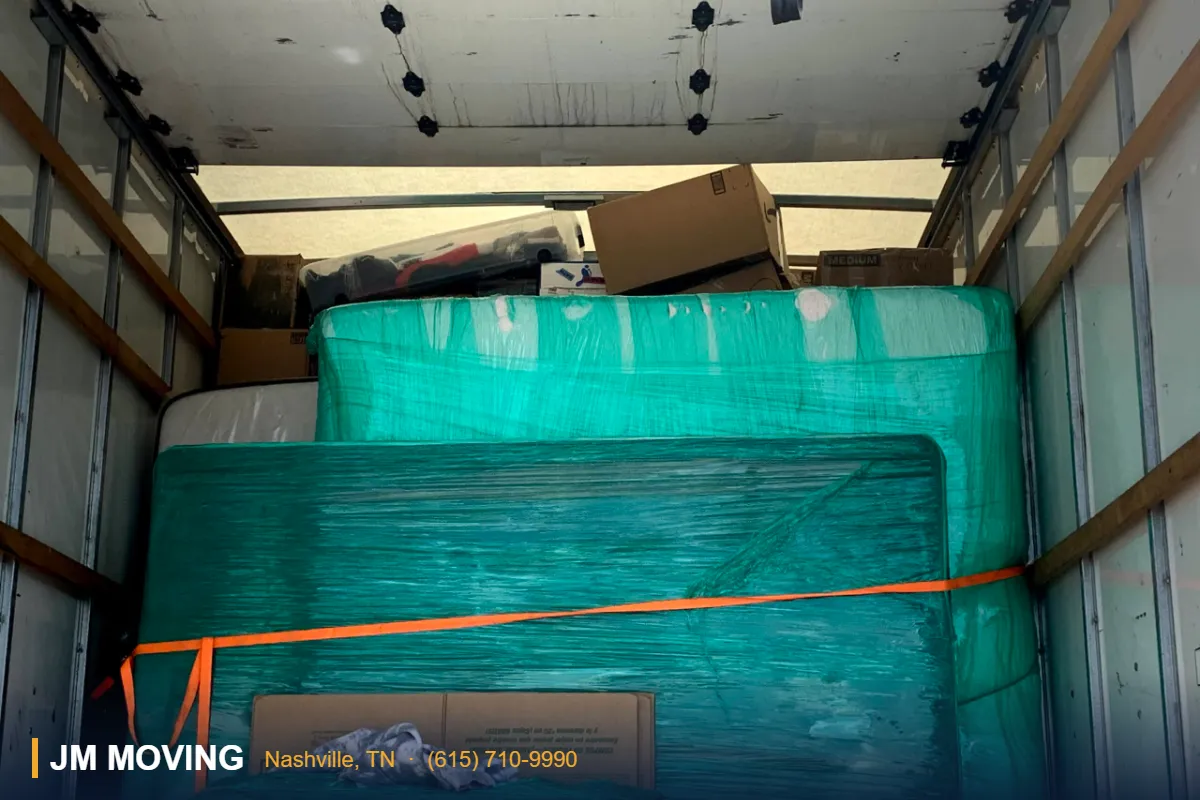
Moving day tips Nashville customers can follow make the day easier before the first box reaches the truck. Everything can feel urgent at once: someone cannot find the phone chargers, essential bedding is still unpacked, and the crew is ready while the final boxes remain open. That scene is preventable. These moving day tips cover every stage, from the morning timeline to the first night in the new home, so you begin prepared instead of scrambling.
Most moving day chaos isn’t random. It comes from skipping the same handful of steps that experienced Nashville movers flag on every job. The team at JM Moving, the Flat Rate King, has observed what separates a smooth move from a chaotic one across Nashville-area and Tennessee intrastate relocations. These 15 tips represent the condensed version of that on-the-ground experience.

Follow this guide and you’ll have a working moving day timeline, a packed essentials bag, a moving day checklist for delays, and no pricing surprises when the truck pulls up.
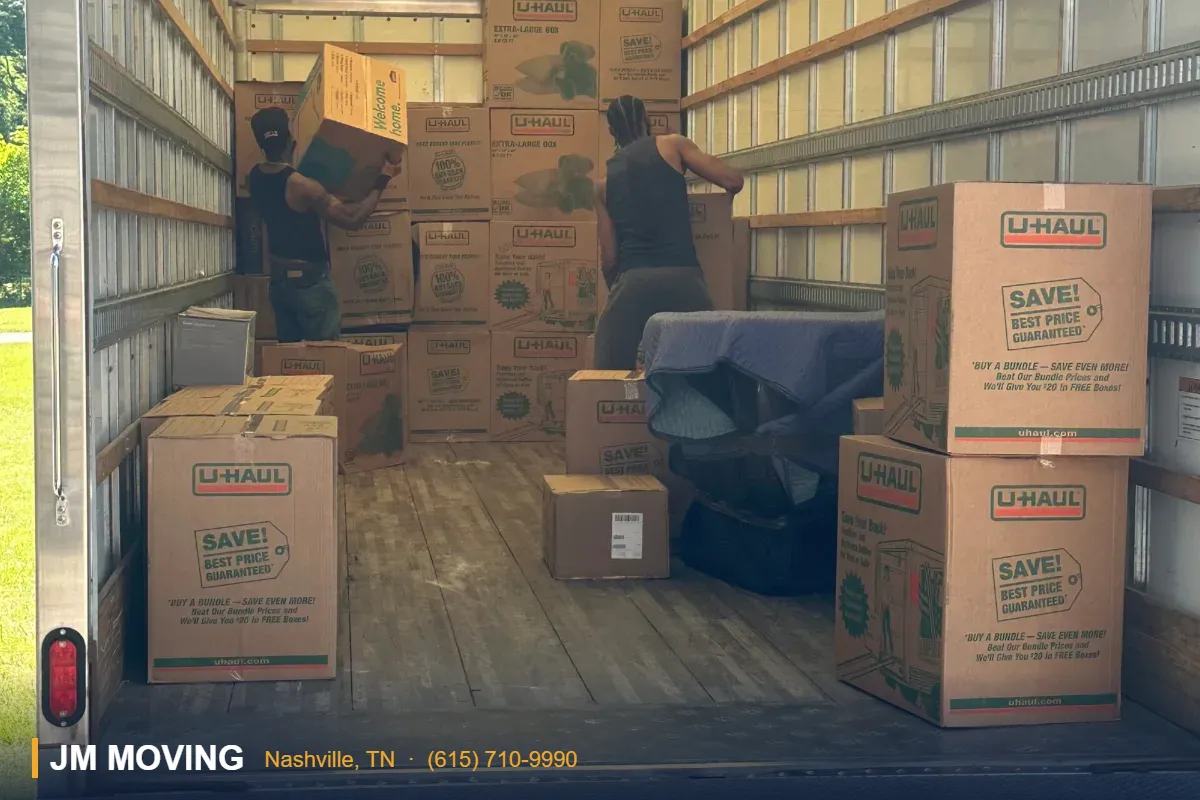
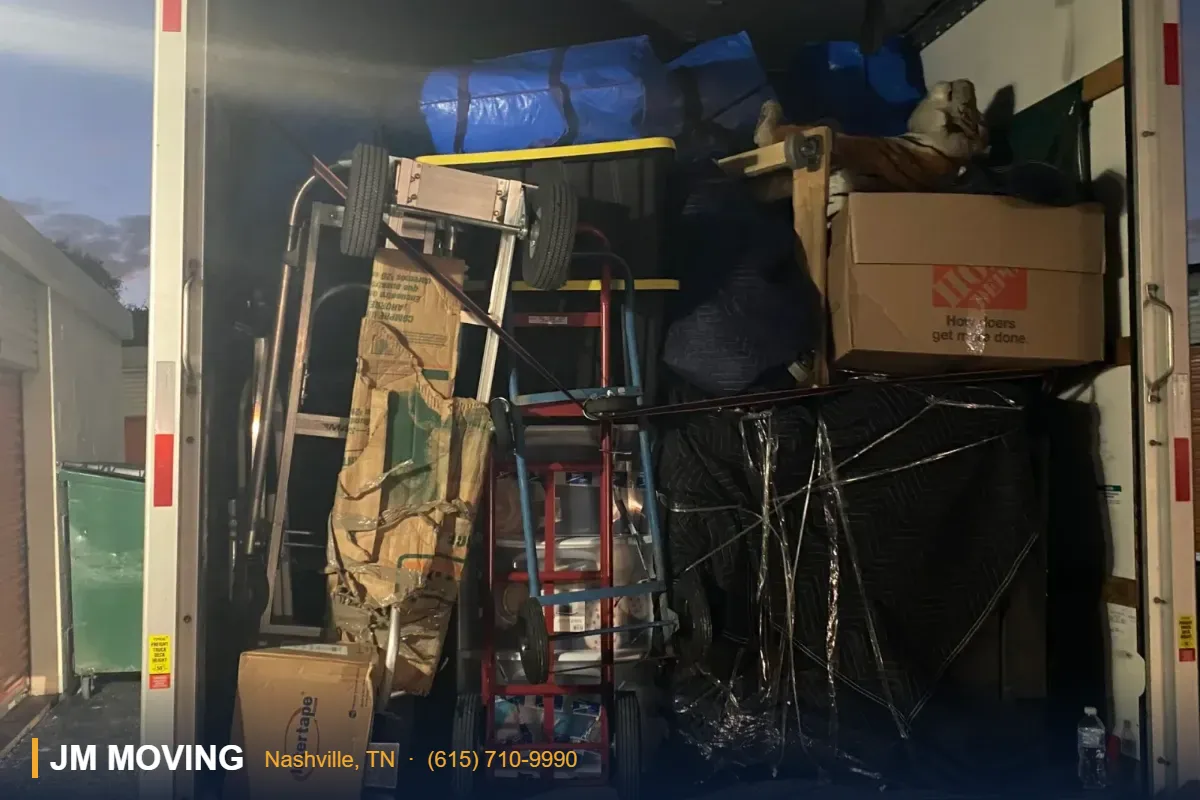
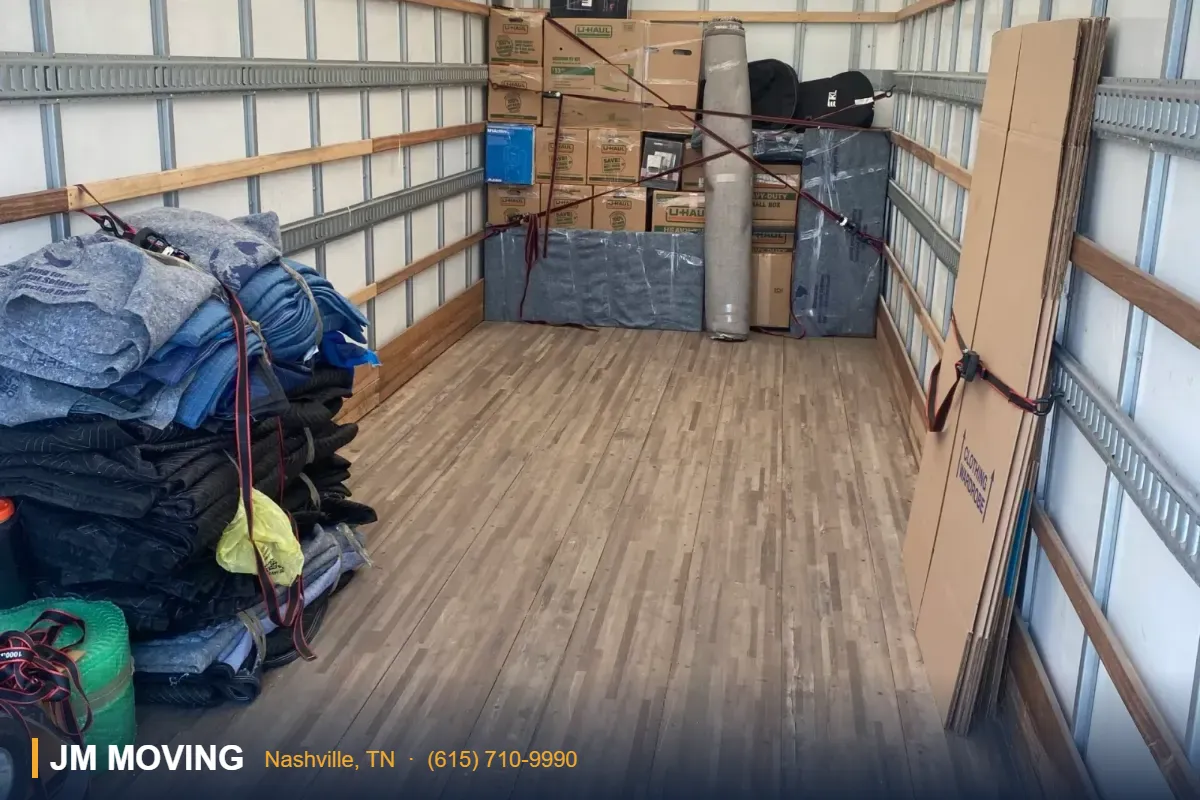
1. Build your moving day timeline around an early start
Tip 1: Wake up at 6:00 AM and protect that first buffer hour
The recommended sequence is straightforward: wake up, shower, eat, and have your essentials gathered by 7:00 AM. Use the next 30 minutes for a final walkthrough, and be fully ready when the crew arrives at 8:00 AM. That two-hour window isn’t padding; it’s your safety net for every small thing that takes longer than expected. Moving professionals consistently recommend this kind of buffer as a core element of any solid moving day timeline.
Starting early also matters financially. On an hourly pricing model, a delayed start runs the clock longer, and that costs real money. The goal is to hand the crew a clean, organized, ready-to-load home, not to be sealing boxes while they wait by the truck.
Tip 2: Do a room-by-room final walkthrough before movers arrive
Walk every room with purpose: open every closet, check under every bed, look inside the dryer, check the attic, the garage, the medicine cabinet, and the outdoor storage areas. A missed item discovered after the truck leaves creates a second trip, and that costs both time and money.
While you’re at it, label each room in the new home with color-coded tape or sticky notes. Tape “MASTER BED” on the correct door before the crew arrives so no one guesses where the dresser goes. Clear destination labels cut unloading time significantly and prevent furniture from being moved twice.
Tip 3: Prep appliances and electronics the night before
A refrigerator needs at least 24 hours unplugged and dried before it can safely go on a truck. If you’re thinking about this on moving morning, you’re already behind. The evening before, unplug and coil cords, drain hoses, turn off water supply lines, and secure any loose shelves or trays inside appliances.
For gas appliances, a licensed technician needs to disconnect the line. That appointment should be scheduled well before moving day, not scrambled together during it. Getting this wrong isn’t just inconvenient, it’s a genuine safety hazard that can affect everyone in the home.
2. Moving day tips: what goes in your essentials bag and what never goes on the truck
Tip 4: Pack a moving day survival kit the night before
The essentials bag rides in your car, not the truck. Think of it as a portable first-night checklist: everything you need to function if every other box disappeared. Pack it the evening before so it’s done and completely out of your head on moving morning. This is one of those moving day checklist items that sounds optional until you’re hunting for your toothbrush at midnight.
- Toiletries: toothbrush, toothpaste, soap, shampoo, deodorant, and toilet paper
- Clothing: a change of clothes and pajamas for each person
- Charging essentials: phone charger and a portable power bank
- Medications and a small first-aid kit
- Snacks, water, and a simple meal option
- Cleaning basics: paper towels, all-purpose wipes, and a trash bag
- A box cutter for unpacking at the new home
- Bedding or a sleeping bag for your first night
Tip 5: Keep valuables and important documents on your person all day
Passports, IDs, lease or closing papers, cash, medications, jewelry, external drives, and irreplaceable photos do not go on the truck. Use your essentials bag or a dedicated backpack that stays in your vehicle throughout the entire move.
Review the written protection and liability terms that apply to your specific move before moving day. Coverage options and requirements can vary by move type and jurisdiction, and sentimental value may not be recoverable. A valuable item kept securely with you is better controlled than one placed in the moving load. For high-value belongings, ask your insurance provider whether additional coverage is appropriate.
Tip 6: Know the no-load list before the truck arrives
Movers won’t transport flammables (gasoline, propane), aerosol cans, pool and lawn chemicals, corrosives, or perishable food. These restrictions are backed by federal FMCSA hazardous materials regulations. If you have any of these items, use them up, dispose of them responsibly, or transport them in your own vehicle where local rules allow.
Pets and live plants also belong in your car. Both need consistent temperature control and hands-on attention throughout the trip, conditions a cargo space simply can’t provide. If you have a pet, pack their food, water, a favorite toy, and any medications in an easily accessible bag so the day stays as low-stress for them as possible.
3. Moving day tips for communicating with your moving crew
Tip 7: Walk movers through the entire home before loading starts
The first 10 minutes with the crew are the most valuable of the entire day. Point out fragile or high-value items, any zones marked “do not load,” and access constraints like narrow hallways or tricky staircase turns. Getting this right at the start prevents the mid-move “wait, that wasn’t supposed to go” conversation.
Share a simple floor plan of the new home so movers know where each item lands on arrival. It doesn’t need to be elaborate; a rough sketch with room labels is enough to cut unloading time and keep furniture from ending up in the wrong place.
Tip 8: Label every box with the destination room, not the origin room
This is one of the most consistent labeling mistakes on any move. The crew unloading the truck doesn’t know your old apartment layout. They need to know the blue box goes to the master bedroom at the new place, not that it came from “bedroom 2” at the old one.
For fragile or priority boxes, add a brief contents note: “Master Bed, FRAGILE, lamp base and nightstand mirror.” A specific label gets specific handling. A vague label gets treated like every other box on the truck.
Tip 9: Designate one point person for the day
When multiple people give simultaneous directions to movers, decisions slow down and errors happen. One person handles all mover questions and communication for the day. Everyone else takes on supporting tasks: managing kids, handling the walkthrough list, or setting up move day essentials at the new home.
Keep your phone charged and accessible throughout the day. The crew may need quick decisions on furniture placement, parking changes, or access issues that can’t wait. A dead phone on moving day creates real problems.
4. Choose a flat-rate mover before moving day to avoid pricing surprises
Pricing is the area where moving days most often go sideways. Before jumping into the tips below, keep this in mind: everything else on your moving checklist runs more smoothly when you already know exactly what you’re paying, and you have it in writing.
Tip 10: Always get a written estimate, not a verbal one
A verbal quote has no weight when there’s a dispute. A written estimate, whether flat-rate or binding hourly, is the document that protects you if costs shift on the day of the move. Get it in writing before you commit to anything.
Know the difference between the two pricing models. Flat-rate moving means one set amount based on home size and distance, regardless of how long loading takes. Hourly pricing means you pay for time, which can expand. Both are legitimate; the key is knowing exactly which one you agreed to before the truck shows up. Watch for movers who refuse to put pricing in writing, add large fuel surcharges on moving day, or demand full payment before unloading is complete.
Tip 11: Book with a transparent mover so there are no surprises at the door
Choosing the right company matters as much as any day-of logistics. JM Moving, Flat Rate King, for example, publishes pricing by home size, confirms everything in writing, and operates with no hidden fees. Before signing with any mover, verify that they are licensed and insured, confirm their availability on your move date, and ask for a written copy of their pricing terms so you know exactly what you’re agreeing to.
Book with a company that offers a free estimate, confirms everything in writing, and has verified reviews you can read before signing anything. A trustworthy mover removes uncertainty before moving day starts, not after.
5. Handle unexpected delays without losing momentum
Tip 12: Build buffer time into every block of your schedule
Underestimating how long a move takes is one of the most consistent mistakes in any relocation. Take your best estimate for loading time and add 25 to 30 percent. Do the same for transit and unloading. Then build your moving day timeline accordingly.
Do not book anything critical, a key return, a utility appointment, or a childcare pickup, immediately after the move is supposed to end. Leave a minimum two to three hour gap. The one time you skip that buffer is the one time the elevator reservation runs over or traffic adds an hour to the drive.
Tip 13: Confirm access, parking, and elevator reservations at both locations the day before
Many delays come from logistics no one checked in advance: no legal parking near the entrance, an elevator that required a reservation 48 hours ahead, or a building manager who needed written notice. These are fixable problems, but only if you catch them before moving day morning.
The day before your move, add a call to both buildings to your moving day checklist. Confirm truck parking access, whether the freight elevator needs to be reserved, and that you have all keys and access codes ready. Have a backup parking plan in case the reserved spot is blocked when the truck pulls up.
Nashville event-day moving plan: protect access before the truck arrives
Concerts, soccer matches, fairs, festivals, and downtown celebrations can change traffic flow, parking availability, and loading access even when your address is several blocks away. Before a Nashville move, check the event calendar for both addresses and the route between them. The goal is not simply to avoid traffic; it is to protect the legal loading space, elevator window, and building access that your written moving plan depends on.
For a current example, Nashville has several major activities during September 25–27, 2026, including the city’s first Dolly Day and a Nashville SC home match at GEODIS Park on Saturday, September 26. The official Nashville SC schedule lists the match at 7:30 p.m., while The Fairgrounds Nashville confirms the GEODIS Park location. Customers moving near Wedgewood-Houston, Berry Hill, Downtown, Music Row, or major interstate approaches should plan for extra traffic and recheck access shortly before the crew departs.
Event-day access checklist for Nashville moves
- Check both addresses: review events near the pickup and delivery location, not only the destination.
- Map the truck route: look for stadium traffic, street closures, construction, low-clearance routes, and restricted turns.
- Confirm loading space: verify whether a loading zone, driveway, or building dock remains available during nearby events.
- Protect reservations: reconfirm freight elevators, loading docks, gate codes, and permitted moving hours 24–48 hours before the move.
- Share photos: send current photos of the entrance, stairs, driveway, parking area, and any long carry from the curb.
- Separate essentials: keep medication, documents, chargers, water, keys, and first-night supplies in your own vehicle in case traffic extends the day.
- Update the written scope: disclose event-related access changes before move day so the estimate reflects the actual inventory, services, and conditions.
Questions to ask before an event-weekend move
Ask whether the mover has the complete inventory, both access descriptions, the planned arrival window, and a named point of contact. Confirm which services are included, which items need special preparation, and how an unavoidable access change would be handled. JM Moving’s written moving estimate guide explains what to compare before booking, and the Nashville moving-day checklist covers the final preparation steps.
A useful event-day plan turns local information into practical decisions: when to start, where the truck can stop, how the crew enters, and what must be confirmed in writing. For a Nashville move, request a written flat-rate quote based on the disclosed inventory, services, distance, and access conditions before move day.
6. Set up your new home smart from the moment you arrive
Tip 14: Walk through the new home before unloading starts
Before the first box comes off the truck, walk through the new place with the crew leader. Confirm where large furniture goes in each room and point out any tight spots, fragile flooring, or areas to avoid. A five-minute conversation at this stage prevents heavy furniture from being placed in the wrong room and moved a second time.
Photograph every room before anything is unloaded. If there is existing damage at the new home, this is your documentation. It protects you if there’s ever a question later about what was there when you arrived versus what happened during the move.
Tip 15: Open your essentials bag first and leave every other box for tomorrow
After a full moving day, attempting to unpack everything is a reliable path to exhaustion and poor decisions about where things should permanently live. The essentials bag you packed the night before already covers everything you need for a functional first night.
Set up the bed, plug in the chargers, and put the rest on pause until morning. Unpacking with a clear head and a full night of sleep produces far better results than unpacking at 11:00 PM out of a sense of obligation. The boxes will still be there tomorrow.
Frequently asked questions
How early should I start on moving day?
Most moving professionals recommend starting your morning at 6:00 AM to give yourself two hours before the crew arrives. Use that time to eat, complete a final walkthrough, gather your essentials bag, and clear pathways through the home so the crew can begin loading immediately. Following this moving day tip alone eliminates a significant portion of common morning delays.
What should I never put on a moving truck?
Flammables, propane tanks, aerosol cans, pool and lawn chemicals, corrosives, perishable food, live plants, and pets should never go on the truck, per FMCSA hazardous materials guidelines. Carry important documents, cash, medications, jewelry, and personal electronics with you in your vehicle.
What is flat-rate moving and why does it matter on moving day?
Flat-rate moving means you pay a single set price based on your home size and move distance, with no added charges for time or extra stops. You eliminate the risk of an hourly estimate expanding into a much larger bill by the end of the day, which is why locking in flat-rate pricing is one of the most practical moving day tips on this list.
How do I keep movers on schedule?
Have everything packed and ready before the crew arrives. Designate one point person for all decisions, confirm parking and elevator access the day before, and add a 25 to 30 percent buffer to your time estimates for each phase of the move.
Should I confirm parking before moving day?
Yes. Confirm legal truck parking, loading-zone rules, driveway access, and any neighborhood or building restrictions at both addresses.
How should I prepare Nashville apartment access?
Reserve the elevator, confirm permitted moving hours, collect gate or door codes, and tell management the expected arrival window.
Where can I find a room-by-room preparation guide?
Use JM Moving’s room-by-room mover preparation guide to organize bedrooms, kitchens, living areas, garages, and entry routes.
What if my inventory changes before moving day?
Notify the moving company before the scheduled date. Added furniture, boxes, stairs, or services can change the labor and written scope.
What should I check before the crew leaves?
Complete a final walkthrough, inspect closets and storage areas, verify the moving vehicle is empty, and confirm furniture placement.
How can I prepare fragile belongings?
Review JM Moving’s fragile-item packing guide, use suitable cushioning, label boxes clearly, and disclose unusual items before loading.
The difference between a smooth move and a stressful one
A smooth moving day is not a matter of luck. It’s the result of a clear morning timeline, a ready essentials bag, strong crew communication, locked-in pricing, and a smart arrival process at the new home. Every one of those factors is within your control before the truck ever leaves the driveway.
When you put these moving day tips into practice, most of the common stress points disappear before they have a chance to develop. Knowing your price is locked in before the crew shows up handles one side of the equation. Handling the logistics early, not on moving morning, handles the other. A flat-rate mover and a well-prepared plan are consistently the two factors that separate a smooth move from a chaotic one.
Moving Day Tips Nashville Neighborhoods Call For
The 15 tips above work anywhere, but a few local details belong on the moving day checklist Nashville residents often overlook. Street layout, building rules and HOA policies differ across west and south Nashville, and each one can change how quickly the crew loads and unloads.
- West End, Midtown and Downtown: reserve the freight elevator, ask whether the building needs a certificate of insurance, and confirm the allowed moving hours.
- Sylvan Park and Green Hills: narrow streets and street parking can limit where a truck stops, so ask neighbors the night before to leave space in front of the home.
- Belle Meade, Forest Hills and Oak Hill: long or sloped driveways can lengthen the carry to the truck, so mention them when you request an estimate.
- Brentwood, Franklin, Nolensville and Bellevue: check HOA rules on truck hours and parking before you confirm a start time.
Moving Preparation Nashville Crews Appreciate
Good preparation starts with a clear path from the front door to the curb, pets secured in a closed room, and a written note of anything that stays behind. JM Moving arrives with a 26-foot box truck, so plan a parking spot long enough for it at both addresses. If your plans change late, JM Moving is available 24 hours a day, 7 days a week, including after-hours and emergency moves.
Before the crew arrives, run through a short moving day checklist: essentials bag in the car, box labels facing out, and walkways clear. Post your moving day timeline where everyone can see it so the household knows when loading starts, and confirm your flat-rate moving estimate matches the final inventory. These moving day tips help Nashville movers load safely and keep the day on schedule.
For help beyond moving day, see our local moving services and packing services, or request a free written quote.
More Moving Day Questions
Do I need to save parking for the moving truck?
Yes. Most local movers Nashville residents hire need a legal spot close to the entrance. Clear a space long enough for a 26-foot box truck and confirm any building or HOA rules at both addresses.
What Nashville moving tips help with apartment moves?
Reserve the elevator early, confirm permitted moving hours, and share gate or door codes with the crew lead before arrival.
Can Nashville movers help with a same-day or late-night move?
JM Moving takes after-hours and emergency moves 24 hours a day, 7 days a week. Call (615) 710-9990 to check availability for your date.
If you are planning a local or Tennessee intrastate move in the Nashville area, request a written flat-rate estimate from JM Moving, the Flat Rate King, by calling (615) 710-9990 or contacting our team. Ask about current availability, pricing terms, and the services included before booking.
Put these tips to work with our local movers in Nashville TN, our apartment movers for elevator and parking-lot logistics, or a written quote from our flat rate movers Nashville team.