
When the household cannot complete a full walkthrough, a focused item-photo record can clarify a specific furniture or packing question. For a local Nashville request, identify the actual item, the information each image supplies, and the room or route facts still missing before asking JM Moving to review it. Keep focused photographs connected to the wider inventory so an attractive close-up is not mistaken for a complete household survey or a confirmed final estimate.
Define the specific question before taking more pictures
Name the furniture piece or container group and state what the provider needs to review: identification, dimensions, visible components, preparation status, or an access question. Keep that question with a consistent item identifier. A gallery of unlabeled household pictures can create more work without explaining which information is relevant.

Ask the move contact which additional views or facts would clarify the actual request. Do not assume a focused item review replaces the complete inventory or property assessment. State what has already been supplied and what remains unavailable. The goal is to answer a concrete question with accurate information rather than send a large image collection that appears comprehensive but omits important context.
Use actual current photographs of the requested item
Provide images of the actual belongings and configuration involved in the move. A similar product photograph or an old image may help identify a model only when its source and limitations are clearly stated; it should not be presented as the current condition or location. Keep the survey factual rather than changing the appearance to make an item seem easier to handle.
Record the current item identifier and relevant source information privately. If another authorized person supplies the photographs, clarify which property and item they describe and whether the view is current. Do not expose unrelated personal information or ask someone to enter a property without appropriate permission. The review depends on actual facts and honest limits.
Start with an overall view that identifies the piece
Take an accessible overall view showing enough of the item to connect later detail photos to it. Include its current room context where useful. A close-up of a hinge, frame, or surface mark should remain identifiable without the provider guessing which cabinet or furniture piece appears in the image.
Use file names or a private photo index linked to the item identifier. Keep similar items separate, especially where several desks, dressers, or chairs are involved. Do not reposition dense furniture or create a handling attempt solely for a better view. State an unavailable angle and ask how additional assessment can be arranged appropriately.
Add only detail views that answer the item question
Useful detail views can identify visible projections, known component relationships, current preparation status, or a specific condition observation. Describe what each image shows using factual location labels. Avoid guessing cause, material, weight, value, or a technical diagnosis from appearance alone.
A detail image should complement the overall view rather than replace it. Keep uninspected sides or components explicitly marked. If the provider asks about a fact that cannot be confirmed through ordinary photographs, identify that limit and discuss another information source. The remote record should make uncertainty clear instead of manufacturing an answer from an attractive angle.
Connect available dimensions to the images
Record accessible outside measurements and explain what they include. Mark figures confirmed, approximate, supplied by a source, or unknown. Connect each measurement to the item and relevant view so the move contact can understand which edge, projection, or configuration it describes.
Do not guess weight or infer fit from a single picture. The actual item, route, and handling assessment can require further information. If measurement is not possible from an appropriate ordinary position, state that limitation. Ask what specific facts or source information the provider needs rather than treating a complete-looking dimension list as an approved handling plan.
Keep item photos separate from the missing route record
A focused item image may answer an identification question while leaving the property approach unresolved. State which room opening, turn, stair, elevator, or exterior loading fact remains missing. Supply accessible context views where available and keep pickup and destination identifiers distinct.
Do not let an item-photo packet imply that both properties have been assessed when they have not. Ask the move contact which additional route information is needed before the proposed scope can be confirmed. A focused review is useful because it separates the answer supplied by the photograph from the questions that still need property facts, responsible contacts, or another assessment.
Use a practical Nashville remote-review example
A household cannot provide a full walkthrough but needs a cabinet question reviewed. A clearer item packet gives the cabinet a room identifier, supplies a current accessible overall photo, adds two relevant detail views, and records known outside dimensions with their limits. It marks one side uninspected rather than guessing its configuration.
The packet states that destination access remains pending and links the item to the current household inventory. The household asks JM Moving which further review is needed. The record is useful because it answers a specific identification and preparation question without pretending to be the complete property survey, promising a final price, or presenting borrowed imagery as current customer evidence.
Keep a small current image index and revision record
List the item identifier, image name, what it shows, and any associated measurement or unanswered question. Keep the index brief enough to use during the estimate discussion. If an item changes configuration, a new picture replaces an old one, or additional route facts become available, state the revision clearly.
Mark superseded views so the provider does not review conflicting versions. Preserve the current packet with the inventory and proposed scope. Use the same identifiers for specific follow-up questions. A clear remote-photo record supports communication without guaranteeing that photographs alone are sufficient, replacing the written agreement, or determining a condition or claims outcome.
Example focused image-review index
Use these categories to identify what an actual photo answers and what remains missing. Replace the examples with current item facts; the record is not a complete survey or a final estimate.
| Record | Information | Question to resolve |
|---|---|---|
| Item question | Identifier and specific assessment request | What information is needed? |
| Overall view | Current accessible photo and room context | Does it identify the actual piece? |
| Detail | Factual location and visible observation | Which fact remains uninspected? |
| Dimensions | Available outside measurements with limits | What source or confirmation is missing? |
| Route gaps | Separate pickup and destination questions | What property assessment remains needed? |
| Revision | Current image index and superseded views | Does the packet contain conflicting versions? |
Ten focused item-photo tips
- Name the actual question. Identify what the focused review must clarify before collecting unrelated images.
- Use current real item views. Do not present borrowed or outdated imagery as the actual item’s current condition or location.
- Keep one identifier. Connect overall views, details, measurements, preparation status, and inventory to the same piece.
- Show the overall item first. Make detail images recognizable by linking them to a complete accessible view.
- Choose relevant details. Add only views that answer the specific component, configuration, condition, or preparation question.
- State image limits. Mark uninspected sides or unavailable angles instead of guessing facts from incomplete pictures.
- Label measurements honestly. Explain what outside dimensions include and distinguish confirmed, approximate, supplied, and unknown figures.
- Separate route gaps. State which pickup or destination approach facts remain unanswered after the item photos.
- Protect private information. Keep unrelated papers, credentials, and sensitive household details outside general images and labels.
- Maintain a current index. Identify what each view shows and mark replaced images or changed item facts clearly.
Build a small photo packet with a clear reading order
For a focused remote quote review, arrange the images so someone unfamiliar with the home can follow them. Begin with the item identifier and one sentence stating the question. Put the current overall view next, followed by the relevant details and any available dimensions. Finish with a short list of what is missing. This order keeps a close-up from being mistaken for a different piece and helps the reviewer identify the next question.
Use filenames such as study-desk-overall and study-desk-visible-leg rather than a string of camera numbers when practical. Keep the original images privately, and avoid visual edits that change the apparent condition, size or configuration. Cropping out irrelevant private information is different from concealing a part the provider needs to review; if a crop removes useful context, explain the limitation.
Before sending an item-photo packet
- Confirm that the images show the actual current item.
- Match every image to the same inventory identifier.
- State which measurements are confirmed and where they came from.
- Remove unrelated private screens, records and access credentials from shared views.
- List missing sides, preparation questions and route information explicitly.
- Ask whether the packet answers the specific review question.

Use model information as a supporting source
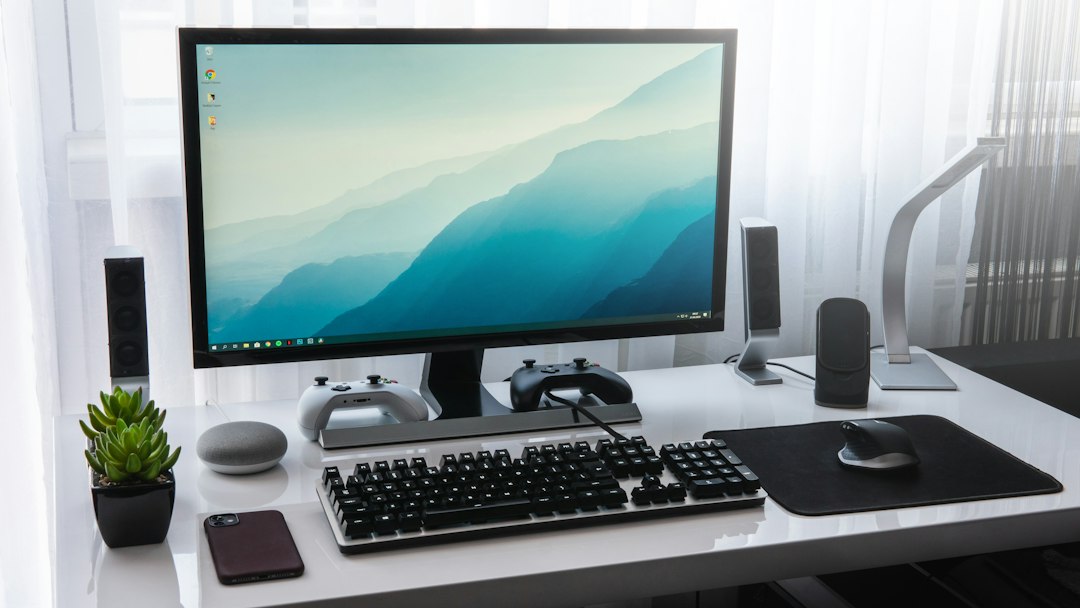
Manufacturer documentation can help identify an item, but it should not replace a photograph of its current configuration. An office monitor shown without its original stand or a desk with an added return may differ from a catalog illustration. State the model source and the visible difference. For example, Dell’s manuals lookup provides a way to locate documents for an identified product. It does not establish the condition or preparation status of the equipment in your room.
If the provider requests an angle that cannot be photographed safely, leave it missing and ask about another review method. Do not tip a heavy cabinet, climb onto furniture or disconnect unfamiliar equipment just to complete the packet. A useful missing-information note is more reliable than a risky photograph or a guessed answer.
After sending, keep one current index and record which question the provider answered. If you later remove a furniture component under the agreed preparation plan, add a new image and mark the older configuration superseded. The estimate discussion should use the same current item, packing status and access facts as the household’s final inventory.

Frequently asked questions
Can focused photos replace a full walkthrough?
Ask what the provider needs for the actual scope; a focused item packet may leave wider inventory and access questions unanswered.
Can a similar product picture show current condition?
Do not present it as current evidence. State its source and limitations if it is relevant for identification.
Should detail views come first?
An accessible overall view helps connect later details to the actual item.
How should similar furniture be distinguished?
Use separate consistent item identifiers linked to their rooms, photos, measurements, and destination notes.
Can a photograph establish weight or value?
Avoid unsupported estimates and obtain actual source information or appropriate assessment where needed.
What if an angle cannot be photographed appropriately?
State the missing view and ask about another assessment arrangement instead of creating a handling risk.
Should dimensions be connected to images?
Identify what each measurement describes and label its source or uncertainty.
Do item photos approve the route?
Keep pickup and destination access questions separate and supply the missing property facts.
Does the packet guarantee a final quote?
Confirm the written estimate terms and assessment needs directly; photos alone do not establish a final price.
Where can I request the review?
Contact JM Moving with the focused item question, current photos, available measurements, inventory context, and Nashville addresses.
Request your Nashville remote item review
Connect the packet to your room inventory, clarify the preparation scope, and compare the wider walkthrough record. Contact JM Moving with your local Nashville request: (615) 710-9990.
Watch the quick moving tip
Related JM Moving guides: Nashville Moving: Attic Box Access Photos · Nashville Moving: Garage Workbench Access Review · Nashville Moving: Utility Closet Item Review
