
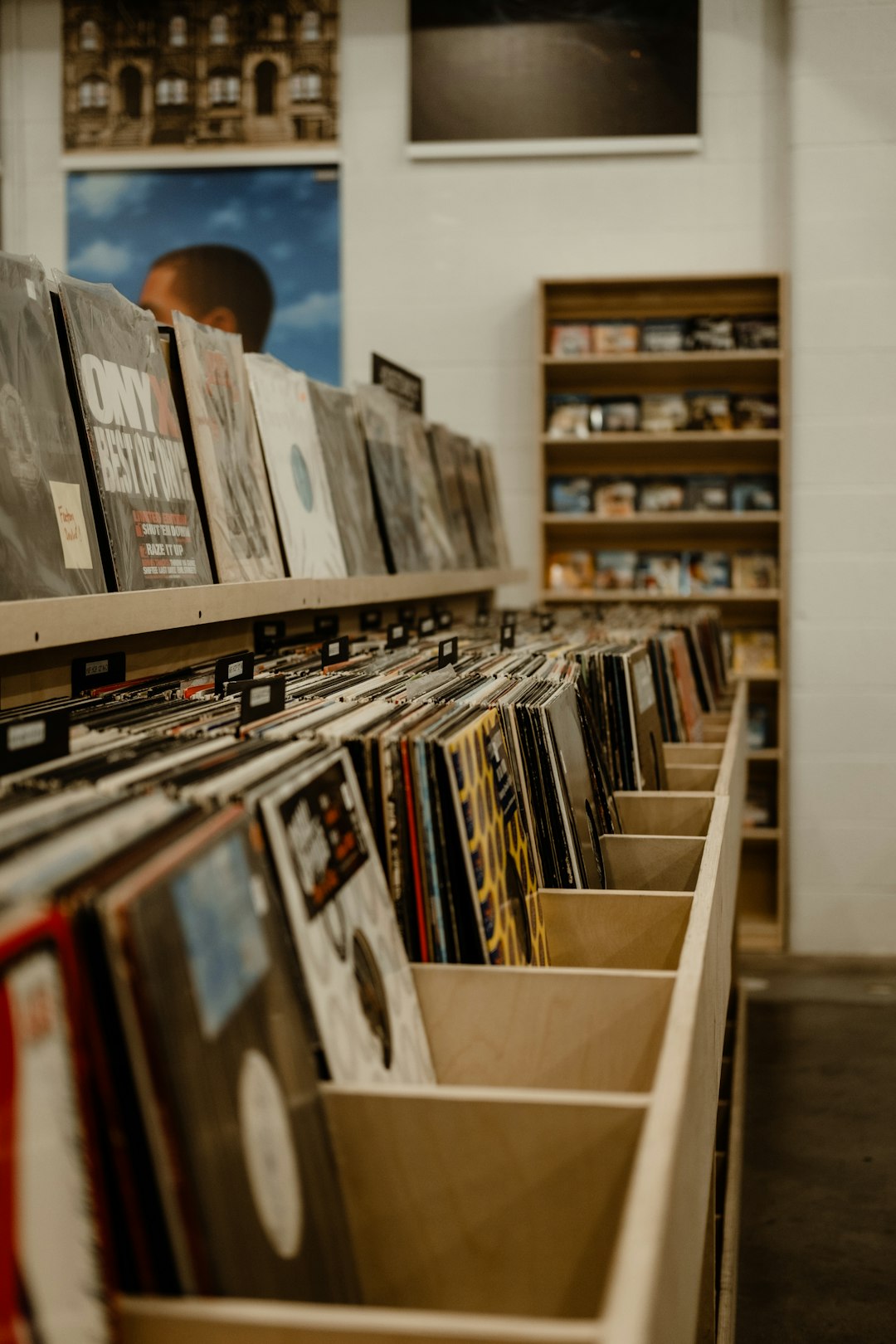
Moving vinyl records and other home media starts with a practical inventory: identify the formats, count the groups, choose suitable containers, and decide who will pack each part of the collection. For a Nashville move, JM Moving can review your moving scope using the information you provide. This guide explains how to connect record boxes, CD cases, cassette tapes, condition photos, and destination rooms without losing track of an unfinished carton or an owner-carried group.
Different formats need different handling. A record jacket, a compact-disc case, and a cassette shell cannot be treated as interchangeable protection. Dense collections can also make a modest carton surprisingly heavy. Start early enough to check your materials, identify fragile or unusual items, and discuss unresolved questions before loading day. The goal is an accurate handoff, not simply a row of boxes that all say “music.”

Understanding Your Media Inventory: Records, CDs, and Tapes
The foundation of any stress-free music media relocation is an exhaustive item inventory. Before purchasing a single cardboard box or plastic bin, you must quantify what you actually own. Begin by separating your physical holdings into distinct media types: 12-inch LP vinyl records, 7-inch singles, double-album gatefolds, standard compact discs, box sets, cassette tapes, and vintage laserdiscs or video formats. Each medium demands specific box dimensions and packing density to prevent structural damage during transit.
An accurate inventory helps you choose containers and communicate the collection volume. Record an actual item count where practical, separating ordinary single albums from bulky box sets and unusual sizes. Check the weight of a representative packed carton instead of assuming that every crate holds the same quantity or weighs the same amount. The carton manufacturer’s limits and the agreed handling method matter more than a universal number of records per box.
Cataloging CD Cases, Cassettes, and Sleeve Types
Inspect the condition of sleeves and cases before packing. Note split jackets, loose discs, missing inner sleeves, broken hinges, and fragile packaging. Keep discs in appropriate protective enclosures; do not force a record into a tight or damaged jacket. Ask a knowledgeable conservator about fragile or valuable recordings rather than applying one sleeve-removal rule to every format. Protect original packaging as part of the collection when it matters to you.
Keep cassette tapes in suitable cases and organize them by collection group rather than leaving them loose among other objects. Label damaged or unusual items in the private inventory so their preparation can be reviewed. Rare pressings, signed sleeves, and irreplaceable family recordings may need a separate plan. A high value does not automatically determine the best transport method; discuss the packaging, access, and responsibility with the appropriate person.
Establishing Collection Groups and Destination Rooms
Organization becomes easier when you categorize your media into logical collection groups and assign them to specific destination rooms in your new property. Instead of mixing jazz LPs with contemporary rock CDs, group albums by genre, artist alphabetical order, or listening frequency. Clearly mark each moving box with its designated destination room—such as “Upstairs Listening Room,” “Living Room Media Console,” or “Office Storage Closet”—to streamline the unloading process with your moving crew.
Give each media carton a destination code that matches the room plan. Confirm where the collection can be placed without blocking doors, stairs, or the unloading route. Check that the destination shelving is suitable for the load before filling it; a shelf that fits the records is not necessarily rated for their weight. Use the room inventory checklist to connect the collection with the rest of the move.
Calculating Container Counts and Box Sizes
Choose sound cartons with dimensions suitable for the media and enough space for the appropriate support. Avoid filling a large general-purpose box simply because more albums will fit. Pack a representative carton first, check its actual weight and closure, and review the result with the person responsible for packing. A box should support its contents without bulging or putting pressure on album jackets. Do not treat a familiar carton name as proof that it is suitable.
Estimate container needs from actual counts and a representative packing trial. For example, if one group has 120 comparable albums and your checked sample carton holds 20 with suitable protection and a manageable load, that group would require six cartons of the same setup. This is an arithmetic example, not a recommended capacity. Bulky sets, different formats, or heavier pressings may require a different allowance. Add separate entries for partially filled cartons and special packaging.
Assessing Condition Photos and Current Packed Status
Take reference photos of notable existing wear, unusual packaging, and valuable collection items before packing. Include the inventory code in the record so you can find the correct photos later. Photographs can help describe what was observed, but they do not prove every aspect of condition or establish coverage. Ask about the applicable moving agreement and any declared-value requirements before transferring items that need special consideration.
Keep photos with your own inventory using a storage method you already trust. Photograph a packed carton before closing it, then record the carton number, group, count, and preparation status. Avoid calling a box sealed before the photograph and final check are finished. This approach keeps a clearer record of collection groups, containers and destination rooms.
Defining the Professional Packing Scope
Write down which media groups you will pack and which you want JM Moving to review for packing assistance. Identify who supplies the materials and whether unusual cases, collections, or shelving need a separate assessment. Use the packing scope checklist to record those decisions. Do not assume that specialist conservation, custom crating, or media restoration is included in ordinary moving labor.
The Library of Congress guidance for audio recordings recommends keeping discs upright, handling them at their edges and label area, and protecting collections from heat, water, and direct light. Apply format-appropriate support so items do not lean loosely or press against one another. The guide also distinguishes disc and cassette storage needs. Fragile or damaged recordings deserve advice specific to their condition before they are packed.
Managing Personally Carried Groups and Valuables
If you decide to carry selected recordings yourself, list them separately from the crew’s load and assign responsibility to a named household member. Use neutral public labels rather than advertising rare or valuable contents. Confirm where that group will wait during loading and when it will be collected. Personally carrying an item does not remove the need for suitable packaging, temperature planning, and secure vehicle loading.
Plan an owner-carried load so containers are restrained, supported in the appropriate orientation, and separated from objects that could shift onto them. Do not stack records flat merely to fit a vehicle space. Avoid leaving recordings in a parked vehicle exposed to heat. Check the route and expected stops, and reconsider the plan if you cannot provide suitable conditions. No single location in a car is automatically safe for every collection.

Pricing Structure and Move Estimation Realities
Ask JM Moving for an estimate based on the collection size, carton count, packing assistance requested, stairs, walking distance, and loading access. Describe any oversized cases, fragile media, or items that need a specialist assessment. Prices and service arrangements must be confirmed for your actual move; a general article cannot establish the charge or the work included.
Contact (615) 710-9990 with your preferred date and inventory information, and ask about current availability. Share a photo walkthrough of the route and staging area when useful. Keep private catalog details out of general access photos. Obtain confirmation of the agreed scope and schedule before treating a request as a booking.
10 Media Collection Handoff Checks
- Separate formats: List LPs, singles, CDs, cassettes, and box sets independently so one packaging assumption does not govern everything.
- Check actual loads: Test a representative carton and record its weight and contents before buying supplies for the full collection.
- Inspect enclosures: Note split jackets, missing sleeves, and damaged cases before packing hides those details.
- Support records upright: Use suitable support without squeezing jackets or allowing discs to lean loosely.
- Issue carton codes: Use one unique code per box and map it to a collection group in your private list.
- Record preparation status: Distinguish open, packed, sealed, held for review, and owner-carried groups.
- Photograph useful details: Capture existing wear and the packing arrangement with an identifying code, without overclaiming what photos prove.
- Confirm destinations: Match room names to the receiving plan and keep media away from wet areas, direct heat, and blocked routes.
- Separate responsibilities: Identify who packs, closes, carries, and receives each group, including anything outside the crew load.
- Reconcile at delivery: Count cartons, record visible concerns, and resolve missing or duplicate codes before filing everything away.
Sample Collection Record Template
Use this illustrative collection record to connect each carton to a group and destination. Below is a sample tracking format that you can adapt for your personal media library:
Substantive FAQs Regarding Media Relocation
1. Why is it critical to pack vinyl records vertically rather than horizontally?
Keep discs upright with suitable support rather than making a heavy flat stack. The Library of Congress recommends upright disc storage. Check that records cannot lean freely inside the carton and that the packaging does not squeeze fragile jackets. Follow specialist advice for damaged or unusual formats.
2. What size moving boxes should I use for heavy LP collections?
Use suitable, sound cartons matched to the media dimensions, protection, actual weight, and handling plan. A smaller carton can help control weight, but size alone does not prove suitability. Check a representative load and the carton manufacturer’s guidance before packing the whole collection.
3. How can I accurately calculate the number of boxes needed for my music media?
Count the items in each comparable group and test-pack a suitable carton. Divide the group count by the actual capacity of that checked setup, rounding up. Allow separately for box sets, special cases, and partial cartons. Shelf length alone cannot reliably determine a packed box count.
4. Should I remove vinyl records from their outer cardboard jackets before packing?
There is no single approach for every sleeve, pressing, and jacket condition. Keep records in appropriate protective enclosures without forcing tight or damaged packaging. Ask a qualified collection-care specialist about valuable or fragile examples before changing their enclosure arrangement.
5. What pricing should I expect for local moving services in Nashville with JM Moving?
Request a written estimate using the collection volume, packing scope, property access, and preferred date. Ask what preparation and materials are included. Confirm the actual price and terms with JM Moving instead of relying on an assumed hourly rate.
6. How do I ask JM Moving about dates and availability?
Call (615) 710-9990 or visit JM Moving to discuss your date and moving requirements. Ask what availability is currently offered and what is needed to confirm service.
7. What items should be kept as personally carried groups during a move?
Consider a separate plan for irreplaceable recordings or items you need immediately, but choose transport based on their needs and your ability to protect them. If you carry them, record the transfer and keep them outside the crew’s load. Personal transport is not a guarantee of security.
8. How do condition photos assist with moving a media collection?
Photos provide a dated reference for visible condition and the way items were grouped. Connect them with carton and item codes so they remain useful after unloading. They supplement the inventory and applicable agreement; they do not replace either one.
9. What is a professional packing scope for media libraries?
It records the specific groups, materials, preparation, and labor agreed for the move. Clarify what is already packed, what remains open, who supplies materials, and whether unusual items need another assessment. Ask for confirmation before assuming a specialist service is included.
10. How should I label destination rooms for media boxes?
Use a clear carton code and destination room on visible sides. Keep detailed titles or values in your private catalog when appropriate. Provide the receiving team with a room-code key, and identify any location where boxes must not be placed.
Keep the final carton count current
A collection often changes after the first inventory is written. You may remove one album to listen to, add a recently returned disc, or move a signed item into a personally carried group. Update both the item list and the carton status when that happens. A sealed-box count from yesterday does not describe a box that was reopened this morning.
Use a short exception list for unresolved questions: a damaged case awaiting replacement, a box set needing different packaging, or a destination shelf that is not yet assembled. Give each exception a responsible person and next action. Keep those cartons separate from the ready group. This makes it easier to ask for help with the actual issue rather than presenting every box as ready for loading.
At the new address, check the delivery count against the agreed load and the separate owner-carried list. Record visible packaging concerns and follow the applicable process for reporting them. Choose an orderly unpacking area away from drinks and cleaning supplies. Leave room to support the collection while shelving is checked, rather than stacking discs flat on the floor as a temporary shortcut.
Summary and Next Steps
A useful media moving plan connects actual collection counts with suitable cartons, preparation responsibilities, and destination rooms. Keep the inventory current as boxes are closed or moved into an owner-carried group. Review unusual items and unresolved packaging questions before loading. At delivery, reconcile the containers and note exceptions before the collection disappears onto shelves again.

Ready to Move Your Media Collection in Nashville?
Contact JM Moving today at 615-710-9990 or visit our official website to coordinate your inventory review and professional packing scope.
