
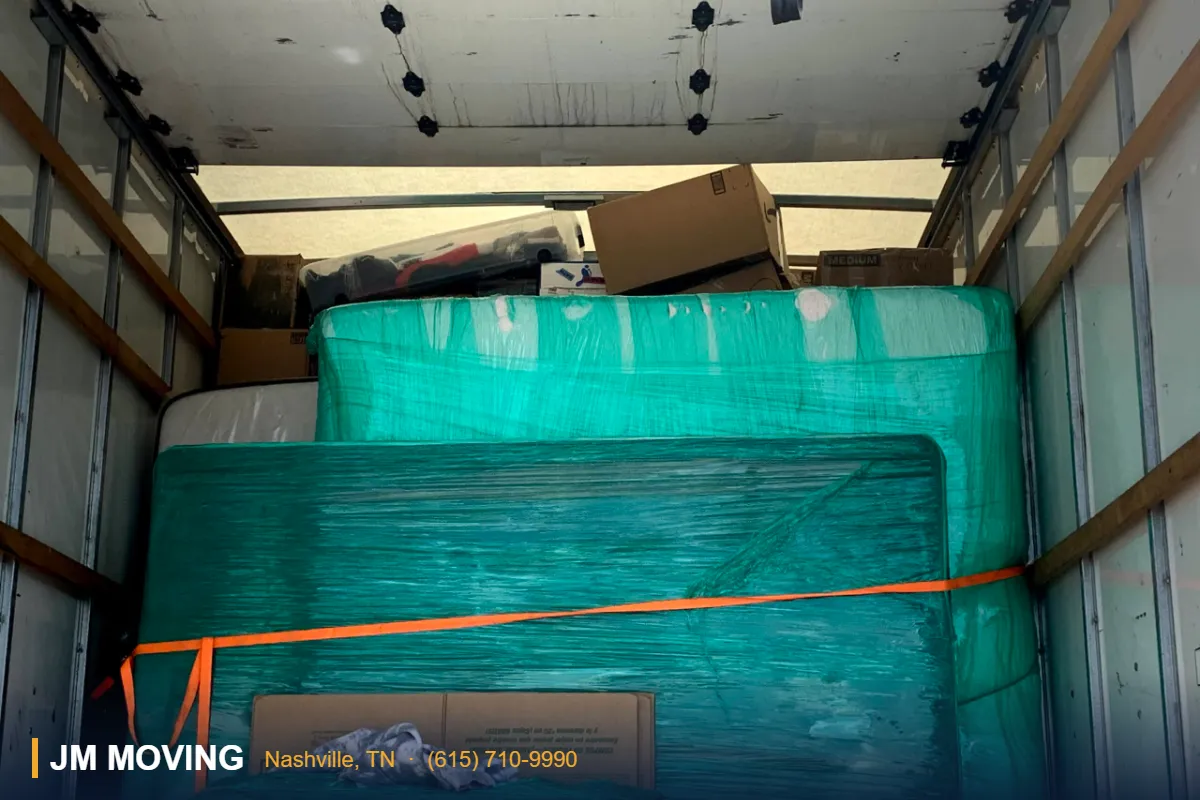
A dining room inventory helps plan the packing of serving trays, decorative bowls, table linens, glassware, and keepsakes before a Nashville move. Identify fragile surfaces, existing damage, loose parts, and unusually heavy pieces. Share those details with JM Moving so the requested packing scope can be reviewed before moving day.
Understanding the Scope of Dining Room Packing
The dining room often holds some of the most emotionally and financially valuable items in a home. From vintage porcelain dinner sets inherited from grandparents to modern decorative bowls purchased during downtown excursions, every piece requires a tailored packing strategy. Homeowners engaging local movers in Nashville frequently underestimate the time and materials required to properly box up a fully stocked china cabinet, sideboard, or buffet. Using a comprehensive Nashville packing checklist helps organize your inventory before boxing begins.

Securing your items starts long before the moving truck arrives at your driveway. Gathering robust double-walled dish pack boxes, clean unprinted newsprint, bubble wrap, and sturdy packing tape forms the foundation of a successful dining room relocation. For detailed guidance on preparing your broader household inventory, consult our room inventory checklist to check that every space is accounted for accurately.
Serving Trays: Protection, Weight Distribution, and Boxing
Serving trays come in various materials, including sterling silver, heavy plated metals, delicate porcelain, polished wood, and etched glass. Each material responds differently to transit vibrations and pressure changes.
Silver and Plated Metal Trays
Silver serving trays scratch easily and tarnish when exposed to ambient air and moisture during a move. Wrap silver trays in anti-tarnish tissue paper before applying a protective layer of bubble wrap. Secure the wrapping with painter’s tape so adhesive never touches the metal surface directly. Store metal trays vertically in dish pack boxes rather than flat; vertical stacking reduces stress on the center of the tray if heavy boxes are accidentally placed on top.
Wooden and Hand-Painted Serving Platters
Wooden platters can warp with extreme temperature shifts common during Tennessee seasonal transitions. Inspect wooden surfaces for existing cracks before packing. Do not apply oil or another treatment just before moving unless the maker’s care instructions call for it. Use a suitable surface-safe wrap and a supportive container, keeping adhesives away from painted or finished areas.
Decorative Bowls and Centerpieces
Centerpieces and decorative bowls often feature irregular shapes, delicate rims, protruding handles, or fragile artistic elements that complicate standard boxing methods. When packing these focal points for your dining table:
- Stuff hollow bowls loosely with crumpled unprinted paper to support their internal structural integrity before wrapping the exterior.
- Create a custom nest of bubble wrap at the bottom of a reinforced medium box to absorb vertical shock impacts.
- Separate only parts designed to detach safely, following the maker’s instructions. Do not force glued, repaired, or unfamiliar joints apart.
- Fill all void spaces inside the box with packing peanuts or crumpled paper so items cannot shift when the box is tilted.
When evaluating your total moving scope, including complex centerpieces and fragile displays, reviewing our packing scope checklist provides clarity on what materials and labor hours will be required.

Table Linens, Runners, and Fabric Decor
Table linens, embroidered runners, lace placemats, and cloth napkins require careful handling to prevent permanent creasing, staining, or musty odor absorption during transit. Follow the care instructions for ordinary fabrics and ask a specialist about antique or fragile pieces; never pack damp linens, as trapped moisture promotes mildew inside sealed boxes.
Fold delicate lace and heirloom linens with acid-free tissue paper interfolded between folds to prevent sharp creases in aged fibers. Store fabric goods in clean plastic bins with secure lids or heavy-duty wardrobe boxes fitted with linen bars. Clearly label linen boxes with room destinations so your dining setup is easy to unpack in your new Nashville residence.
Glass and Crystalware Protection
Crystal stemware, decanters, and blown glass serving bowls represent some of the most delicate items in any dining room collection. Never stack crystal glassware directly on top of one another. Wrap each glass individually, starting at the corner of packing paper and rolling diagonally while tucking excess paper into the bowl opening and around the fragile stem.
For crystal decanters and carafes, remove freely detachable glass stoppers and wrap them separately; do not force a stuck stopper; a removable stopper can otherwise shift or place stress on the neck. Pack stemware upright in dedicated cell-divider boxes. For comprehensive step-by-step techniques on handling fragile items safely, explore our guide on packing fragile items for moving.
Family Heirlooms and Sentimental Pieces
Heirlooms carry irreplaceable emotional value that far exceeds their monetary worth. When preparing family porcelain, antique clocks, or inherited silver tea sets for your Nashville move, document their initial condition thoroughly. Take clear, high-resolution photographs of any existing chips, crazing, or minor wear marks before wrapping.
Double-box exceptionally fragile heirlooms by placing a smaller wrapped box inside a larger outer box cushioned with a two-inch layer of shock-absorbing packing material on all six sides. The appropriate cushioning and clearance depend on the item; double-boxing alone is not a guarantee against damage. Ask for a packing review for especially fragile pieces. Maintaining a precise inventory record via our photo walkthrough checklist provides a visual reference for each heirloom.
Ten Detailed Practical Tips for Dining Room Packing
Executing a flawless packing job requires disciplined methods. Keep these ten practical tips in mind while preparing your dining decor and serving pieces:
- Use Double-Walled Dish Packs: Always pack heavy china and serving platters in sturdy double-walled corrugated boxes specifically engineered for fragile dishware.
- Never Overload Boxes: Keep total box weight manageable. Heavy crystal and porcelain make boxes heavy quickly; fill the top half of large boxes with lighter items like napkins.
- Wrap Flatware Individually: Bundle silver flatware sets in rolls with anti-tarnish cloths rather than tossing loose pieces into open containers.
- Pack Plates Vertically: Always pack dinner plates, salad plates, and saucers on their edges like records—never stack them flat, as flat stacking magnifies downward road vibration.
- Label Box Contents and Room: Clearly mark boxes on the top and sides with “FRAGILE,” the specific contents, and the destination room in your new home.
- Secure Glass Stoppers: Remove all stoppers from crystal decanters and oil cruets, wrapping them separately to prevent neck breakage.
- Pad Stemware Bases: Pay special attention to the delicate stems of wine glasses by wrapping extra paper around the base before rolling the body.
- Inspect Item Condition: Photograph all valuable porcelain and crystal pieces before wrapping to document baseline condition accurately.
- Keep Essential Serving Pieces Accessible: Pack a separate clearly marked box for everyday dining essentials needed during your first week in your new home.
- Consult Professional Movers: When in doubt about heavy or exceptionally delicate antique furniture and decor, rely on experienced local professionals from JM Moving.
Concrete Sample Inventory and Access Record
Maintaining a detailed inventory record is essential for tracking fragile dining items from your initial packing session through final placement in your new residence. Below is a concrete sample inventory and access record illustrating how to log dining decor and serving pieces for a standard Nashville residential move:
Frequently Asked Questions
1. What is the best way to pack heavy ceramic serving platters?
Heavy ceramic platters should be wrapped individually in multiple layers of unprinted newsprint or bubble wrap, then packed vertically on their edges in heavy-duty dish pack boxes rather than laid flat.
2. Should I remove crystal stoppers before packing decanters?
Yes, always remove freely detachable glass stoppers and wrap them separately; do not force a stuck stopper. Leaving stoppers in place during transit increases the risk of jamming or breaking the neck due to road vibration.
3. How should I prepare silver serving trays to prevent tarnishing?
Wrap silver trays in anti-tarnish tissue paper first, followed by a layer of bubble wrap secured with painter’s tape to prevent chemical reactions between tape adhesive and the silver surface.
4. Are standard moving boxes safe for delicate crystal glassware?
Standard boxes lack sufficient structural rigidity. Always use double-walled dish pack boxes equipped with cardboard cell dividers to isolate crystal stemware individually.
5. How do I handle antique table linens before a move?
Follow the textile’s care instructions and keep it dry. Do not automatically wash antique or fragile linens; seek qualified advice first. Interfold acid-free tissue paper between folds to protect delicate fibers from sharp creasing.
6. What is the approved local pricing structure for JM Moving?
Ask JM Moving for a written estimate based on the actual inventory, packing work, route, and access conditions. Confirm the included services and any exclusions before agreeing to a move.
7. Can JM Moving handle packing services on short notice?
Ask JM Moving about the requested date and actual packing scope. Availability must be confirmed directly, and a request does not reserve a crew. Describe unusual or delicate items early so preparation needs can be discussed.
8. Should I document the condition of family heirlooms before packing?
Yes, photographing existing chips, wear, or cracks provides a clear baseline condition record for your inventory files before professional packing begins.
9. How can I reduce movement of heavy centerpieces inside boxes?
Use support that prevents movement without pressing against delicate handles, rims, or projections. Do not force paper into fragile cavities. An unusually heavy or unstable centerpiece may need a fitted packing design.
10. Who should I contact to schedule packing services in Nashville?
You can reach JM Moving directly at (615) 710-9990 or visit https://jmmoving.store to discuss your specific inventory and packing scope.
Serving piece packing checklist: record the set, then the exception
Start your serving piece packing checklist with counts that are easy to verify: two large platters, one bowl with lid, four serving spoons, or a matching decanter and stopper. Give each set a code, then add separate notes for a repaired handle, chipped rim, loose finial, or unusual dimension. These details help identify the right item at delivery.
For packing dining decor, separate hard and soft materials. Keep table runners and napkins away from liquids, candle residue, or metal edges that could stain or snag them. A linen-filled gap should not hide a heavy object or replace the supporting structure needed around fragile glass. Tell the packer what is inside each owner-packed carton.
A fragile servingware inventory should note whether a lid or handle is structural, detachable, or already repaired. Do not lift an unfamiliar antique by its handle just because modern cookware is handled that way. The Canadian Conservation Institute’s glass and ceramic care guidance recommends careful handling and warns that handles and spouts may not be secure lifting points. Keep a clear work surface and avoid unnecessary handling.
Moving table linens calls for a material-specific choice as well. A washable cotton runner differs from antique lace or silk embroidery. The Smithsonian’s textile tissue guidance explains why buffering and fiber type matter. Ask a textile specialist before treating fragile pieces, and use moving day to preserve the documented condition rather than to attempt restoration.
Make a practical destination plan
Choose a clear indoor area for the dining cartons. If the china cabinet will be assembled later, do not stack fragile cartons where furniture work will take place. Keep the most delicate pieces accessible for review without requiring repeated lifting. The destination field can say “dining room staging area” until the final shelves are ready.
Pack a small group of everyday serving items separately from formal or sentimental pieces. A few ordinary plates and utensils can cover the first meals while the fragile collection remains undisturbed. Make sure the first-open carton is distinct from the heirloom inventory so nobody hurriedly unpacks valuable pieces to find a spoon.
Review before and after transport
- Count sets and note known missing parts.
- Photograph existing chips, repairs, and surface wear.
- Confirm which packing materials and specialist work are included.
- Match cartons to item codes at pickup and delivery.
- Keep packaging until the contents have been inspected and any issue documented.
Your photos and inventory are useful communication records; they do not establish a value, coverage limit, or guarantee. Review any separate valuation or insurance arrangements through the appropriate provider, and use the written moving agreement for the actual scope and reporting process.

Plan your Nashville move with JM Moving
Share your inventory, requested date, packing needs, and access details with JM Moving. Call (615) 710-9990 to ask about the next step. Request written confirmation of scope, pricing, and availability before making plans around a service.
