
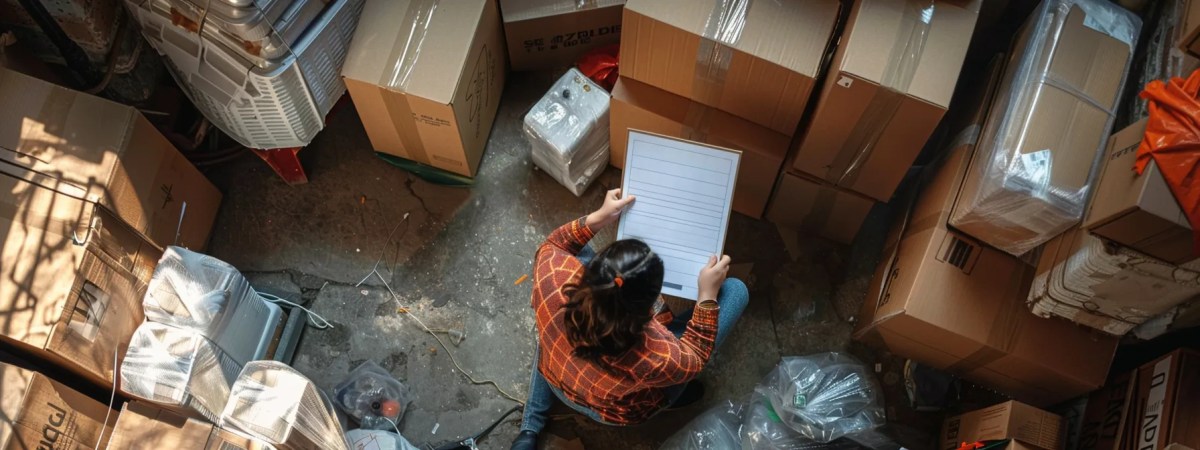
A sports gear inventory should identify equipment, its condition, and the container that will hold it. Before a Nashville move, gather rackets, balls, helmets, pads, bags, and training accessories in one review area. Separate items needed for the next practice from the household load, and note equipment that needs manufacturer advice before packing.
Understanding the Scope of Athletic Inventory
An effective Nashville moving inventory starts long before the first cardboard carton is sealed. Athletic gear encompasses a diverse collection of shapes, materials, and sizes. Tennis and badminton rackets feature delicate string beds that snap under improper tension or pressure. Baseballs, softballs, and cricket balls possess hard outer casings that require stable containment. Protective gear such as helmets, shoulder pads, and shin guards demand structured airflow and cushioning to prevent structural deformation. Bags, ranging from heavy-duty duffels to wheeled equipment bags, double as containers and items that require logging.

Documenting these items requires a systematic ledger. When utilizing professional packing services in Nashville residents rely on, establishing a clear written record supports accountability. A precise record protects against discrepancies during transit. It helps local movers in Nashville teams handle heavy or awkward pieces with the correct equipment, avoiding strain or accidental drops. Documenting serial numbers on high-end bicycles, golf club sets, or electronic training devices also provides security documentation.
Rackets: Precision Protection and Packing
Racket sports equipment requires careful handling. Tennis, squash, racquetball, and badminton rackets feature lightweight frames made of graphite, fiberglass, or aluminum. Extreme temperature fluctuations inside a moving truck can alter string tension, warping the frame over time. Before boxing these items, inspect each frame for hairline fractures. Clean grit and court dust off the handles to prevent grip deterioration.
Wrap individual racket heads in bubble cushioning, securing the material with painter’s tape that leaves no sticky residue. Slide each wrapped racket into a dedicated sleeve or a specialized multi-racket bag. When placing them into corrugated cartons, lay them flat rather than vertical. Never stack heavy items on top of racket boxes. If you are coordinating your overall home layout, consult resources like the JM Moving online quote room inventory checklist to allocate appropriate box sizes for elongated items.
Balls: Managing Weight and Rolling Hazards
Balls are deceptively heavy in large quantities. A collection of baseballs, softballs, tennis balls, medicine balls, and bowling balls can quickly exceed the weight limits of standard moving boxes. Concentrate dense rubber or leather balls in smaller, reinforced containers. Avoid packing large quantities of heavy spheres in oversized boxes, as shifting weight can compromise the cardboard integrity during transit.
Incorporate internal dividers or packing paper to keep rolling items stable. For inflatable balls, such as basketballs and soccer balls, follow the manufacturer’s recommended inflation and storage instructions; routine local elevation changes are not a reason to change pressure without checking the product guidance. Document every ball type, brand, and count on your master manifest. Clear labeling prevents confusion when unpacking in your new location.

Protective Gear: Hygiene, Structure, and Cushioning
Protective gear—including hockey pads, football helmets, catchers’ gear, and martial arts sparring equipment—accumulates sweat, moisture, and odors over time. Packing these items while damp fosters mold and mildew growth during transit. Ensure all protective equipment is thoroughly cleaned, dried, and aired out before boxing, allowing enough time for all padding and seams to dry.
Helmets require particular attention. A compromised helmet shell or degraded internal foam lining cannot be trusted for future impacts. Inspect each helmet, wrap the outer shell in clean packing paper, and pack them individually in snug boxes. Avoid wedging rigid plastic shoulder pads into tight spaces, as the plastic can crack under sustained pressure. Use corrugated inserts to maintain the anatomical shape of the pads.
Bags, Totes, and Equipment Dimensions
Athletic bags come in varied dimensions, from compact shoe bags to massive wheeled catcher’s bags and hockey wheel bags. Empty all pockets completely. Leftover items like metal cleats, loose mouthguards, energy gel packets, and metal water bottles can puncture interior linings or crush other packed goods. Clean out dirt, grass clippings, and chalk dust.
Empty bags can often be nested within one another to save box space, provided their frames or rigid bottoms do not distort. For structured bags with telescoping handles or hard plastic bases, wrap the protruding hardware in foam sheeting. Include exact dimensions of oversized bags in your inventory sheet. When planning your packing scope, reference the JM Moving online quote packing scope checklist to determine appropriate container volumes.
Managing Dense Contents and Weight Distribution
Dense items require strict weight limits per container. Free weights, kettlebells, weighted vests, and heavy pitching machines introduce unique logistical challenges. When listing dense contents on your Nashville moving inventory, note the exact weight per box. Movers use this data to calculate load balance within the truck, preventing shifting loads that pose safety hazards on the road.
Ask the mover how individual weights, kettlebells, and weighted equipment should be handled. Do not assume a cardboard box or plastic bin is rated for them. Separate dense items from fragile equipment and use a container or handling method appropriate to the verified weight. Reinforce box bottoms with heavy-duty filament tape applied in a secure H-pattern. For fragile items that require extra protection alongside your gear, review guidelines found in the resource on packing fragile items for moving to support secure packing of delicate components.
Set aside items needing a safety decision
Check sports bags for aerosols, cleaning liquids, tailgate fuel, pressurized cylinders, and batteries. These should not disappear into an ordinary equipment carton. List the exact products and ask JM Moving which items are excluded from the agreed shipment and what preparation is required.
For an interstate move, FMCSA explains hazardous-materials disclosure and transport requirements. A carrier’s policy may be more restrictive. For disposal, check Metro Nashville’s current household hazardous waste information and confirm acceptance of your item before visiting. Do not puncture, mix, or drain unknown products to simplify packing.
Ten practical sports gear inventory checks
- Digitize Your Catalog: Photograph high-value gear before boxing to record pre-move condition and serial numbers accurately.
- Color-Code by Sport: Assign specific colored tape to each sport category for fast sorting upon arrival at your new residence.
- Use Small Heavy-Duty Boxes: Limit box sizes for dense items like pucks, balls, and weights to prevent bottom blowouts.
- Climate Considerations: Keep temperature-sensitive gear like leather gloves and composite bats away from prolonged direct sun exposure.
- Inspect Seams and Zippers: Check bag zippers and stitching before packing to check that they hold contents securely during transit.
- Itemize Serial Numbers: Record serial numbers for electronic sensors, smart trainers, and high-end bicycles on your manifest.
- Sanitize and Dry Thoroughly: Wash and air out all pads and gear days in advance to prevent mold growth inside sealed boxes.
- Measure Awkward Pieces: Take precise measurements of lacrosse sticks, golf bags, and skis to plan appropriate vehicle placement.
- Secure Loose Straps: Tuck in or tie down loose backpack straps and bag webbing to prevent them from catching on equipment.
- Designate an Open-First Box: Pack immediate-use items like water bottles, athletic tape, and jerseys in an easily accessible bin.
Concrete Sample Inventory and Access Record
To illustrate a professional documentation standard, review the following sample inventory and access record used for tracking athletic gear during a local move:
Frequently Asked Questions
How should I prepare tennis rackets for moving day?
Clean grit from the handles, wrap individual frames in bubble cushioning, and place them flat inside rigid corrugated cartons. Avoid stacking heavy boxes on top of racket containers.
Are there weight limits for packing sports balls?
Yes. Because dense balls add significant weight quickly, pack them in small, reinforced boxes rather than large bins to prevent structural failure during transit.
Can I pack damp protective gear in moving boxes?
No. Moisture trapped inside sealed boxes promotes mold and mildew growth. Ensure all pads, helmets, and gear are cleaned according to their care instructions and completely dry before packing.
What is the best way to handle wheeled sports bags?
Empty all pockets entirely of loose items, cleats, and metal water bottles. Clean out dirt and debris, then protect telescoping handles and hard plastic bases with foam sheeting.
How do I list dense items on my moving inventory?
Note the exact item type, individual weight, and assigned box number on your master sheet. This helps loading crews balance weight correctly inside the moving truck.
Are aerosol sprays and camping fuel allowed in moving trucks?
Do not put these products into an ordinary household carton. Identify them for the mover and confirm its exclusions. Follow the product and local waste guidance for any item that will not travel; a partially empty can is not automatically safe.
What pricing structure applies for local moving services?
Ask JM Moving for a written estimate based on the actual inventory, packing work, route, and access conditions. Confirm the included services and any exclusions before agreeing to a move.
How can I schedule packing and moving assistance?
Contact JM Moving at (615) 710-9990 with the inventory, requested date, and access details. Ask for written confirmation of the packing scope and availability; requesting information does not reserve a crew.
Should I disassemble complex training equipment myself?
For complex or specialized machinery, avoid risky DIY adjustments. Always request professional or manufacturer review to prevent damaging structural components or electronic sensors.
Where can I find additional inventory checklists?
You can review detailed planning resources directly on the JM Moving platform by exploring room inventory and packing scope guides available on their official site.
Sports equipment checklist: complete the handoff
Start your sports equipment checklist with one row per set or oversized item. Use separate rows for a racket bag, ball container, protective-gear carton, and training device. Record how many pieces belong in each set and add a photo reference. A bag containing three rackets and two covers should not be described only as “tennis stuff.”
For packing sports equipment, check the maker’s instructions before cleaning or dismantling it. Helmet care, ball pressure, bat storage, and electronic sensor preparation differ by product. Do not use a solvent because it worked on another item. The inventory can mark “manual checked” or “manufacturer question pending” so unresolved issues are visible.
Moving sports gear is also a chance to identify equipment already needing attention. Note loose straps, split seams, cracked shells, missing guards, and broken zippers. An undamaged-looking helmet is not proof that it remains safe after a previous impact. Keep questionable safety equipment out of use until the manufacturer’s replacement or inspection guidance has been followed.
Record battery-powered accessories separately. Include the model, whether the battery is removable, and any charging equipment. Never force open a sealed battery compartment. Damaged or swollen batteries need appropriate handling advice rather than ordinary packing. Pair chargers with their devices using labeled bags so incorrect power supplies are less likely to be used after arrival.
A sports bag packing plan should include the actual destination. “Garage” is useful only if the new garage is dry and ready for storage. Choose a clean indoor spot for equipment sensitive to heat or moisture. If the household is temporarily between homes, ask about storage conditions and keep any special requirements in the written scope.
Make a separate return list for borrowed equipment. A team uniform, rental racket, or school-issued item may need to go back before moving. Record the owner on your private inventory and give its container a neutral code. Outer labels can identify the room without exposing personal details or the value of the equipment.
At pickup, show the crew the dense and awkward items first. Do not hide heavy contents beneath clothing or padding. At delivery, compare container counts, inspect visible damage, and record exceptions promptly. Open gear bags in a clean space, remove temporary cushioning, and recheck equipment before its next use. The FMCSA moving checklist offers additional documentation reminders for interstate moves.

Plan your Nashville move with JM Moving
Share your inventory, requested date, packing needs, and access details with JM Moving. Call (615) 710-9990 to ask about the next step. Request written confirmation of scope, pricing, and availability before making plans around a service.
