
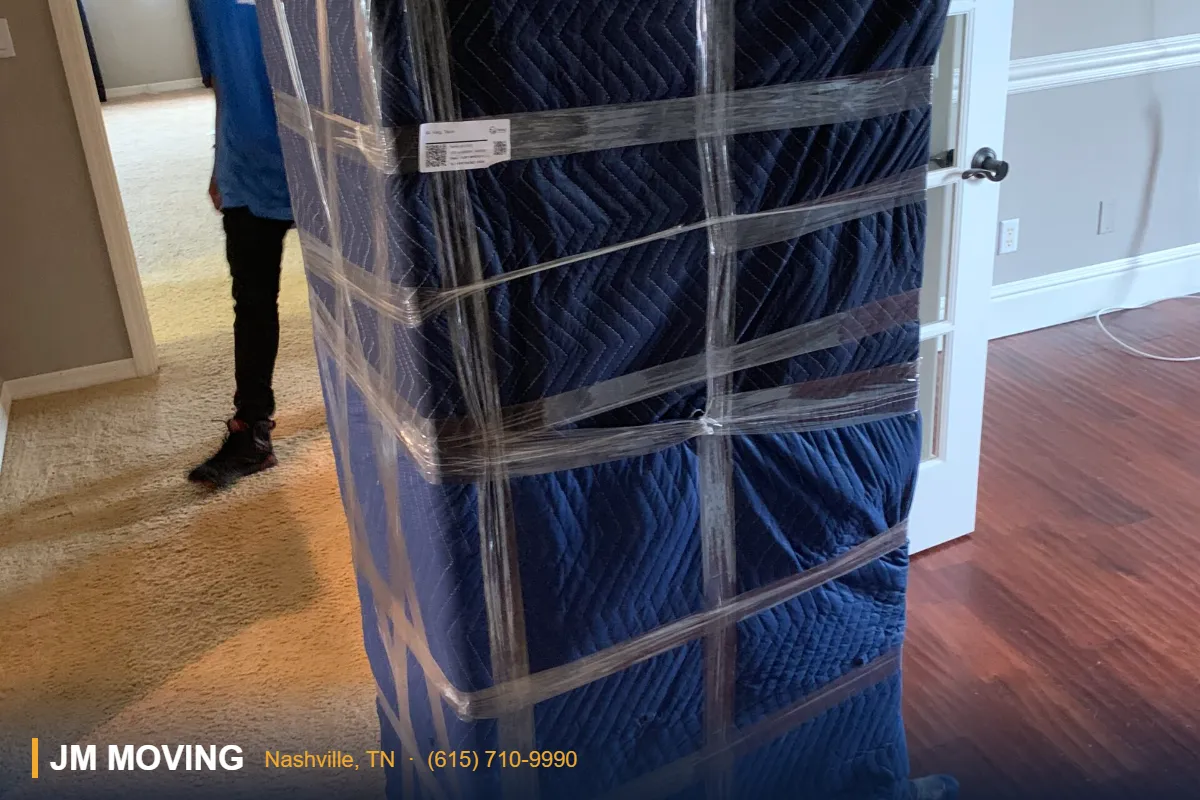
Safe Movers Nashville TN | JM Moving plans heavy safe relocation around verified weight, dimensions, construction, access, flooring, stairs, and destination placement. A gun safe, fire safe, document safe, or home vault is not ordinary furniture. Concentrated weight, a high center of gravity, limited handholds, and sensitive floors make careful preparation essential. For a broader citywide service overview, review our Nashville movers guide.
Safe Movers Nashville TN: Quick Booking Checklist
- Confirm both addresses, requested date, inventory, stairs, elevators, parking, and access conditions.
- Identify packing needs, fragile belongings, heavy or specialty items, and any furniture preparation required.
- Review the written flat-rate scope and report inventory or access changes before moving day.
- Keep identification, medication, keys, valuables, chargers, and important documents with you.
Heavy Safe Moving Requires Accurate Information
Before quoting or scheduling, we request the manufacturer, model, outside dimensions, estimated weight, pickup and delivery locations, step count, hallway width, turns, doorway measurements, elevator limits, and photos of the entire route. If the weight cannot be verified, a label or model lookup may help. Extremely heavy units or difficult stair routes may require specialized rigging or another qualified provider.

Our Safe Moving Process
1. Verify the safe and route
We identify the safe type, approximate construction, weight, dimensions, removable components, and center of gravity. Then we inspect flooring, thresholds, ramps, porches, stairs, landings, slopes, and truck access.
2. Prepare the safe responsibly
The customer should remove valuables, documents, currency, firearms, ammunition, and other contents before the crew arrives. Firearms and ammunition must be handled and transported by the owner in accordance with applicable law and safety requirements. Movers should never be asked to inventory or transport a loaded safe.
3. Protect floors and surrounding property
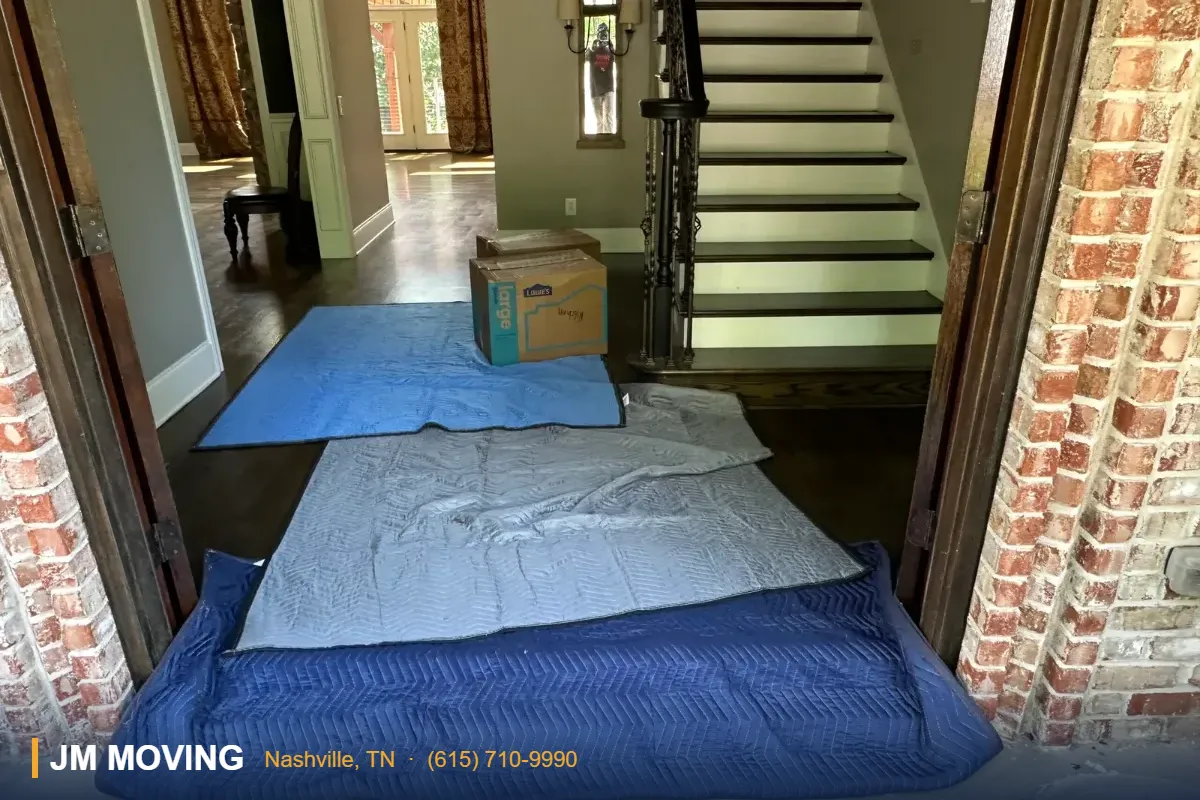
Weight-distribution materials, floor protection, padding, and a cleared route help reduce concentrated pressure and contact. We identify weak surfaces, tight corners, glass doors, railings, and delicate finishes before movement begins.
4. Use controlled equipment and communication
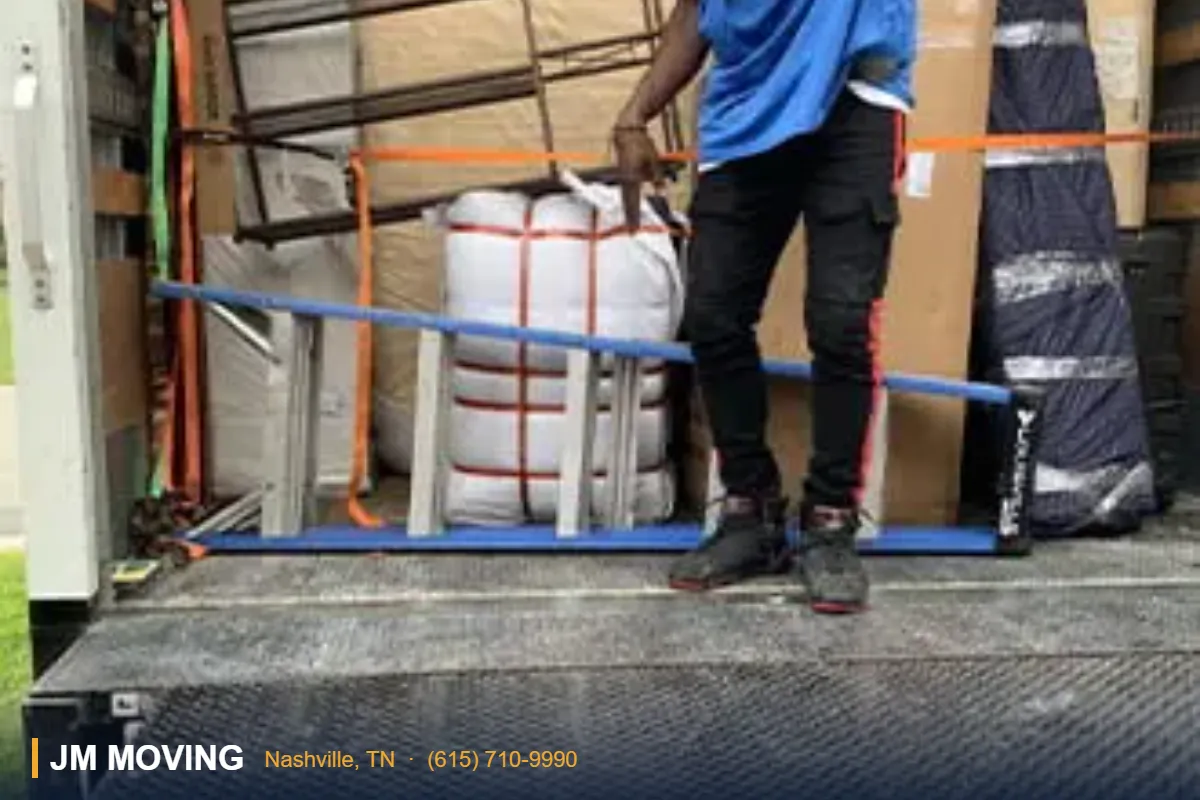
Depending on the job, a crew may use rated dollies, straps, ramps, boards, lift-gate access, or other load-control equipment. Crew positions and commands are established before lifting. Slow, deliberate movement is especially important on thresholds, slopes, and ramps.
5. Secure and place the safe
The safe is stabilized inside the truck to limit shifting. At delivery, the route is checked again and the unit is placed in the agreed accessible location. Anchoring, bolting, electrical connections, alarms, and lock service should be handled by qualified professionals.
12 Tips Before Moving a Safe
- Find the manufacturer and model number.
- Verify the empty weight.
- Measure height, width, and depth.
- Measure every doorway and hallway.
- Count all interior and exterior steps.
- Photograph tight turns, stairs, slopes, and thresholds.
- Remove every item from the safe.
- Keep firearms and ammunition under owner control.
- Tell us whether the door or shelves are removable.
- Confirm elevator capacity and reserve it.
- Prepare the final placement area.
- Keep children, pets, and bystanders away from the route.
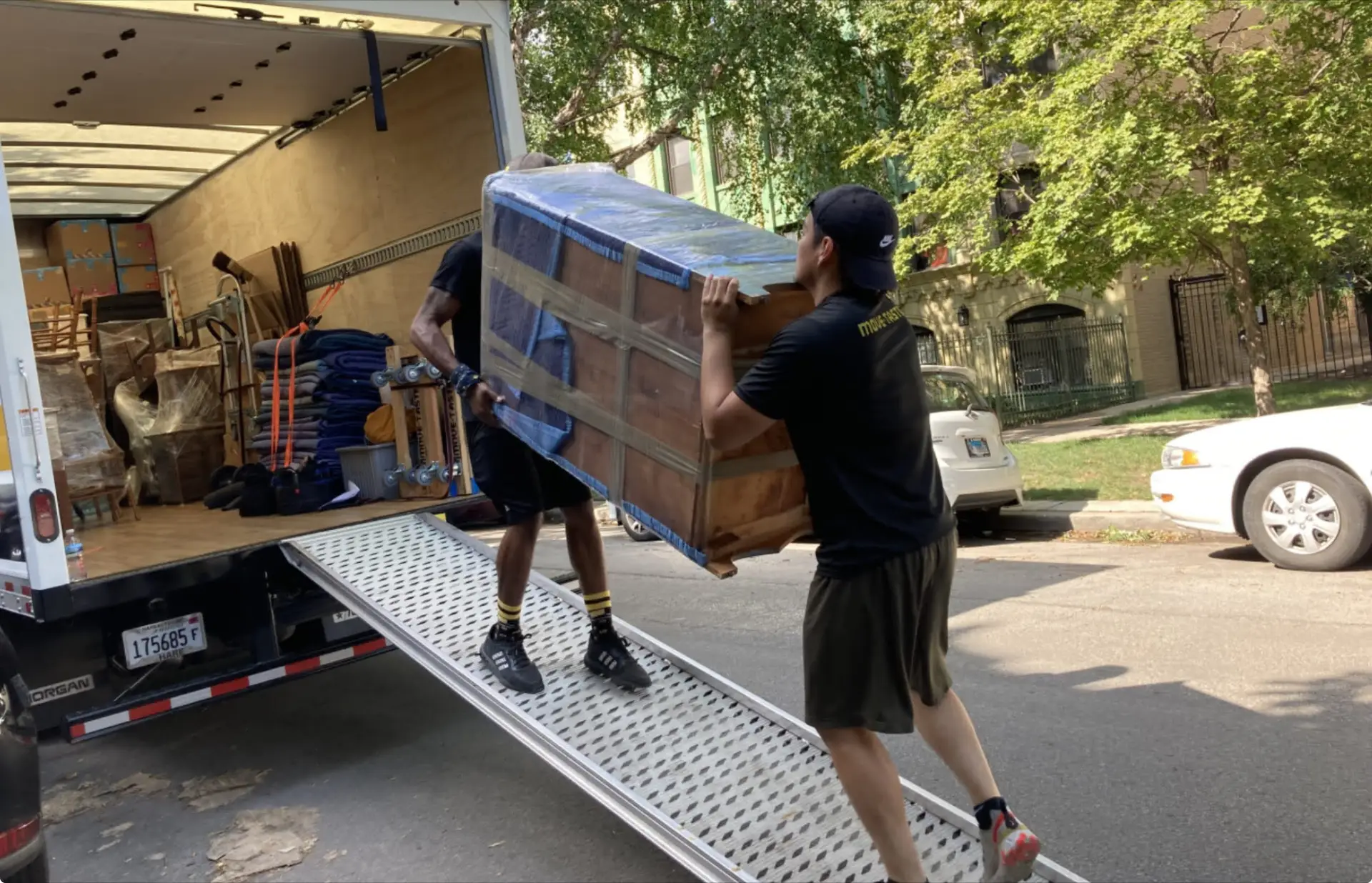
Nashville Safe Moving Conditions
Nashville properties range from downtown buildings and storage units to historic homes, garages, workshops, offices, and suburban residences. Basement stairs, split-level entries, steep driveways, hardwood floors, narrow halls, and limited parking can change the equipment and crew required. We evaluate access in Nashville, Bellevue, Brentwood, Franklin, Hendersonville, Mt. Juliet, and nearby Middle Tennessee communities.
Professionalism Above Expectations
Professional heavy-safe moving means refusing guesswork. We verify what we can, explain access concerns, protect the route, use coordinated movement, and stop if conditions are unsafe. No responsible company should promise that every safe can travel through every staircase or doorway without assessment.
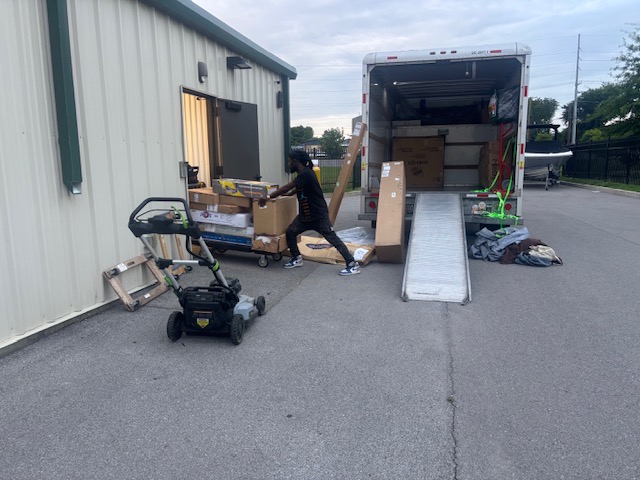
Local Access Planning for Nashville Safe Moves
Safe moving conditions can change from one Nashville property to the next. Downtown loading zones may limit truck placement, older homes may have narrow turns, and suburban garages may include slopes or raised thresholds. Before scheduling, walk the complete route from the safe to the loading area and again from the truck to the final room. Measure the smallest doorway, not only the room entrance, and include trim, handles, railings, and door swing in the usable width.
10 access checks that improve the moving plan
- Confirm the empty weight from a manufacturer label or manual.
- Measure the safe at its widest and tallest fixed points.
- Measure door openings after accounting for hinges and trim.
- Record every step, landing, turn, threshold, and slope.
- Check whether exterior steps, decks, or porches have visible damage.
- Identify hardwood, tile, carpet, and other surfaces along the route.
- Clear furniture, rugs, boxes, pets, and bystanders before arrival.
- Confirm elevator dimensions and posted weight limits when applicable.
- Photograph the pickup route, parking area, and final placement location.
- Keep the safe empty and arrange separate lawful handling of restricted contents.
Customers can review JM Moving’s specialty-item moving guidance, moving-day checklist, and quote request page while preparing these details. A complete description helps determine whether the route is workable, what protection may be appropriate, and whether a specialized provider is required.
Questions to settle before the crew arrives
Confirm who will provide access at both locations, where the truck may park, whether a loading-zone permit is needed, and whether a building manager must approve the schedule. Tell the estimator about gravel, grass, steep driveways, low branches, construction, locked gates, or limited turnaround space. If weather could affect the route, keep exterior walkways clear and dry when practical. Do not attempt to loosen, tilt, or move the safe before the planned crew arrives. Changes in weight, route, stairs, flooring, or final placement should be reported before moving day because they can change the equipment, staffing, or feasibility of the work.
At delivery, confirm the exact room and orientation before the safe enters the final approach. Measure baseboards, closet openings, and nearby furniture so the unit does not need unnecessary repositioning. Keep the owner’s keys, combinations, documents, and removed contents secure and separate throughout the move.
For a clearer estimate, include photos taken from both directions at each doorway or turn, plus a wide view of parking and loading access. Note any removable doors, handrails, gates, or obstacles, but leave disassembly to the appropriate qualified person. Accurate information helps the crew evaluate protection, staffing, equipment, and placement before arrival.
Safe Move Readiness Table
| Confirm | Why it matters |
|---|---|
| Empty weight | Determines equipment and crew needs |
| Dimensions | Confirms doorway and turn clearance |
| Steps and flooring | Identifies route risk and protection needs |
| Model label | Supports accurate planning |
| Access photos | Shows the complete pickup and placement route |
Frequently Asked Questions
What types of safes can JM Moving evaluate?
Home, document, fire, gun, and office safes may be considered after weight and access review.
Do I need to empty the safe?
Yes. Remove all contents before moving day.
Will movers transport firearms or ammunition inside it?
No. The owner must remove and lawfully transport those items separately.
Can you move a safe on stairs?
Some stair routes are possible, but weight, width, turns, structure, and equipment must be evaluated.
What affects price?
Weight, dimensions, route, stairs, crew size, equipment, distance, and placement.
Can you move a bolted safe?
It must be professionally unbolted and ready for movement before arrival unless separately arranged.
Do you anchor the safe afterward?
Anchoring should be completed by a qualified installer.
Can the safe stay full?
No. Contents add weight, may shift, and create security or legal concerns.
How do I find the weight?
Check the model label, manual, manufacturer website, or purchase documentation.
Can you move a safe through hardwood areas?
We evaluate floor protection and weight distribution, but route conditions must be disclosed.
What photos are needed?
Photograph the safe, model label, all doorways, stairs, turns, flooring, and truck access.
Do you guarantee every safe move?
No. Approval depends on accurate weight and a safe, workable route.
What Safe Moving Looks Like in Practice
Safety on a move means three things: the safety of the people doing the work, the safety of your home and the safety of your belongings. Each one depends on habits that should be visible from the moment the crew arrives.
Safe for your home
- Floor runners laid on every path the crew will use, including hardwood, tile, stone and carpet.
- Door-jamb pads on every doorway that furniture passes through.
- Corner guards on tight turns and drywall corners.
- Banister covers on stair rails before the first piece goes up or down the stairs.
Safe for your belongings
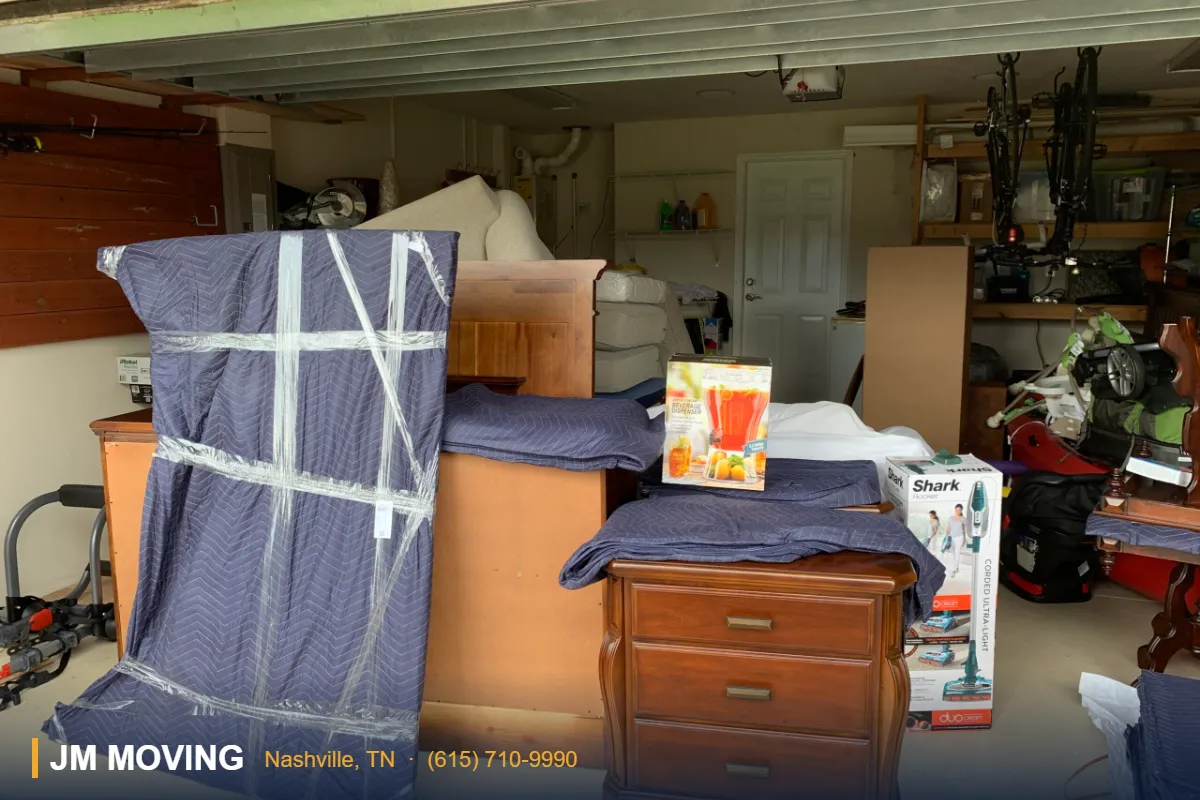
- Furniture wrapped in moving pads, never carried bare.
- Art, pianos and safes wrapped with written condition notes before loading.
- Custom crating for art and mirrors when padding alone is not enough.
- Heavy items loaded low and toward the front of the truck, with straps and filled gaps so nothing shifts.
Safe for the crew and your family
- Enough movers for the heaviest items, so nobody lifts beyond a safe limit.
- Proper equipment: dollies, straps, piano boards and ramps.
- Clear walkways, with children and pets kept away from the carry path.
- A crew lead who plans the route for large pieces before lifting.
Safety Risks That Are Easy to Overlook
Wet or icy steps
Rain and occasional winter ice make porches, ramps and driveways slippery. The crew lays protection at entries and slows down on wet surfaces. In severe weather, we may suggest adjusting the start time.
Summer heat
Middle Tennessee summers are hot and humid. Early starts help, and keeping water available for everyone makes a difference.
Steep driveways and hillside homes
Homes in Bellevue, Forest Hills, Oak Hill and other hilly areas may require parking the truck on level ground and carrying farther. Safety comes before convenience.
Choosing a Safe Mover
Ask any mover how it protects your home, how many movers it will send for your heaviest items and whether its crews are its own employees. A safe mover answers those questions in detail.
Rates
JM Moving’s local rates are $250 per hour for two movers and a truck and $350 per hour for three movers and a truck, full service, with no charge for travel time, fuel, one flight of stairs, elevators or tax on local moves. We work 24/7; call (615) 710-9990.
Safety in High-Rise and Condo Moves
Buildings in downtown, Midtown and The Gulch add their own safety considerations: padded elevator cabs, protected lobby floors, loading docks shared with deliveries and limited time windows. Rushing to beat a reserved window is when accidents happen, which is why we plan crew size around the building’s schedule rather than squeezing the job. Because JM Moving operates around the clock, we can choose the window that gives the crew enough time to work safely, whether that is early morning, evening or a weekend.
Safe Handling of Pianos and Safes
Pianos and safes are the heaviest items in most homes and the most likely to cause injury or damage if handled poorly. They need the right number of movers, the right equipment and a planned route, especially on stairs. We ask about the type of piano or the approximate size of the safe in advance, plan the path to the truck and wrap both with written condition notes before they move. If the route includes steep exterior steps or a tight turn, we discuss it with you before moving day.
Request a Safe Moving Quote
Call (615) 710-9990 with the model, empty weight, dimensions, addresses, steps, access photos, and preferred date.
Safe Movers Nashville TN — 10 Practical Planning Tips
- Provide the safe type, dimensions, and estimated weight before booking.
- Measure all doors, halls, stairs, and elevator openings.
- Confirm floor strength and destination placement.
- Empty contents when appropriate and keep valuables with you.
- Identify steps, slopes, tight turns, and limited access.
- Clear the carrying path before the crew arrives.
- Tell the crew about bolting or anchoring before service.
- Protect floors and walls along the moving route.
- Keep children and pets away from the work area.
- Review the specialty handling scope and access details in writing.
Need help with your Nashville move? Call (615) 710-9990, explore local moving services in Nashville, or request a written quote.
Related JM Moving guides: Nashville Moving Blog and Planning Guide
