
Nashville Moving Day Checklist | JM Moving
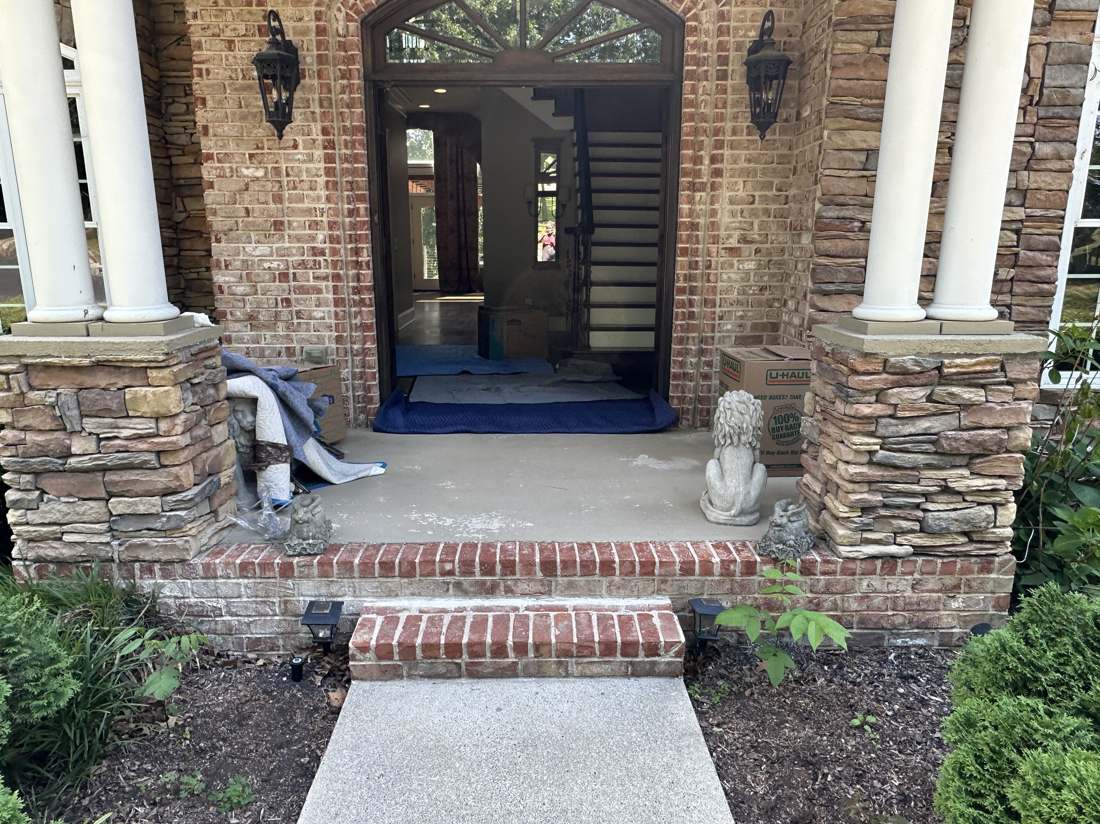
Most moving day disasters don’t actually start on moving day. They start the week before, when nothing is packed, nobody confirmed the movers, and the only labeled box says “misc.” A solid Nashville moving day checklist changes all of that. This guide gives you everything you need: a 30-day prep plan, a night-before routine, an hour-by-hour moving day timeline, and an open-first essentials box list you can actually use.
Moving day is a single-day event with no second take. A structured moving day checklist is the difference between arriving at your new home calm and functional versus hunting for your toothbrush at midnight with no sheets on the bed. Each section below is organized by time block so nothing falls through the cracks.

30 days out: the prep work that actually makes moving day easy
Everything that goes wrong on moving day was preventable four weeks earlier. This planning window is where the real work happens, and it takes far less effort than you’d expect if you tackle it in small, focused steps.
Book your moving crew before your schedule fills up
Thirty days out is the sweet spot for booking professional movers. Weekends and month-end dates disappear fast, especially in a city like Nashville where demand stays high year-round. Lock in your crew now so your date is held and your price is confirmed. JM Moving, Flat Rate King offers a free instant online quote organized by home size, so you get a flat-rate price in minutes without phone tag or vague estimates. Flat-rate pricing also means no billing surprises when the last box comes off the truck.
Confirm utilities, address changes, and access logistics
Schedule utility shutoffs at the old home and activations at the new one for electricity, gas, water, and internet. File your USPS change-of-address form online and update your bank, subscriptions, and insurance. If your building requires elevator reservations or parking permits for moving day, request them now. Skipping these tasks doesn’t just create inconvenience, it creates real-time crises when the truck is already loaded.
Build your supply list and start decluttering
Gather your moving day supplies now: packing tape and a tape gun, permanent markers, extra boxes in multiple sizes, furniture pads, a box cutter, and a basic tool kit with screwdrivers, a wrench, and hex keys. Start decluttering room by room, sorting into keep, donate, sell, and discard piles. Every item you don’t move is money you don’t spend moving it.
Moving Day Checklist: Night-Before Essentials
The night before is the last checkpoint before game day. Nail this block and you start moving morning calm instead of scrambling.
What goes in your open-first box
An open-first box holds everything you need for the first 24 to 48 hours so you’re not digging through a dark truck at 10 PM. Pack it the night before and load it last so it comes off the truck first. Here’s what goes in:
- Bedding: sheets, pillows, and blankets for every bed
- Bathroom basics: toilet paper, soap, toothbrush, toothpaste, shampoo, towels, and a shower curtain if you need one
- Clothes: one change of clothes, pajamas, socks, and underwear
- Chargers and power: phone chargers, an extension cord, and a flashlight
- Cleaning supplies: all-purpose cleaner, paper towels, trash bags, and disinfectant wipes
- Basic tools: box cutter, screwdriver, and a wrench
- Kitchen basics: bottled water, snacks, paper plates, plastic utensils
- First aid and meds: a first aid kit, prescriptions, and a pain reliever
- Important items: ID, move paperwork, cash, and pet supplies if applicable
Label this box clearly on all four sides. Tell the crew it travels with you, not on the truck. Pro tip: save this list as a moving checklist printable so you can check off items as you pack.
Final packing sweep and the “do not load” pile
Walk every room one last time. Strip the beds and empty the fridge of anything perishable. Build a clear “do not load” pile that includes your car keys, important documents, medications, valuables, and the open-first box. These items travel with you in the car. Confirm the crew’s arrival time so the morning timeline is already set before you go to sleep.
Lay out supplies and prep walkways
Set packing tape, markers, and extra boxes near the door. Clear all doorways, hallways, and stairs of obstacles so the crew can move without detours. Charge all phones and devices. Getting to bed at a reasonable hour is itself a moving day task, exhaustion creates real mistakes.
Moving Day Checklist: Morning Timeline
The morning block is the most time-pressured part of the day. The moving day timeline below gives you a clear structure from wake-up through crew arrival and loading.
| Time | Task | Why it matters |
|---|---|---|
| 6:00, 7:00 AM | Wake up, eat a real breakfast, get dressed in comfortable clothes and closed-toe shoes | Moving is physical work; starting fueled prevents mid-morning crashes |
| 7:00, 7:30 AM | Sweep every room, closet, cabinet, drawer, and appliance interior | Catches forgotten items before loading starts |
| 7:30, 8:00 AM | Stage all boxes near the exit; confirm “do not load” pile is separate | Crew walks in and starts immediately without sorting confusion |
| 8:00, 8:30 AM | Movers arrive; do a walkthrough, point out fragile items, confirm destination address | A five-minute alignment prevents hours of confusion later |
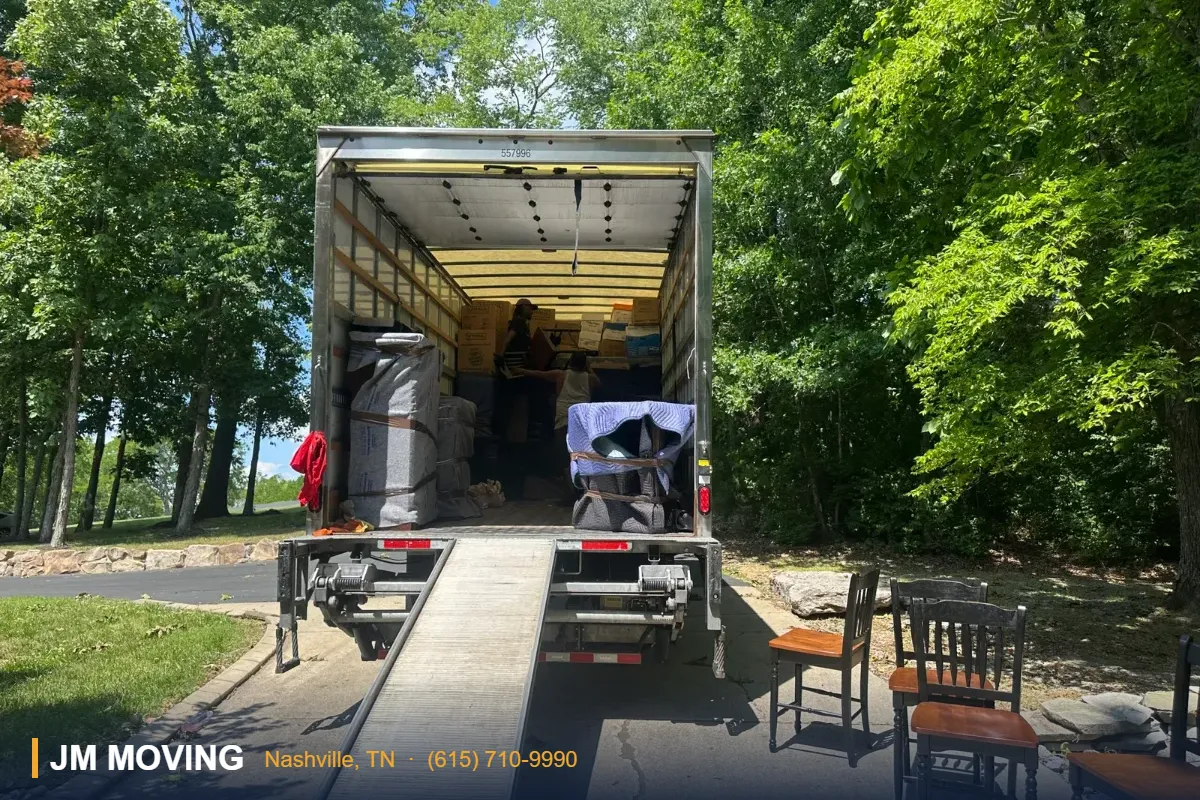
| 8:30 AM, 12:00 PM | Loading; stay available but out of the crew’s path | Loading is the longest phase; hovering slows it down |
The mover arrival walkthrough
When the crew rings the doorbell, walk the home with them before anything moves. Point out fragile boxes, high-value items, and furniture that needs disassembly. Confirm the destination address and any access details for the new home, including parking, elevator codes, or gate instructions. This five-minute conversation is the single most effective thing you can do to prevent unloading problems. Keep the open-first box and the “do not load” pile clearly marked and tell the crew which is which before the first piece of furniture moves.
Loading and transit: your job while the truck fills up
Most people don’t know what their role is during loading. Here’s the answer: stay available for quick decisions, keep walkways clear, and handle any last-minute packing the crew flags. You don’t need to lift anything the crew has covered. Hydrate, stay calm, and let the crew work.
Utilities, meter readings, and paperwork before you leave
Before the truck pulls away, photograph all utility meters, electricity, gas, water, with a clear close-up and a wider shot showing the meter’s location and serial number. Record the reading, date, and time in your notes. This protects you from billing disputes. Grab any access hardware that stays with the property: garage remotes, keypad codes, and mailbox keys.
The final walkthrough of your old home
After the truck is loaded, walk every room one last time. Check inside closets, cabinets, the attic, the basement, the garage, and outdoor storage, then open every appliance and scan shelves and floor corners. The most commonly forgotten spots are the attic, garage, and behind doors. Take photos of each empty room for your records. Once you hand over the keys, this chapter is done.
At your new home: unloading, room placement, and closeout
Arrival shifts the checklist from departure to setup. A clear plan here prevents the “boxes everywhere, nothing functional” scenario that makes the first night miserable.
Arrive before the truck and prep the destination
Get to the new home before the moving truck if you can. Confirm parking, unlock all entry points, and decide where the major furniture pieces go before unloading starts. Walk the crew through the floor plan so boxes land in the right rooms from the start. A rough sketch on a notepad saves far more time than redirecting a couch three times.
Moving Day Checklist: New Home Setup, Priority Rooms First
Direct the crew to set up beds and essential bedroom furniture first. Night one should be comfortable, period. The bathroom basics from your open-first box go in next. Kitchen boxes can wait; the priority is making the home livable by end of day, not unpacking every pan before anyone has slept.
Inventory review, paperwork, and payment closeout
Before the crew leaves, walk through the inventory list and photograph anything that looks damaged in transit. Complete all paperwork and confirm the final bill matches your estimate. A flat-rate quote eliminates this stress entirely: the number agreed on at booking is the number you pay. Thank the crew, tip if they earned it, and collect any signed paperwork for your records.
Moving day mistakes worth avoiding
The planning mistakes that snowball into chaos
The most common planning errors are booking movers too late (popular Nashville weekends fill up weeks in advance), underestimating packing time, hiring an unvetted mover without checking licensing and insurance, and failing to measure large furniture against doorway dimensions at the new home. Every one of these problems has the same fix: earlier action. A complete moving day checklist built 30 days out neutralizes all of them before they become day-of emergencies.
The day-of mistakes that create days of unpacking misery
Boxes labeled “misc.” are a guaranteed two-week headache. Overpacked boxes break or injure someone. Forgetting to separate the open-first box means digging through a full truck in the dark.
Skipping the final walkthrough means leaving something behind with no easy way to retrieve it. And perhaps the most avoidable mistake: forgetting to confirm utility activation at the new home before arrival. One phone call during planning prevents arriving to no electricity or no water. Each of these is a one-minute fix during prep and a multi-hour problem on moving day.
Nashville Moving Day Checklist: Local Access and Timing Details
A general checklist covers boxes and utilities. A Nashville moving day checklist also has to account for how the truck actually reaches your door. Neighborhoods on the west and south side of town each bring their own access questions, and sorting them out a week early keeps the crew loading instead of waiting at the curb.
7 access checks to finish the week before
- Street parking: In Sylvan Park, West End and parts of Midtown, streets can be narrow and lined with parked cars. Ask neighbors to leave space near your driveway or curb on moving morning.
- Building rules: Downtown and Midtown apartment buildings often require a reserved elevator window, a certificate of insurance and a specific loading door. Get the rules in writing from the property manager.
- HOA and gated entries: Communities in Brentwood, Franklin, Nolensville and Bellevue may have gate codes, truck-size limits or approved moving hours. Share those details with your movers when you book.
- Driveways and slopes: Homes in Belle Meade, Forest Hills, Oak Hill and West Meade can sit on long or steep driveways. Tell the crew so they can plan where a 26-foot box truck can safely park.
- Stairs and long carries: Count the flights of stairs and estimate the walk from the truck to the door at both addresses.
- Oversized items: Measure pianos, sectionals, safes and gym equipment against doorways and stair turns.
- Weather backup: Keep floor runners, old towels and a spare tarp ready in case of rain.
How Nashville Movers Use Your Checklist on Moving Day
Experienced Nashville movers work from the information you give them at booking. When the inventory, stairs and parking notes are accurate, the crew can bring the right number of people, pads and tools. When details change, such as a new storage unit stop or a heavy item you forgot to mention, call before moving day so the plan and the written price can be reviewed.
Questions to ask before you book a moving company Nashville crew
- Is the price a flat rate in writing, and what would change it?
- What is included: disassembly, reassembly, furniture pads, shrink wrap and mattress covers?
- How do you handle an extra stop, such as a storage unit or a second address?
- What happens if the building elevator is delayed or the parking plan falls through?
- Are you available for early starts, evenings or weekend moves?
These questions apply whether you are comparing small local movers Nashville neighbors mention or a larger regional company. Clear written answers now prevent disputes on moving day.
Where packing services Nashville customers add fit into the timeline
If packing is falling behind, professional packing can be scheduled for the day before the move so the truck day stays focused on loading. Many people pack clothes, books and decor themselves and leave kitchens, artwork and fragile items to the crew. JM Moving offers packing services as a full or partial add-on, and the scope is listed on your written estimate.
Why flat rate movers Nashville customers book make budgeting easier
With flat rate movers Nashville households know the price before the truck arrives. The number still depends on inventory, access and date, so the most accurate way to budget is a free written moving quote built from your actual inventory. JM Moving is family-owned with 23+ years in moving and is available 24 hours a day, 7 days a week, including after-hours and emergency moves, for local moving services across Green Hills, Bellevue, Brentwood, Franklin and the rest of west and south Nashville.
More Moving Day Checklist Questions
How far ahead should I book movers in Nashville?
About 30 days is a good target, and earlier for weekends and month-end dates. After-hours and emergency moves may still be possible on short notice, so call (615) 710-9990 to check availability.
Do I need a parking or elevator reservation?
Many Downtown and Midtown buildings and some HOA communities require them. Ask your property manager or HOA the week before and share the rules with your crew.
What should I do if my inventory changes?
Tell your mover as soon as possible so the crew size, truck space and written price can be reviewed before moving day.
You’re ready: now execute
A strong moving day checklist isn’t just a list of tasks. It’s a timeline that keeps every phase, from 30-day prep through final key handoff, moving forward without stalling. The two steps most people skip are the open-first box and the mover walkthrough on arrival. Both take less than ten minutes and prevent hours of problems. These moving day tips and tricks are simple in isolation; together, they’re what separates a smooth move from a stressful one.
If the moving crew isn’t booked yet, that’s the next step. JM Moving, Flat Rate King offers transparent flat-rate pricing by home size, seven-day-a-week availability, and same-day moves when the schedule allows. Request a flat-rate quote by calling the team at (615) 710-9990 or reach out directly for a free estimate. No hidden fees, no guesswork, just a confirmed price and a date on the calendar. Your moving day checklist starts with a crew you can count on.
Nashville Moving Day Checklist
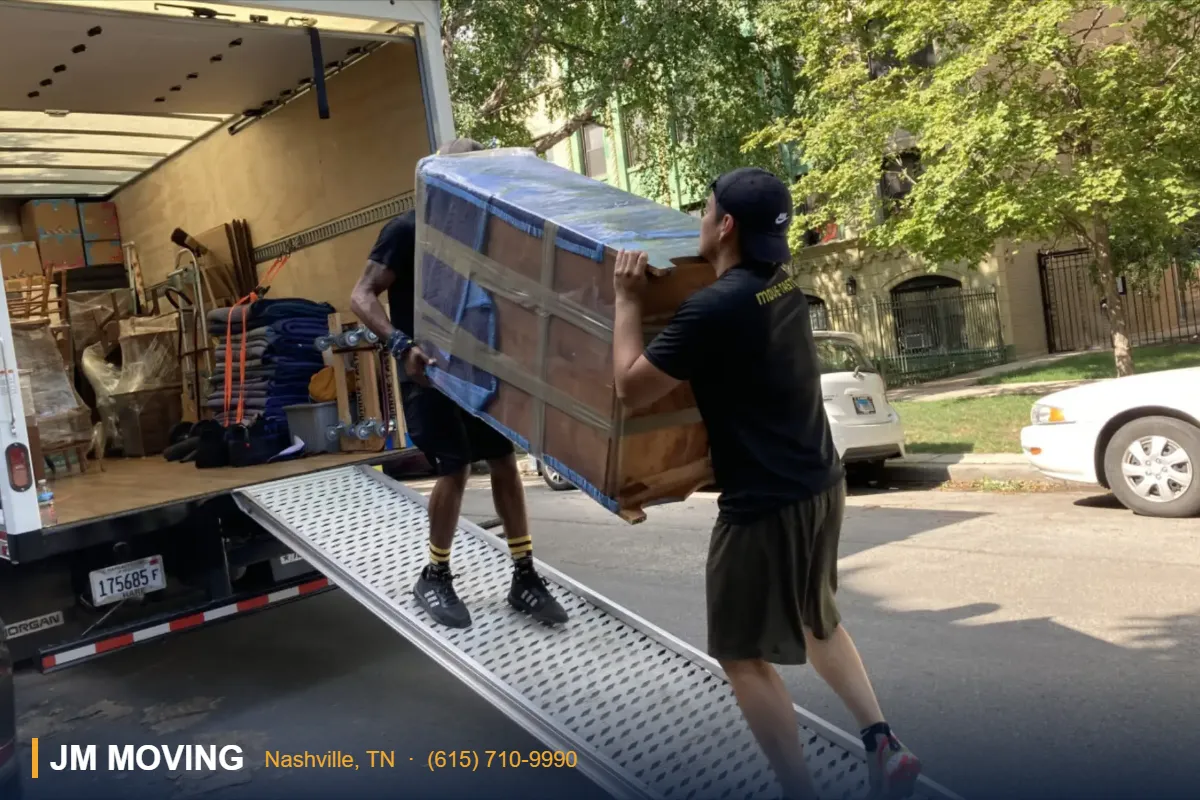
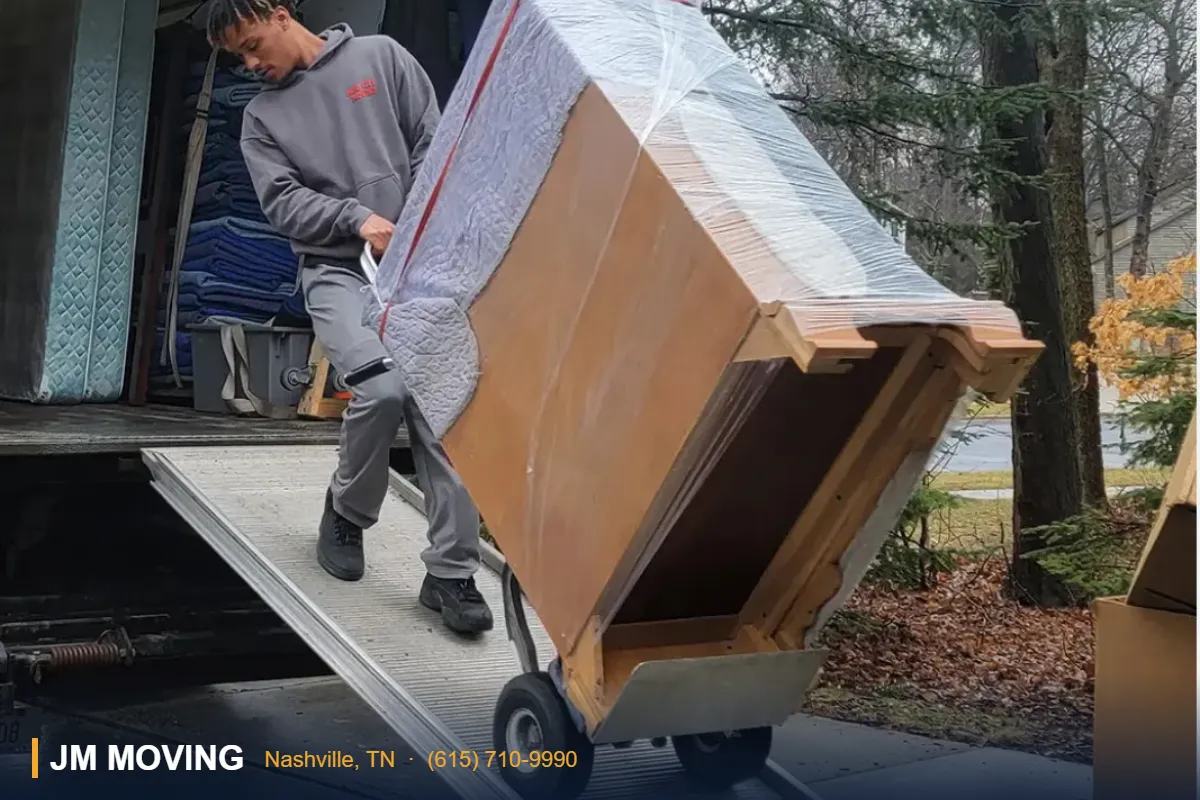
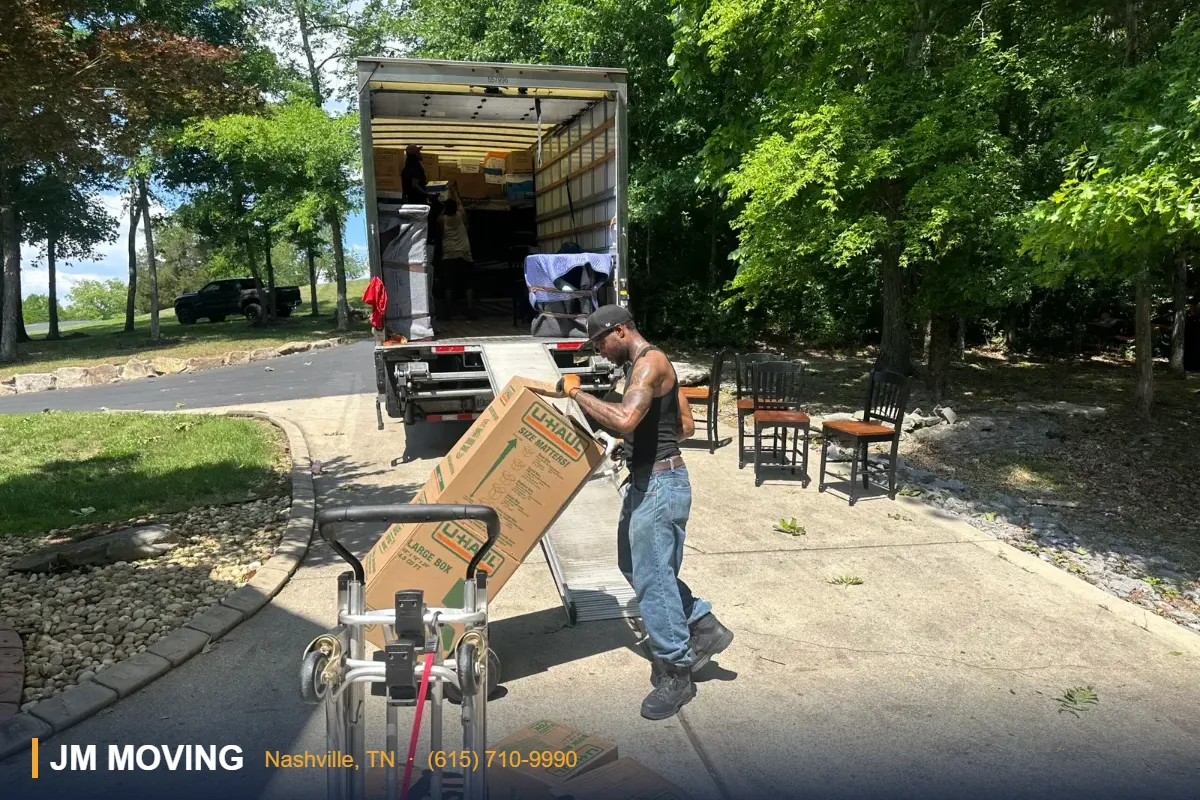
Nashville Moving Day Checklist Photo Gallery
Frequently Asked Questions
When should planning begin?
Begin as early as practical so the inventory, access, services, and preferred schedule for a Nashville moving day can be reviewed.
What details should be shared?
Provide the origin, destination, date, inventory, stairs, elevators, parking rules, and large or fragile items.
Should the scope be in writing?
Yes. A written scope helps the customer and moving team confirm included services and responsibilities.
How should boxes be labeled?
Label each box by destination room, contents category, and handling priority without listing sensitive valuables.
What should stay with the customer?
Keep identification, medication, keys, important documents, and irreplaceable personal items with you.
How are access restrictions handled?
Confirm building and parking rules early and tell the mover about any changes before moving day.
Can packing help be requested?
Packing options can be reviewed according to the inventory, timing, and services needed.
What happens if the inventory changes?
Report additions or removals promptly so the written scope and moving plan can be reviewed.
What should be checked before departure?
Walk through closets, cabinets, storage areas, hallways, and the loading location before leaving.
How should delivery be organized?
Direct furniture placement first, then place labeled boxes by room and confirm the final walkthrough.
When the checklist is done, book our local movers Nashville TN for a house move, our apartment movers in Nashville for a unit or condo, or get a fixed written price from our flat rate movers.
Related JM Moving guides: Pet Care Handoff Checklist for a Nashville Moving Day