
How to Pack Fragile Items for a Move
Fragile Item Packing Checklist
- Choose a sturdy box sized for the protected item.
- Reinforce the bottom and seams with packing tape.
- Wrap each fragile piece separately.
- Cushion every side of the box.
- Keep glass and ceramic pieces from touching.
- Fill empty space without over-compressing items.
- Label the destination room and handling instructions.
- Keep valuables and essential documents with you.
- Load fragile boxes where they cannot shift or bear heavy weight.
- Open each fragile box on a stable surface.
| Item | Recommended protection |
|---|---|
| Glassware | Individual wrapping, dividers, and complete cushioning |
| Artwork | Corner guards, flat protection, and clear labels |
| Electronics | Original or fitted boxes, padding, and cable labels |
| Mirrors | Corner protection, face covering, and upright handling |
The right materials for packing fragile items for moving
Wrapping materials: packing paper, bubble wrap, and foam compared
Box strength matters more than most people realize
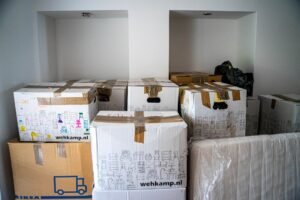
Void fill and what to skip
Packing fragile items for moving: dishes, glassware, and stemware
Packing plates and china correctly
The right technique for wine glasses and stemware
Packing fragile items for moving: artwork, mirrors, and framed pieces
Framed art and glass-fronted pieces
Mirrors and canvas: special handling rules
Electronics and other high-value fragile items
Packing TVs, monitors, and small devices
Other specialty fragile items: lamps, ceramics, and collectibles
How to label and load fragile boxes in the truck
Labeling fragile boxes so movers actually notice
Loading sequence and placement in the moving truck
Common packing mistakes and when to let professionals handle it
Mistakes that cause most of the breakage
When professional packing makes more sense than DIY
Quick FAQ: packing fragile items for moving
Pack it right, and it arrives right
Plan Your Next Step With JM Moving
Use this How to Pack Fragile Items guide to prepare your questions, inventory, access details, and requested services. Call (615) 710-9990 or use the online moving quote form to request a written plan.
How to Pack Fragile Items Photo Gallery
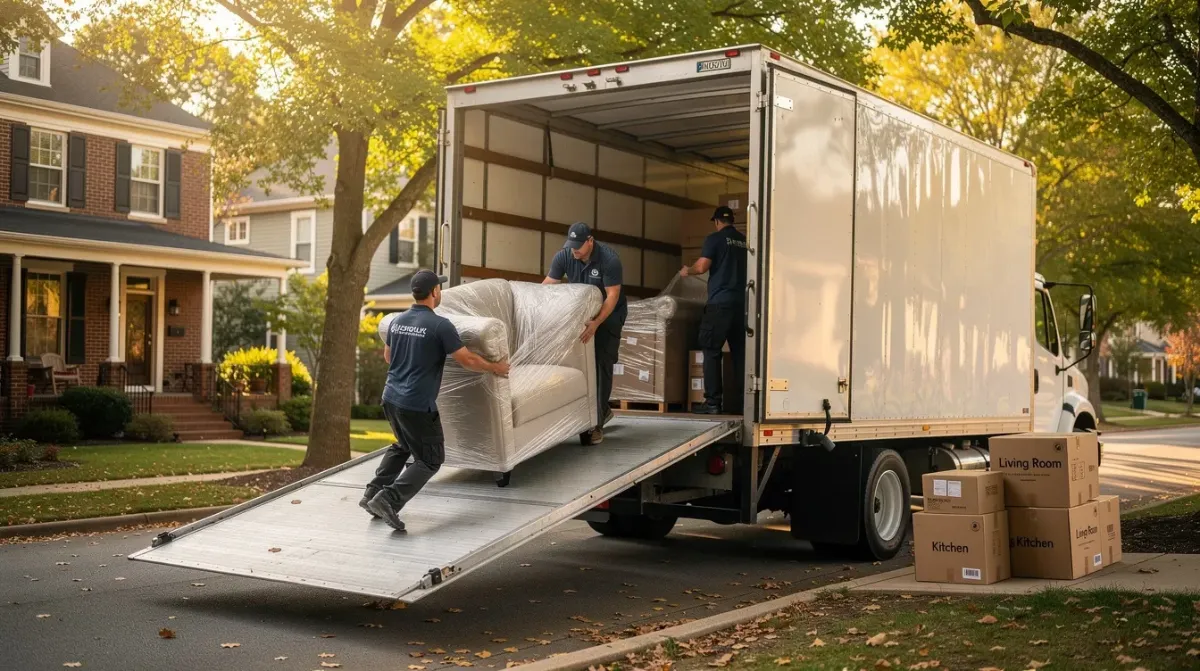
You open the first box at your new place, and one of your grandmother’s wine glasses is in pieces at the bottom. Most people assume that’s just part of moving, the cost of doing business. It isn’t. Breakage when packing fragile items for moving is almost always preventable. It almost always traces back to the same culprits: wrong materials, skipped steps, or boxes thrown together in a rush on moving morning. The team at JM Moving in Nashville packs fragile and specialty items every week, and the pattern holds consistently, when the right materials and sequence are used, things arrive intact.
This guide walks through every layer of protection your breakables need, from wrapping materials and box selection to specific techniques for glassware, china, artwork, mirrors, and electronics. You’ll also get clear advice on labeling and loading so movers treat each box correctly from the truck to your front door. By the end, you’ll have everything you need to either pack confidently yourself or know exactly when it’s smarter to call in a professional team.
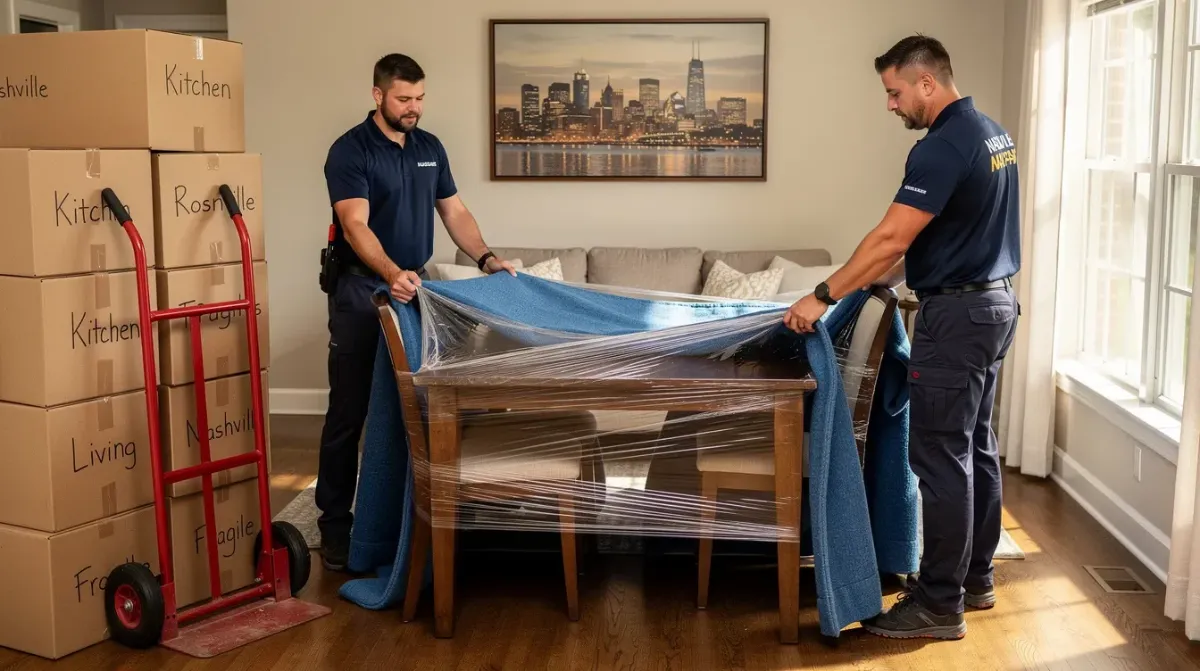
Packing paper is your first layer for almost every fragile item. It protects surfaces from scratches and prevents items from rubbing together during transit. That friction is a surprisingly common cause of damage people wrongly attribute to impact. Bubble wrap is your second layer: the air pockets absorb shock and vibration, which is especially important on long-distance moves where boxes go through multiple load and unload cycles. For high-value or irregularly shaped items like crystal, heirlooms, or electronics, foam sheets or custom foam inserts provide the strongest protection because they conform to the item’s shape.
The order always matters: wrap first, cushion second, then box. This sequence exists because placing an unwrapped item directly against bubble wrap lets the air pockets compress unevenly, leaving pressure points at edges and corners, exactly where breakage starts.
Standard single-wall corrugated boxes work fine for light, low-fragility items, but they’re not the right choice for anything breakable. Double-wall corrugated boxes are the correct default for packing breakables for a move. They have two fluted layers and three linerboards, which gives them roughly twice the stacking resistance of a single-wall box. That matters considerably when six other boxes are loaded on top of yours in the truck. Before you put a single item in any fragile box, reinforce the bottom seam with two strips of packing tape so the bottom won’t blow out under the weight. Choosing the right box strength is one of the most overlooked steps when packing fragile items for moving.
Packing peanuts and air pillows serve one purpose: stopping items from shifting inside the box. If there’s any empty space once you’ve packed the items, fill it completely before sealing. A box that shifts internally is a box that breaks. Avoid newspaper, ink transfers onto surfaces, and it provides almost no cushioning. Grocery bags offer zero shock absorption. Stick to purpose-built void fill and you eliminate a significant source of in-transit damage. Skipping proper void fill is one of the most common mistakes people make when packing fragile items for moving.
The single biggest mistake people make with plates is stacking them flat. Always pack plates vertically, on edge, the same way you’d place them in a dish rack. This distributes weight across the plate’s strongest axis and prevents stacking pressure from cracking the center. Use a dish-pack box or a double-wall box, reinforce the bottom with extra padding, and place crumpled packing paper between each plate. Cell dividers are worth buying for any valuable china; they keep individual pieces separated so they can’t knock against each other during transit. This stacking method is one of the easiest wins when packing fragile items for moving.
Layer the box in order: cushioned base first, plates on edge in rows, crumpled paper filling all gaps, then a cushioned top layer before sealing. The box should feel snug when you press the flaps down; nothing should shift when you give it a gentle shake.
Start by stuffing the bowl of each glass with crumpled packing paper. This supports the inside of the bowl and helps the glass hold its shape during the wrap. Use the diagonal roll-and-tuck method: lay the glass near one corner of a packing paper sheet, roll it diagonally so the paper wraps tightly around the bowl and stem, fold in the side edges at the halfway point, then tuck the remaining paper under the base. For delicate stems, add an extra layer of paper specifically around the stem before boxing.
Place each glass upright in its own divider cell, never on its side. Fill every gap between cells with crumpled paper so the glasses can’t shift even if the box tips slightly during loading. Label the box “Fragile” and “This Side Up” with arrows on at least three sides, and load it only after heavier boxes are already secured in the truck.
If the piece has glass, tape an X across the surface with painter’s tape before doing anything else. This holds shards together if the glass breaks and makes cleanup significantly safer. For the first protective layer, use glassine or acid-free tissue paper placed directly against the artwork, never use tape on the artwork itself or on the frame finish. Add corner guards or folded cardboard triangles to all four corners, then wrap the entire piece in bubble wrap and slide it into a specialty picture box sized to fit snugly.
A snug box is always safer than a slightly oversized box with extra padding floating around the piece. The more a framed item can move inside its packaging, the more likely it is to strike the box walls and break at the corners or across the glass.
For large mirrors, follow the same layered approach as framed art, with extra attention at the corners and edges where mirrors are most vulnerable. After bubble wrapping, place the mirror in a mirror box or create a cardboard sandwich that fits the piece’s dimensions. For loose canvas not on a stretcher, roll it loosely in acid-free paper and store it in a tube; folding a canvas cracks the paint, and that damage is permanent.
Every framed art piece and mirror in the truck should travel vertically, on edge, secured so it cannot tip or slide. Flat placement puts the full weight of the glass or frame across the center of the piece, which is exactly where it’s weakest on long drives.
Original manufacturer boxes are the safest option for any electronics because they’re engineered for that exact product. If you no longer have the original box, use a double-wall box with foam sheets lining all four sides and the bottom. Before any additional wrapping, cover the screen in a clean microfiber cloth or anti-static foam; never use newspaper directly against a screen, as it scratches the screen surface and leaves ink residue. Once wrapped, mark the box with orientation arrows so it stays upright and movers know not to lay it flat at any point during transit.
Lamp shades need their own box, always. Packing a shade with the base or alongside other items crushes the shade and usually scratches the base in the process. Fill the shade’s box with crumpled packing paper to prevent it from shifting or collapsing inward. For ceramics and collectibles, wrap each piece individually and pack them tightly enough that pieces can’t collide, but not so tightly that they’re under sustained pressure.
For anything irreplaceable, use double-boxing: place the item in a smaller cushioned inner box, then pack that box inside a larger outer box with void fill surrounding it on all sides. Before sealing any box containing a high-value item, photograph it clearly. That documentation is your insurance record if anything goes wrong, and it takes less than a minute to do. Taking this extra minute pays off every time you’re packing fragile items for moving.
Write “FRAGILE” in large, bold letters on the top and at least two side panels. One label on one side is easy to miss when boxes are stacked; labels on three sides are not. If the contents must stay in a specific orientation, add “THIS SIDE UP” with arrows pointing upward on every labeled panel. Include the destination room and a short handling note on the same panel, something like “Handle with care, glassware”, so movers know where it goes without setting the box down sideways to read it. Use a red or bright marker, or add a strip of colored tape, to make fragile boxes visually distinct in a loaded truck. Clear labeling like this makes a real difference when packing fragile items for moving.
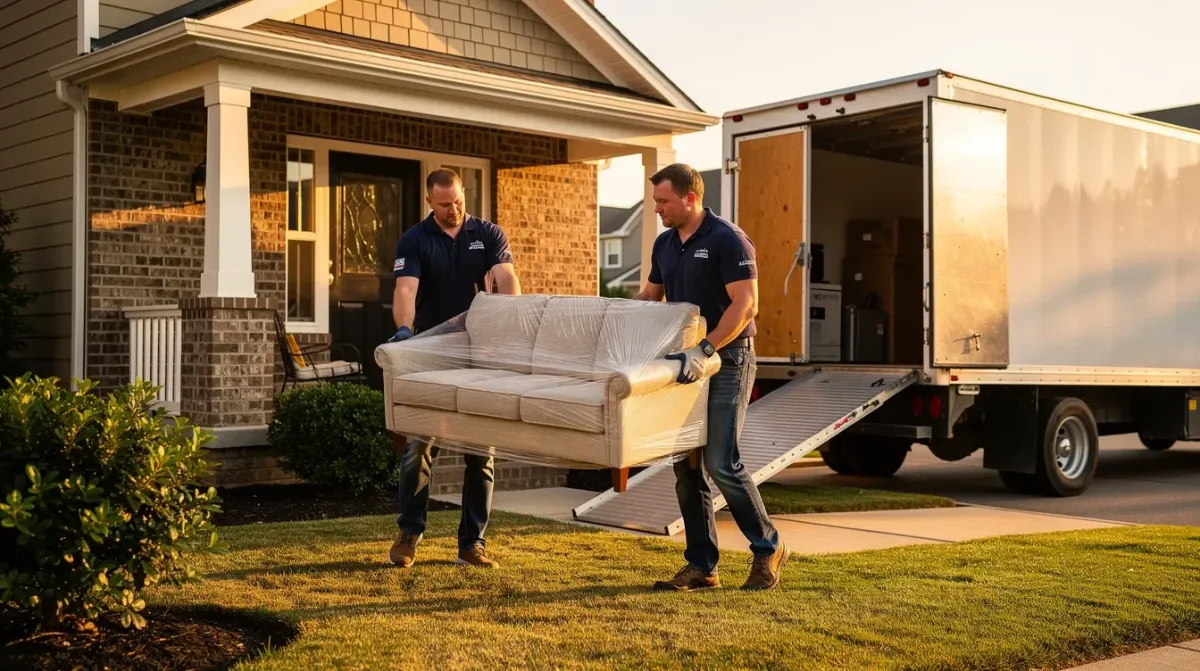
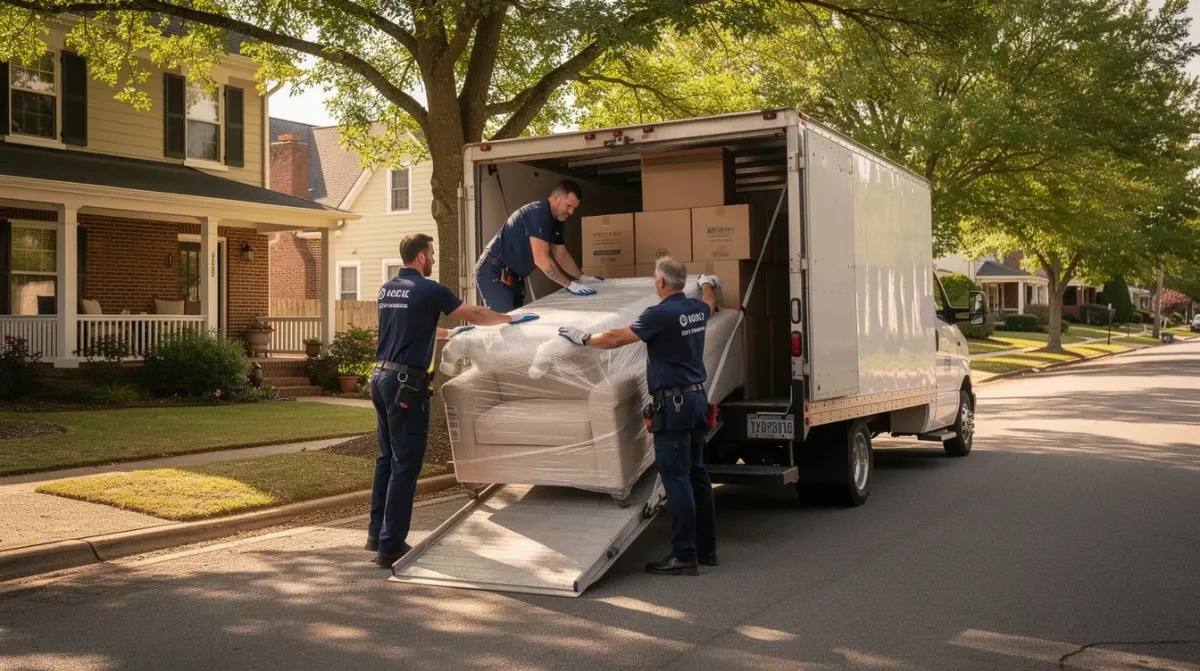
Fragile boxes load last. They ride on top of heavier, denser boxes and away from furniture edges that can shift during transit. Boxes marked “This Side Up” stay upright throughout loading and the entire drive, with no exceptions. Once fragile boxes are in position, secure them so they can’t slide during sharp turns or hard braking. Tell your movers which boxes are fragile before loading starts so they can plan the load order with those boxes in mind from the beginning, not as a last-minute adjustment.
Overpacking a box so items press against the sealed lid is one of the most consistent causes of cracking, because the lid itself applies downward pressure when boxes are stacked. Underpacking creates the opposite problem: air gaps mean items shift and collide with every turn and bump in the road. Using boxes that are too large for fragile items gives contents more room to move, which translates directly to more impact against the walls.
Skipping wrapping on items that seem durable, like ceramic mugs or thick glass, is a routine error because edges and handles are always more vulnerable than the body of the piece. Not reinforcing box bottoms before packing causes blowouts under heavier loads at exactly the wrong moment. Getting the loading order right is just as important as packing fragile items for moving correctly in the first place.
Time-sensitive moves, high-value collections, antiques, large mirrors, and long-distance relocations are all situations where professional packing reduces risk significantly. Long-distance moves involve more handling, more loading cycles, and more road vibration than a local job, and that extra stress on improperly packed items shows up as breakage. JM Moving’s professional packing team in Nashville wraps fragile and specialty items with furniture-grade materials, handles disassembly where needed, and manages everything from china sets to large framed mirrors, so nothing arrives broken and nothing gets left behind. If your move involves irreplaceable items or a tight timeline, the cost of professional packing delivers clear value.
Can I use clothes or towels instead of packing paper? Soft clothes work as a secondary layer but not a primary wrap. They don’t provide the same consistent cushioning as packing paper or bubble wrap, and folded fabric creates uneven pressure points across a fragile surface that can cause cracking under load. Reinforcing weak spots like this is essential when packing fragile items for moving.
How many layers of bubble wrap do fragile items need? At least two full layers, with extra attention to corners and edges where impact concentrates first. For very delicate items, three layers plus foam at the corners is the right approach, particularly for long-distance moves.
Should I pack fragile boxes myself or let movers pack them? Both approaches work, the risk with DIY is rushing or substituting materials. Professional packers use tested materials and proven packing sequences that reduce breakage significantly, especially on moves where boxes go through multiple handling stages before they reach your new home.
Moving fragile belongings safely comes down to preparation, not luck. Use the right materials in the right order, match your technique to the item in front of you, and label every box so your movers know exactly how to handle it. None of these steps are complicated, but they all take time. Rushing is the number one cause of breakage. Start packing fragile items for moving several days before move day, not the morning of, and you’ll sidestep the mistakes that lead to broken glass and cracked frames. A careful approach to packing fragile items for moving is what separates a smooth move from a stressful one.
If you’d rather hand off the fragile items to an experienced crew, JM Moving offers professional packing services alongside our full local and long-distance moving options in Nashville and across Middle Tennessee. We’re licensed and insured, available seven days a week, and have been handling moves like yours for over 23 years. Reach out to our team to request a free flat-rate quote, and we’ll make sure every glass, frame, and collectible arrives exactly the way it left.
Related JM Moving resources: how to pack a kitchen for moving, Nashville packing services, residential movers in Nashville.


Packing Fragile Items Frequently Asked Questions
When should fragile-item packing begin?
Begin early enough to sort materials and pack without rushing.
What box should be used?
Use a sturdy box sized for the protected item and its cushioning.
How much cushioning is needed?
Use enough cushioning to prevent contact with the box walls and other items.
Should empty space remain in a box?
Fill open space so contents cannot shift, while avoiding excessive pressure.
How should glassware be packed?
Wrap pieces separately, use cell dividers when suitable, and cushion every side.
How should artwork be protected?
Use corner protection, flat packing materials, and clear handling labels.
What belongs in an essentials box?
Keep medication, documents, chargers, basic kitchen items, and daily necessities accessible.
How should boxes be labeled?
Mark the destination room and fragile handling instruction on multiple sides.
What should be checked before loading?
Check closures, box condition, labels, and the loading plan before the item moves.
How should fragile items be unpacked?
Open boxes on a stable surface, remove cushioning carefully, and inspect items one at a time.