Local Moving Tips Nashville: Plan Your Move Step by Step

Welcome to the Local Moving Tips Nashville | Expert Guide from JM Moving. Searches for local moving tips Nashville often lead to short claims, ads, or incomplete comparisons. This practical JM Moving guide helps Nashville residents evaluate planning a local move in Nashville with clearer questions, a documented scope, and realistic expectations. The goal is an informed decision based on current, verifiable details—not hype.
Use this Nashville local moving checklist with packing tips for Nashville moves, Nashville moving-day preparation, local relocation planning tips and Nashville neighborhood moving advice.
Request a Written Local Moving Quote or call JM Moving at (615) 710-9990.
A short-distance move still requires careful scheduling, access planning, packing, and a written scope. Nashville traffic, building rules, parking, stairs, and elevator reservations can affect the plan.

Quick answer for Nashville customers
The safest next step is to write down the complete move and request a detailed written estimate. Confirm the service date, pickup and delivery addresses, inventory, access conditions, labor, transportation, protection, optional packing, and payment terms. Read the agreement before paying or signing. If information changes, request the revision in writing.
Define the move before requesting estimates
Prepare the same information for every company: both addresses, preferred date, flexibility, home or office size, stairs, elevators, parking limits, long carries, fragile pieces, bulky items, and packing needs. A consistent inventory produces a more useful comparison and reduces surprises caused by an incomplete scope.
Separate essential services from optional services. Decide whether you need packing, unpacking, loading, unloading, furniture protection, disassembly, reassembly, or long-distance coordination. Then ask each provider to identify what is included and what could change the final amount.
What a complete written estimate should cover
| Item | What to confirm | Why it matters |
|---|---|---|
| Inventory | Rooms, boxes, furniture, fragile and bulky items | Reduces scope changes |
| Access | Stairs, elevator, parking, gates and walking distance | Affects labor planning |
| Services | Packing, loading, transport, unloading and setup | Clarifies inclusions |
| Timing | Arrival window, estimated duration and delivery plan | Supports coordination |
| Terms | Payment, changes, cancellation and claims process | Prevents misunderstandings |
A practical booking checklist
- Create a room-by-room inventory and identify oversized or delicate items.
- Photograph valuables and note existing damage before moving day.
- Confirm parking, loading-zone, elevator, gate and building requirements.
- Request written estimates based on the same inventory and service level.
- Ask which services are included and which situations may change the price.
- Review payment, rescheduling, cancellation and claims terms.
- Verify credentials appropriate to the type and route of the move.
- Keep essential documents, medication, keys and chargers with you.
- Label boxes by room and mark fragile contents clearly.
- Get approved changes documented instead of relying on verbal assumptions.
How to compare value instead of a headline price
A useful comparison looks beyond the first number. Determine whether each proposal covers the same inventory, crew scope, travel, equipment, protection, access conditions, packing materials, and requested services. A lower-looking quote may describe less work; a higher-looking quote may include services omitted elsewhere. Normalize the scope before comparing cost.
Communication also matters. Notice whether questions receive direct answers, whether requested changes appear in the written estimate, and whether the provider explains responsibilities clearly. Keep copies of estimates and agreements. For additional consumer guidance, review the FMCSA Protect Your Move resources for interstate moves and the FMCSA guidance on selecting an interstate mover.
JM Moving services and planning resources
JM Moving is a Nashville moving company serving local and long-distance customers. User-approved positioning includes flat-rate moving, but every customer should confirm the final written scope for the specific job. Explore JM Moving Nashville, read our local moving tips, review commercial moving guidance, or learn about door-to-door moving service.
Before booking, provide accurate details and ask questions early. A well-defined plan helps the customer and moving team coordinate vehicles, staffing, materials, access, and timing. For long-distance moves, confirm the delivery process, communication milestones, and documents that apply to the route.
Frequently asked questions about planning a local move in Nashville
1. What should I prepare before calling a Nashville mover?
Prepare addresses, dates, an inventory, access notes, fragile or bulky items, and the services you want. Share the same facts with every provider so estimates are easier to compare.
2. Should I rely on an online price alone?
No. An online number may not reflect the complete inventory, access, route, or add-on services. Request a written estimate that identifies assumptions and inclusions.
3. What does a flat-rate option mean?
It generally means a defined price for a defined scope. Ask what is included, which facts the price assumes, and what types of customer-requested or site-condition changes may alter it.
4. How do I compare two moving companies fairly?
Give both companies identical move details. Compare service scope, timing, terms, communication, credentials, and the final written estimate rather than comparing advertisements alone.
5. Which access details matter most?
Stairs, elevator reservations, parking distance, loading restrictions, gates, narrow halls, long carries, and building hours can affect planning. Disclose them before the estimate is finalized.
6. When should I discuss packing?
Discuss packing during the estimate. State whether you will pack everything, need full packing, or want help with selected fragile items, wardrobes, artwork, or kitchen contents.
7. What documents should I keep?
Keep estimates, inventories, agreements, receipts, written changes, photos, and relevant communications. For interstate moves, review the consumer information and documents required for that move.
8. How can I reduce moving-day delays?
Finish agreed packing, reserve access, label boxes, separate essentials, communicate changes early, and make sure an authorized decision-maker is available during pickup and delivery.
9. Are reviews enough to choose a mover?
Reviews are one input. Consider recent detailed feedback, the company’s responses, the relevance to your service type, and verified written information for your own move.
10. What is the best final question before booking?
Ask the mover to explain the complete written scope, total pricing structure, possible change conditions, schedule, payment terms, and who to contact if the plan changes.
Local Moving Tips Nashville | Expert Guide to a 6-Stage Move Timeline
A local move feels simple because the distance is short, but most moving-day problems start weeks earlier with missed reservations, late packing or an unclear scope. The six stages below turn the checklist above into a calendar you can follow, whether you are moving across Sylvan Park or from a Midtown apartment to a house in Brentwood.
Stage 1: Six Weeks Out – Set the Scope
Walk every room, closet, garage and storage unit and write down what is moving. Decide what you will sell, donate or discard so you do not pay to move it. This is also the time to contact two or three Nashville movers with the same inventory so their written estimates are directly comparable.
Stage 2: Four Weeks Out – Book and Reserve
Choose your mover and confirm the date, arrival window and services in writing. If either building has rules, reserve the elevator, loading dock or parking area now. If your building asks for a certificate of insurance, request it from your moving company Nashville office at booking so it arrives well before move day.
Stage 3: Two Weeks Out – Pack the Non-Essentials
Start with books, décor, off-season clothing and guest-room items. Pack one room at a time and label each box with its destination room and a priority number. If you plan to use the packing services Nashville crews offer for the kitchen or fragile items, confirm the packing date now so it lands a day or two before the move.
Stage 4: One Week Out – Confirm the Details
- Reconfirm the date, arrival window and both addresses with your mover.
- Schedule utility transfers, internet setup and mail forwarding.
- Measure large furniture and tight doorways at the new home.
- Arrange child and pet care for moving day.
- Set aside an essentials box with medications, chargers, toiletries and documents.
Stage 5: Two Days Out – Final Prep
Empty, defrost and dry the refrigerator if it is moving. Disassemble any bed frames you plan to take apart yourself and bag the hardware with labels. Clear hallways and walkways, and set aside anything the crew should not load. Finish packing so the local movers Nashville families hire can start loading as soon as they arrive instead of waiting on open boxes.
Stage 6: Moving Day – Walk Through and Direct
Meet the crew, walk the home together and point out fragile pieces, items that stay and any access issues. Most Nashville movers ask you to review paperwork before loading, so read it carefully and stay reachable during the job. At the new home, direct furniture placement first, then boxes by room. Before the crew leaves each property, check closets, cabinets, the attic and the garage one last time.
Nashville Neighborhood Access Tips
Access is the detail most likely to change how long a local move takes. The table below shows common situations in west and south Nashville and how to prepare for them.
| Area | Common access issue | How to prepare |
|---|---|---|
| Belle Meade, Forest Hills, Oak Hill | Long driveways, sloped lots and larger furniture | Tell the mover how close the truck can park and list oversized pieces |
| Green Hills, West End | Condo buildings with elevator and dock schedules | Reserve the elevator and ask about move-in hours and floor protection rules |
| Downtown and Midtown | Limited street parking and busy loading zones | Confirm where a truck can legally stop and whether a loading dock is available |
| Sylvan Park, West Meade | Older homes with narrow stairs and tight doorways | Measure doorways and stair turns before the estimate |
| Brentwood, Franklin, Nolensville | HOA rules on truck size, hours and street parking | Ask the HOA for written move rules and share them with your mover |
| Bellevue | Apartment complexes with gated entries | Arrange gate codes and office approval ahead of time |
Share these details when you request an estimate. Nashville movers plan crew size and time around access, so an unmentioned flight of stairs or long carry is a common reason a moving day runs long.
Parking deserves its own plan. A 26-foot box truck needs a clear, legal spot close to the entrance. If the street is narrow or permit parking applies, tell the mover in advance and ask neighbors to keep the space open on moving morning.
What Affects the Cost of a Local Nashville Move
There is no single price for a local move because every home is different. Cost depends on inventory, access and date, so the best way to know your number is to get a written estimate. The main factors are:
- Inventory size: the number of rooms, boxes and large or heavy items.
- Access: stairs, elevators, parking distance and long carries at both homes.
- Services: packing, unpacking, disassembly, reassembly or short-term storage.
- Timing: weekends, month-end dates and after-hours moves can be in higher demand.
- Specialty items: pianos, safes, large mirrors or artwork that need extra protection.
Flat rate movers Nashville customers compare should state what the flat price assumes, such as the inventory and access notes, so you know what could change it. JM Moving provides flat-rate written pricing; request yours through the free moving quote form.
Packing Tips That Save Time on Moving Day
- Use small boxes for books and heavy items and larger boxes for linens and pillows.
- Pack dishes on edge with paper between each plate.
- Label the top and two sides with the room and a short content note.
- Keep screws and hardware in labeled bags taped to the furniture they belong to.
- Leave dresser drawers light, and remove anything fragile or heavy.
- Pack a first-night box for each person with bedding, clothes and toiletries.
If you are short on time, the packing services Nashville residents book for kitchens, closets and fragile rooms can take the slowest work off your list. See what is included on our packing services page.
Questions to Ask Any Local Mover
Before booking, ask the same questions of every moving company Nashville residents are considering. Clear written answers make a fair comparison possible.
- Is the estimate written, and what inventory and access details does it assume?
- Is the price flat or hourly, and what could change it?
- How many crew members and what size truck are planned?
- Is furniture protection, disassembly or reassembly included?
- What are the payment, rescheduling and cancellation terms?
- How are damage claims handled, and what documentation is needed?
- Can you move on a weekend, in the evening or on short notice?
Among the local movers Nashville homeowners call, answers to these questions often differ more than the headline price does. Keep every response in writing alongside your estimate.
Short-Notice and After-Hours Local Moves
Not every move is planned six weeks ahead. Lease problems, closing-date changes and new jobs can compress the timeline to days. JM Moving is available 24 hours a day, 7 days a week, including after-hours and emergency moves. For a short-notice move, have your addresses, a quick inventory and access details ready when you call (615) 710-9990. Even on a rush timeline, the flat rate movers Nashville residents contact need that information to give an accurate written price.
Moving Within Nashville vs. Moving Out of Town
If your new home is outside Middle Tennessee, the plan changes. Long-distance moves need earlier booking, a delivery window and route-specific paperwork. Many local movers Nashville residents hire also handle long-distance routes, so ask whether the same company can quote both. For moves around town, see our local moving services.
More Local Moving Questions
How far ahead should I book Nashville movers for a local move?
Four to six weeks gives you the widest choice of dates, especially for weekends and month-end. Shorter timelines can still work, and JM Moving handles after-hours and emergency moves when the schedule is tight.
Do I need to reserve an elevator or loading dock?
If either home is in a condo or apartment building, usually yes. Ask the property manager for move-in hours, reservation steps and any insurance certificate requirements, then share them with your mover.
Can a moving company Nashville crew handle both packing and the move?
Yes. JM Moving offers packing services Nashville customers can add to local, long-distance, storage and commercial moves, so one crew and one written estimate can cover the full job.
Next step
Turn these local moving tips Nashville residents can use into a move-specific checklist, then request a written proposal based on accurate information. If JM Moving is one of the companies you are considering, use the official JM Moving website to review Nashville local and long-distance moving options.
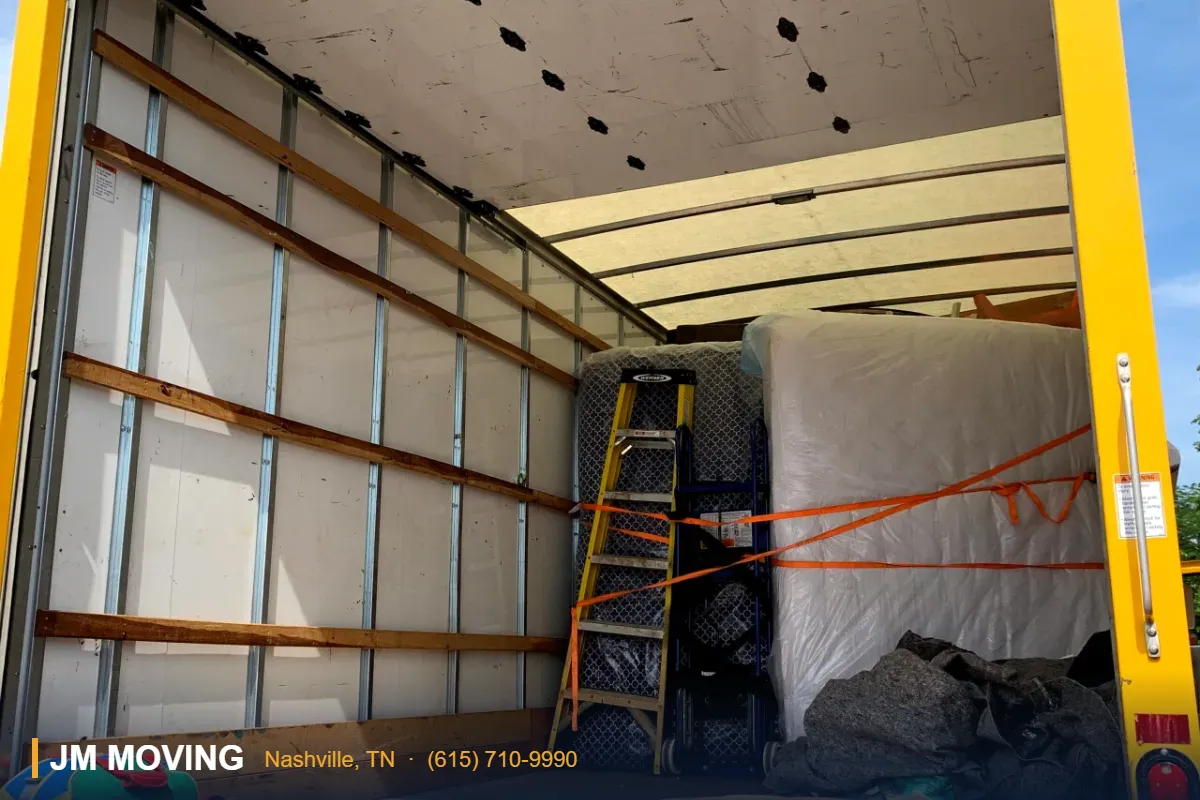
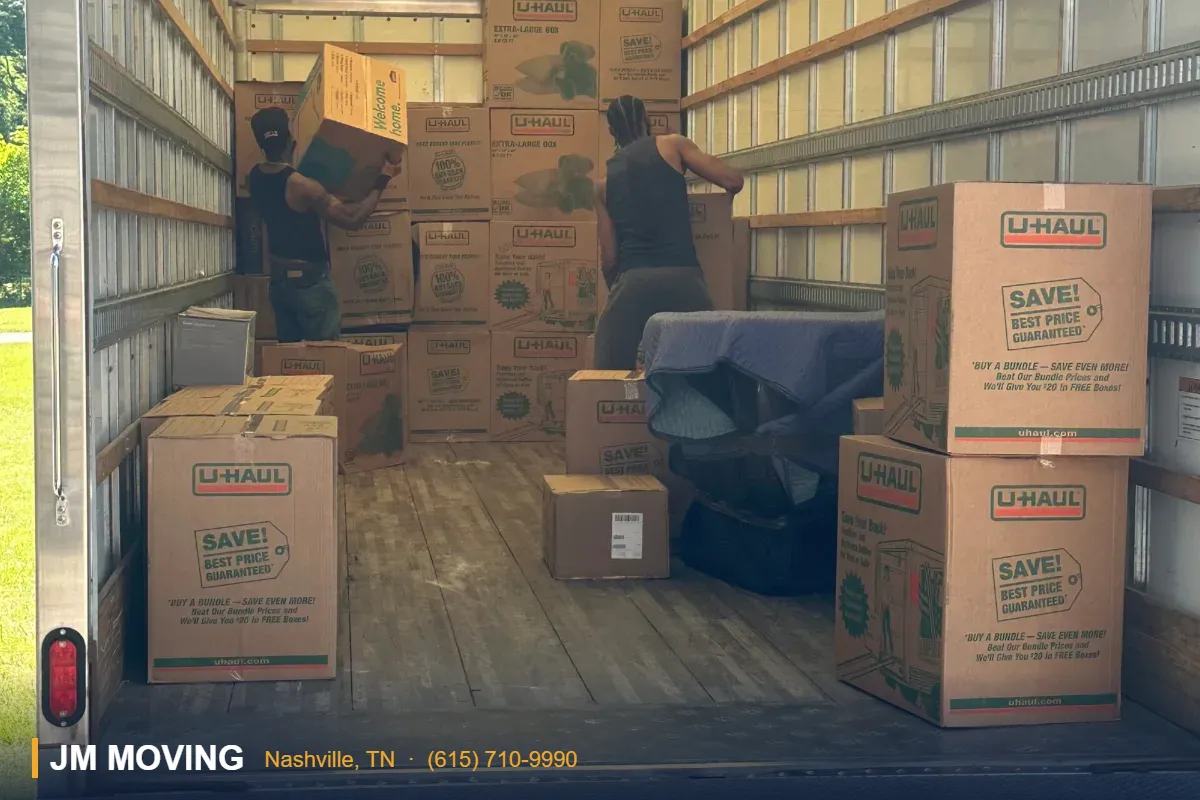
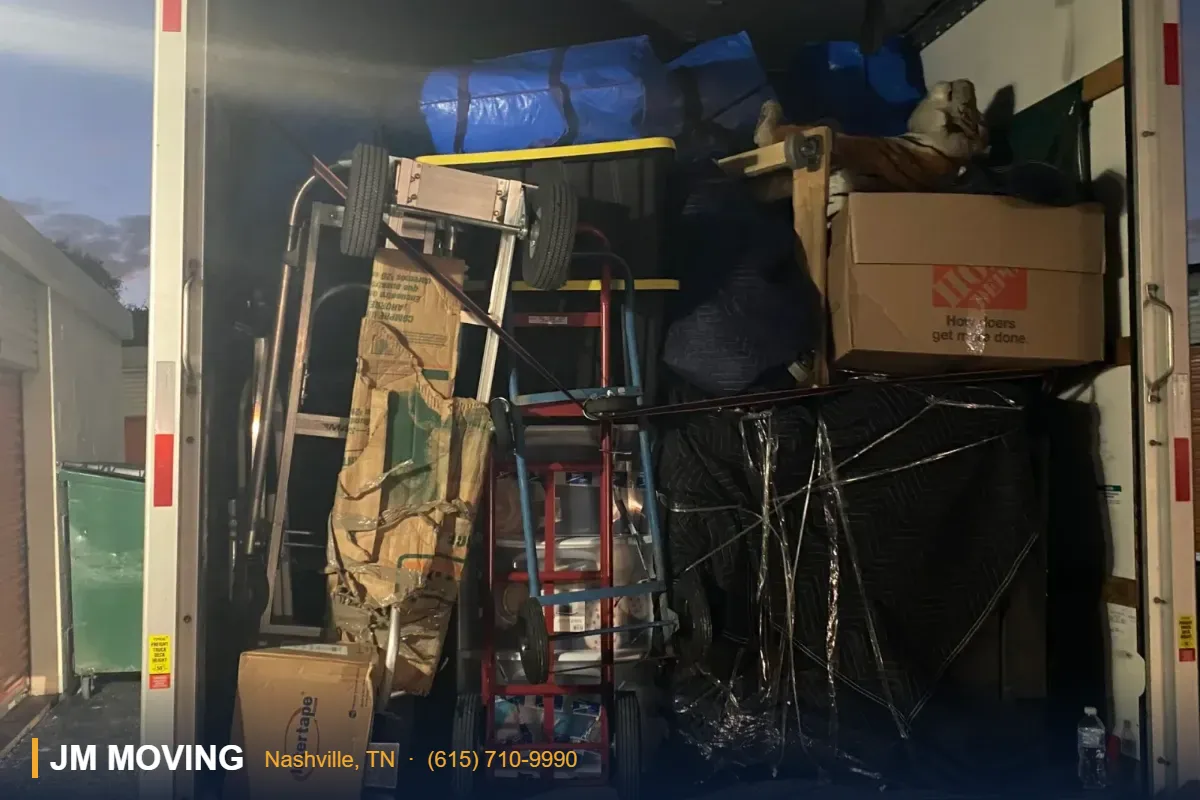
Local Moving Tips Nashville Photo Gallery
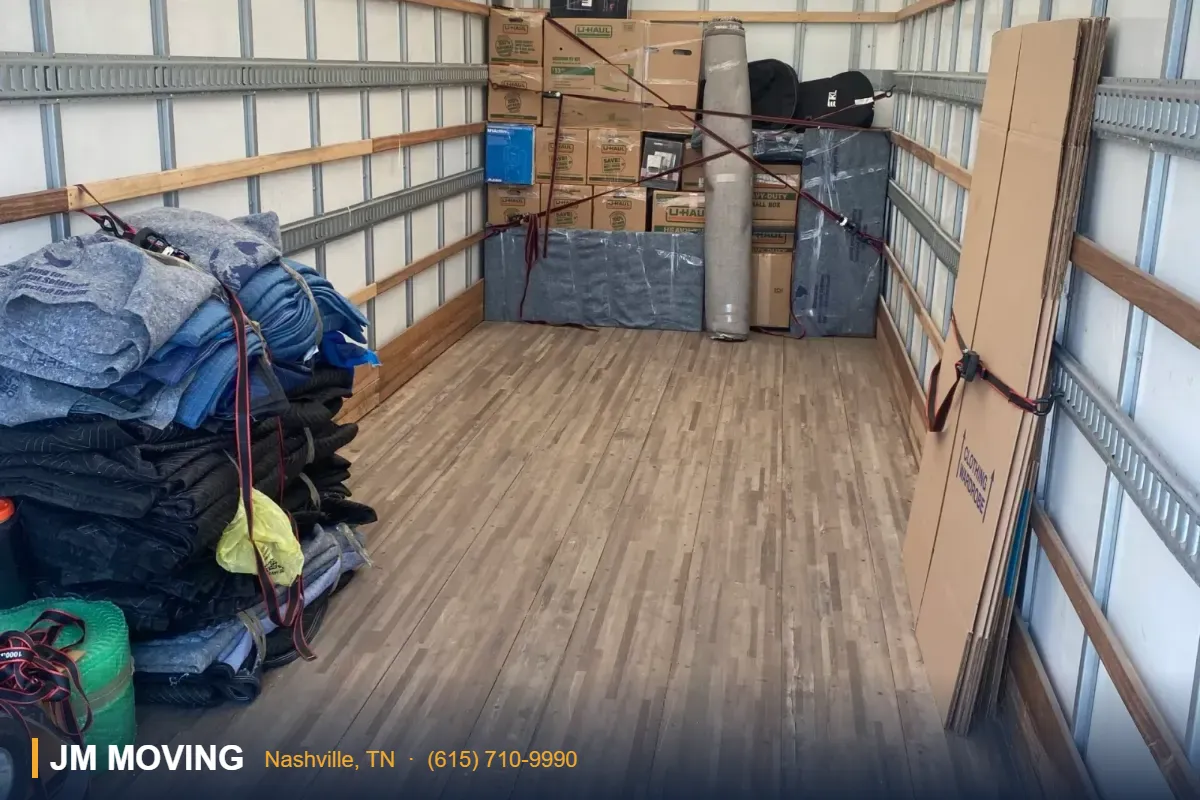
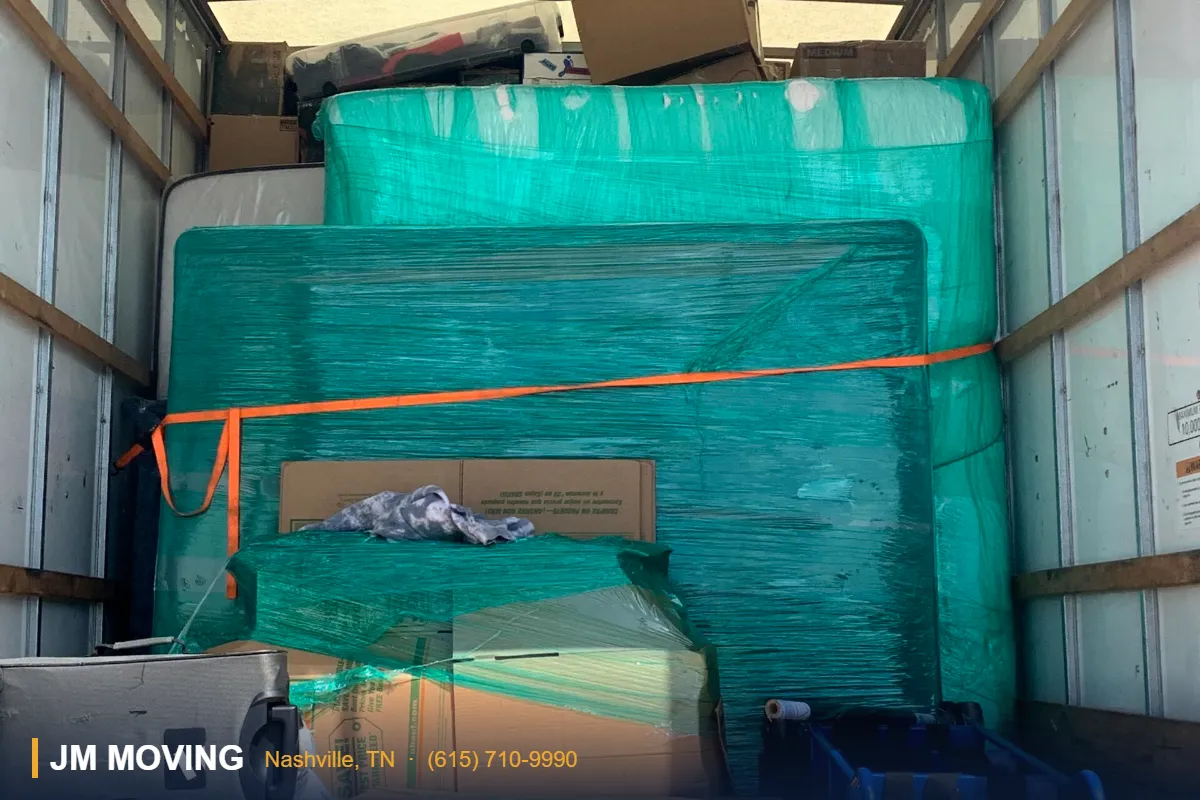
A Practical Local Moving Final Check
Confirm the origin and destination addresses, moving date, arrival window, inventory, requested services, and access conditions in writing. Identify stairs, elevators, parking rules, long carries, narrow entrances, and large or fragile items. Label boxes by room and priority so unloading on moving day follows the destination plan.
Keep keys, identification, medication, payment information, and irreplaceable personal items with you. Before the crew leaves each property, walk through closets, cabinets, storage areas, hallways, and the vehicle-loading area. At delivery, direct furniture placement before boxes fill the rooms and note any approved scope changes on the final paperwork.
Ready to put these tips into practice? Book our local movers in Nashville TN, our apartment movers in Nashville for smaller units, or request a written price from our flat-rate Nashville movers.