Moving to Nashville: The Logistics Guide for 2026

Moving to Nashville: The Logistics Guide for 2026 covers the practical side of relocating to Music City, including neighborhood access, moving costs, timing, storage, utilities, parking, and choosing a mover.
A Practical Relocation Plan From the Crews Who Unload the Trucks
Nashville has been absorbing new residents for years, and the people arriving are not all doing the same move. Some are coming for a job downtown, some are leaving a coast for cheaper space, some are following family, and some are moving across town because the lease ran out. What they all share is the same set of practical problems: where to land, what it costs to get your things here, and how to time it so you are not paying for two places at once. Our Nashville moving company can line up the truck and the timing for you.

This is the logistics side of moving to Nashville, written by people who unload the trucks.
What This Moving to Nashville Guide Covers
- Moving to Nashville? Pick the Area Before You Pick the Apartment
- Moving to Nashville Costs: What It Takes to Get Your Things Here
- Timing: The Two Weeks That Cost the Most
- The Gap Between Move-Out and Move-In
- Moving to Nashville: What to Handle Before the Truck Arrives
- Utilities, Parking and the Metro Paperwork Nobody Mentions
- Your 8-Week Moving to Nashville Timeline
- Storage, Pets and Plants: The Parts People Forget
- How to Vet Nashville Movers Before You Book
- Where JM Moving Fits in Your Move to Nashville
- Moving to Nashville Checklist: Questions People Ask
- 10 Moving to Nashville Tips From the Field
- Get a Flat-Rate Quote
Moving to Nashville? Pick the Area Before You Pick the Apartment
The single biggest lever in moving to Nashville is which side of the river you land on.
Nashville is a driving city, and where you live determines how much of your life you spend on Briley or I-40. A few honest notes from doing this every week:
Sylvan Park and Older West Nashville Streets
Older housing stock, plenty of character, and streets that were not designed for a 26-foot truck. Narrow lanes, on-street parking and tight driveways are normal. Great place to live, harder place to move into, and it is worth telling your mover the exact street before booking.
The Gulch, SoBro and downtown high-rises
Elevator buildings with loading docks, reserved freight elevators and certificates of insurance. These behave like big-city buildings, so the building’s rules set your move date more than your calendar does. Call management before you book anything.
Midtown, Green Hills, Belmont and Hillsboro
A mix of apartments, condos and older homes. Parking is the usual constraint and stairs are common in the older buildings.
Bellevue, Antioch, Hermitage, Madison and Donelson
More house-and-driveway moves, easier truck access, longer drive times. Logistically these are the simplest moves in the metro.
Franklin, Brentwood, Mt. Juliet, Hendersonville and Spring Hill
Technically outside Davidson County and often in planned communities with HOA rules about truck parking and move notification. Worth one phone call to the association before move day.
Truck Access by Neighborhood: A Quick Reference
Before you sign a lease, look at the street. This is the same sheet our dispatchers use when they size a crew for moving to Nashville.
| Area | Truck access | What it means on move day |
|---|---|---|
| Sylvan Park and older West Nashville streets | Tight | Narrow lanes and on-street parking; expect a long carry or a shuttle |
| The Gulch, SoBro, downtown high-rises | Controlled | Reserved dock, certificate of insurance, timed freight elevator |
| Midtown, Belmont, Hillsboro | Mixed | Student season congestion and almost no street parking in August |
| Green Hills | Moderate | Long driveways, low branches, gated entries, occasional shuttle |
| Bellevue, Antioch, Hermitage, Madison, Donelson | Easy | Full-size truck at the door; the fastest loads in the county |
| Franklin, Brentwood, Mt. Juliet, Hendersonville, Spring Hill | Easy but far | Access is fine; drive time adds an hour or more to the clock |
Moving to Nashville Costs: What It Takes to Get Your Things Here
Two different price structures apply to moving to Nashville, depending on whether the truck crosses a state line.
Two completely different price structures apply depending on where you are coming from.
If you are already in Middle Tennessee
A local move is priced on crew size and time, or on a flat rate built from your inventory. The variables that actually move the number are stairs, elevator waits, long carries from the truck to the door, and how packed you are when the crew arrives. A household that is fully boxed and labeled before the truck shows up costs meaningfully less than one that is not.
If you are moving in from another state
Interstate pricing is driven by weight or volume plus distance, not by hours. The truck loads once and leaves. That single fact changes how you prepare: anything not loaded travels with you or ships separately, and delivery arrives in a window rather than the same afternoon. Plan a first-night bag with medications, chargers, bedding, basic tools and every document you would not want in a box. Our Boston to Nashville moving timeline walks through one of these interstate moves from estimate to delivery.
Either way, insist on a written estimate built from a real inventory. A number quoted over the phone without anyone asking what is in your house is a number that will change.
Timing: The Two Weeks That Cost the Most
The calendar decides more of your bill than the mileage does when moving to Nashville.
Leases and closings cluster at the end of the month, and Nashville summers are peak season on top of that. The last three days of any month between May and August are the hardest dates in the city to book a crew, a truck or an elevator, and they are the most expensive.
If your dates have any flexibility at all, a mid-month weekday is a calmer and cheaper move. If they do not, book early rather than well — three weeks out is comfortable, one week out in July is not.
The Gap Between Move-Out and Move-In
Gaps are normal when moving to Nashville from out of state. Plan for one before you need it.
Closings slip and lease dates rarely line up cleanly. When they do not, you have two workable options and one bad one.
The workable options are short-term storage with a redelivery date, or a same-day direct move where the truck holds the load overnight. The bad option is moving twice into a friend’s garage, which doubles your handling and is where damage happens. If you suspect a gap is coming, arrange storage before you need it rather than during the week you need it.
Moving to Nashville: What to Handle Before the Truck Arrives
- Four weeks out: Confirm building or HOA requirements — truck parking, elevator reservation, certificate of insurance, permitted hours.
- Three weeks out: Get a written estimate based on an actual inventory. Book the date.
- Two weeks out: Transfer utilities. NES for electric, Metro Water, and your internet provider, which is usually the one with the longest lead time.
- One week out: Update your address with USPS, your bank and your employer. Start packing rooms you do not use daily.
- Two days out: Finish packing. Label boxes by destination room, not by contents. Take the first-night bag out of the pile.
- Move day: Walk the route with the crew lead before anything is lifted, and confirm where furniture goes rather than deciding it twice.
New Tennessee residents also need to handle vehicle registration and a driver’s licence within the state’s required window. Check current requirements with the county clerk and the Department of Safety rather than relying on a blog, because those rules change.
If this is your first move here, our first-time moving to Nashville tips cover the softer side: schools, neighbors and what the first month actually feels like.
Utilities, Parking and the Metro Paperwork Nobody Mentions
Paperwork is the quiet half of moving to Nashville, and it is the half that stalls trucks.
The part of moving to Nashville that catches people out is rarely the truck. It is the week of small errands that has to happen before the truck is useful. Power here runs through Nashville Electric Service inside Davidson County, and through Middle Tennessee Electric in much of Williamson and Rutherford. Water and sewer are Metro Water Services. Gas is Piedmont. None of them are same-day, and all of them want the service address plus a start date.
Start those accounts five to seven business days before closing or lease start. Ask for service to begin the day before you take possession, not the morning of. A crew that arrives to a dark third-floor unit in July works slower, and you pay for the difference. The same goes for internet: the install window is the long pole, and in the newer builds downtown the provider is often chosen for you by the building.
If the truck has to sit on a public street, Metro requires a permit for the lane or the metered spaces it occupies. Downtown and parts of Midtown are enforced. A permit costs less than one parking citation and far less than the hour a crew burns circling. We pull these for our own jobs; if you are moving yourself, budget a week for it.
Buildings add their own layer. Most towers in the Gulch, SoBro and Midtown require a certificate of insurance naming the property and its management company as additional insured, plus a reserved elevator window that is usually two to four hours on a weekday. Miss the window and you are rescheduling, not waiting. Ask the property manager for the COI requirements in writing the day you sign, and send them to your mover immediately.
Your 8-Week Moving to Nashville Timeline
Almost every expensive mistake in moving to Nashville traces back to a decision made two weeks too late. Here is the order that actually works, whether you are moving to Nashville from Antioch or from Los Angeles.
| When | What to do |
|---|---|
| 8 weeks out | Lock the destination area. Get two or three written estimates from Nashville movers. Verify the USDOT number. |
| 6 weeks out | Book the date. Peak weekends in May through August go first. Request the COI requirements from both buildings. |
| 4 weeks out | Start purging. Every box you do not move is money back. Order packing materials or book packing service. |
| 3 weeks out | File the change of address. Transfer prescriptions, vet records and school records. Reserve the elevator. |
| 2 weeks out | Open utility accounts. Pull the street permit if needed. Confirm the crew size and arrival window in writing. |
| 1 week out | Pack everything but the last box. Photograph anything valuable. Set aside what should never ride the truck. |
| Move week | Cash or card for the crew, a cooler of water, and a parking plan. Walk both properties before the truck pulls away. |

If your timeline is shorter than this, it is still workable. We run same-day moves in Nashville most weeks. You simply lose the leverage that comes from booking early, and on a long-haul move you lose the pick of the delivery window.
Storage, Pets and Plants: The Parts People Forget
These three derail more moving to Nashville jobs than traffic ever has.
Three things derail otherwise clean moves, and all three are predictable.
Storage. Closings slip. Leases do not line up. If there is any daylight between your move-out and move-in, decide in advance where the load sleeps. A truck held overnight is cheaper than a double handling into a storage unit and back out, but only for a night or two. Past about three days, a proper storage-in-transit arrangement wins. Either way, get it in writing before the truck is loaded, because the decision is far more expensive to make at 6 p.m. on the sidewalk.
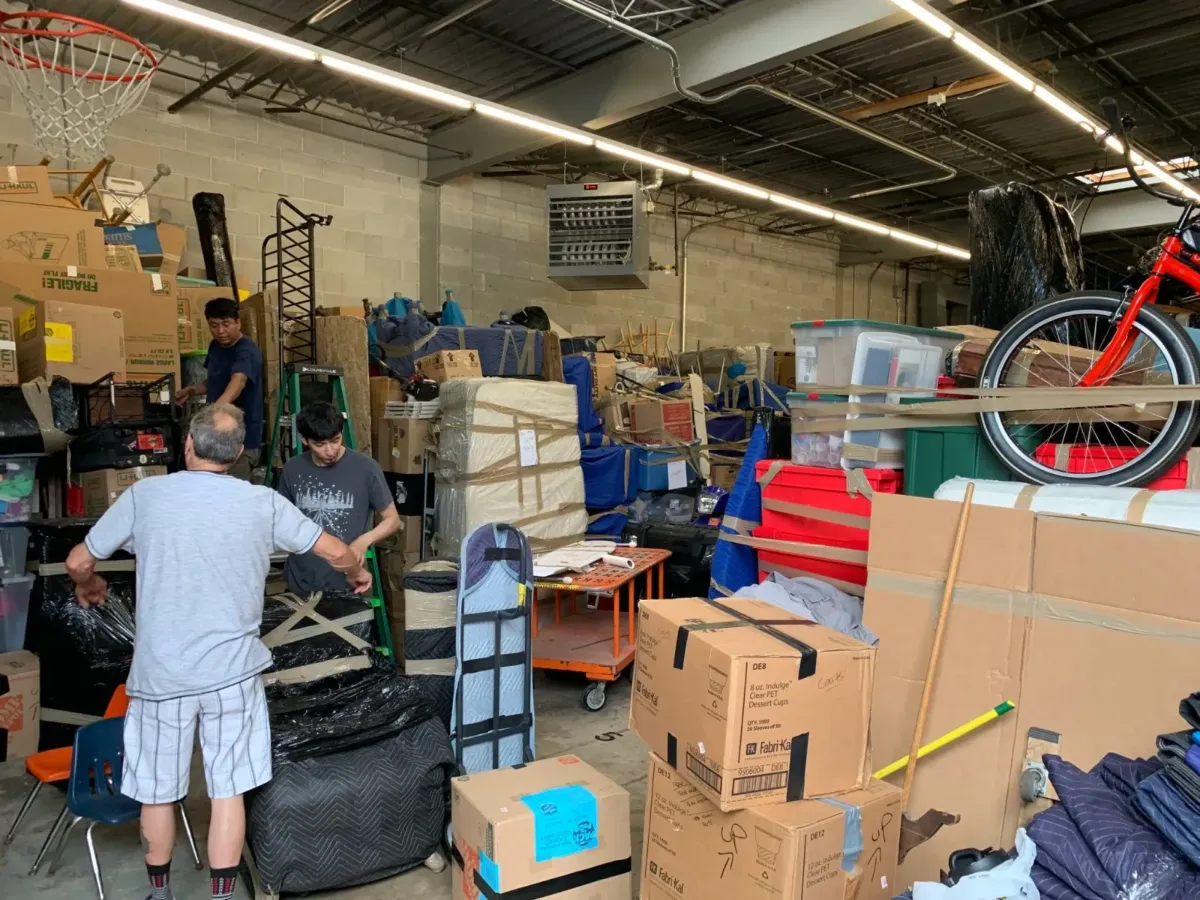
Pets. Animals ride with you, never on the truck, and they do not belong underfoot on load day. Board them, or put them in a closed room with a sign on the door. Tennessee requires current rabies records for boarding, and a vet here will want the records transferred anyway.
Plants and the no-go list. Anything flammable, corrosive or pressurized stays off the truck: propane, paint, pool chemicals, aerosols, lighter fluid, ammunition. Perishables and opened cleaning supplies too. Most house plants survive a local hop in your back seat and do not survive a week in a dark trailer. Neither do candles in a Nashville August.
How to Vet Nashville Movers Before You Book
Fifteen minutes of checking is the cheapest insurance you will buy while moving to Nashville.
Nashville’s growth brought good moving companies in Nashville and it brought brokers with a phone number and a website. The difference matters most on the day something goes wrong, so spend fifteen minutes on this before you pay a deposit.
Check the USDOT number. Every interstate carrier has one, and it is public. Look it up on the FMCSA SAFER system and confirm the company name, the address and the operating authority match what is on the estimate. The federal Protect Your Move guide is the plain-English version of your rights.
Know whether you are talking to a carrier or a broker. A broker sells your job to whoever bids lowest, and you meet that crew for the first time in your driveway. Ask directly: will your own employees and your own truck do this move? A real answer comes back immediately.
Read the estimate type. Non-binding means the number can move. Binding means it cannot. Flat rate, the way we write it, means the price you agreed to is the price you pay unless you add stops or items. Whatever the format, the inventory has to be right, so walk the whole house on the survey, including the garage, the attic and the storage unit you forgot about.
Understand valuation. Released value is free and pays sixty cents a pound. That is a few dollars for a television. Full value protection costs more and replaces or repairs. Decide before load day, not after.
Deposits and reviews. A modest deposit is normal; a large one wired in advance is not. And read the reviews with dates on them, the way ours are laid out in our Nashville customer reviews. A pattern across years tells you more than any single rave.
Where JM Moving Fits in Your Move to Nashville
We are a Nashville crew, and moving to Nashville is most of what we do.
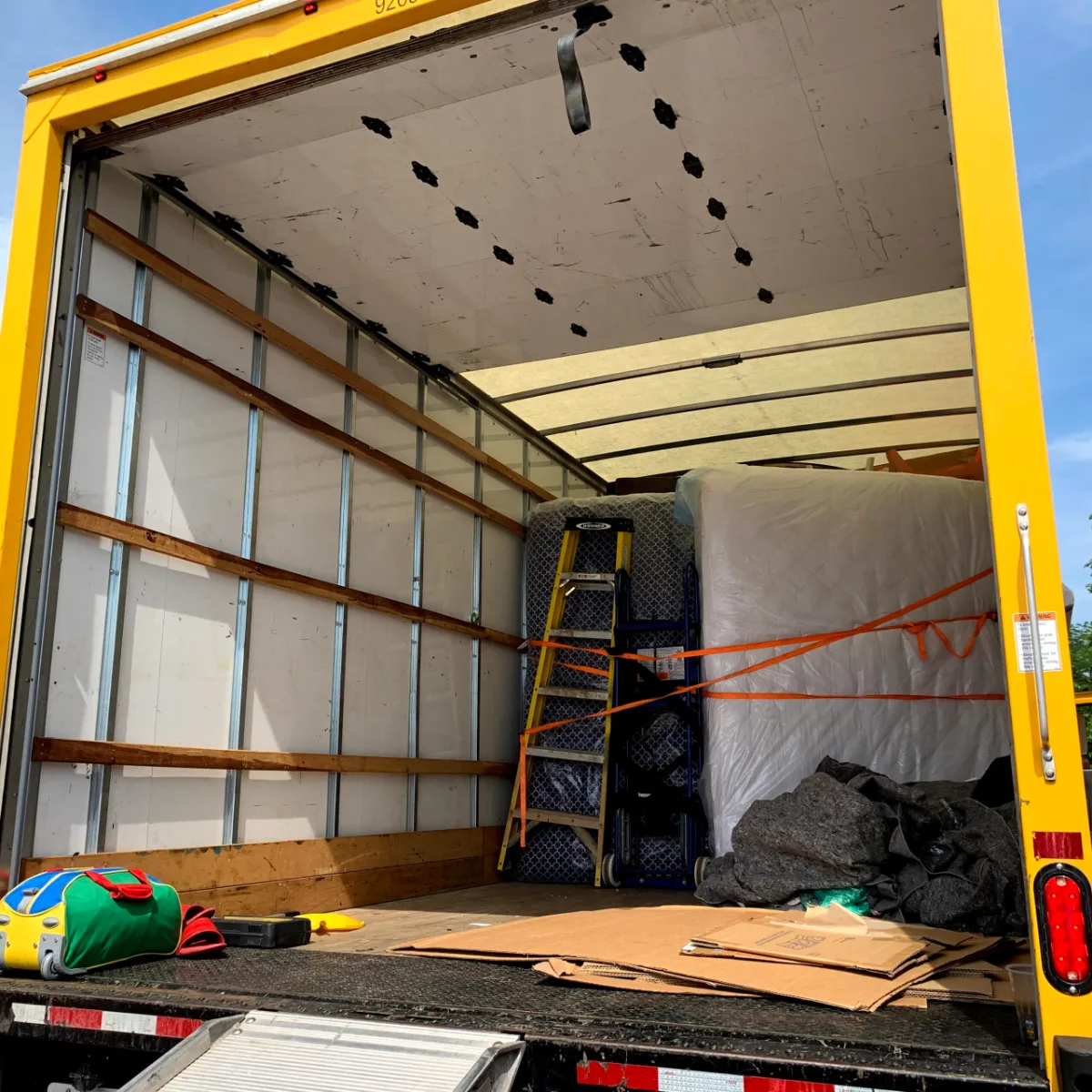
We are a family-owned Nashville moving company with crews who do these routes every week. If you are moving inside the metro, that is our local moving service. If you are coming in from another state or heading out of one, that is long-distance moving. If the packing is the part you cannot face between work and closing, our packing services cover full or partial packing, and apartment moves are a large share of what we do in this city.
Our pricing is flat rate wherever we can make it flat rate. One quote built from your inventory, agreed before move day, that does not climb because traffic on I-40 was bad.
Moving to Nashville FAQ: Checklist Questions People Ask
The questions we field every week from families moving to Nashville.
Before booking a Nashville move, confirm your move date, complete inventory, pickup and delivery access, stairs or elevators, parking restrictions, packing needs, and any specialty items. These details make the written moving plan more accurate and reduce last-minute surprises.
How far in advance should I book a mover?
Three weeks is comfortable for most dates. For the last three days of the month, or anything between May and August, book earlier.
Do downtown buildings really need a certificate of insurance?
Most of them do, and they often want it several business days ahead. Ask your building first, then ask your mover for the certificate as soon as your date is set.
Is it cheaper to move mid-week?
Usually, and mid-month is cheaper still. Weekend and end-of-month dates are the most contested in the city.
Can you store my things if my closing moves?
Yes. Tell us early so the storage and the redelivery date are planned rather than improvised.
What should never go on the truck?
Documents, medications, jewellery, keys, laptops, chargers and anything irreplaceable. Keep them with you.
10 Moving to Nashville Tips From the Field
Field notes from the crews who run moving to Nashville jobs every week.
- Confirm truck access before move day, especially on narrow Sylvan Park and West End side streets.
- Reserve freight elevators early for downtown, SoBro and Gulch high-rises.
- Ask your HOA about truck parking and permitted moving hours.
- Build your written estimate from a complete room-by-room inventory.
- Label boxes by destination room so unloading stays organized.
- Keep medications, documents, keys, chargers and valuables with you.
- Photograph specialty items and large furniture before loading.
- Measure tight stairways, elevators and doorways before moving oversized furniture.
- Choose a mid-month weekday when your schedule allows more flexibility.
- Walk the pickup and delivery routes with the crew lead before loading begins.
Moving to Nashville’s West and South Side: Where to Land
Many newcomers settle on the west and south side of the city, where the drive to Downtown, Midtown and Brentwood stays manageable. Each area has its own move-day quirks, and knowing them before you sign a lease saves time on the truck and money on the bill.
West Side: West End, Sylvan Park, West Meade and Bellevue
West End apartments and condos near the universities behave like Midtown buildings: reserved elevators, loading zones and heavy traffic in August. Sylvan Park has older homes on narrower streets, so expect on-street parking and a longer carry. West Meade and Bellevue are mostly house-and-driveway moves with room for a full-size truck, although hilly lots can add outdoor steps.
Established Areas: Belle Meade, Green Hills, Forest Hills and Oak Hill
Larger homes, long driveways, gates and mature trees are common here. Tell your mover about low branches, steep drives and heavy pieces such as pianos, safes or armoires, so the right crew size and equipment show up on the first trip. Our Belle Meade moving guide covers timeline, packing and storage planning for these homes.
South Suburbs: Brentwood, Franklin and Nolensville
Newer subdivisions usually mean easy truck access, but many have HOA rules about truck parking, permitted move hours and advance notice. One call to the association a week ahead avoids a truck stalled at the entrance.
Five Questions to Answer Before You Sign a Lease
- Where exactly will a 26-foot box truck park, and how far is the walk to the door?
- Does the building require a certificate of insurance or a reserved elevator window?
- Are there HOA or building limits on move days and hours?
- How many stairs, landings or tight turns are between the curb and the unit?
- Will your move-out and move-in dates leave a gap that needs storage?
Bring those answers to your estimate. Our local moving services cover moves inside the metro, and the free moving quote page is the fastest way to get a written, flat-rate number. Costs depend on inventory, access and date, so a written estimate beats any rough figure.
More Moving to Nashville Questions
Which parts of west and south Nashville are easiest for truck access?
House-and-driveway areas such as Bellevue and West Meade are usually the simplest, along with newer subdivisions in Brentwood, Franklin and Nolensville once HOA parking rules are confirmed.
Can JM Moving handle an after-hours or emergency move?
Yes. JM Moving is available 24 hours a day, 7 days a week, including after-hours and emergency moves. Call (615) 710-9990 to check the schedule.
What if my move-out and move-in dates do not line up?
If the gap is longer than a night or two, plan storage before move day. JM Moving offers storage along with local and long-distance moving, so the load can be held and redelivered on a set date.
Get a Flat-Rate Quote
Tell us where you are coming from, where you are landing and roughly what is in the house, and you will get one number rather than an hourly clock. Request a free quote or call (615) 710-9990.
Newcomers choosing the south side can book our movers in Brentwood TN or Green Hills moving crew, and anyone who wants the price fixed before the truck arrives should read about our flat rate movers in Nashville.